General
Life
Accessibility Options


General

General Products
Simple & Transparent! Policies that match all your insurance needs.
 Car Insurance
 Two Wheeler Insurance
 Commercial Vehicle Insurance
 Health Insurance
 Home Insurance
 Travel Insurance
 Business Insurance
Car Insurance
Two Wheeler Insurance
Commercial Vehicle Insurance
Health Insurance
Travel Insurance
Business Insurance
Car Insurance
Two Wheeler Insurance
Commercial Vehicle Insurance
Health Insurance
Travel Insurance



Scan to download

Life

Life Products
Digit Life is here! To help you save & secure your loved ones' future in the most simplified way.
 Term Life
 Savings Plan
 Retirement and Pension Plans
 Group Life Products
 Product Documents
Term Life
Savings Plan
Retirement and Pension Plans
Group Life Products
Product Documents
Term Life
Savings Plan
Retirement and Pension Plans
Group Life Products

Scan to download

Claims

Claims
We'll be there! Whenever and however you'll need us.
 Customer Support
 Motor Claims
Health Claims
Motor Claims
Health Claims
 Marine Insurance
 Grievance Redressal
Customer Support
Motor Claims
Health Claims
Marine Insurance
Grievance Redressal
Grievance Redressal
Customer Support
Motor Claims
Health Claims
Marine Insurance
Grievance Redressal
Scan to download
 General
 Life
General
Life
Life
General
Life
Renewals
Resources

Resources
All the more reasons to feel the Digit simplicity in your life!
Exclusive Features
 Transparency Report
Others
Exclusive Features
Transparency Report
Transparency Report
Others
Exclusive Features
Transparency Report
Scan to download


Our WhatsApp number cannot be used for calls. This is a chat only number.

 Grey Scale
 Readable Text
 Reset
Reset




10000+ Cashless Garages
1.5 Cr+ Policies Sold


Check Price

Car insurance Online, Up to 90% Discount
It's a Brand New Car
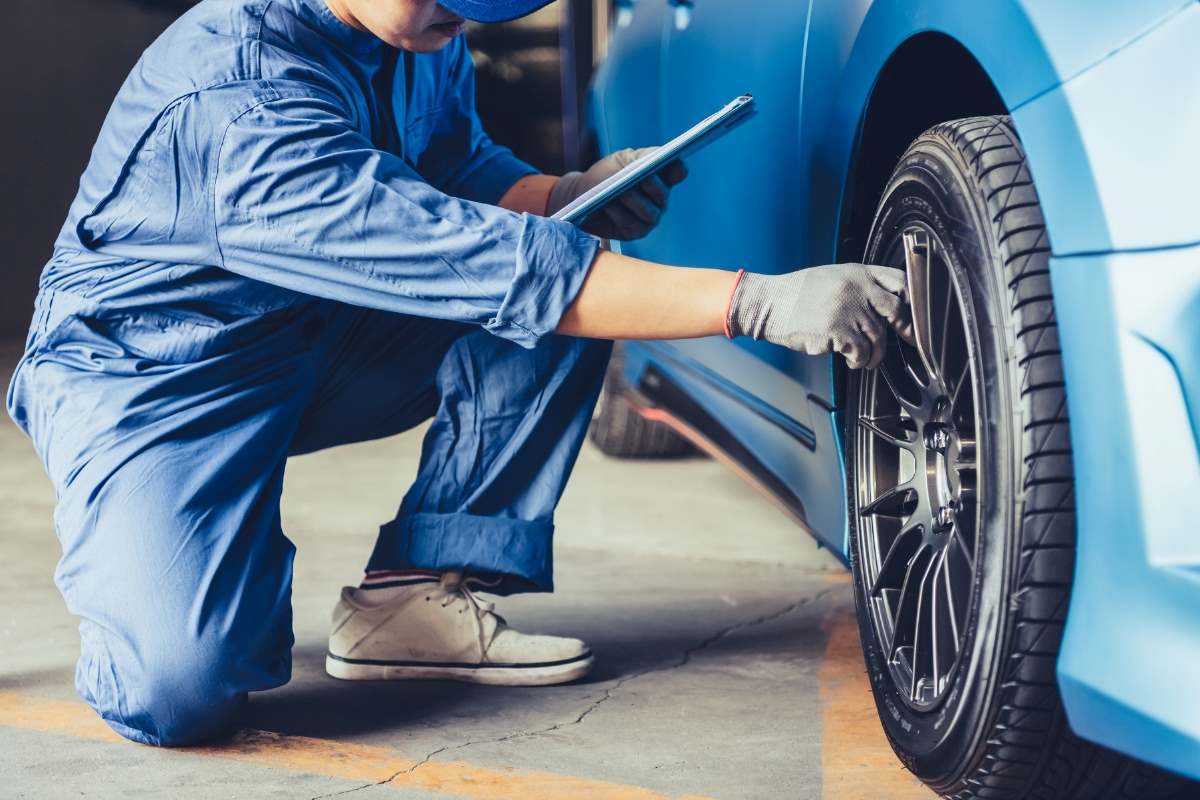
In cities where traffic is an everyday affair, electric vehicles are emerging as one of the best options for more peaceful and cleaner transport. These green automobiles are re-inventing the car and its maintenance.
Even though electric vehicles have lower processing completeness in the production stage than commercial cars, this does not mean that they do not need servicing. Maintenance is, however, necessary to foster and mitigate expenses.
In this article, we will discuss the crucial points and show how changing to an electric car is pleasant for nature and the economy.

Table of Contents

Electric cars' maintenance has always been simple, unlike petrol or diesel cars, where mechanical repairs may be complicated simply because of their many moving parts.
Proper maintenance helps keep the electric motor and other vital operational parts in good shape over time, minimising future costs.
Unlike gasoline-powered vehicles, most EVs are made so that they do not wear out as much as their gasoline counterparts. Only the battery, cooling systems, and brakes need attention and maintenance. These parts need to be maintained:
Extreme temperatures can negatively impact your EV battery, so avoiding leaving them in extreme conditions for long is wise. Although systems for thermal management do help, one should still be more careful. Do not entirely depend on fast charging stations, as these kill battery life much quicker.
Charge the battery up to around 85-90%. Some charging helps, but do not charge completely, as battery health is compromised. Regular professional inspections are also recommended.
Electric motors do not require regular maintenance, but coolant levels must be regularly analysed to maintain the cooling systems. Periodically upgrading the software of electric motors can enhance their performance and maintain your vehicle's optimal efficiency.
Regenerative braking is a feature of EVs that minimises the use of conventional brake components. Still, it’s important to check brake fluids and lubricate brake callipers, especially in rough climates. Even with reduced wear, brake pads and rotors should be inspected regularly for safety.
Electric vehicles (EVs) are heavier, so they wear more tyres. Correct air pressure, rotation, and alignment help alleviate abnormal tyre wear. Compared to petrol or diesel engine vehicles, more frequent replacements of these components may be required.
EVs use little proprietary fluid compared to conventional engine cars, but coolant and even washer fluids may still require attention. Complying with the manufacturer’s recommendations concerning periodic checks and replenishment of food substances is crucial.
It is recommended that the cabin filter be changed every 12 months to ensure proper interior air quality. However, if the driver does most of the driving in dusty or highly polluted areas, the filter may need to be replaced earlier than the recommended interval.
Updated software means that your electric vehicle (EV) operates at optimal performance. Over-the-air updates introduce new functionalities, while bug fixes and diagnostics are performed periodically.
The majority of electric vehicles have a coolant system fitted to keep the battery at the right temperature range. It is very important to have the coolant checked occasionally by a specialist to ensure the system works properly. Always check the user manual and act according to its further guidelines.
Owning an electric vehicle offers a cost-saving advantage in the long run, particularly when it comes to the repair parts. Unlike traditional fossil-fuel-powered cars, Electric cars (EVs) have a simpler structure and contain few moving parts, such as the electrical motor, which helps to reduce the rate of depreciation.
This means that these vehicles will not require oil changes or the maintenance work common to internal combustion engines. Still, they do not come free of charge, but the prices are much lower.
Maintaining and monitoring things like brakes, tyres, and batteries are the most common expenditures, making car electric maintenance cost bearable and non-tiresome.
Car maintenance or electric vehicle repair schedules rarely include frequent visits to a garage. Fluids, batteries, and brakes have to be changed every certain distance covered, often between 10,000 and 15,000 kilometres.
However, please check your manufacturer’s handbook, as there are instructions for every car model.
There are three main checks you should conduct monthly:
All automobiles must have properly inflated tyres, which is significant for electric vehicles as the battery adds additional weight. Having the recommended pressure of tyres aids in enhancing the range as well as safety.
Heavy vehicles are bound to experience excess wear and tear of the tyres due to uneven weight distribution. Regular assessment of tread wear can avoid pinched tyres and enhance driving safety.
Keep your washer fluid topped up to maintain clear visibility, which is essential for safe driving conditions.
In addition to the monthly inspections, let us state what else should be in your electric vehicle service interval based on mileage:
An oil and filter change becomes necessary at this stage to help keep the moving parts lubricated, which reduces friction and prevents carbon or sludge deposits from forming, contributing to enhanced engine life.
The engine air filters should be replaced to prevent contaminants from entering, and the transmission fluids should be checked. Also, the cabin air filter should be changed to avoid dust and contaminants.
An engine coolant exchange and flushes of the brake and power steering fluid are necessary, which enhance performance and handling.
Brake systems should be inspected in detail. If brake pads are worn out, they must be changed to avoid dangerous situations and improve automobile efficiency.
At this time, the power supply may begin to diminish, the time to replace it is well overdue so that none of the breakdowns occur.
At this stage, it is time to consider the replacement of the timing belt. Whenever practical use of the vehicle begins to prevent damage from being done and waiting too long leads to significant damage which is why seeking a timely replacement is important.
It is also true that for owners of electric cars, it is cheaper for them in the long run particularly when it comes to maintenance costs in comparison to gasoline-powered vehicles. This is because:
An electric car is operated with an electric motor placed on the axle of the vehicle. Such electric motors have fewer moving parts compared with internal combustion engines (besides requiring regular oil changes, tune-ups and repairs to salvage them). Whereas, in the case of EV motors, this is an almost exception-free situation until a particular problem occurs.
EV has a simple transmission that consists of a single-speed gear because the motor provides instant torque (one of its major advantages). This simplicity replaces the continuous complexity of multi-speed gearbox in the petrol and diesel cars that are susceptible to frequent service. The maintenance schedule of many EV manufacturers also does not include the maintenance of gearboxes, hence, this helps in reducing expenses over the years.
Electric vehicles primarily rely on regenerative braking, where the electric motor reverses energy to the battery during deceleration, increasing its charge and preserving brake lifespan. In contrast, traditional vehicles experience more wear and tear on their braking systems, leading to higher maintenance needs.
In conclusion, the combination of fewer moving parts, simplified transmissions, and advanced braking systems make electric cars far more cost-effective to maintain compared to their
Here are a few key tips to maintain your electric vehicle and ensure optimal performance over time:
Electric car maintenance is cheaper than regular cars, even more straightforward, and more cost-effective in the long term. By following proper maintenance scheduling and right care, your EV battery maintenance will be efficient and last a reasonable amount of time.