General
Life
Accessibility Options


General

General Products
Simple & Transparent! Policies that match all your insurance needs.
 Car Insurance
 Two Wheeler Insurance
 Commercial Vehicle Insurance
 Health Insurance
 Home Insurance
 Travel Insurance
 Business Insurance
Car Insurance
Two Wheeler Insurance
Commercial Vehicle Insurance
Health Insurance
Travel Insurance
Business Insurance
Car Insurance
Two Wheeler Insurance
Commercial Vehicle Insurance
Health Insurance
Travel Insurance


Scan to download

Life

Life Products
Digit Life is here! To help you save & secure your loved ones' future in the most simplified way.
 Term Life
 Savings Plan
 Retirement and Pension Plans
 Group Life Products
 Product Documents
Term Life
Savings Plan
Retirement and Pension Plans
Group Life Products
Product Documents
Term Life
Savings Plan
Retirement and Pension Plans
Group Life Products

Scan to download

Claims

Claims
We'll be there! Whenever and however you'll need us.
 Customer Support
 Motor Claims
Health Claims
Motor Claims
Health Claims
 Marine Insurance
 Grievance Redressal
Customer Support
Motor Claims
Health Claims
Marine Insurance
Grievance Redressal
Grievance Redressal
Customer Support
Motor Claims
Health Claims
Marine Insurance
Grievance Redressal
Scan to download
 General
 Life
General
Life
Life
General
Life
Renewals
Resources

Resources
All the more reasons to feel the Digit simplicity in your life!
Exclusive Features
 Transparency Report
Others
Exclusive Features
Transparency Report
Transparency Report
Others
Exclusive Features
Transparency Report
Scan to download


Our WhatsApp number cannot be used for calls. This is a chat only number.

 Grey Scale
 Readable Text
 Reset
Reset




10000+ Cashless Garages
1.5 Cr+ Policies Sold


Check Price

Car insurance Online, Up to 90% Discount
It's a Brand New Car
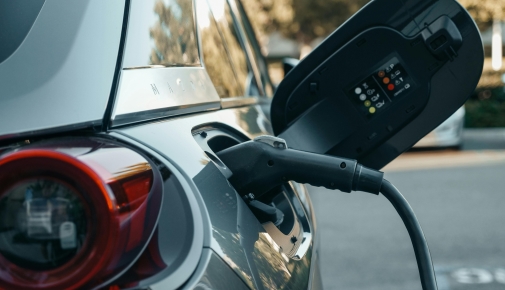
If you want to use your electric car's full potential, you must maximise the lifespan of your battery pack. This is not only a matter of price but also range and efficiency.
EV batteries wear out because of charge-discharge cycles, prolonged heat exposure, and age. Nonetheless, you can extend some of these resources by utilising intelligent moves such as consistent charging and limiting overexposure to extreme conditions.
Read on to learn some of the practical tips and essential determinants on how to extend EV battery life.

Table of Contents

Electric vehicle (EV) battery packs comprise thousands of lithium-ion (Li-ion) cells, which are charged when the vehicle is plugged in and discharged as it drives.
The number of charge cycles determines the lifespan of an EV battery — each complete charge and discharge. Over time, as the battery undergoes more cycles, its capacity diminishes, meaning it holds less charge and takes longer to recharge.
This gradual degradation happens because each charging and discharging cycle affects the battery's overall health. As the battery ages, it can no longer reach its total capacity, leading to shorter driving ranges between charges.
You need a combination of smart driving habits and proper charging techniques to get the most out of your electric vehicle's battery. By reducing factors like deep discharges and fast charging, you can slow down the natural wear and tear that affects battery performance over time.
Let’s take a look at a few of them:
Leaving your EV parked in direct sunlight without being plugged in can lead to battery stress from overheating. The car's thermal management system will work overtime to keep things cool, using valuable battery power unnecessarily. Instead, park in the shade or keep your car plugged in so the cooling system runs on grid power, not the battery.
EVs have an inbuilt battery management system that helps to avoid complications caused by charging the battery too much or too low. Repeatedly charging a battery to the maximum will still affect battery life. Although maximal EV charging is essential, especially when long distances have to be covered, it is not the best practice for battery longevity.
Fast charging is incredibly convenient when you’re in a rush, but it puts a lot of strain on your battery by quickly pushing a large amount of current into it. Over time, this can accelerate battery degradation.
Although it may not be immediately noticeable, avoiding frequent fast charging can preserve your battery, extending its life by up to 10% over several years compared to regular charging.
If you're not using your EV for an extended period, avoid leaving it with a full or empty battery. This can strain the battery's capacity, even when the car is stationary. Instead, aim to keep the charge level between 25% and 75%, and use a timer to maintain this range if you're leaving your car parked for a long time.
Battery capacity is the most important factor affecting how far a vehicle can be driven. When batteries age, the energy they can store reduces, decreasing the car's driving range and its value over time.
The main culprits behind battery degradation are extreme temperatures, charge cycles, and time. Understanding the factors below helps in optimising battery health:
Energy in EV batteries is generated through chemical reactions. Most electric vehicles use lithium-ion batteries, which naturally lose about 2.3% of their initial range yearly. This gradual degradation affects battery performance over time.
Lithium-ion batteries operate best when not fully charged or completely drained. Maintaining a moderate state of charge helps preserve battery health, especially over long periods. Keeping the battery between 20% and 80% charge is ideal for longevity.
Electric vehicles perform best in moderate climates. Extreme heat or cold can lead to faster battery wear, especially when the EV is parked and not plugged in. Avoiding such conditions to protect your battery from premature degradation is important.
Hot weather accelerates the depletion of lithium-ion batteries, which is why EVs in warmer climates often experience faster degradation. To combat this, many EVs are equipped with liquid-cooled thermal management systems that help maintain optimal battery temperature and extend its life.
Using DC fast-charging stations (Level 3) can significantly degrade the battery over time. While fast charging can boost the battery to 80% capacity in just 30 minutes, the process generates a lot of heat, which may reduce both the lifespan and performance of the battery in the long run.
Studies have shown frequent fast charging can result in up to 10% degradation over eight years.
To maximise the EV battery life, follow these energy-saving tips:
Protecting your electric car battery health from different factors such as extreme temperatures and fast charging or keeping it at a balanced state of charge will significantly increase its lifespan.
Such practices and responsible driving habits will keep the batteries' combats effective and deliver savings and better electric performance of the EV for a longer time.