General
Life
Accessibility Options


General

General Products
Simple & Transparent! Policies that match all your insurance needs.
 Car Insurance
 Two Wheeler Insurance
 Commercial Vehicle Insurance
 Health Insurance
 Home Insurance
 Travel Insurance
 Business Insurance
Car Insurance
Two Wheeler Insurance
Commercial Vehicle Insurance
Health Insurance
Travel Insurance
Business Insurance
Car Insurance
Two Wheeler Insurance
Commercial Vehicle Insurance
Health Insurance
Travel Insurance



Scan to download

Life

Life Products
Digit Life is here! To help you save & secure your loved ones' future in the most simplified way.
 Term Life
 Savings Plan
 Retirement and Pension Plans
 Group Life Products
 Product Documents
Term Life
Savings Plan
Retirement and Pension Plans
Group Life Products
Product Documents
Term Life
Savings Plan
Retirement and Pension Plans
Group Life Products

Scan to download

Claims

Claims
We'll be there! Whenever and however you'll need us.
 Customer Support
 Motor Claims
Health Claims
Motor Claims
Health Claims
 Marine Insurance
 Grievance Redressal
Customer Support
Motor Claims
Health Claims
Marine Insurance
Grievance Redressal
Grievance Redressal
Customer Support
Motor Claims
Health Claims
Marine Insurance
Grievance Redressal

Scan to download
 General
 Life
General
Life
Life
General
Life
Renewals
Resources

Resources
All the more reasons to feel the Digit simplicity in your life!
Exclusive Features
 Transparency Report
Others
Exclusive Features
Transparency Report
Transparency Report
Others
Exclusive Features
Transparency Report

Scan to download


Our WhatsApp number cannot be used for calls. This is a chat only number.

 Grey Scale
 Readable Text
 Reset
Reset




10000+ Cashless Garages
1.5 Cr+ Policies Sold


Check Price
Car insurance Online, Up to 90% Discount
It's a Brand New Car
Like other vehicles, luxury car manufacturers are now focusing on EVs to provide Indian car enthusiasts with a perfect blend of top-notch craftsmanship, leading-edge technology, and eco-friendly performance.
If you want to own such a luxurious and energy-efficient vehicle, take a look at our list of the best luxury electric cars in India.
However, when buying an electric car in India, securing electric car insurance is also crucial as it is mandatory by the Motor Vehicles Act of 1988. It protects against accidents, theft, and damage, safeguarding your investment. Car insurance saves you from hefty traffic fines, license suspension, and even legal trouble.
Disclaimer: The price specified in the above table is basically the ex-showroom price in Delhi, which is subject to changes and may differ from place to place across India.
Discussed below are the top 15 luxurious EV cars in India:
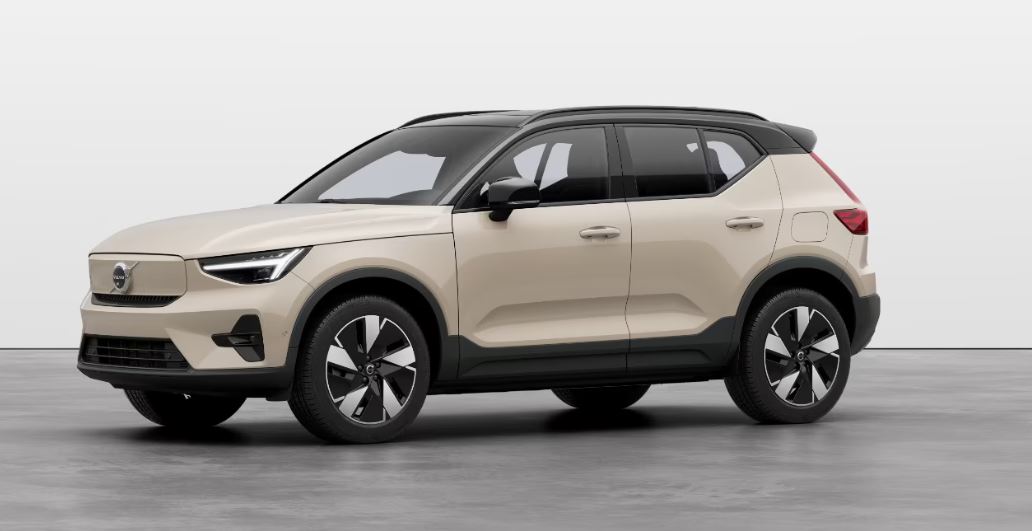
Volvo EX40 is a compact electric SUV that represents the brand’s dedication to eco-friendly mobility and Scandinavian design. As an entry-level electric vehicle, it offers performance, efficiency, and practicality for urban driving. Its clean, sharp exterior, coupled with a cabin is well-outfitted with a modern infotainment and safety system.
With a dedicated electric platform, the EX40 is available in a single or twin-motor variant, depending on preference. It is agile enough in the city to fit in small spaces and find room for passengers and cargo. In the end, the EX40 symbolises Volvo's strong commitment to reducing carbon emissions and promoting eco-friendly transportation.
Key Specifications:
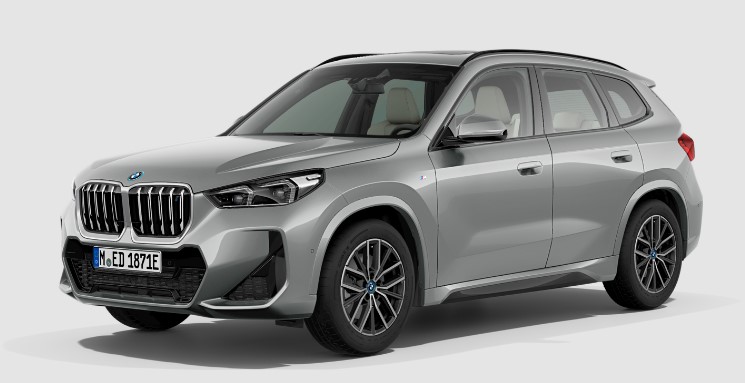
BMW iX1 LWB is an innovative electric SUV that combines performance, luxury, and sustainability. It is BMW's entry-level electric model designed for urban lifestyles while maintaining its trademark driving dynamics. The iX1 has a sleek design and exciting new technology packed into a spacious interior with solid, high-quality, modern infotainment systems.
The iX1 is powered by a strong electric drivetrain for smooth handling and rapid acceleration. It also has energy management and regenerative braking for increased efficiency. All in all, the BMW iX1 LWB attests to the brand’s ambition to write the future of mobility.
Key Specifications:
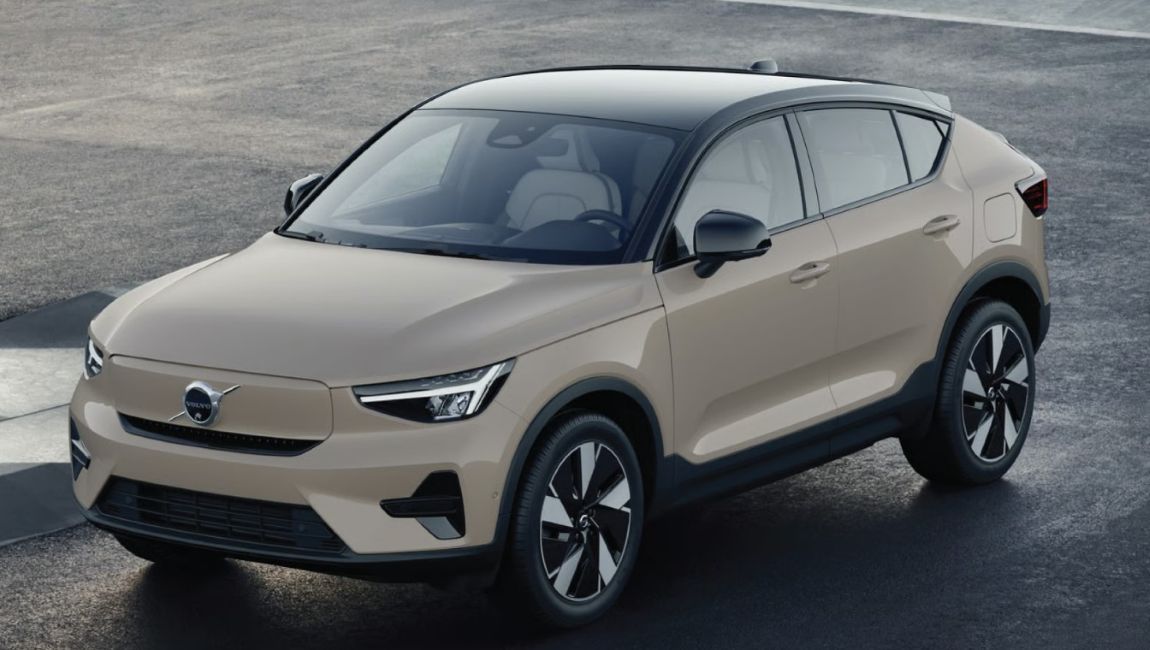
The Volvo EC40 is a top contender for someone looking to buy an electric vehicle in India. This car's sleek coupe shape gives off a really modern vibe without overdoing it; the car doesn't look futuristic for the sake of looking futuristic. Inside, you get that classic Volvo feeling, with all the soft-touch materials, a super-clean dashboard, and comfy seats for drivers who spend a lot of time on the road.
Performance-wise, the EC40 is nice & smooth. The electric motor gives that instant torque kick, but Volvo's tuned it so that it doesn't feel like it's going to send the car flying. The strong regen braking & well sorted suspension all work together to keep the ride super stable even on bumpy roads. For buyers seeking a refined electric crossover with dependable performance, this car is the one.
Key Specifications:
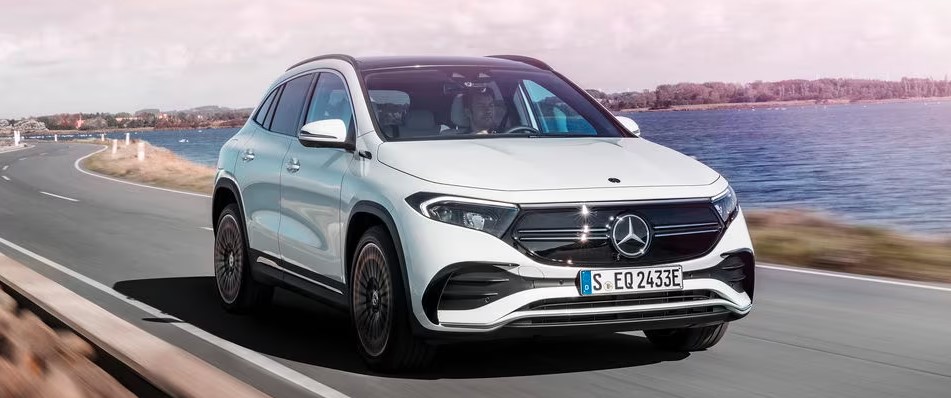
The Mercedes-Benz EQA is a stylish, high-tech, all-electric subcompact luxury SUV. As part of the EQ family, it is a style and performance-oriented option for eco-conscious drivers. It has a modern aerodium design that houses LED light bars at the front and rear, giving it a futuristic look.
The EQA's electric motor and 70.5kWh battery pack yield a combined 560 km range. It drives quietly and smoothly and comes with advanced features like dual-zone climate control, gesture control, and even a panoramic sunroof for comfort. Urban driving is the EQA’s bread and butter, so it’s a blend of luxury, sustainability, and practicality.
Key Specifications:
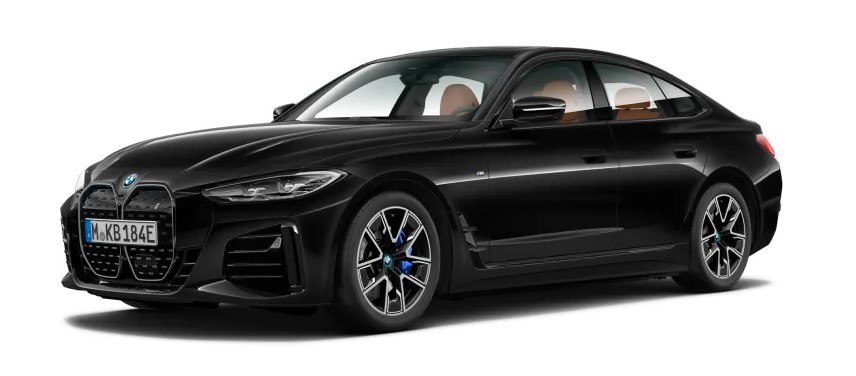
The BMW i4 is one of the most desirable luxury electric sedans available in India. It combines sporty driving dynamics, premium interiors, and a long driving range in a sleek four-door coupe-like body style. It is particularly appealing to buyers who want a performance-focused luxury EV without moving into the ultra-premium segment.
Key Specifications:
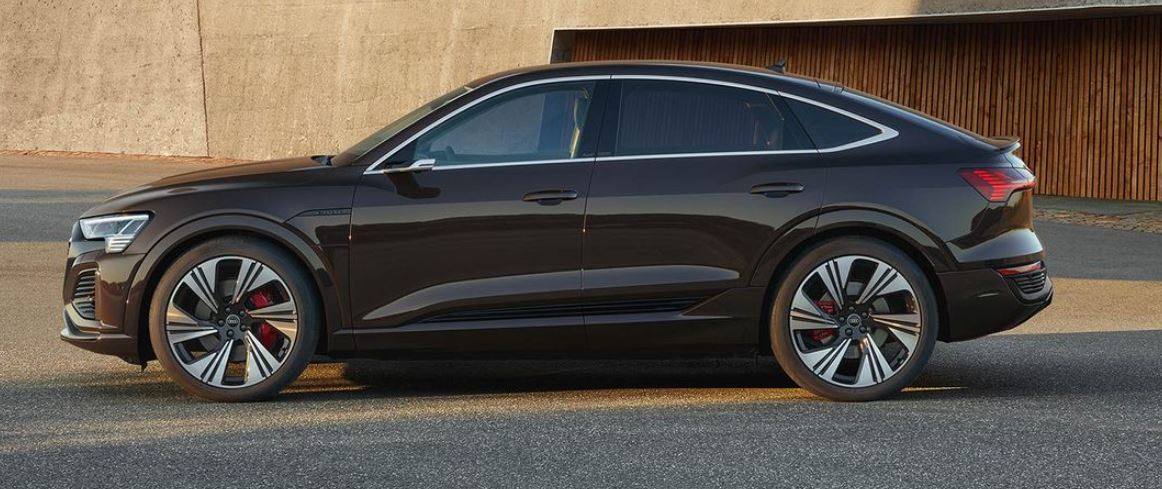
The Audi Q8 Sportback e-tron is a premium electric SUV with excellent electric performance and luxury. It has a smooth, slap coupe-like outline for aerodynamic and visual benefits. On the inside, there is a high-quality, spacious interior with advanced technology (with comfortable driving experience). The Q8 Sportback e-tron focuses on sustainable mobility.
Its electric drivetrain provides outstanding performance, and despite a sporty roofline, its efficiency and driving range are increased. The Sportback silhouette adds a sporty edge, while the electric drivetrain delivers quiet, confident acceleration. Audi has also focused heavily on insulation, so the cabin remains peaceful even at higher speeds, making it a good choice for buyers.
Key Specifications:
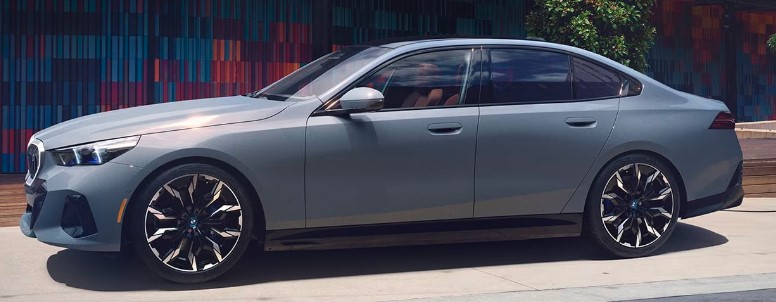
BMW i5 is a luxury, all-electric sedan that brings performance and advanced electric technology together. It has a sleek design with an illuminated grille, and razor sharp LED lights. The space is filled with a curved display, BMW’s iDrive 8.5 system, wireless smartphone integration, and customisable ambient lighting, making this a comfortable cabin for any journey.
The i5's electric drivetrain is powered by a dual motor and delivers 516 km of range, 592.73 bhp, and 795 Nm of torque. It hits the mark from 0 to 100 km/h in just 3.8 seconds. Additionally, the i5 is engineered for one thing: a rock-solid feel on the highway, with no fancy gimmicks getting in the way. If anyone is looking for an executive EV sedan that still feels like a 'proper' luxury car, this one deserves a serious look.
Key Specifications:
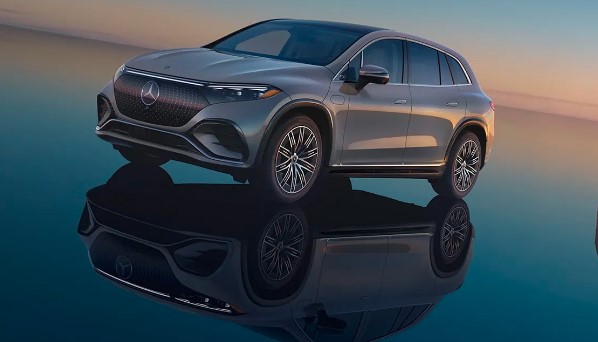
Despite being one of the costliest EVs in India, the Mercedes EQS 580 amazes everyone with its performance and style. Inside, the car resembles a spaceship with advanced technology, comfortable leather seats, a massive 56-inch MBUX hyperscreen, and a twin-screen rear entertainment system.
Despite being a heavy vehicle, the Mercedes EQS can accelerate from 0 to 100 km/h in 4-5 seconds. The Mercedes EQS 580 is available in the Indian market in different attractive colours - Graphite Grey, Sodalite Blue, Obsidian Black, Diamond White Bright, etc.
Key Specifications:
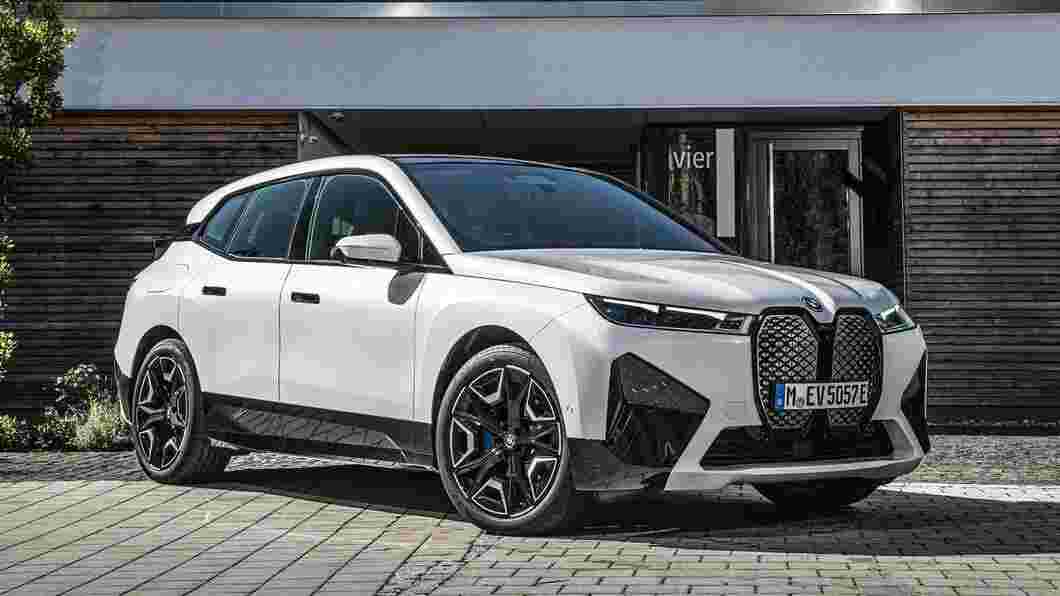
BMW's latest electric SUV, the iX, represents a symbol of innovation and prestige. A powerful propulsion system, engine, and battery pack can produce higher torque and power. Inside, it provides substantial space, comfort, and a stylish cabin. This well-rounded electric vehicle exemplifies the genuine essence of an electric car.
When it comes to dimensions, this car measures 4953 mm in length, 2230 mm in width, and has a wheelbase of 3014 mm. The BMW iX is available in different attractive colour options - Black Sapphire Metallic, Mineral White Metallic, Oxide Grey Metallic, Aventurin Red Metallic, Storm Bay Metallic, etc.
Key Specifications:
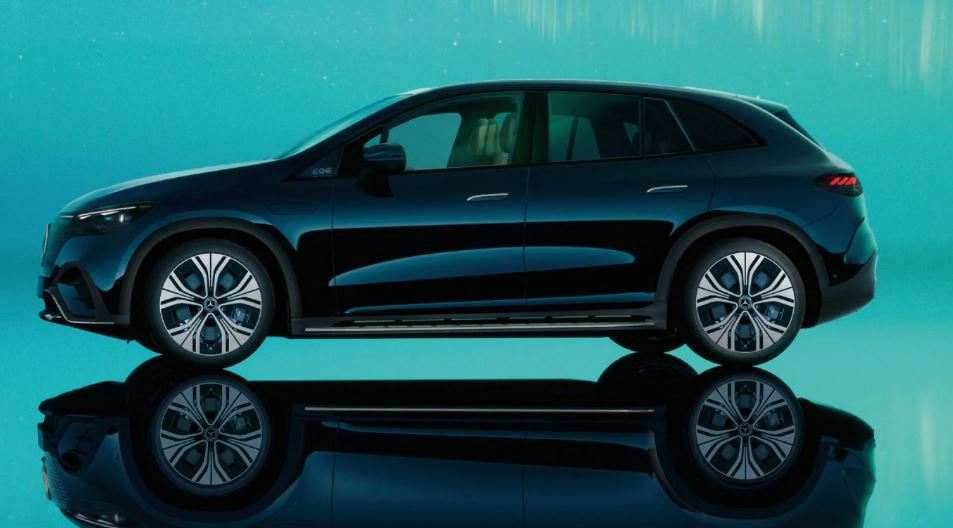
The Mercedes-Benz EQE SUV represents the brand’s commitment to electric mobility in India through luxury, performance, and sustainability. It has a sleek design and a spacious interior made with high-quality materials and the latest technology, making the drive comfortable.
The combination of a powerful electric drivetrain and a commendable driving range makes it ideal for city commutes and long distances. The EQE, as a five-seater, is practical for families and singletons alike.
Key Specifications:
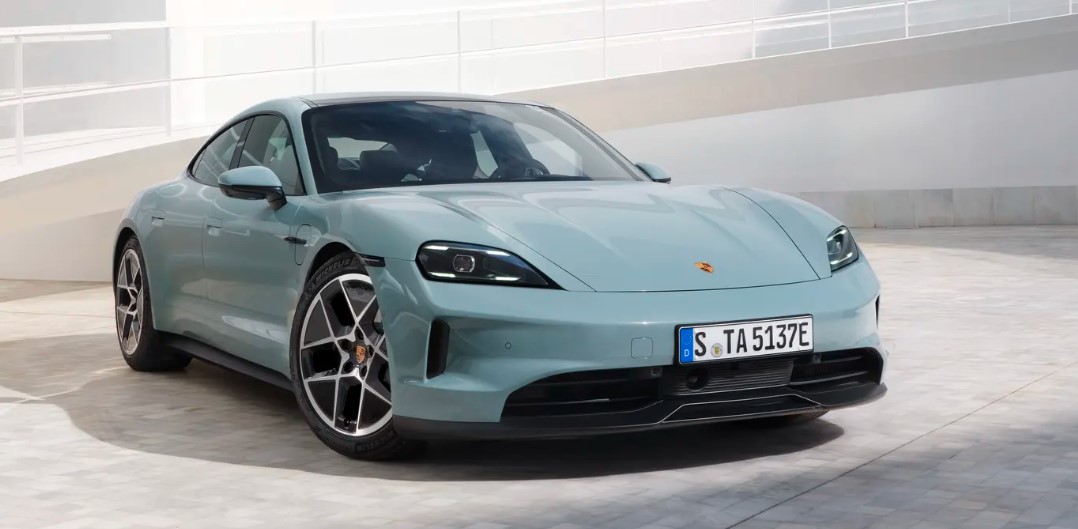
The Porsche Taycan is one of the most exciting luxury electric cars in India. Unlike most EVs that focus on efficiency or comfort, the Taycan takes a performance-first approach while still being elegant like a Porsche. The design is aerodynamic and purposeful, low stance, wide haunches and clean surfaces that give it a sports car presence.
The ride is firm but well-tuned to deliver stability rather than harshness. Inside the seating position, visibility and ergonomics are comfortable for both spirited driving and relaxed cruising. It’s not just an electric car that happens to be fast; it’s a sports car that happens to be electric. For buyers in India looking for a luxury EV that delivers driving engagement without compromising on quality or modern tech, the Taycan is one of the best.
Key Specifications:
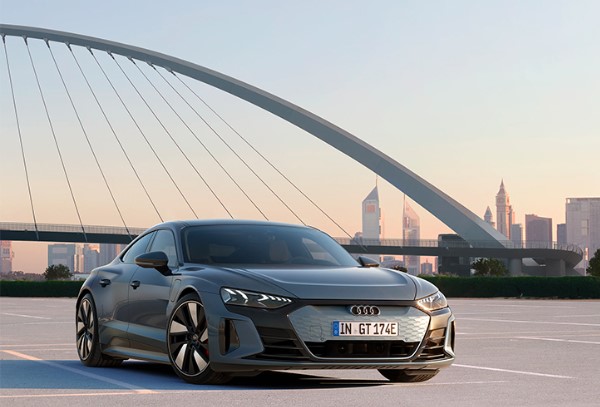
The Audi e-Tron GT brings a perfect combination of style, efficient performance, and a luxurious vibe. With its robust build and advanced technologies, this luxury sedan can go from 0-100 km/h in only 4-5 seconds. A sleek interior enables passengers to relish the experience of this car.
Besides, it has a powerful electric engine that provides an awesome driving range of 500 km with zero emissions. The Audi e-Tron GT is available in many colour choices - Ibis White, Suzuka Grey Metallic, Ascari Blue Metallic, Florett Silver Metallic, Daytona Grey Pearl, Mythos Black Metallic, Tactical Green Metallic, etc.
Key Specifications:
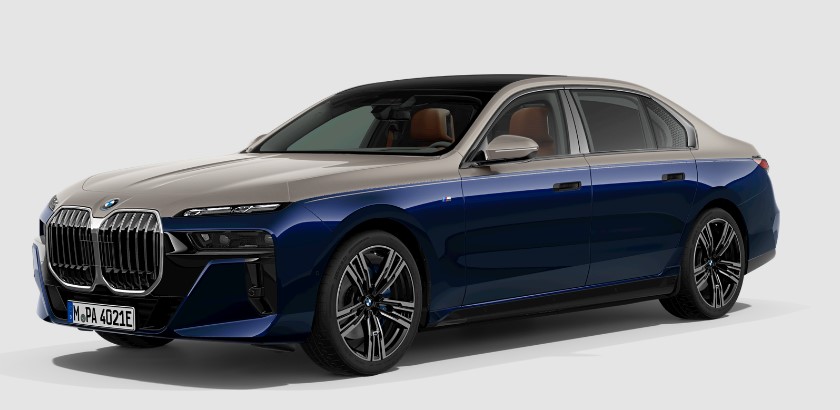
The BMW i7 is the electric version of the BMW 7-series, offering a luxurious driving experience. It has a limousine feel with a premium cabin, including a large touchscreen display, comfortable rear seats with massage function, and other high-end features.
The sedan offers a smooth ride with air suspension and other features, reaching 0-100 km/h in 4.7 seconds. The BMW i7 is available in the Indian market in different colour options - Brooklyn Grey Metallic, Black Sapphire Metallic, Carbon Black Metallic, Mineral White Metallic, Oxide Grey Metallic, etc.
Key Specifications:
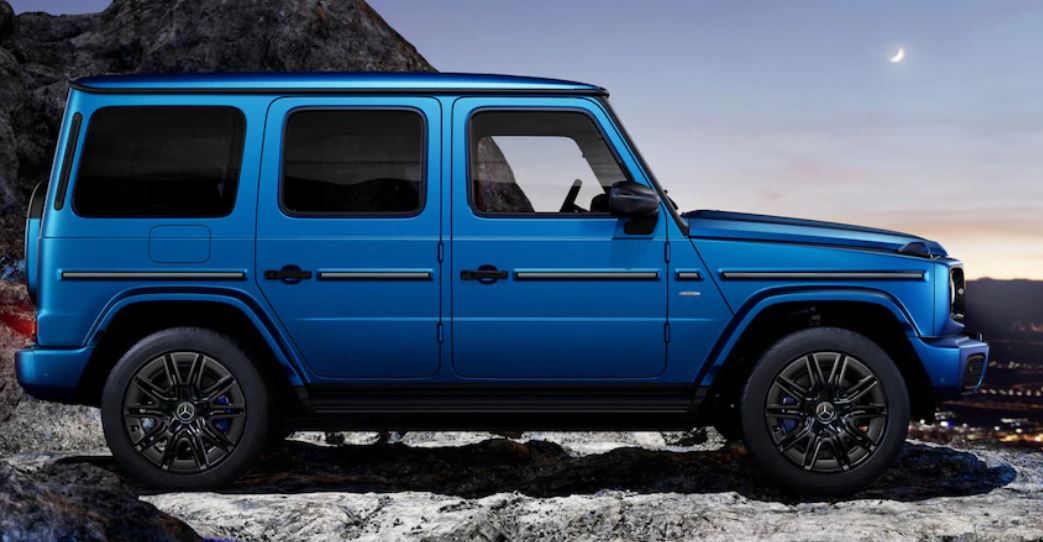
The Mercedes-Benz G580 is a luxurious and powerful SUV that combines iconic design with modern technology. It is part of the renowned G Class series, which retains off-road capabilities while providing a smooth drive. Its bold exterior offers a prominent grille, and LED lighting, making it stand out from the rest.
It has a robust engine that provides good performance. It also comes with additional features such as adaptive suspension, various driving modes, and all-wheel drive for optimised driving on different terrains. The G580 has a premium cabin, high-quality materials, a state-of-the-art infotainment system, and spacious seating for maximum comfort.
Key Specifications:
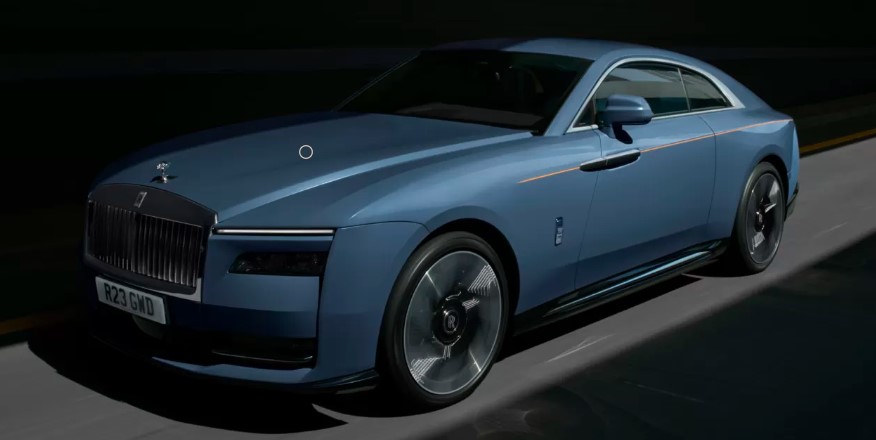
The Rolls-Royce Spectre is the ultimate luxury in electric vehicles. It’s not just a petrol to electric transition, it’s Rolls-Royce redefining what ultra-luxury feels like in a quieter, smoother world. From the outside, the Spectre has the unmistakable Rolls-Royce shape: long, curved lines, a big grille and presence that commands attention even when standing still.
The steering is light and precise, making the Spectre surprisingly easy to handle despite its size. Silence, refinement and seamless motion were always at the heart of Rolls-Royce, and electric architecture takes it to another level. For those who expect nothing but the best in a luxury EV, the Spectre sets a new standard in India’s ultra-luxury space.
Key Specifications: