
General
Life
Accessibility Options


General

General Products
Simple & Transparent! Policies that match all your insurance needs.
 Car Insurance
 Two Wheeler Insurance
 Commercial Vehicle Insurance
 Health Insurance
 Home Insurance
 Travel Insurance
 Business Insurance
Car Insurance
Two Wheeler Insurance
Commercial Vehicle Insurance
Health Insurance
Travel Insurance
Business Insurance
Car Insurance
Two Wheeler Insurance
Commercial Vehicle Insurance
Health Insurance
Travel Insurance



Scan to download

Life

Life Products
Digit Life is here! To help you save & secure your loved ones' future in the most simplified way.
 Term Life
 Savings Plan
 Retirement and Pension Plans
 Group Life Products
 Product Documents
Term Life
Savings Plan
Retirement and Pension Plans
Group Life Products
Product Documents
Term Life
Savings Plan
Retirement and Pension Plans
Group Life Products

Scan to download

Claims

Claims
We'll be there! Whenever and however you'll need us.
 Customer Support
 Motor Claims
Health Claims
Motor Claims
Health Claims
 Marine Insurance
 Grievance Redressal
Customer Support
Motor Claims
Health Claims
Marine Insurance
Grievance Redressal
Grievance Redressal
Customer Support
Motor Claims
Health Claims
Marine Insurance
Grievance Redressal

Scan to download
 General
 Life
General
Life
Life
General
Life
Renewals
Resources

Resources
All the more reasons to feel the Digit simplicity in your life!
Exclusive Features
 Transparency Report
Others
Exclusive Features
Transparency Report
Transparency Report
Others
Exclusive Features
Transparency Report

Scan to download


Our WhatsApp number cannot be used for calls. This is a chat only number.

 Grey Scale
 Readable Text
 Reset
Reset




10000+ Cashless Garages
1.5 Cr+ Policies Sold


Check Price
Car insurance Online, Up to 90% Discount
It's a Brand New Car
Electric vehicles (EVs) are vehicles that use one or more electric motors for propulsion. Depending on how they generate and store energy, EVs are classified into different categories, including Battery Electric Vehicles (BEVs), Hybrid Electric Vehicles (HEVs), Plug-in Hybrid Electric Vehicles (PHEVs), and Fuel Cell Electric Vehicles (FCEVs).
Each type offers a different balance of driving range, charging requirements, fuel efficiency, and environmental impact. Understanding these differences can help buyers choose the right EV based on their budget, driving habits, and charging accessibility.
Additionally, if you own an electric vehicle in India, having electric car insurance is mandatory under the Motor Vehicles Act of 1988. It helps protect against accidents, theft, and third-party liabilities while helping you avoid traffic fines and legal penalties.
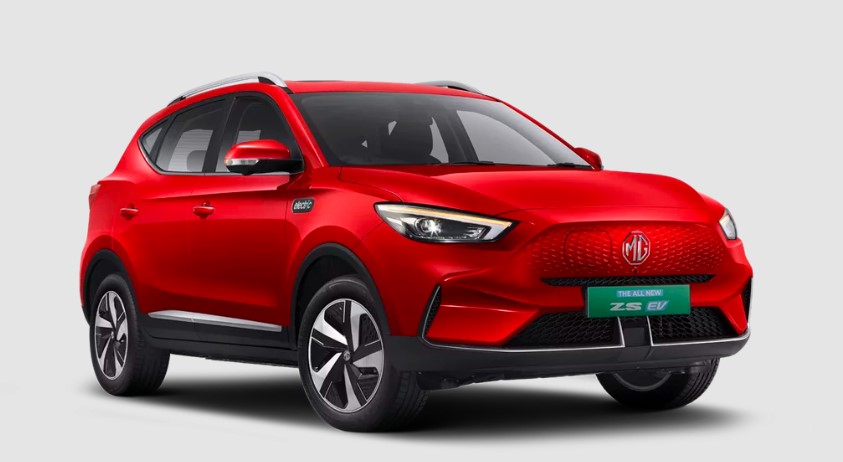
Commonly known as All-Electric Vehicles, this type of electric vehicle runs on electricity stored in a battery. Users need to charge it by plugging the car into the electric grid. The fully-charged battery propels the electric motors to start the vehicle. As a result, this EV emits zero pollution.
The main components in operating the mechanism of this EV type are – battery, electric motor, control module, drive train, inverter.
The power to drive an electric motor converts to an AC battery from DC. As soon as the accelerator is applied, a signal is transmitted to a controller. The latter adjusts the vehicle's speed by changing AC power's frequency from the inverter to the motor. The electric motor connects and pivots wheels through a cog. When a driver applies a brake, or an EV decelerates, the electric motor turns into an alternator releases the power, which transmits again to the battery.
Vehicles Under BEV Category:
These are all pure electric vehicles that rely entirely on battery power and external charging.
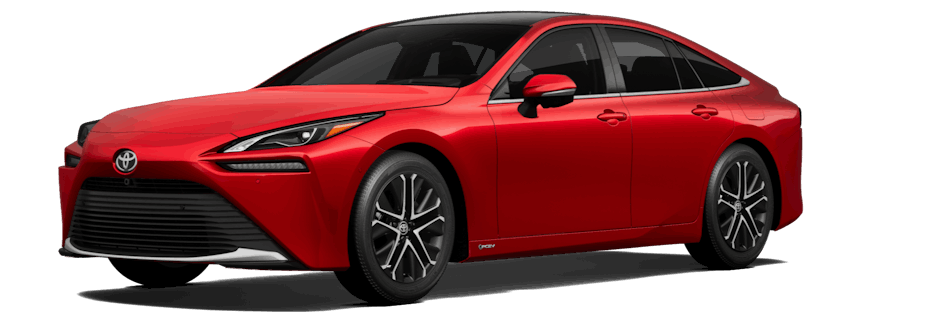
These EVs are also identified as Zero-Emission Vehicles. The components that work in tandem to operate FCEVs are: fuel cell stack, storage tank for hydrogen, electric motor, battery coupled with controller and convertor.
This type of EV car uses 'fuel cell technology' to produce electricity to drive the vehicle, where the fuel's chemical energy is turned to electric power. Unlike BEV, it does not require charging from an external electric grid.
Vehicles Under FCEV Category:
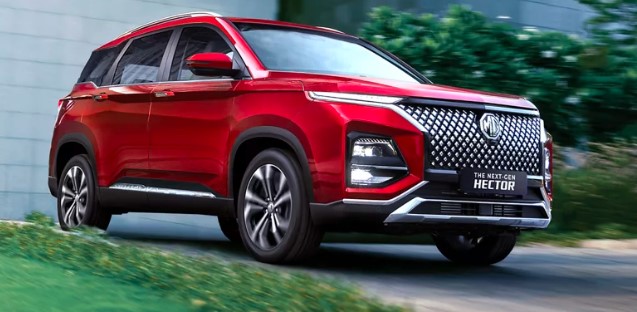
Hybrid Electric Motor is also known as parallel or standard hybrid. It features an electric motor and engine. The vehicle components involved in the working mechanism of this EV are – Battery with inverter and controller, electric motor, engine, control module and fuel tank.
The fuel tank powers the engine, and the battery transmits electricity to the electric motor. The electric motor and engine rotate the transmission simultaneously, which move the vehicle's wheels.
Vehicles Under HEV Category:
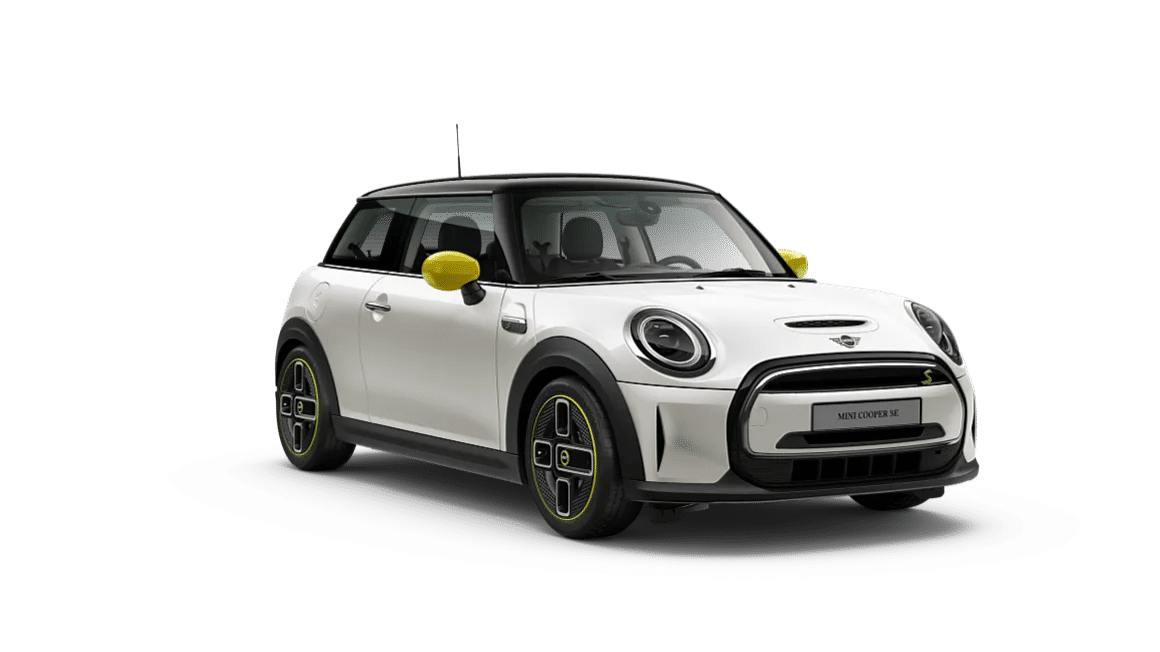
This is one of the types of electric cars, which is powered by an electric motor and engine. Drivers can drive this EV type in two different modes –
The components that operate together to drive the PHEV are – engine, electric motor, battery, fuel tank, inverter, battery charger (in case of onboard models) and control module.
This vehicle operates on electricity till the charge in the battery gets depleted. When the battery charge finishes, the engine starts functioning, and it works as a non-plug-in hybrid.
Users can charge this vehicle by plugging it into an external electric grid, alternatively via regenerative braking. When drivers apply brakes, the electric motor utilises energy to charge the battery pack. The engine acts as a supplement to an engine, and due to the use of small engines, it maximises driving performance and optimise fuel efficiency.
Vehicles Under PHEV Category:
These are more relevant examples than Chevy Volt and Ford C-Max Energi for a 2026 audience.





