General
Life
Accessibility Options


General

General Products
Simple & Transparent! Policies that match all your insurance needs.
 Car Insurance
 Two Wheeler Insurance
 Commercial Vehicle Insurance
 Health Insurance
 Home Insurance
 Travel Insurance
 Business Insurance
Car Insurance
Two Wheeler Insurance
Commercial Vehicle Insurance
Health Insurance
Travel Insurance
Business Insurance
Car Insurance
Two Wheeler Insurance
Commercial Vehicle Insurance
Health Insurance
Travel Insurance



Scan to download

Life

Life Products
Digit Life is here! To help you save & secure your loved ones' future in the most simplified way.
 Term Life
 Savings Plan
 Retirement and Pension Plans
 Group Life Products
 Product Documents
Term Life
Savings Plan
Retirement and Pension Plans
Group Life Products
Product Documents
Term Life
Savings Plan
Retirement and Pension Plans
Group Life Products

Scan to download

Claims

Claims
We'll be there! Whenever and however you'll need us.
 Customer Support
 Motor Claims
Health Claims
Motor Claims
Health Claims
 Marine Insurance
 Grievance Redressal
Customer Support
Motor Claims
Health Claims
Marine Insurance
Grievance Redressal
Grievance Redressal
Customer Support
Motor Claims
Health Claims
Marine Insurance
Grievance Redressal

Scan to download
 General
 Life
General
Life
Life
General
Life
Renewals
Resources

Resources
All the more reasons to feel the Digit simplicity in your life!
Exclusive Features
 Transparency Report
Others
Exclusive Features
Transparency Report
Transparency Report
Others
Exclusive Features
Transparency Report

Scan to download


Our WhatsApp number cannot be used for calls. This is a chat only number.

 Grey Scale
 Readable Text
 Reset
Reset




8 Crore+ Customers

Affordable Premium


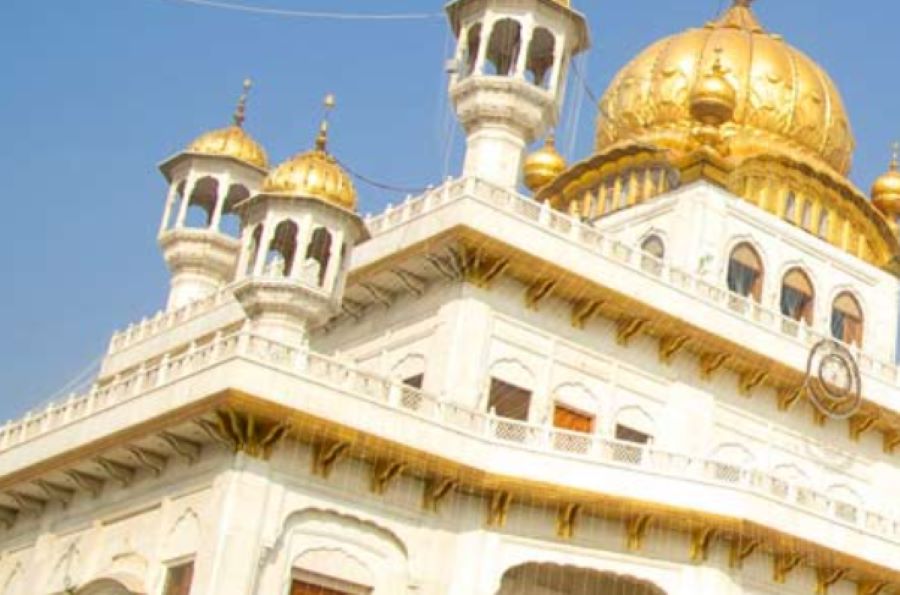
India is home to some of the most revered sites in Sikhism, known as the Panj Takhts or the Five Seats of Authority. These Takhts hold immense religious significance for Sikhs worldwide, representing the temporal and spiritual authority of Sikhism.
Pilgrimage to these sacred sites, known as Panj Takht Darshan, is a vital part of Sikh religious practice, offering devotees the opportunity to pay homage to the Sikh Gurus and seek spiritual enlightenment.
Explore the spiritual sanctuaries revered by Sikh devotees across India as we delve into the list of 5 Popular Panj Takhts:
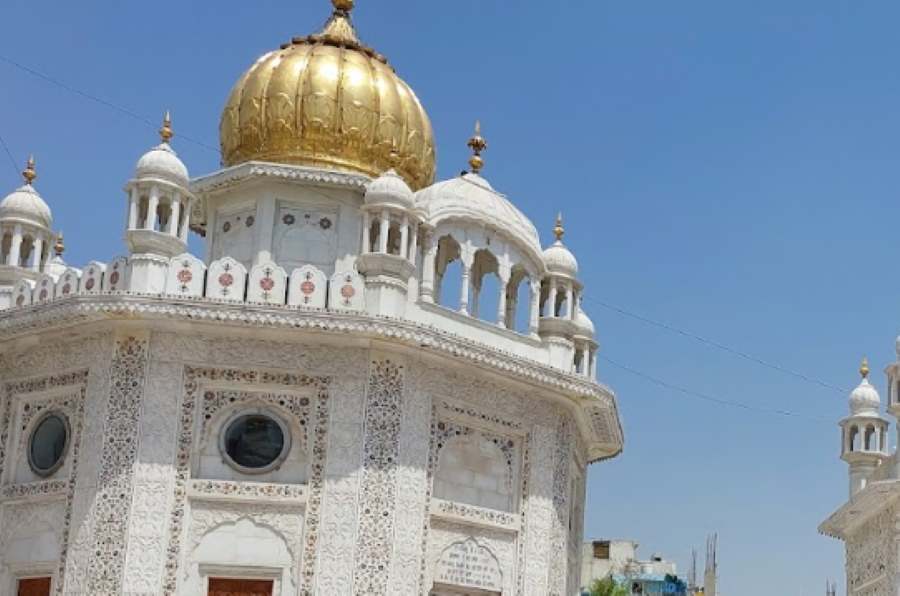
Akal Takht Sahib, located within the premises of the Golden Temple in Amritsar, is one of the most revered Sikh pilgrimage sites. It serves as the highest temporal seat of Sikh authority, where important decisions concerning Sikhism are deliberated upon. The Akal Takht stands as a symbol of justice, equality, and Sikh sovereignty.
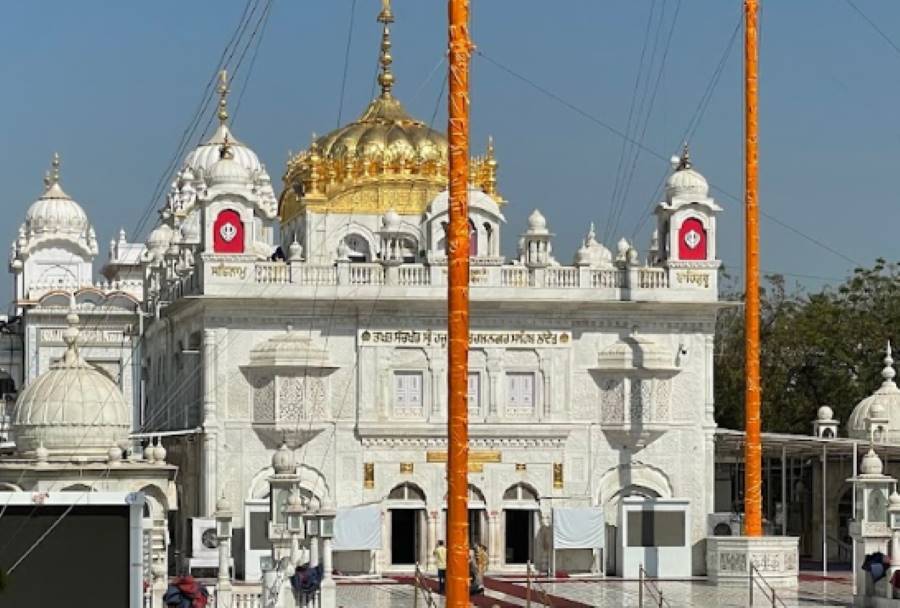
Takht Sachkhand Sri Hazur Sahib, situated in Nanded, Maharashtra, holds immense significance as the final resting place of Guru Gobind Singh Ji, the tenth Sikh Guru. It is revered as one of the holiest Sikh shrines. Its complex comprises the main shrine, known as Sachkhand, and various other historical buildings.
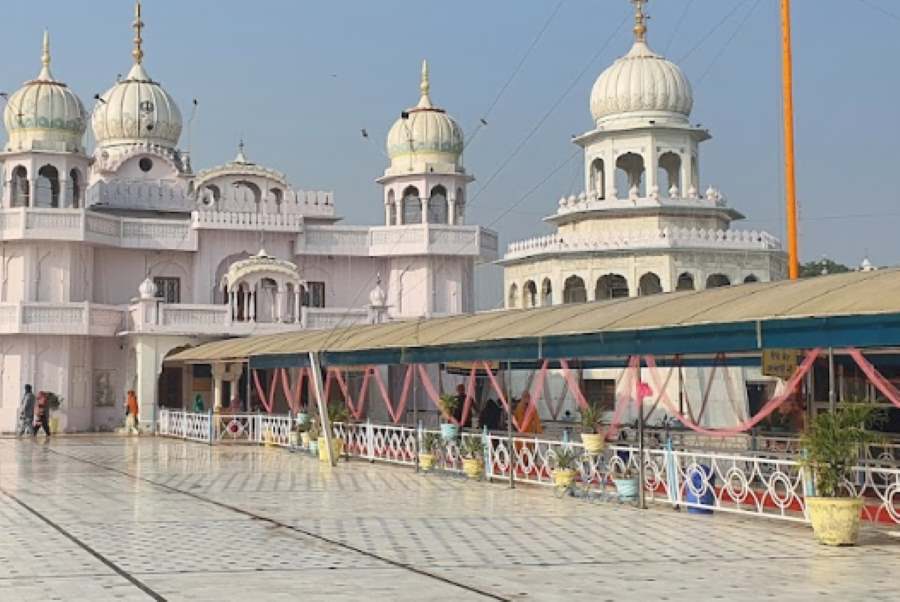
Takht Shri Damdama Sahib, located in Talwandi Sabo, Punjab, commemorates the visit of Guru Gobind Singh Ji and Guru Tegh Bahadur Ji. It holds historical significance as Guru Gobind Singh Ji finalised the compilation of the Guru Granth Sahib here. The Gurudwara houses several shrines and a sarovar called Gurusar.
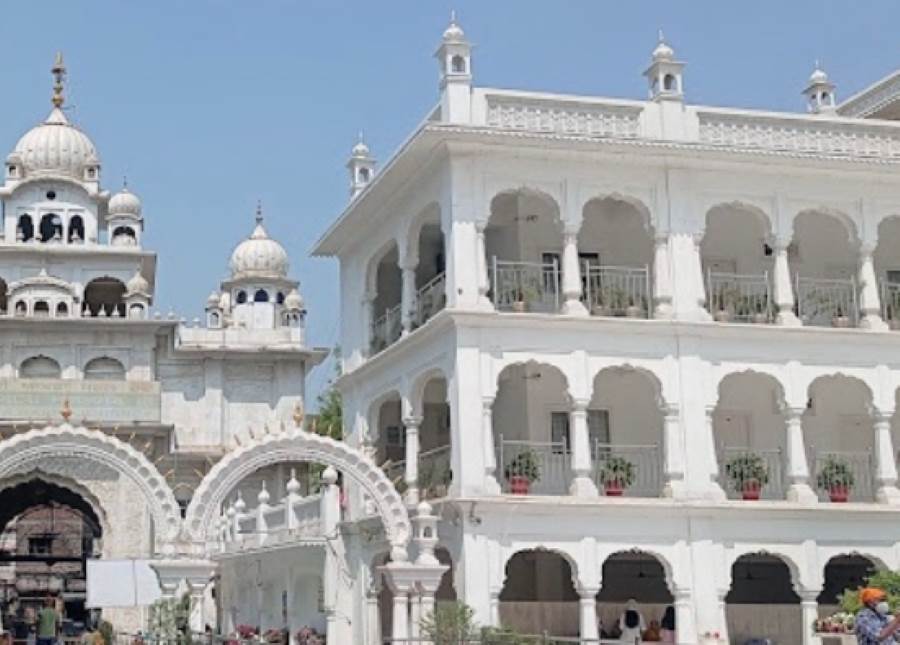
Takht Shri Harimandir Ji Patna Sahib, located in Patna, Bihar, is revered as the birthplace of Guru Gobind Singh Ji, the tenth Sikh Guru. The Gurudwara complex comprises the main shrine, known as Patna Sahib, along with several other historical buildings and a sarovar. It holds significant historical and religious importance.
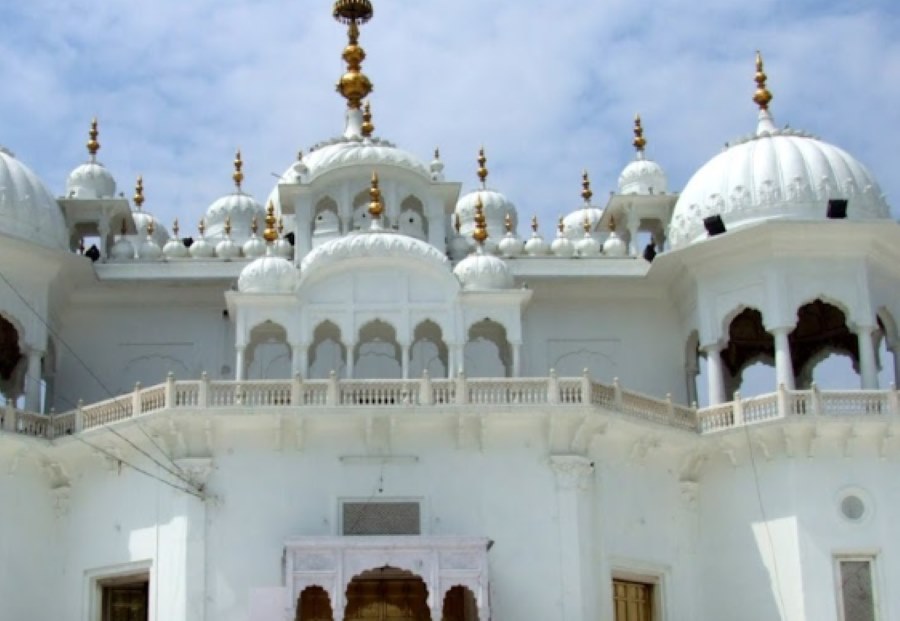
Takht Shri Kesgarh Sahib Ji, situated in Anandpur Sahib, Punjab, is where Guru Gobind Singh Ji established the Khalsa Panth in 1699. The Gurudwara stands at the site where the initiation ceremony of the Khalsa took place, known as the Amrit Sanchar. It holds immense history, symbolising the birth of the Khalsa brotherhood.
Know more about:
Embarking on a pilgrimage to the Panj Takhts in India offers devotees a profound spiritual experience and a deeper connection to Sikh heritage. Each Takht holds its unique significance and history, enriching the journey of Sikhs and spiritual seekers alike. Visiting these sacred sites not only strengthens one's faith but also fosters unity and brotherhood among the Sikh community worldwide.
Protect What Matters - Explore Other Insurance Options