General
Life
Accessibility Options


General

General Products
Simple & Transparent! Policies that match all your insurance needs.
 Car Insurance
 Two Wheeler Insurance
 Commercial Vehicle Insurance
 Health Insurance
 Home Insurance
 Travel Insurance
 Business Insurance
Car Insurance
Two Wheeler Insurance
Commercial Vehicle Insurance
Health Insurance
Travel Insurance
Business Insurance
Car Insurance
Two Wheeler Insurance
Commercial Vehicle Insurance
Health Insurance
Travel Insurance



Scan to download

Life

Life Products
Digit Life is here! To help you save & secure your loved ones' future in the most simplified way.
 Term Life
 Savings Plan
 Retirement and Pension Plans
 Group Life Products
 Product Documents
Term Life
Savings Plan
Retirement and Pension Plans
Group Life Products
Product Documents
Term Life
Savings Plan
Retirement and Pension Plans
Group Life Products

Scan to download

Claims

Claims
We'll be there! Whenever and however you'll need us.
 Customer Support
 Motor Claims
Health Claims
Motor Claims
Health Claims
 Marine Insurance
 Grievance Redressal
Customer Support
Motor Claims
Health Claims
Marine Insurance
Grievance Redressal
Grievance Redressal
Customer Support
Motor Claims
Health Claims
Marine Insurance
Grievance Redressal

Scan to download
 General
 Life
General
Life
Life
General
Life
Renewals
Resources

Resources
All the more reasons to feel the Digit simplicity in your life!
Exclusive Features
 Transparency Report
Others
Exclusive Features
Transparency Report
Transparency Report
Others
Exclusive Features
Transparency Report

Scan to download


Our WhatsApp number cannot be used for calls. This is a chat only number.

 Grey Scale
 Readable Text
 Reset
Reset




8 Crore+ Customers

Affordable Premium


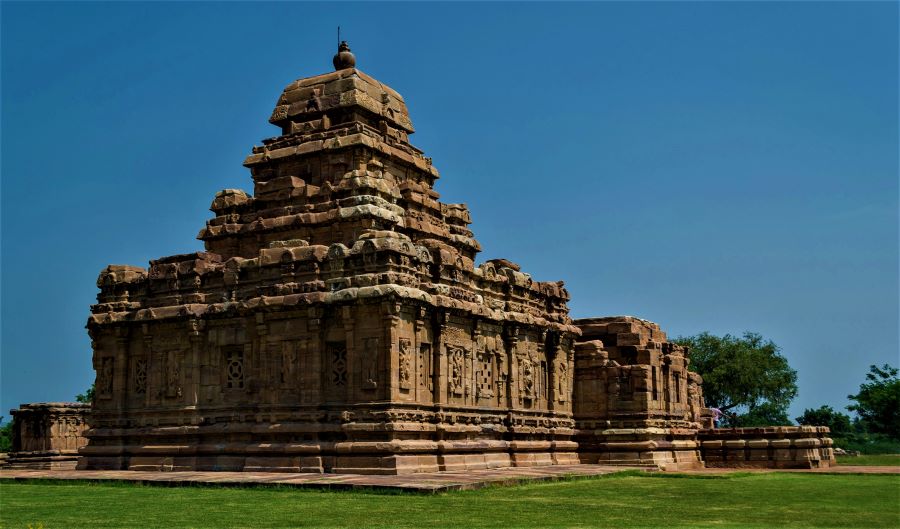
India has deep spiritual traditions and a wealth of diverse cultures. You can take a life-changing trip to explore its spiritual treasures, where historic temples and hallowed terrain will give you an insight into the nation's rich spiritual history.
Know more about:
Explore the 9 famous Spiritual Places in India, each with its unique charm and significance:
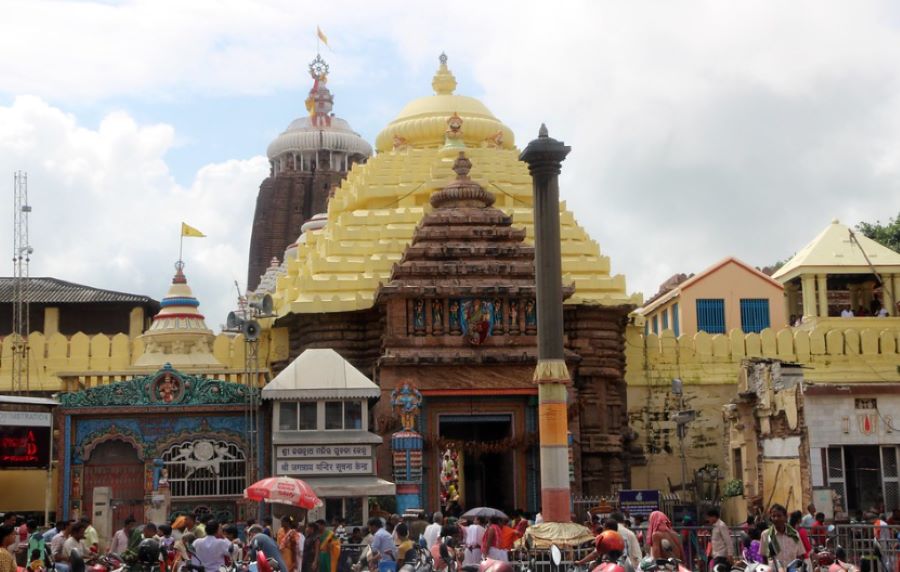
Renowned for its annual June Rath Yatra Festival, the Jagannath Temple in Puri is one of India's most significant Hindu pilgrimage sites. Pilgrims from throughout the nation come here to invoke divine blessings and awaken their spiritual sensibilities.
Know more about:
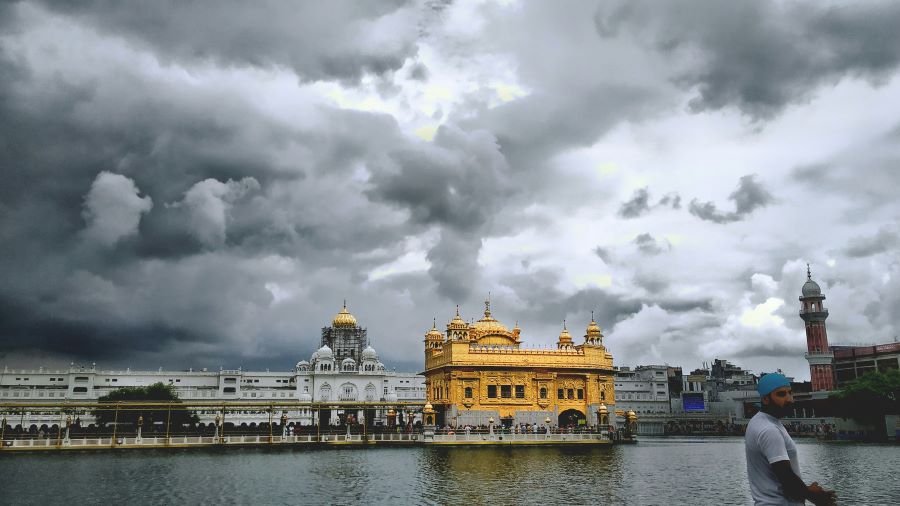
For Sikhs, the Golden Temple is the most significant place of worship. People of all faiths and beliefs, excluding Sikhs, visit this location to experience its spiritual aura. The main shrine is composed of real gold, and the area surrounding the temple exudes positivity.
Know more about:
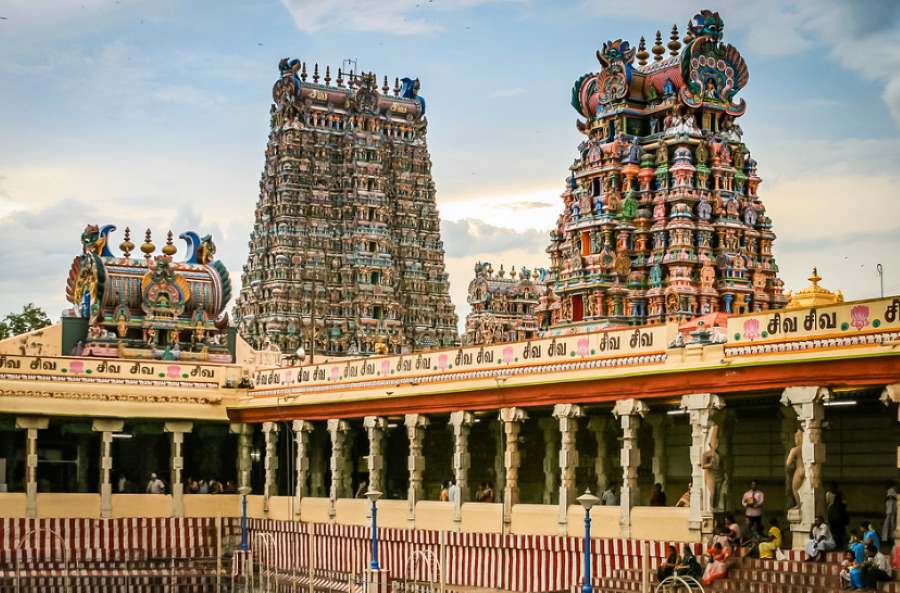
The temple is devoted to Lord Shiva and Goddess Parvati. It is thought that after completing their puja at the temple, maidens will receive an answer to their prayers for marriage if they apply vermilion to their forehead.
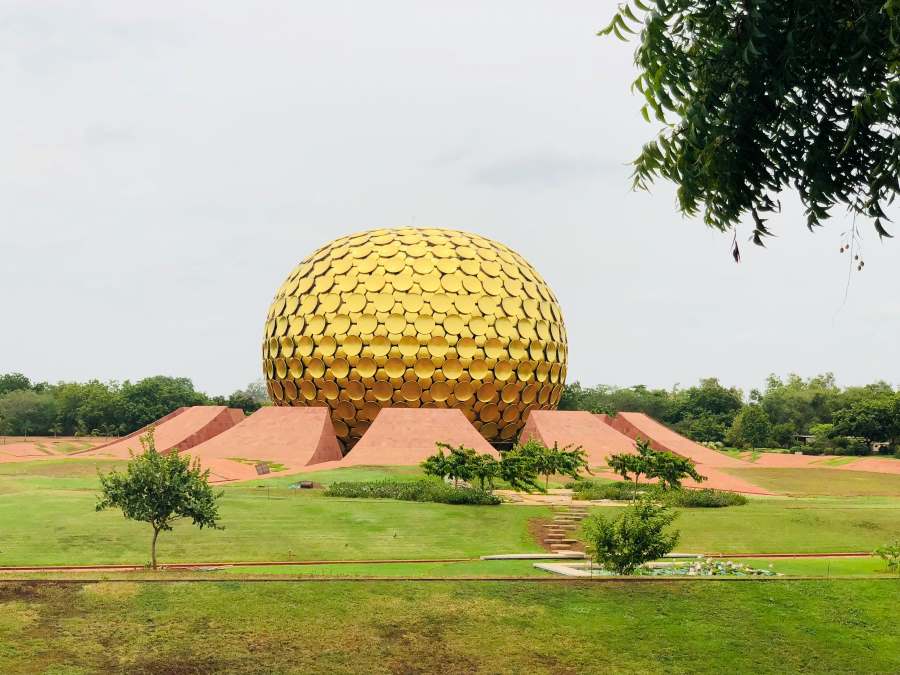
Its lack of dedication to any specific faith or community reflects India's diversity of culture. The primary spiritual hub is a golden dome where you can meditate or just sit peacefully among other believers and take in the atmosphere of spirituality.
Read more about:
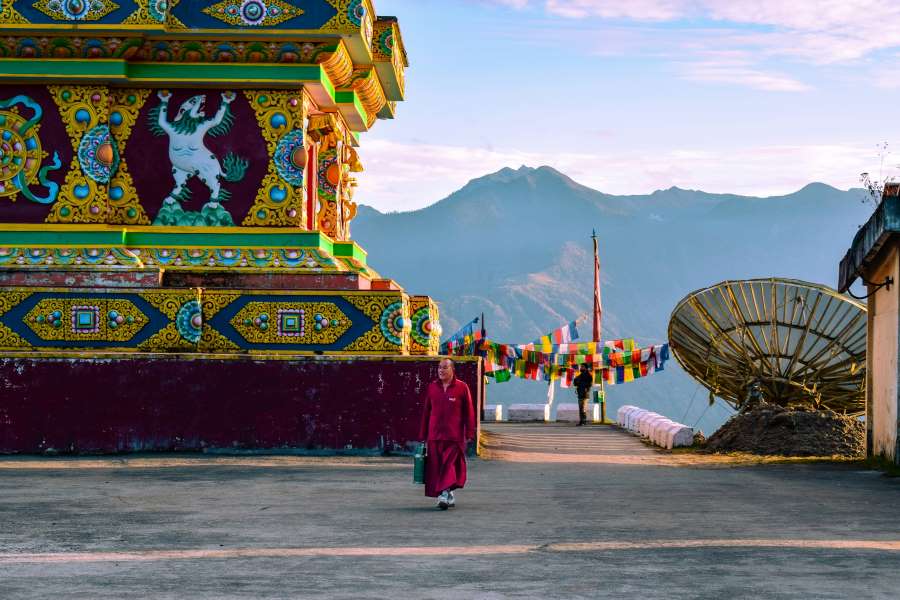
The Tawang Monastery, the largest Buddhist monastery in India and the second-largest in the world, draws tourists from all over the country and the world who come to discover Buddhist ideals and ways of life, find serenity, and reawaken their spirituality.
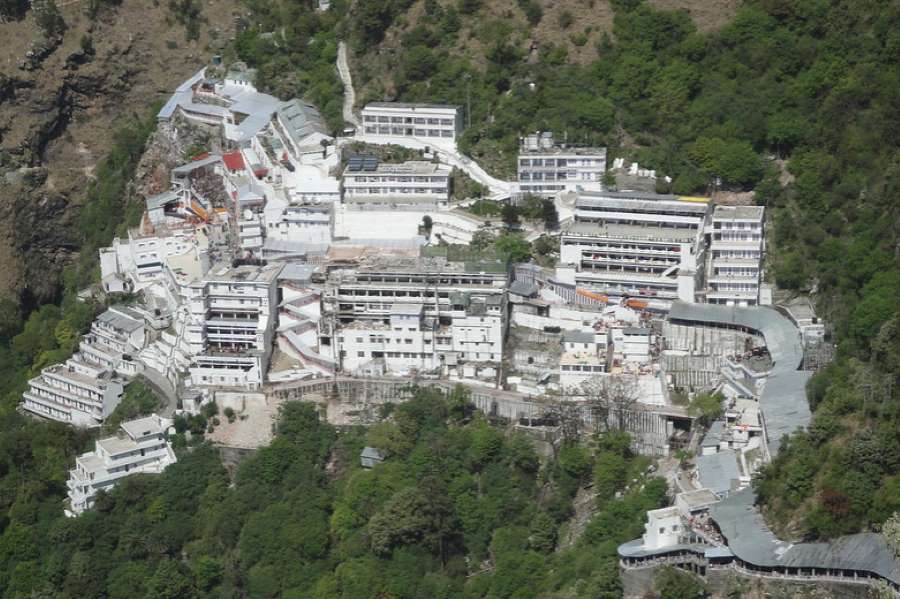
The sacred shrine of Goddess Vaishno Devi is a must-visit if you are searching for your spirituality. It is thought that the spiritual prowess of the goddesses Mahalakshmi, Saraswati, and Mahakali manifests as the goddess Vaishnavi.
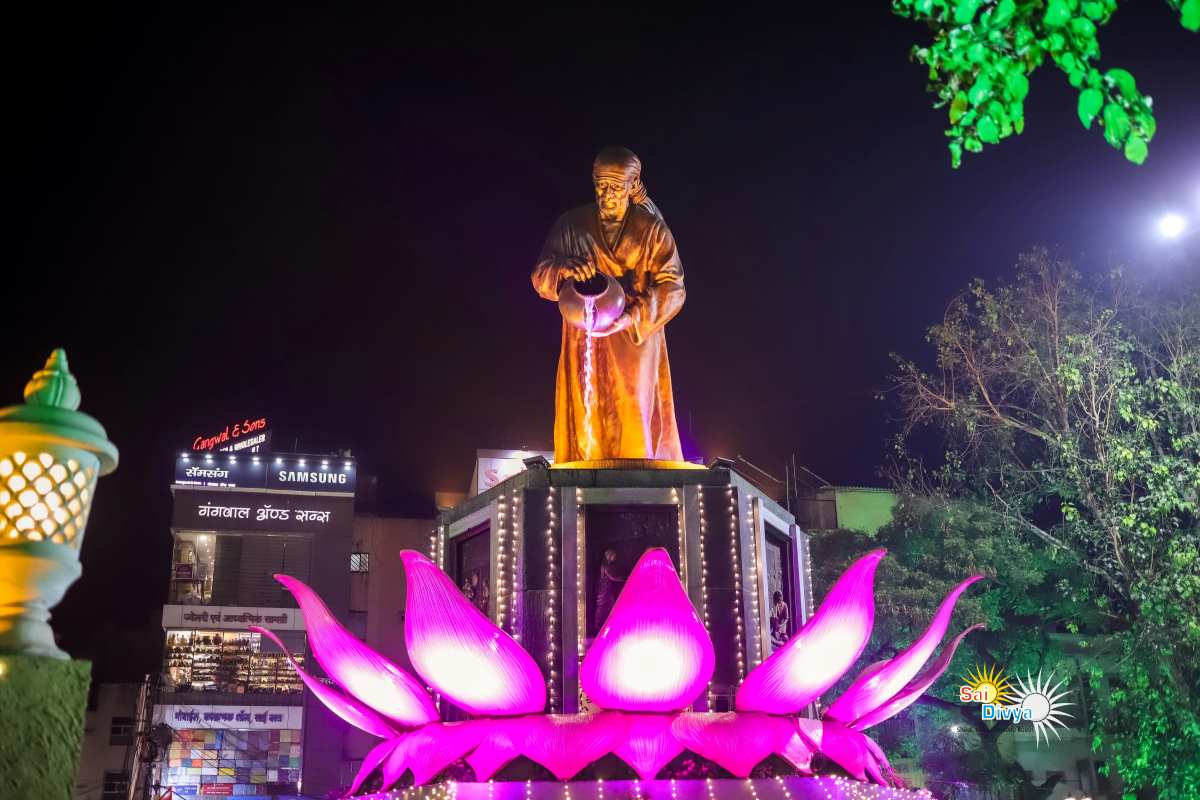
One of India's most spiritual locations, the Shirdi temple is frequented by people of all castes, religions, and creeds. Thousands of pilgrims and visitors from all over India travel to Shirdi to obtain the holy saint's blessings.
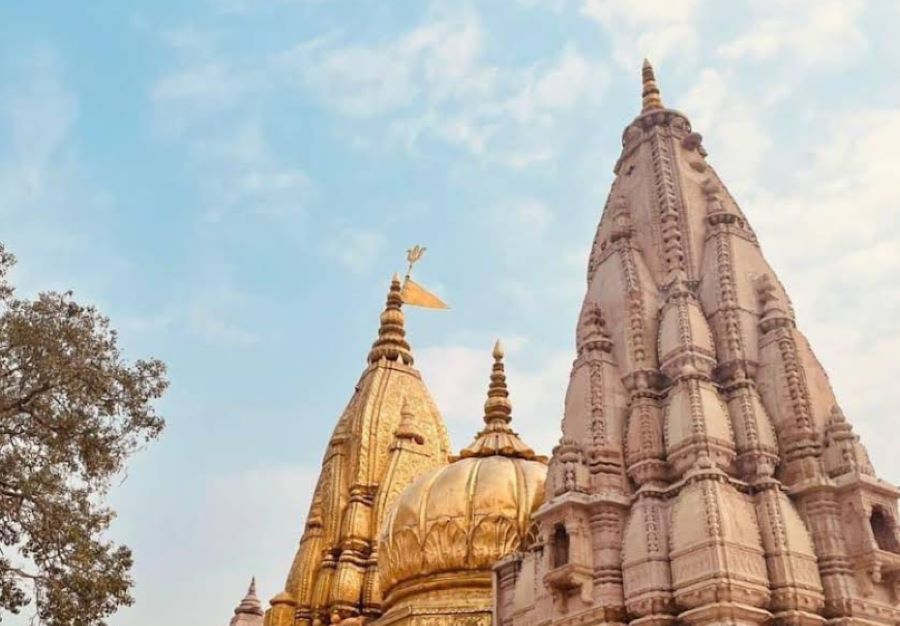
It is said that going to Kashi Vishwanath temple can result in benefits, spiritual elevation, and freedom from the cycle of life and death. In addition, the temple represents spirituality, dedication, and cultural legacy.
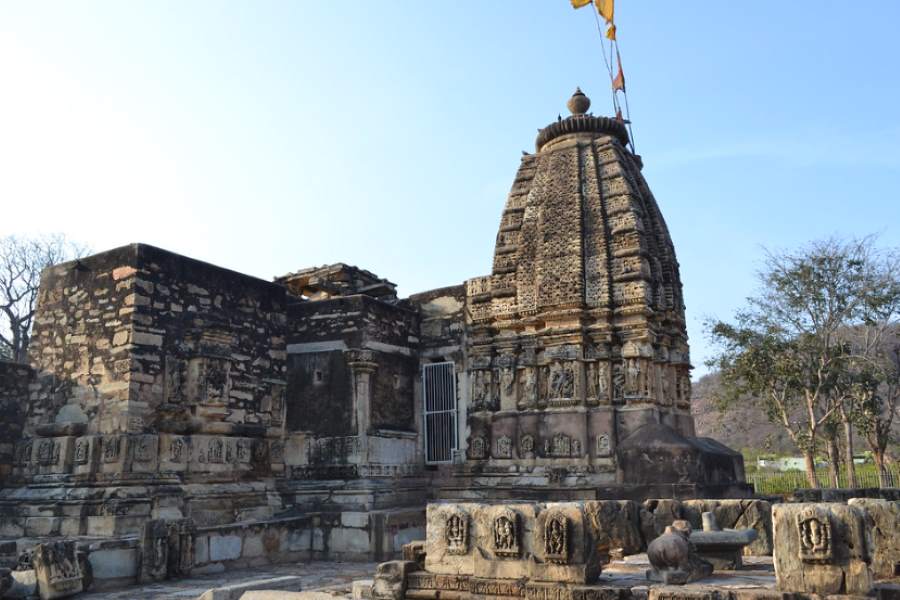
It is connected to the mythological act of Lord Shiva consuming poison, representing the victory of good over evil. The temple is also seen as a fortunate location to make prayers for the well-being of loved ones and to ask for pardon for transgressions.
In conclusion, the famous spiritual places in India serve as not only centres of worship but also as repositories of wisdom, peace, and spirituality, embodying the country's diverse and inclusive spiritual ethos. They continue to inspire, uplift, and unite people from different backgrounds, fostering a deeper understanding and appreciation of India's spiritual legacy.
Protect What Matters - Explore Other Insurance Options
Spiritual places in India are unique due to their historical, cultural, and religious significance. They often blend ancient traditions with architectural marvels, natural beauty, and a sense of sacredness that transcends time.
India boasts countless spiritual places, from ancient temples, mosques, and churches to natural landmarks and pilgrimage sites. The exact number is difficult to quantify due to each place's diversity and significance.
India's spiritual places represent various religions, including Hinduism, Buddhism, Jainism, Sikhism, Islam, Christianity, and others. Each religion has its sacred sites that hold deep significance for its followers.
Jagannath Temple, Golden Temple, Meenakshi Amman Temple, Auroville, Puducherry, Tawang Monastery.
Yes, visitors are expected to show respect and reverence when visiting spiritual places in India. This may include removing shoes before entering certain temples, covering one's head, refraining from photography in sacred areas, and maintaining a quiet demeanour not to disturb worshippers.
Yes, India is renowned for being a philosophical and spiritual country. The nation has been shaped by ancient religions, including Buddhism, Jainism, and Hinduism. Other significant religions that have developed subsequently in India include Sikhism, Islam, Christianity, and Judaism.
Major world faiths like Buddhism, Sikhism, Jainism, and Hinduism all originated in India. In addition, there is a sizable Muslim community in India, along with little Zoroastrian, Christian, and Jewish minorities.
Kerala is known as "God's Own Country" due to its pristine natural surroundings and undiscovered locales. The state motto is displayed on signposts and bumper stickers.