General
Life
Accessibility Options


General

General Products
Simple & Transparent! Policies that match all your insurance needs.
 Car Insurance
 Two Wheeler Insurance
 Commercial Vehicle Insurance
 Health Insurance
 Home Insurance
 Travel Insurance
 Business Insurance
Car Insurance
Two Wheeler Insurance
Commercial Vehicle Insurance
Health Insurance
Travel Insurance
Business Insurance
Car Insurance
Two Wheeler Insurance
Commercial Vehicle Insurance
Health Insurance
Travel Insurance



Scan to download

Life

Life Products
Digit Life is here! To help you save & secure your loved ones' future in the most simplified way.
 Term Life
 Savings Plan
 Retirement and Pension Plans
 Group Life Products
 Product Documents
Term Life
Savings Plan
Retirement and Pension Plans
Group Life Products
Product Documents
Term Life
Savings Plan
Retirement and Pension Plans
Group Life Products

Scan to download

Claims

Claims
We'll be there! Whenever and however you'll need us.
 Customer Support
 Motor Claims
Health Claims
Motor Claims
Health Claims
 Marine Insurance
 Grievance Redressal
Customer Support
Motor Claims
Health Claims
Marine Insurance
Grievance Redressal
Grievance Redressal
Customer Support
Motor Claims
Health Claims
Marine Insurance
Grievance Redressal

Scan to download
 General
 Life
General
Life
Life
General
Life
Renewals
Resources

Resources
All the more reasons to feel the Digit simplicity in your life!
Exclusive Features
 Transparency Report
Others
Exclusive Features
Transparency Report
Transparency Report
Others
Exclusive Features
Transparency Report

Scan to download


Our WhatsApp number cannot be used for calls. This is a chat only number.

 Grey Scale
 Readable Text
 Reset
Reset




8 Crore+ Customers

Affordable Premium


India, a land steeped in spiritual traditions, boasts magnificent temples that serve as centres of devotion and prosperity. These temples are not just places of worship, but also repositories of immense wealth, collected over centuries through donations from devotees.
These richest temples in India have their own architectural marvels, spiritual significance, and treasures that attract tourists from far.
Read more about:
Explore the divine allure of these Richest Temples through these top 10 temples; here are those 10 temples:
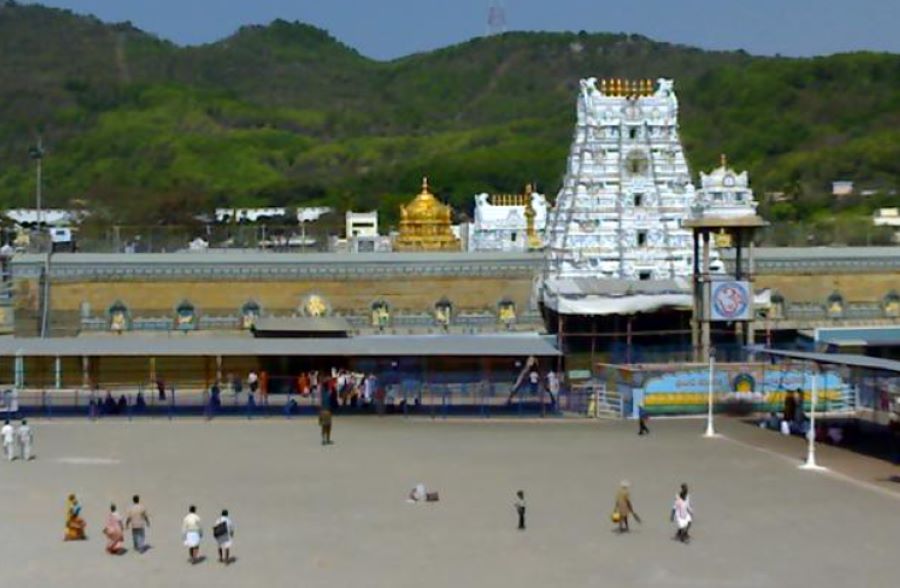
The Abode of Lord Venkateswara, the Tirumala Tirupati Venkateswara Temple, is the most visited pilgrimage site in the world. The temple boasts a staggering collection, primarily through offerings made by devotees seeking blessings and fulfilling vows.
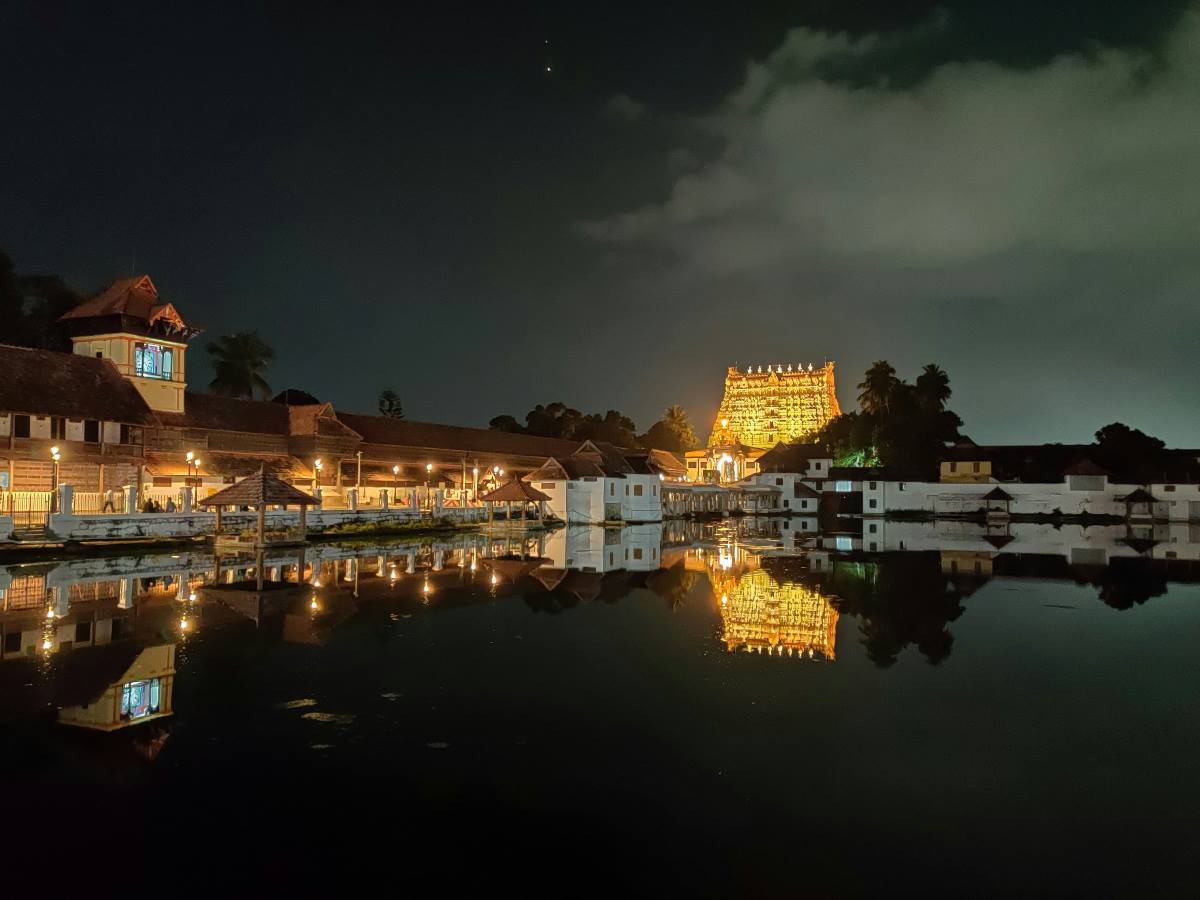
Enshrined within the opulent walls of the Sri Padmanabhaswamy Temple lies the enigmatic reclining form of Lord Vishnu. Renowned for its subterranean vaults containing legendary treasures, the temple is the richest place of worship in the world.
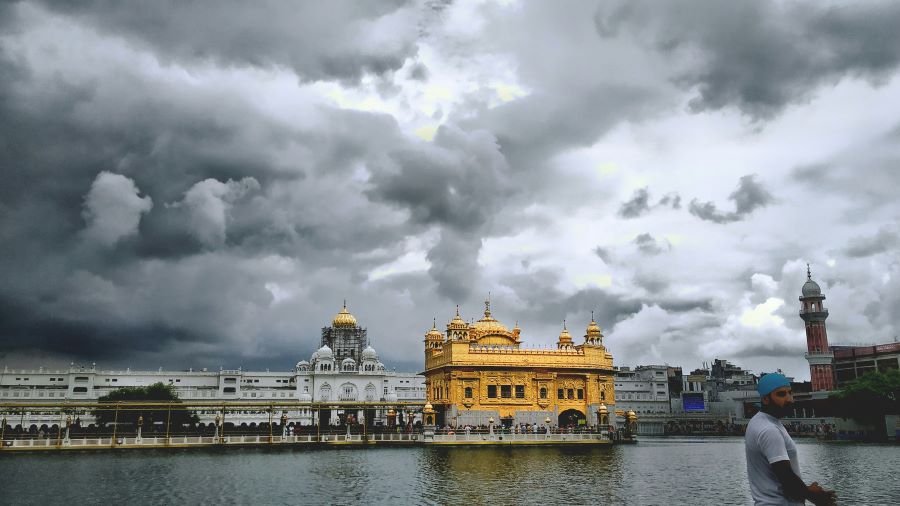
The Harmandir Sahib, also known as the Golden Temple, located in Amritsar, Punjab, is the spiritual heart of Sikhism. This magnificent gold-plated edifice attracts devotees worldwide who immerse themselves in spirituality.
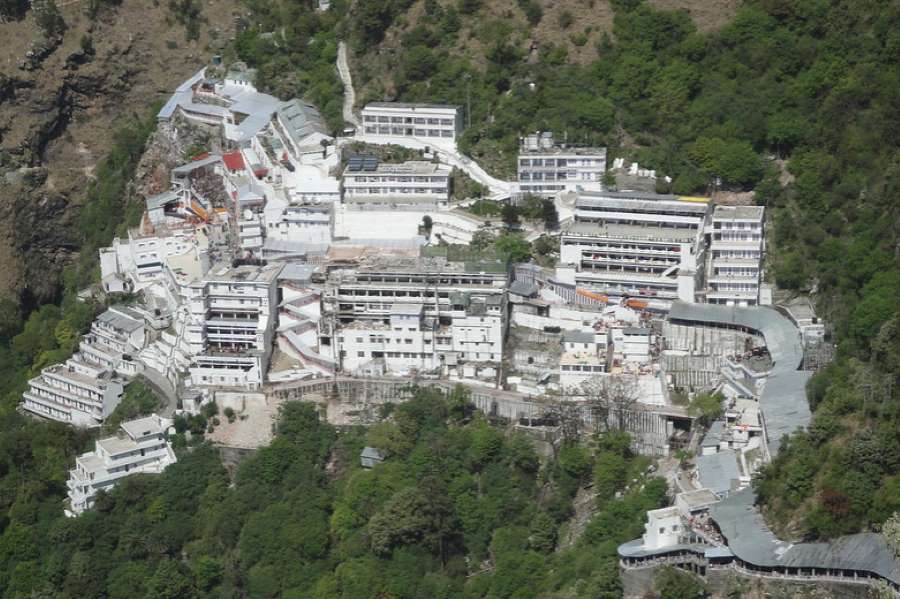
Nestled amidst the Trikuta mountains of Jammu and Kashmir, the Srijnana Vaishno Devi Temple attracts millions of devotees yearly. Dedicated to the three manifestations of Durga - Mata Vaishno Devi, Mahakali, and Mahasaraswati.
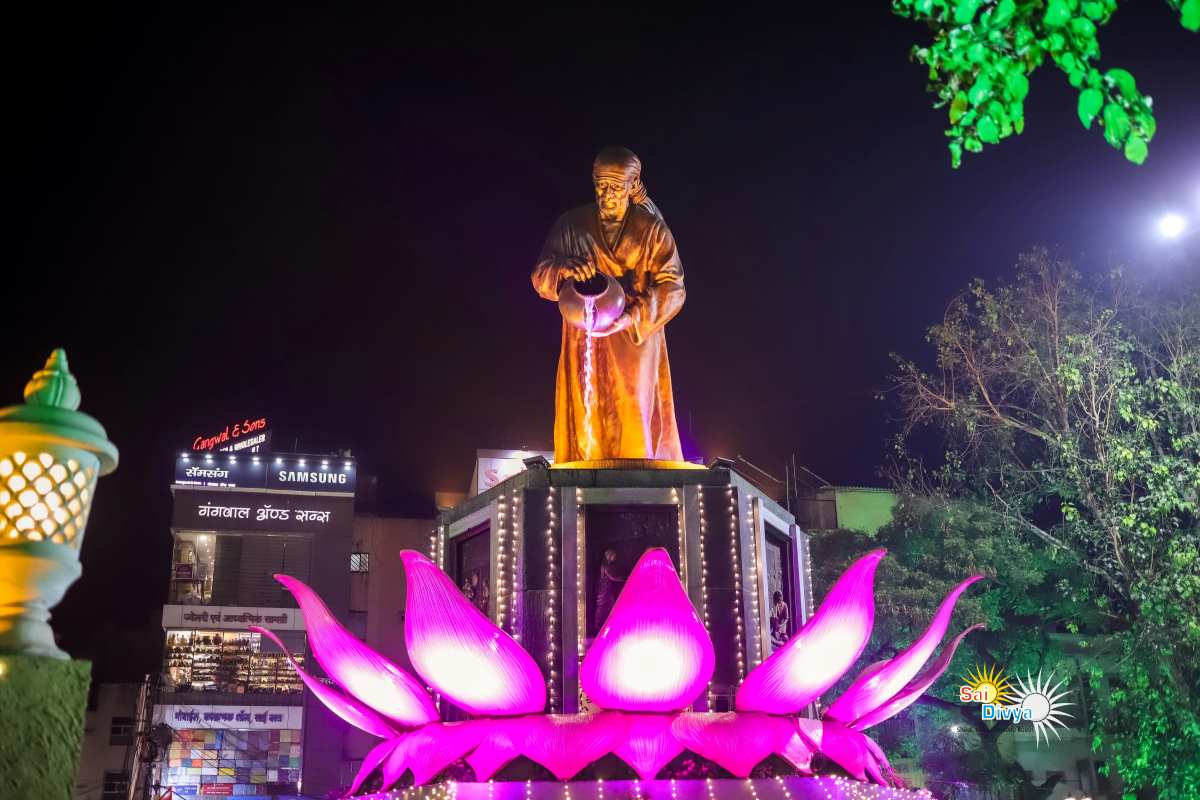
Situated in Shirdi, Maharashtra, Shirdi Sai Baba Temple enshrines the revered saint Sai Baba, who is revered for his teachings that transcend religious boundaries. The temple is renowned for its simplicity despite its immense wealth.
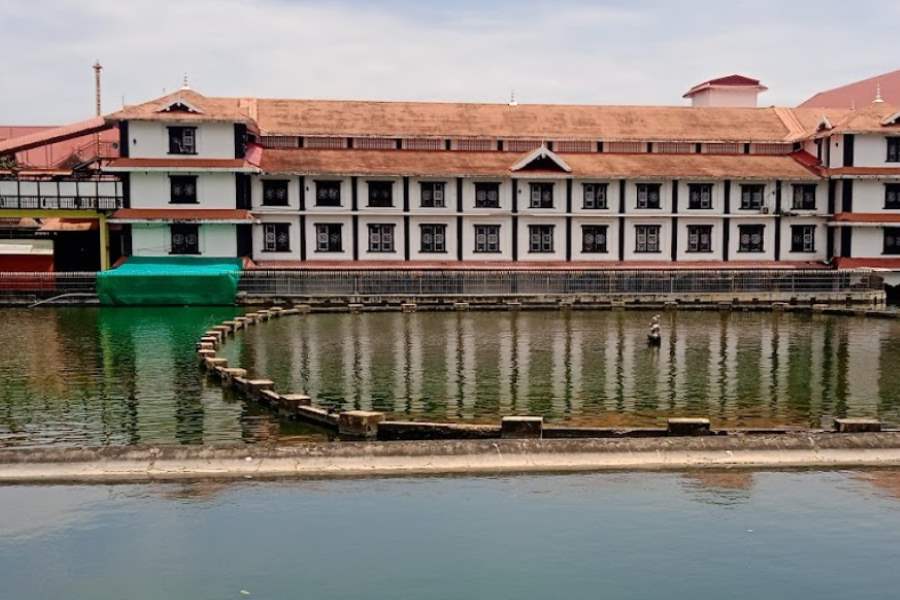
Situated in Guruvayur, Kerala, and dedicated to Lord Guruvayurappan, the Guruvayur Temple is renowned for its strict adherence to ancient rituals, often referred to as Bhuloka Vaikuntham (Holy Abode of Lord Vishnu on Earth).
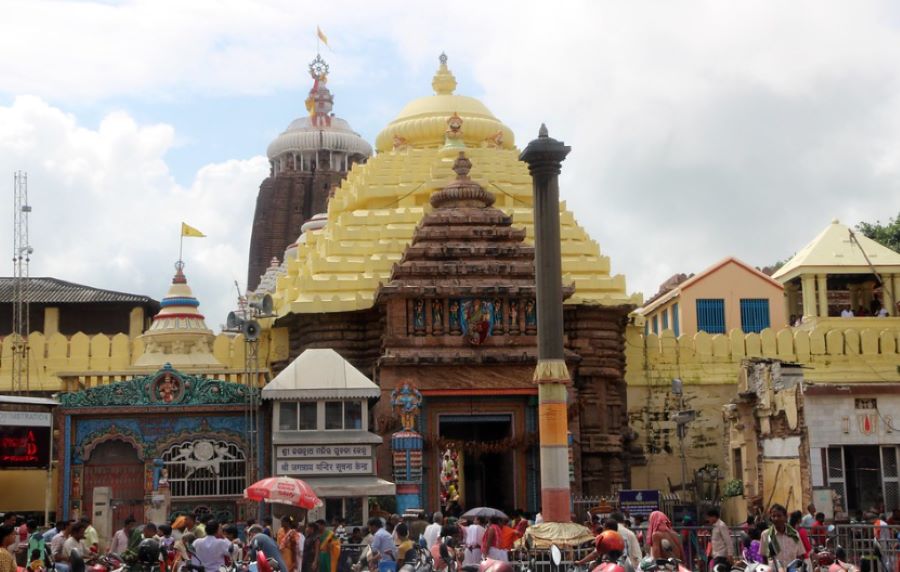
A UNESCO World Heritage Site, the Jagannath Temple in Puri is renowned for its annual Rath Yatra (chariot procession) festival, which attracts millions of devotees. Dedicated to Lord Jagannath, a form of Vishnu, the temple is a significant pilgrimage centre for Hindus.
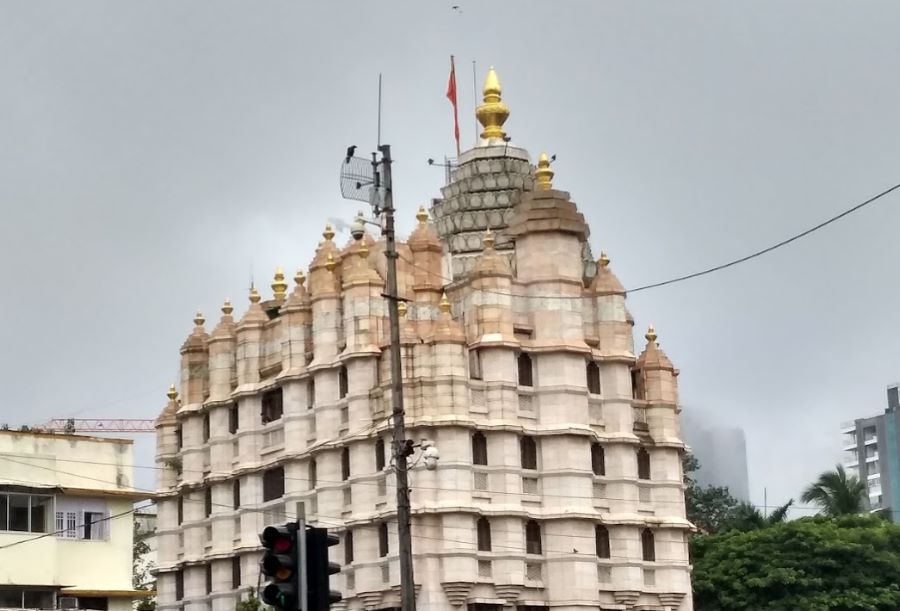
Siddhivinayak Temple in Mumbai, India, is one of the richest temples in the country in terms of donations and annual income. It also has a large collection of plaques, trophies, and corporate gifts, and the temple participated in the government's Gold Monetization Scheme (GMS).
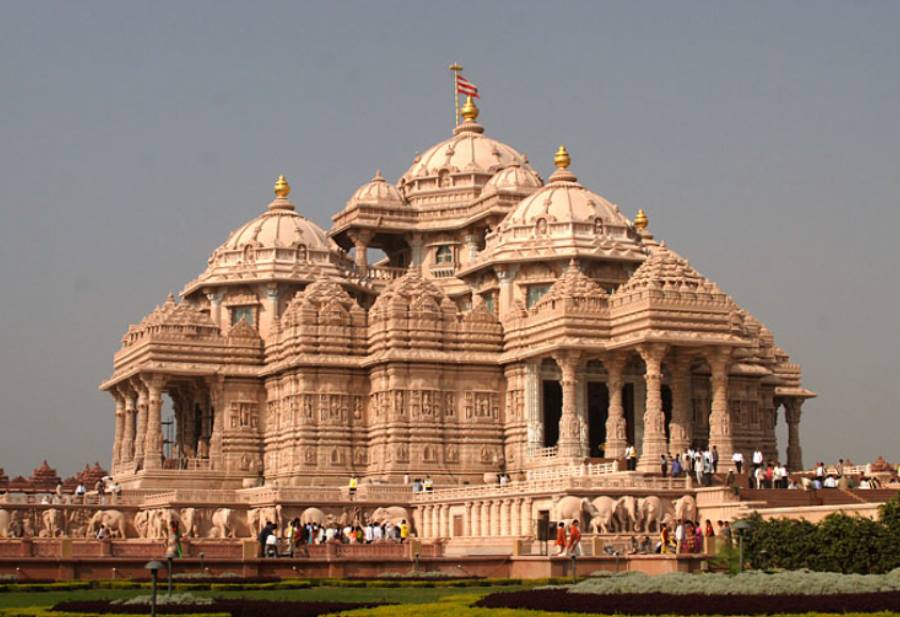
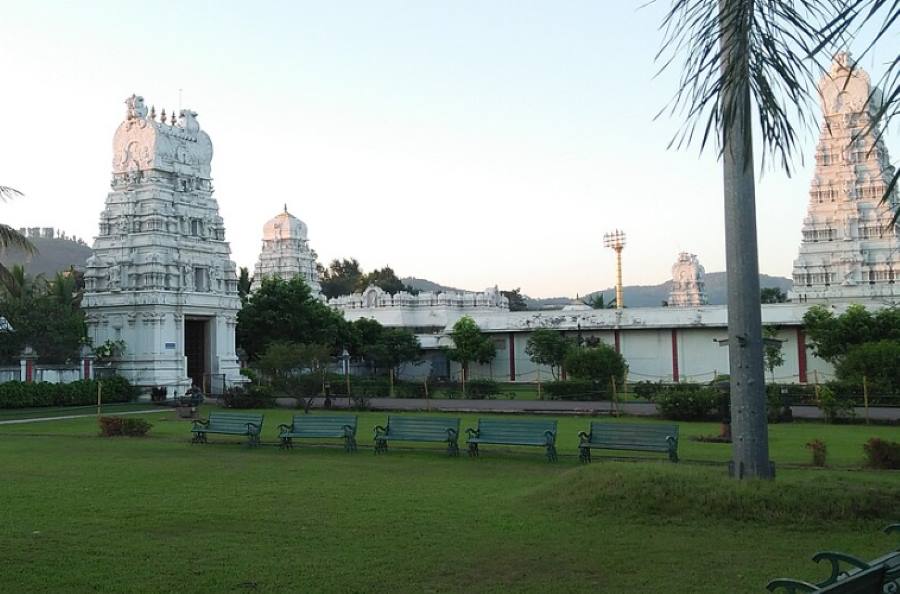
A modern marvel of architecture and faith, the Swaminarayan Akshardham Temple in New Delhi is a relatively young temple compared to others. The temple has garnered immense popularity for its intricate carvings, life-like murtis (idols), and exhibitions showcasing eternal Hindu values.
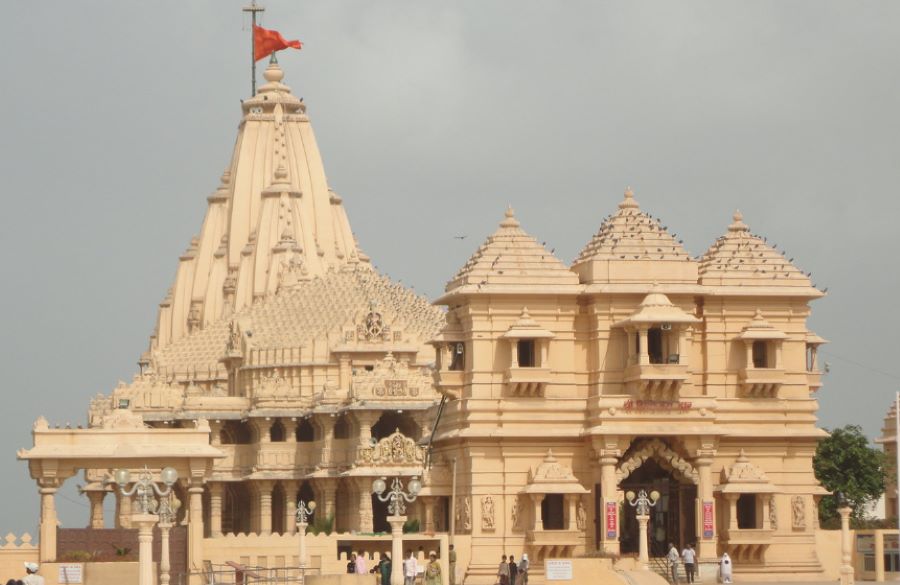
One of the twelve revered Jyotirlinga shrines dedicated to Lord Shiva, the Somnath Temple in Veraval holds immense spiritual significance. The temple's history is marked by resilience, having been destroyed and rebuilt multiple times throughout the centuries.
From the opulent halls of Sri Padmanabhaswamy Temple to the intricate carvings of Swaminarayan Akshardham, India's richest temples stand as testaments to the nation's deep-rooted faith and cultural heritage.
These sacred spaces serve as centres of worship and repositories of art, architecture, and history. Their enduring significance and the outpouring of devotion from pilgrims ensure their continued legacy for future generations.
Protect What Matters - Explore Other Insurance Options
Unlike traditional static displays, Akshardham utilizes advanced technology like animatronics and robotics to create life-like presentations showcasing Hindu values, history, and culture.
The Somnath Temple houses the holy "Triveni Sangam," a confluence of three rivers - Kapila, Saraswati, and Hiranyabi. Devotees believe bathing in this sacred water washes away sins and brings blessings.
The Rath Yatra (chariot procession) is a major Hindu festival in which devotees pull colossal wooden chariots carrying the idols of Lord Jagannath, Balabhadra, and Subhadra towards a designated spot outside the temple. It symbolises their annual journey to their maternal home.
The Padmanabhaswamy Temple in Thiruvananthapuram, Kerala, is often considered one of the wealthiest temples in India. Its vaults contain vast amounts of gold and precious treasures.
The Tirumala Venkateswara Temple, commonly known as the Tirupati Temple, is one of the richest temples in India, with an estimated wealth running into 2,50,000 crore.
There are about 4 lakh temples under government administration.
The approximate revenue generated by Indian temples collectively is tens of thousands of crores of rupees annually.
The money provided by Hindu devotees is utilised to provide facilities for devotees and to enhance temples.
The Guruvayur Temple in Kerala is famous for its idol of Lord Krishna, which attracts millions of devotees annually.
Tuesday, Ganpati's day, sees the highest number of visitors to the temple; the following day, there is a decrease in attendance.
Shirdi Saibaba Temple in Shirdi possesses 376 kg of gold.
The Vaishno Devi temple in Jammu and Kashmir is overseen by the Shri Mata Vaishno Devi Shrine Board.