General
Life
Accessibility Options


General

General Products
Simple & Transparent! Policies that match all your insurance needs.
 Car Insurance
 Two Wheeler Insurance
 Commercial Vehicle Insurance
 Health Insurance
 Home Insurance
 Travel Insurance
 Business Insurance
Car Insurance
Two Wheeler Insurance
Commercial Vehicle Insurance
Health Insurance
Travel Insurance
Business Insurance
Car Insurance
Two Wheeler Insurance
Commercial Vehicle Insurance
Health Insurance
Travel Insurance



Scan to download

Life

Life Products
Digit Life is here! To help you save & secure your loved ones' future in the most simplified way.
 Term Life
 Savings Plan
 Retirement and Pension Plans
 Group Life Products
 Product Documents
Term Life
Savings Plan
Retirement and Pension Plans
Group Life Products
Product Documents
Term Life
Savings Plan
Retirement and Pension Plans
Group Life Products

Scan to download

Claims

Claims
We'll be there! Whenever and however you'll need us.
 Customer Support
 Motor Claims
Health Claims
Motor Claims
Health Claims
 Marine Insurance
 Grievance Redressal
Customer Support
Motor Claims
Health Claims
Marine Insurance
Grievance Redressal
Grievance Redressal
Customer Support
Motor Claims
Health Claims
Marine Insurance
Grievance Redressal

Scan to download
 General
 Life
General
Life
Life
General
Life
Renewals
Resources

Resources
All the more reasons to feel the Digit simplicity in your life!
Exclusive Features
 Transparency Report
Others
Exclusive Features
Transparency Report
Transparency Report
Others
Exclusive Features
Transparency Report

Scan to download


Our WhatsApp number cannot be used for calls. This is a chat only number.

 Grey Scale
 Readable Text
 Reset
Reset




8 Crore+ Customers

Affordable Premium


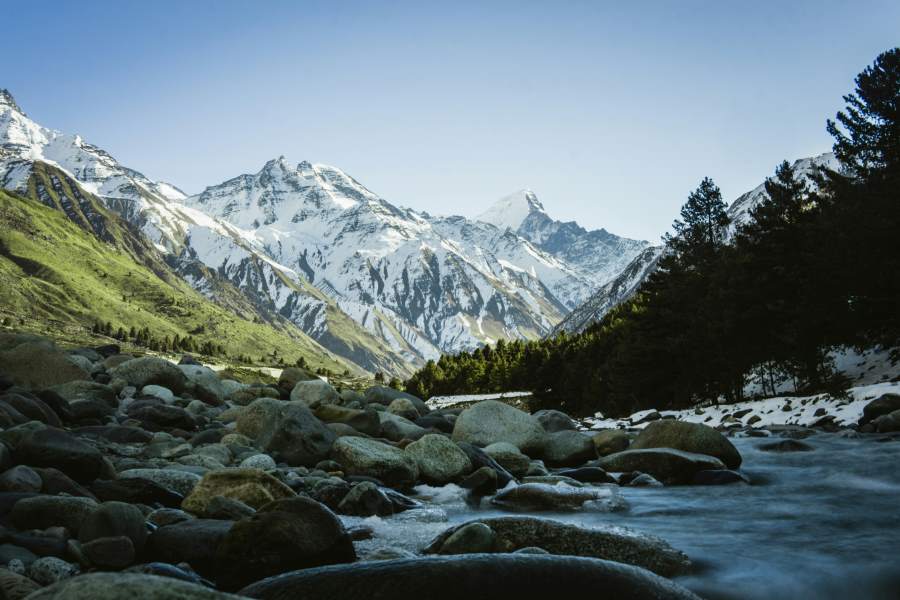
Amidst the majestic Himalayas, Himachal Pradesh is a land of serene beauty and spiritual sanctity. Renowned for its snow-capped peaks, lush valleys, and pristine rivers, this northern Indian state beckons travellers seeking tranquillity and adventure.
Temples in Himachal Pradesh combine natural splendour with spirituality, offering a transcendent experience, each narrating tales of devotion and heritage.
Explore the divine allure of Himachal Pradesh with these top 10 temples; here are those 10 temples:
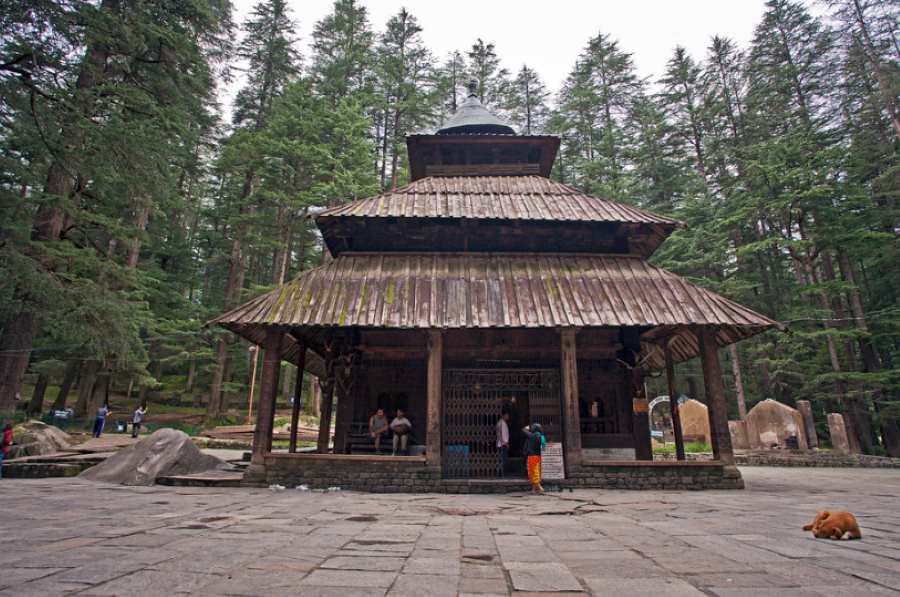
Situated in the lush greenery of Manali, Hadimba Devi Temple is dedicated to Goddess Hadimba, the wife of Bhima from the Mahabharata. The temple's unique architecture and tranquil surroundings attract devotees and tourists alike.
Read more about:
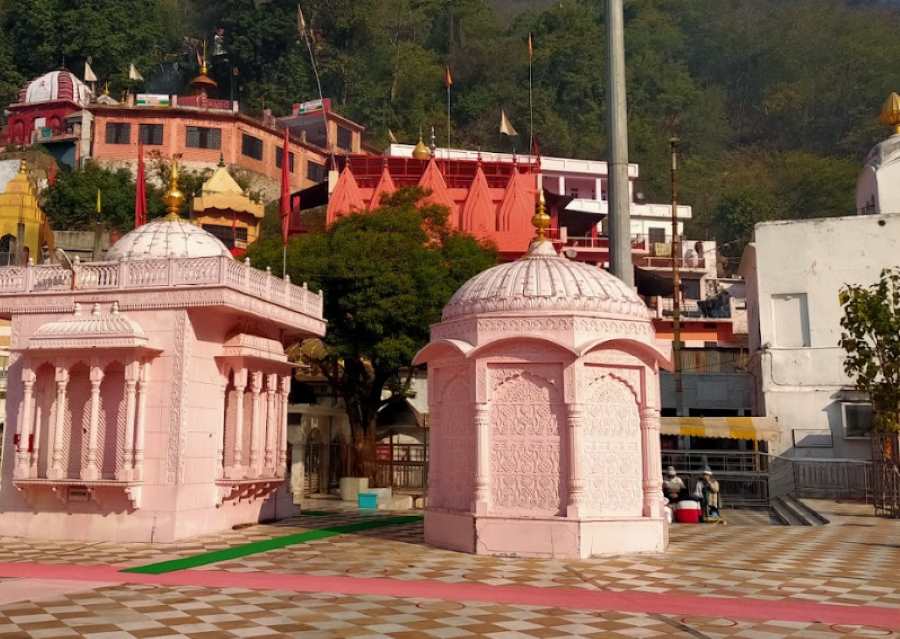
Located in Kangra, Shakti Peeth Mata Jwala Ji Temple is renowned for its eternal flame, which is believed to be the manifestation of Goddess Jwala. Devotees flock here, seeking blessings and witnessing the divine aura surrounding the temple.
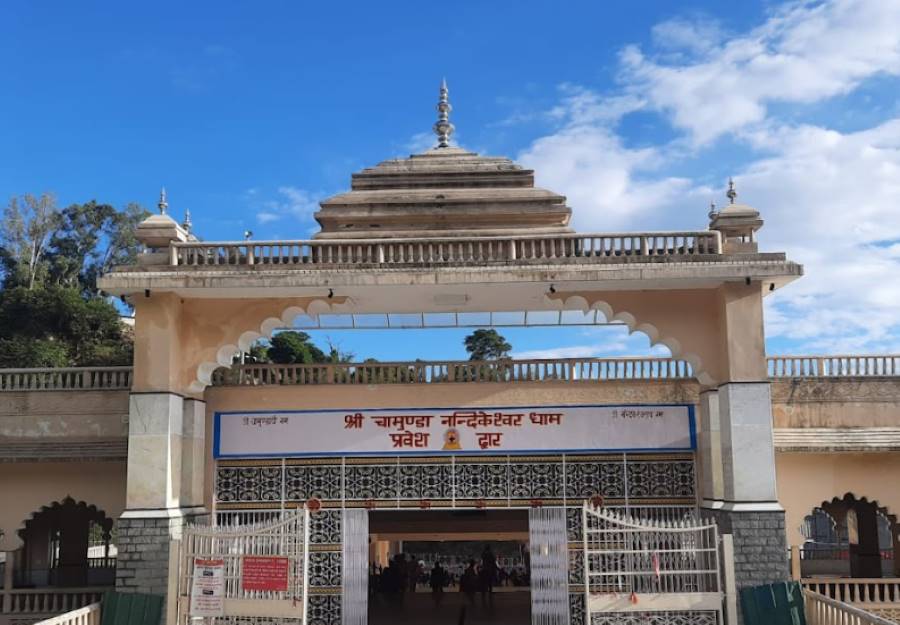
Shakti Peeth Shri Chamunda Devi Temple is revered as one of the Shakti Peeths, where the goddess' hair fell. Dedicated to Goddess Chamunda, an incarnation of Goddess Durga, this temple exudes a spiritual aura and architectural beauty.
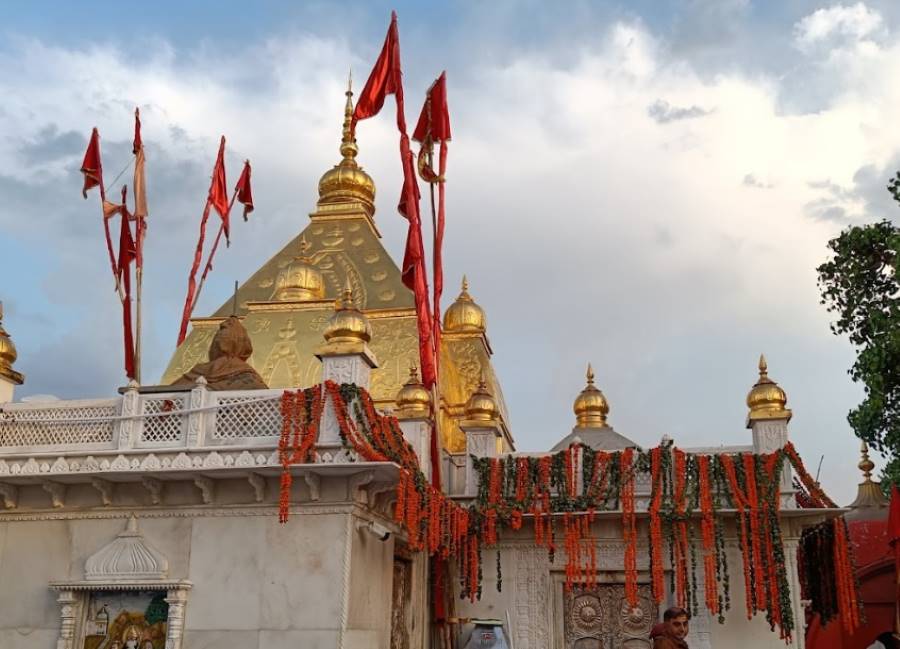
Perched atop a hill in Bilaspur, Mata Shri Naina Devi Temple is dedicated to Goddess Naina Devi, a manifestation of Goddess Durga. Pilgrims flock here to seek blessings and witness the panoramic views of the surrounding hills.
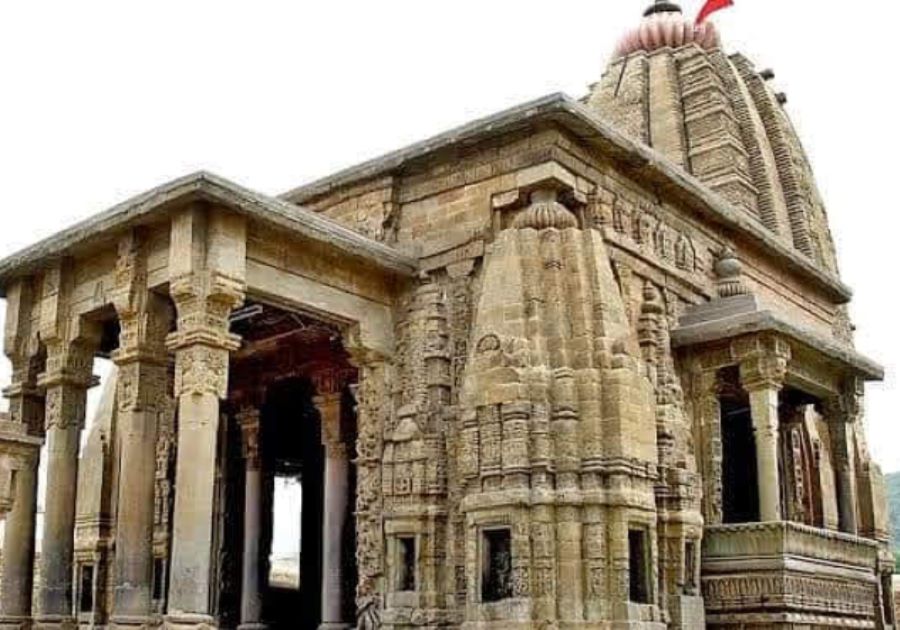
Located in the Kangra Valley, Baijnath Temple is dedicated to Lord Shiva and is known for its exquisite architecture and spiritual significance. Devotees throng here to seek blessings and witness the ancient temple's serene ambience.
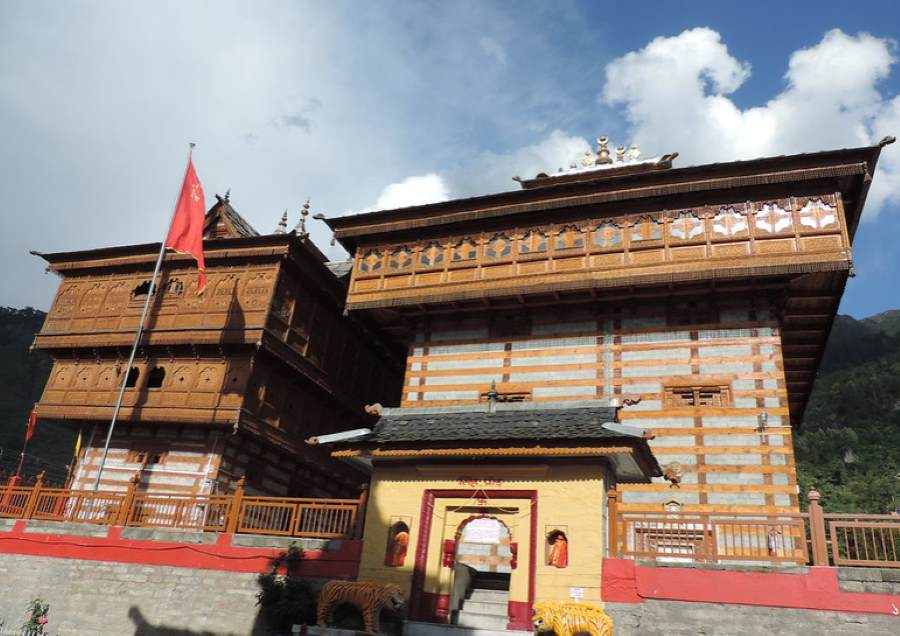
Shri Bhimakali Ji Temple is dedicated to Goddess Bhimakali, a form of Goddess Durga. The temple's architectural grandeur and serene surroundings make it a popular pilgrimage destination for devotees seeking blessings.
Situated in Una District, Chintpurni Temple is dedicated to Goddess Chintpurni, also known as Mata Shri Chhinnamastika Devi. Devotees visit this sacred shrine to seek blessings and fulfilment of their wishes amidst the serene surroundings.
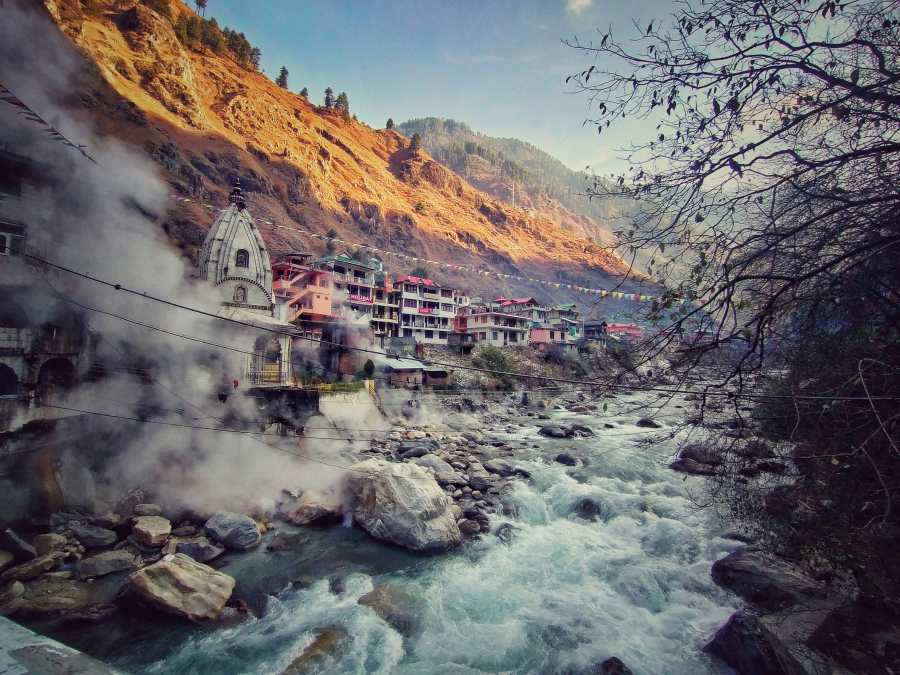
Located in Kullu, Gurdwara Sahib Manikaran is a revered Sikh pilgrimage site renowned for its hot springs and spiritual significance. Devotees and tourists visit this sacred place to seek blessings and immerse themselves in the divine atmosphere.
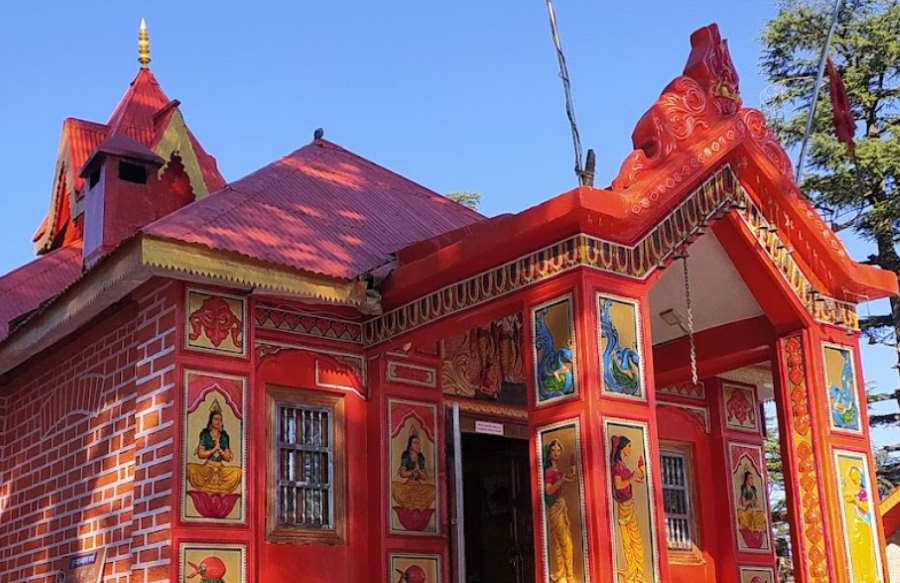
Perched atop Jakhoo Hill in Shimla, Shri Hanuman Temple is dedicated to Lord Hanuman. It is renowned for its towering statue of Lord Hanuman and offers panoramic views of Shimla city. Devotees visit to seek blessings and witness the temple's serene surroundings.
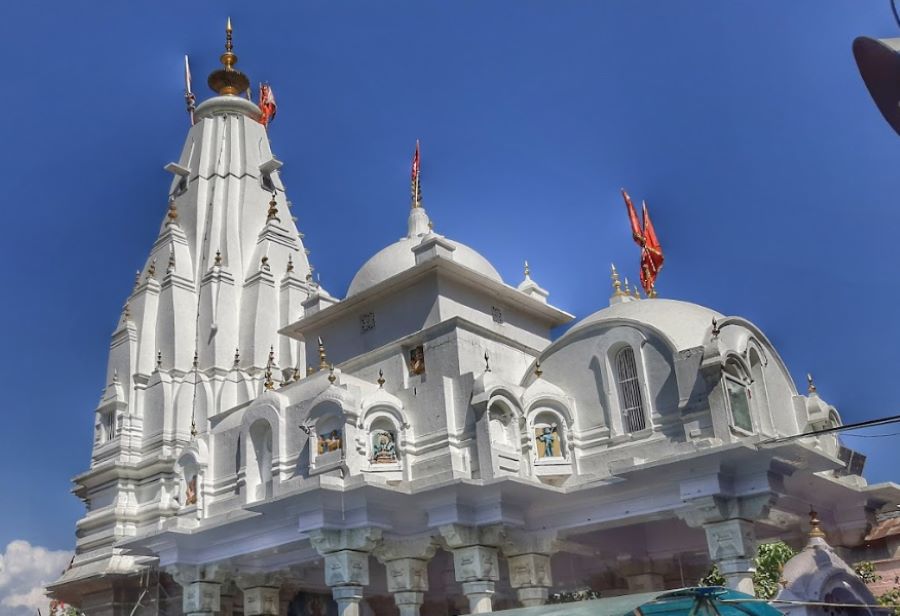
Shaktipeeth Shri Bajreshwari Temple is dedicated to Goddess Vajreshwari, an incarnation of Goddess Parvati. It is one of the oldest and most revered temples in Himachal Pradesh, attracting devotees from far and wide who are seeking blessings and spiritual solace.
Explore the divine realm of Himachal Pradesh through its sacred temples, each a testament to the region's rich cultural heritage and spiritual significance. From the tranquil ambience of Hadimba Devi Temple to the majestic presence of Shaktipeeth Mata Jwala Ji Temple, these sacred sites offer solace, blessings, and a profound connection to the divine.
Protect What Matters - Explore Other Insurance Options
Explore the unique rituals like the "Dhungri Mela" and "Bhog Ceremony" that add to the temple's cultural significance.
Baijnath Temple in Baijnath is one of the oldest temples in Himachal Pradesh, dating back to ancient times.
Shaktipeeth Shri Chamunda Devi Temple in Kangra is one of the most famous Shaktipeeths in Himachal Pradesh.
The temple food of Himachal Pradesh often includes simple vegetarian dishes such as dal, rice, sabzi, roti, and kheer, prepared with locally sourced ingredients and served as prasad to devotees.
Himachal Pradesh is called the "Land of Gods" or "Dev Bhoomi" due to its mention in ancient Hindu texts and the multitude of historical temples found across the state, highlighting its spiritual significance.