General
Life
Accessibility Options


General

General Products
Simple & Transparent! Policies that match all your insurance needs.
 Car Insurance
 Two Wheeler Insurance
 Commercial Vehicle Insurance
 Health Insurance
 Home Insurance
 Travel Insurance
 Business Insurance
Car Insurance
Two Wheeler Insurance
Commercial Vehicle Insurance
Health Insurance
Travel Insurance
Business Insurance
Car Insurance
Two Wheeler Insurance
Commercial Vehicle Insurance
Health Insurance
Travel Insurance



Scan to download

Life

Life Products
Digit Life is here! To help you save & secure your loved ones' future in the most simplified way.
 Term Life
 Savings Plan
 Retirement and Pension Plans
 Group Life Products
 Product Documents
Term Life
Savings Plan
Group Life Products
Product Documents
Term Life
Savings Plan
Group Life Products

Scan to download

Claims

Claims
We'll be there! Whenever and however you'll need us.
 Customer Support
 Motor Claims
Health Claims
Motor Claims
Health Claims
 Marine Insurance
 Grievance Redressal
Customer Support
Motor Claims
Health Claims
Marine Insurance
Grievance Redressal
Grievance Redressal
Customer Support
Motor Claims
Health Claims
Marine Insurance
Grievance Redressal

Scan to download
 General
 Life
General
Life
Life
General
Life
Renewals
Resources

Resources
All the more reasons to feel the Digit simplicity in your life!
Exclusive Features
 Transparency Report
Others
Exclusive Features
Transparency Report
Transparency Report
Others
Exclusive Features
Transparency Report

Scan to download


Our WhatsApp number cannot be used for calls. This is a chat only number.

 Grey Scale
 Readable Text
 Reset
Reset




8 Crore+ Customers

Affordable Premium


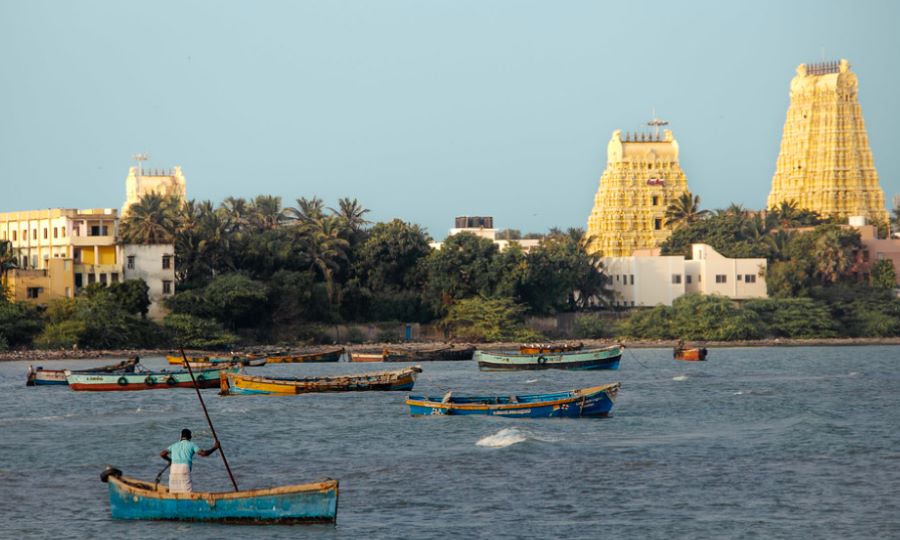
Rameshwaram, nestled in the southern part of India, is not only renowned for its pristine beaches but also for its spiritual significance. With a rich cultural heritage and historical marvels, Rameshwaram beckons travellers and pilgrims alike.
Among its treasures are the numerous temples, each with its own legend and architectural splendour.
Following is the list of renowned temples in Rameshwaram that are conveniently accessible via the nearby Rameshwaram and Pamban Railway Stations, Madurai and Thiruvananthapuram Airports, and the Rameshwaram Bus Station:
Explore the top 7 temples in Rameshwaram, a pilgrimage that promises spiritual enlightenment and architectural marvels:
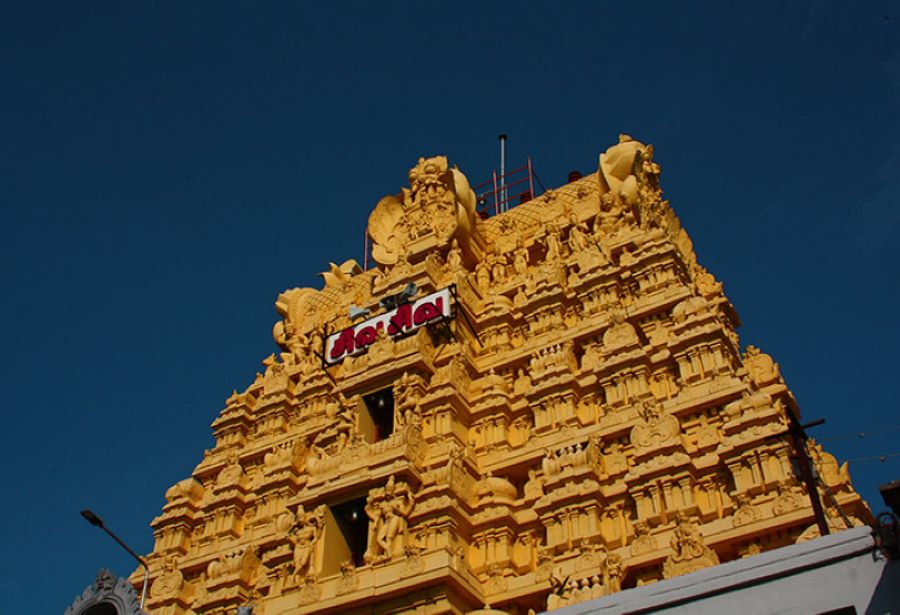
This architectural marvel is not just among the most famous temples in Rameshwaram but also a part of the Char Dham pilgrimage. It's famed for its long, ornate corridors and striking sculptures.
Located in the Ramanathapuram District, this temple is dedicated to Lord Hanuman and is revered for its miraculous powers. Pilgrims visit seeking blessings and divine intervention. It is famous for its five-faced Hanuman idol.
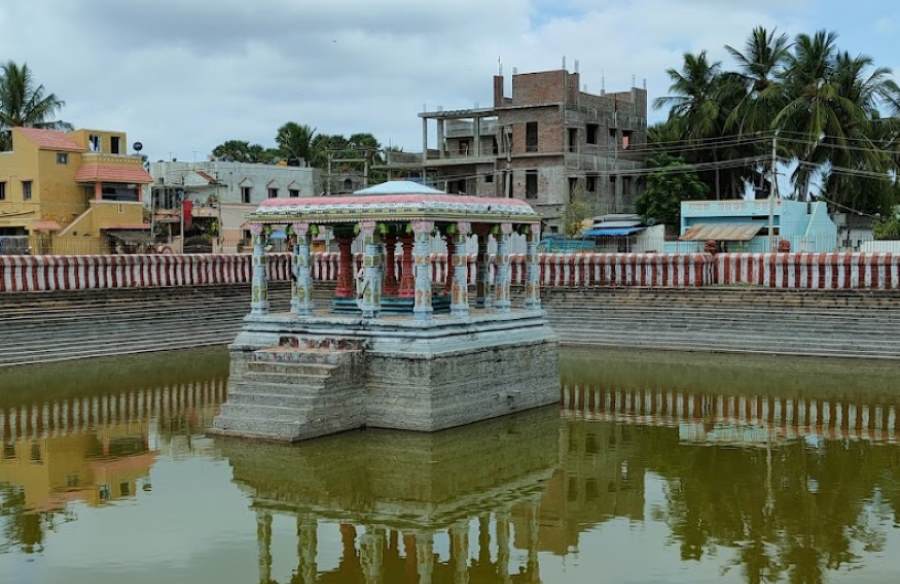
Positioned along Rameshwaram Road, Lakshmana Theertham is associated with the legendary thirst-quenching moment of Lord Rama's brother, Lakshmana. The serene ambiance and spiritual aura make it a must-visit destination.
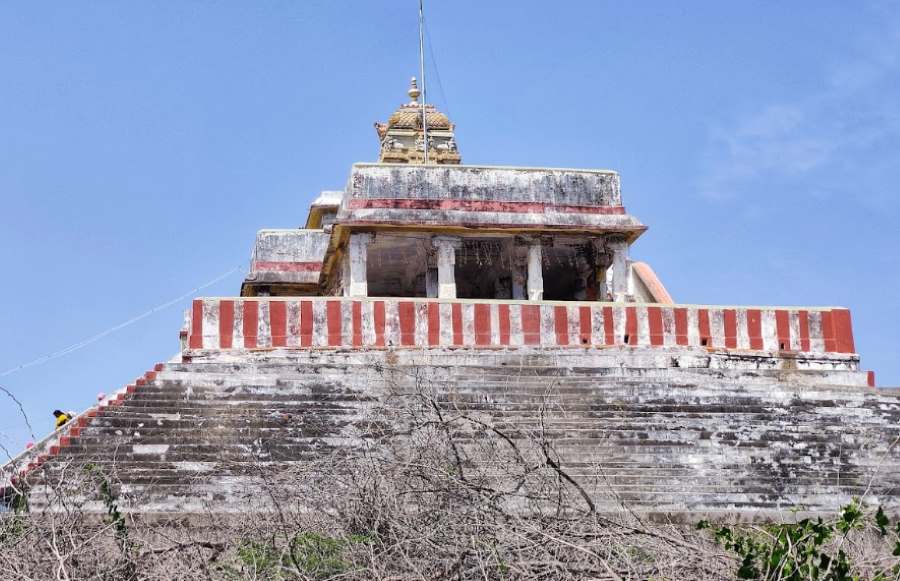
Perched on GP Road, this hilltop temple offers breathtaking panoramic views of Rameshwaram. It is believed to be the spot where Lord Hanuman searched for the mythical Sanjeevani herb, adding to its allure.
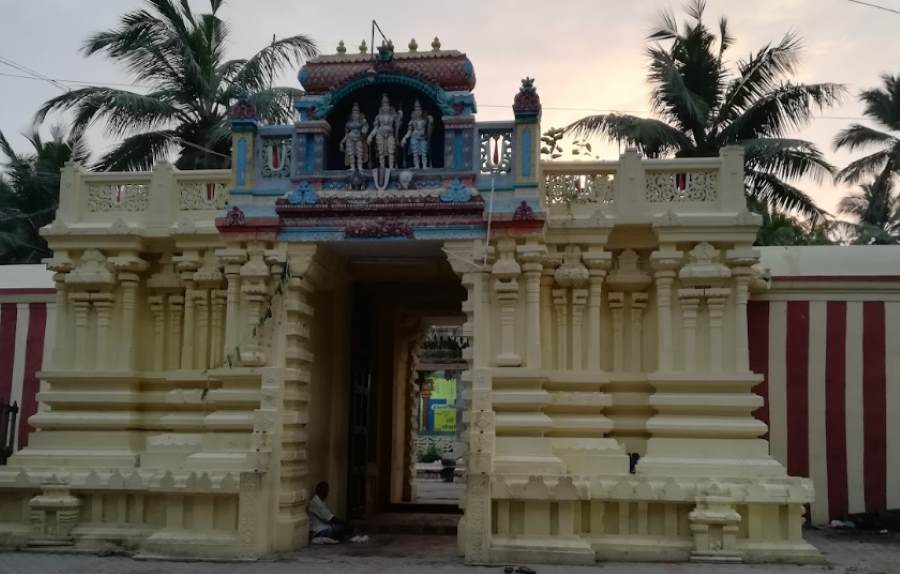
Nestled in Dhanushkodi, Jada Theertham is renowned for its serene surroundings and the sacred pond. Legend has it that Lord Rama washed his Jata/Jada ( matted hair) here after killing Ravana.
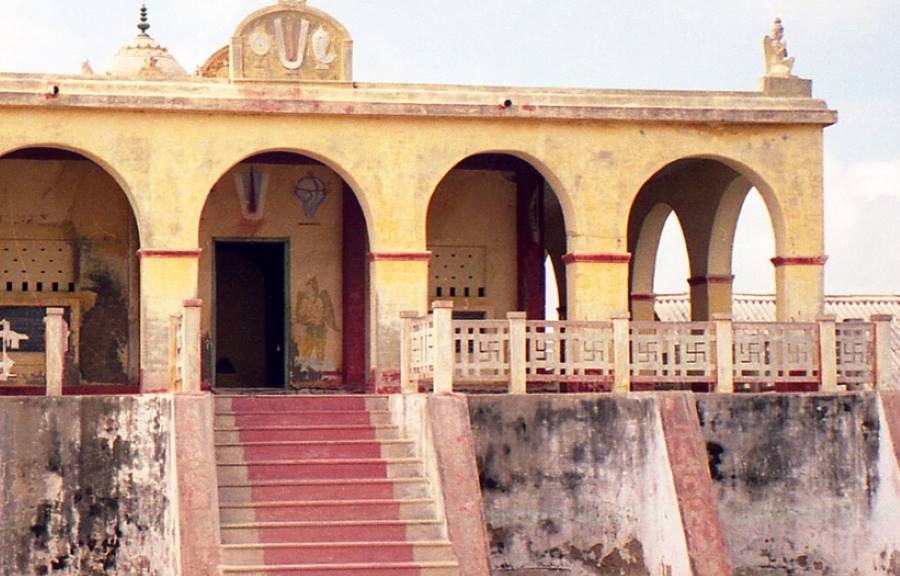
Steeped in history, this temple in Dhanushkodi holds significance owing to its past and tranquil surroundings. Devotees flock here, seeking solace and blessings amidst the serene coastal setting. This temple is also known as Kothandaramaswamy.
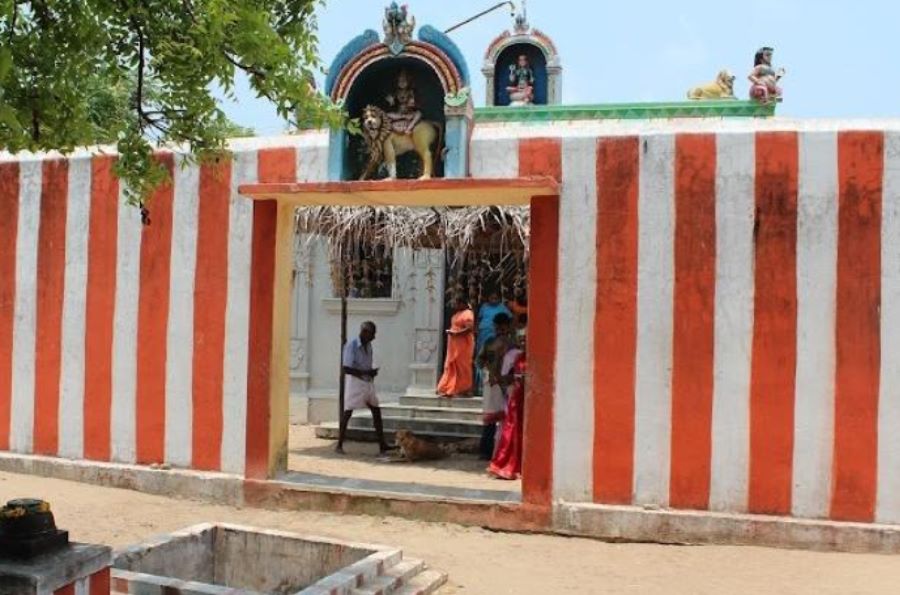
Situated in Dhanushkodi, this temple is dedicated to Goddess Nambu Nayagiamman and is a symbol of faith and devotion. This lesser-known temple is dedicated to the local deity and offers a tranquil place for worship amidst the natural surroundings.
The temples in Rameshwaram are not just places of worship but also monuments that showcase the rich tapestry of myths, legends, and history from which India is woven. Visiting these temples offers a glimpse into the spiritual heart of India, alongside the opportunity to marvel at architectural and natural beauties.
Protect What Matters - Explore Other Insurance Options
Within the sanctuary are two lingas: Vishwalinga, a Shiva Linga that Hanuman brought from Mount Kailash, and one constructed by Rama using sand, the main deity.
Darshan typically takes one to two hours, but it's best to plan and provide extra time in case there are any wait times at busy times or during holidays.
Ramanathaswamy Temple is the most famous temple in Rameshwaram, devoted to the god Shiva.
A one-day visit to Rameshwaram offers a glimpse of its key attractions and gives you enough time to see the main attractions and get a feel for the place.
While not mandatory, it's recommended to follow tradition and bathe in the 22 tirthas, or wells, in Rameshwaram. Legend suggests that bathing in these wells can cleanse one of all sins.
Although each temple has a schedule, most are open from early in the morning until late at night. Certain areas of the temples may require an entry fee, although certain temples offer free entry.
The hottest months of Rameshwaram are March through June, when pilgrims from all across the country visit the temples, making them crowded.
After Mani Darshan, pilgrims are required to take a dip in Agni Theertham and Bais Kunda snana, followed by Main Deity Darshan.