General
Life
Accessibility Options


General

General Products
Simple & Transparent! Policies that match all your insurance needs.
 Car Insurance
 Two Wheeler Insurance
 Commercial Vehicle Insurance
 Health Insurance
 Home Insurance
 Travel Insurance
 Business Insurance
Car Insurance
Two Wheeler Insurance
Commercial Vehicle Insurance
Health Insurance
Travel Insurance
Business Insurance
Car Insurance
Two Wheeler Insurance
Commercial Vehicle Insurance
Health Insurance
Travel Insurance



Scan to download

Life

Life Products
Digit Life is here! To help you save & secure your loved ones' future in the most simplified way.
 Term Life
 Savings Plan
 Retirement and Pension Plans
 Group Life Products
 Product Documents
Term Life
Savings Plan
Retirement and Pension Plans
Group Life Products
Product Documents
Term Life
Savings Plan
Retirement and Pension Plans
Group Life Products

Scan to download

Claims

Claims
We'll be there! Whenever and however you'll need us.
 Customer Support
 Motor Claims
Health Claims
Motor Claims
Health Claims
 Marine Insurance
 Grievance Redressal
Customer Support
Motor Claims
Health Claims
Marine Insurance
Grievance Redressal
Grievance Redressal
Customer Support
Motor Claims
Health Claims
Marine Insurance
Grievance Redressal

Scan to download
 General
 Life
General
Life
Life
General
Life
Renewals
Resources
Resources
All the more reasons to feel the Digit simplicity in your life!
Exclusive Features
 Transparency Report
Others
Exclusive Features
Transparency Report
Transparency Report
Others
Exclusive Features
Transparency Report
Scan to download


Our WhatsApp number cannot be used for calls. This is a chat only number.

 Grey Scale
 Readable Text
 Reset
Reset



Modern yoga has gained popularity over other workout routines because of its positive impact on individuals' physical and mental conditions. Among various yoga poses, the name Paschimottanasana gains significance because of its straightforward approach and multiple health benefits.
With its many benefits, Paschimottanasana should be incorporated into the lifestyles of many people who need yoga benefits.

Table of Contents

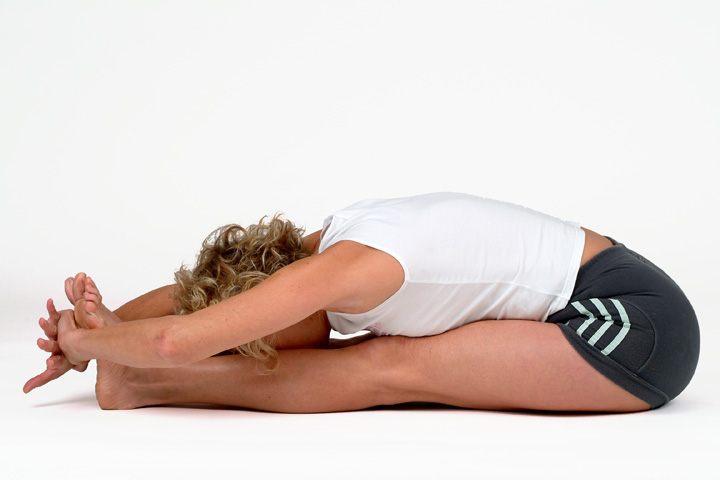
Paschimottanasana, or the seated forward bend posture, is a Sanskrit term. It comes from Paschima, which means “west” or “back of the body.” This seated posture requires you to stretch the entire back of your body, folding it inward and bringing it towards the knees and foot.
In the current scenario of growing work pressure and remote working tactics, there have been issues with flexibility and spinal pain. Practising this yoga pose will have a calming effect on your mind and body and act as therapy against anxiety. Paschimottanasana is an effective asana that can help you counter such issues without hassle.
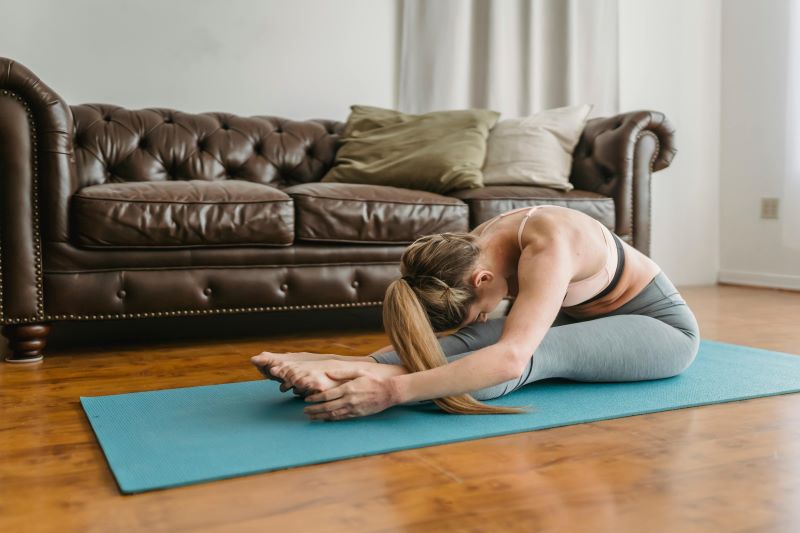
You must be curious to find out how to perform Paschimottanasana. This yoga asana can be complicated for beginners. However, the following steps will help you achieve it.
Step 1: Start with sitting straight in Dandasana. Keep your toes stretched in front and your toes flexed towards you.
Step 2: Slowly raise your hands above your head while inhaling deeply. Stretch them as much as possible.
Step 3: Now, bend forward while exhaling. The fold should be from your hip joints.
Step 4: Ideally, stretch your arms to meet the toes. If not, try to reach as close to the toes as possible.
Step 5: Lift your head slightly while inhaling. Elongate and stretch your spine in this process.
Step 6: Keep exhaling while moving your navel towards your knees. Finally, place your head on your knees.
Step 7: Try to hold this pose for some time. Then, return to the original sitting position and repeat the procedure.
Paschimottanasana can be a challenging yoga asana but offers many health benefits. Knowing about these benefits is always motivational, as it helps you give your best in performing an asana. Here are the advantages of Paschimottanasana to help you out.
Paschimottanasana is mainly famous for effectively stretching the back muscles. It stretches the entire back of an individual from head to heels. Such a position naturally helps to deal with pain and stiffness in the back and shoulder muscles. Moreover, it can also contribute to enhancing the flexibility of your spine. This way, working long hours does not affect your back, shoulders or spine.
Pain and tightness in the hamstrings have become common problems recently. This usually results from bad posture while sitting or long working hours. An extended period of such posture can cause stiffness or pain in the hamstrings. Paschimottanasana allows you to stretch your entire hamstring, thereby ensuring better blood flow and circulation in this area. As muscles relax, the pain and stiffness start wearing away.
Paschimottanasana is capable of improving your mental health. It can calm your body and mind and allow the mind to relax. As you maintain the position for a long time, you open your mind and eliminate feelings of depression and worry. Moreover, it can control your anxiety levels by working on your energy centres. You are, therefore, likely to observe lower anxiety and feelings of overwhelm after practising this yoga asana for a long time.
Paschimottanasana has a calming effect on your brain and nervous system. It develops a harmonisation of the pranic energies in the body, which results in less stress and depressing thoughts, keeping your mind rejuvenated and refreshed. Additionally, it controls the central nervous system, ensuring the calming of the brain cells. This yoga asana induces a form of meditation that makes you feel more relaxed and calm naturally.
The functioning of major internal organs like kidneys, intestines, liver, and pancreas is essential to maintain body fitness. If you practise Paschimottanasana regularly, you can ensure that these organs work and function effectively. It boosts your metabolism while enhancing your digestive system. Moreover, it improves blood circulation to all these organs to maintain their functionality.
As the Paschimottanasana engages the entire body and ensures its movements, it enhances blood flow and circulation in the pelvic areas. Therefore, the lower body parts and organs are nourished, and their functionality improves in those areas. This allows it to alleviate the symptoms of menopause in women. In addition, the complications and pain of menstrual cycles can also be brought under control to some extent with this yoga asana.
Paschimottanasana can help you maintain a healthy weight while reducing the chances of developing obesity. It can significantly reduce belly fat without intense workouts or weight training. Bending the body forward helps to burn the excess fat stored in the abdominal region. Moreover, it tones your waist and helps to fight obesity or unhealthy weight gain.
This yoga asana can burn fat and calories and increase your appetite. You are likely to feel hungry, but there will be no cravings for unhealthy food that can increase your weight. This property helps this asana to ensure that the individuals take daily meals and do not face a lack of nutrition.
As this yoga asana controls the blood flow and functionality of the pelvic area, it can effectively deal with problems related to infertility, sexual desires and impotence. It can be effective for increasing fertility and can also help heal physical conditions after childbirth.
Paschimottanasana is also famous for controlling insomnia in most people. This is because this posture stimulates blood flow and circulation across the body, which targets the lower energy centres. If you practise this asana before bed, you are more likely to get a peaceful and sound sleep at night.
The Paschimottanasana pose increases blood flow to the head. It helps relieve tension in the neck and shoulders, thus alleviating headaches and migraines. With your headache gone, this yoga pose will calm the mind, keeping you present and active throughout the day.
When you perform Paschimottanasana, the abdominal organs are compressed, which can help improve kidney and liver function. This stimulation supports detoxification and may enhance overall organ health. Prolonged practice of this asana will lead to the proper functioning of these organs.
Paschimottanasana calms the nervous system and revitalises the body and mind by increasing circulation and oxygenation. Like most yoga asanas, It will help you feel more energised after performing it. It benefits individuals who spend long hours sitting or standing throughout the day.
Practising Paschimottanasana requires focus and awareness of the breath and body. Performing this asana promotes relaxation and allows you to be mindful of things. This mindfulness practice can help cultivate a greater sense of presence and awareness in everyday life. Through Paschimottanasana, you'll feel good throughout the day.
Due to its calming and grounding effects, Paschimottanasana is often used as a preparatory pose for meditation. By releasing tension in the body and calming the mind, it creates an ideal state for deepening meditation practice. The rest of your yoga session will be enjoyable and fruitful with Paschimottanasana.
Enhance Paschimottanasana or the seated forward bend pose with these hand yoga poses. These mudras help channel energy flow and enhance the meditative aspect of the practice.
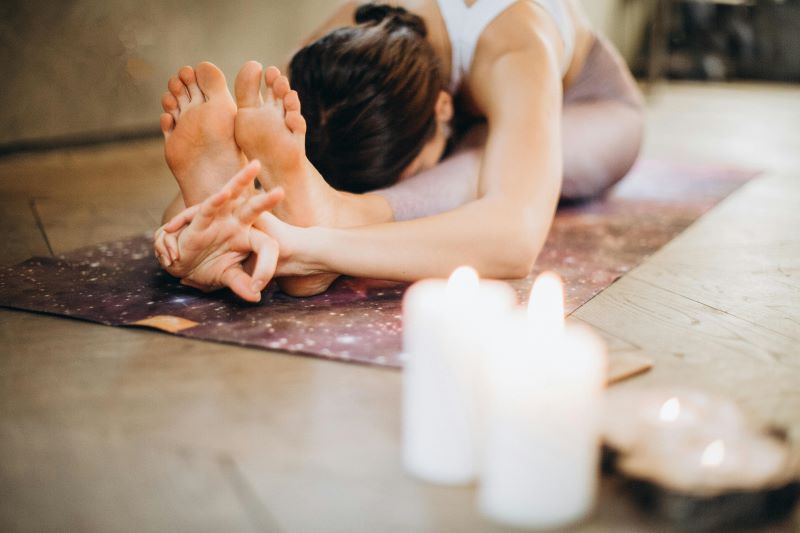
To incorporate Chin Mudra in Paschimottanasana, sit with your legs extended. Then, gently touch the tip of your index finger to the tip of your thumb, forming the Chin Mudra. You can rest your hands on the ground with your palms facing the sky or hold onto your feet or ankles while maintaining this mudra throughout the pose.
Benefits of Chin Mudra: Chin Mudra enhances concentration and stimulates the root chakra. It helps to bring energy, fostering a sense of groundedness and stability.
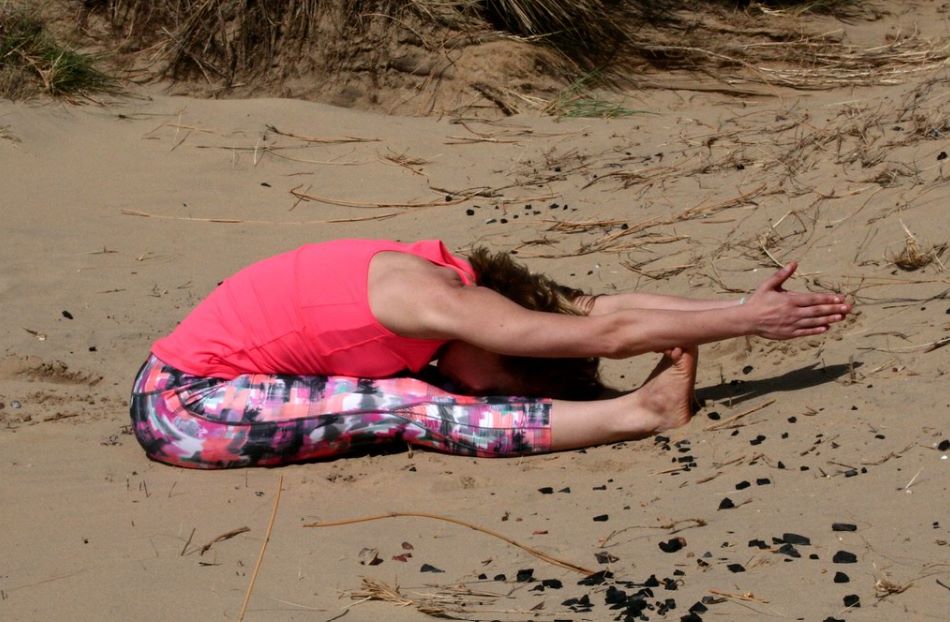
In Paschimottanasana, reach forward with a flat back, bring your palms together, and stretch forward. Press your palms and fingers together gently, with your thumbs resting on your sternum. This Anjali Mudra promotes inward focus and can deepen the connection to your breath.
Benefits of Anjali Mudra Mudra: In Paschimottanasana, Anjali Mudra keeps your spine long and chest open while promoting a sense of peace and focus that enhances the hamstring stretch.
There can be quite a few types of Paschimottanasana poses. You can select the poses based on your capability and comfort level.
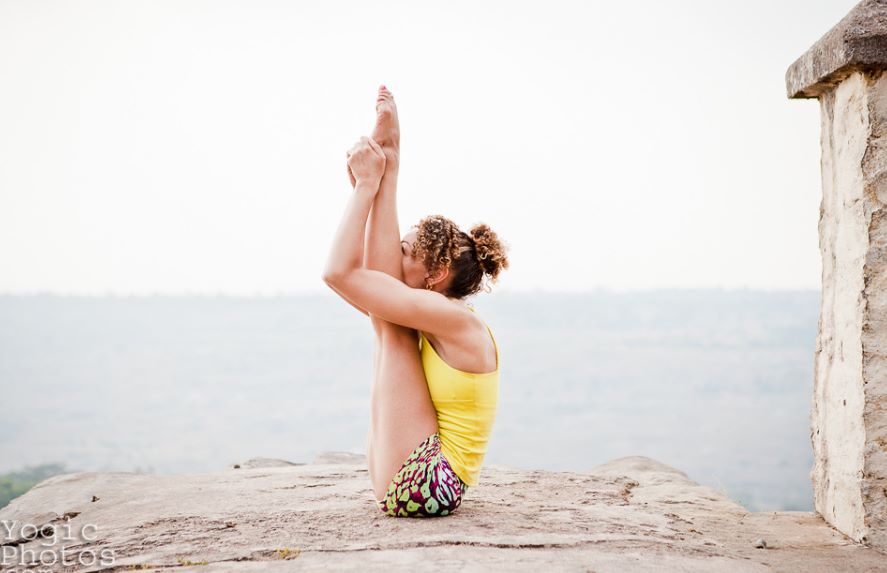
Start by sitting down with your legs straight. While resting on your bottom, lift your legs towards the sky. Hold your heels with your hands to maintain the posture. Keep your backbone straight while your toes point to the sky. Touch your nose to your legs in this position.
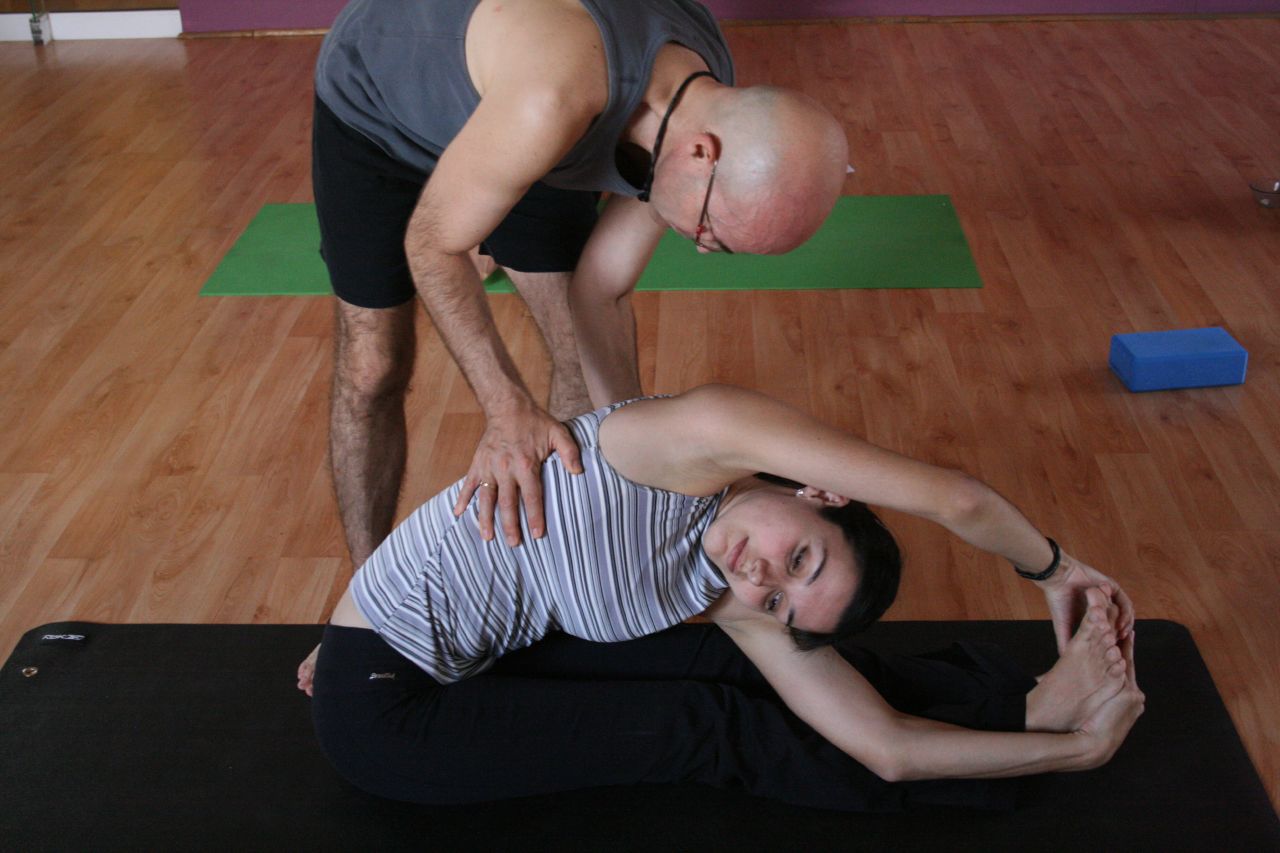
Sit with your legs extended. Bend your body like you do in Paschimottanasana, but hold your left foot with your right hand facing sideways. This position will twist your body to one side. Hold the position and keep your back straight until comfortable, breathing slowly. Repeat on the other side.
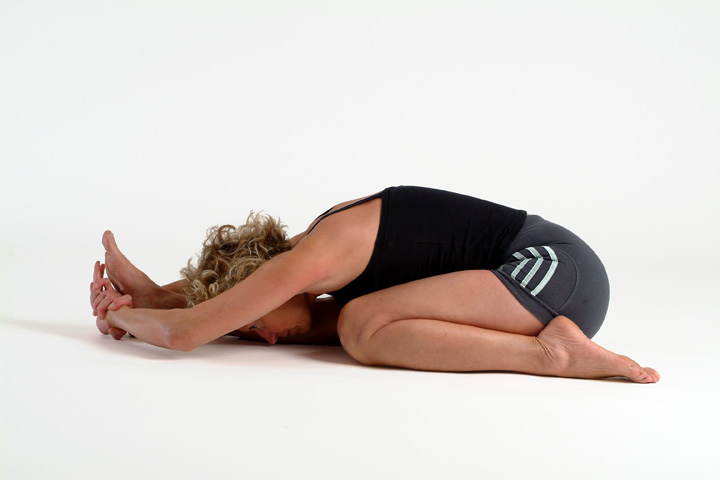
Sit on the floor with your legs straight out before you. Bend your right knee and place the sole under your bottom with the left leg stretched. Do the Paschimottanasana using only the three limbs: your hands and left leg, while the right leg remains tucked under you in the seated position.
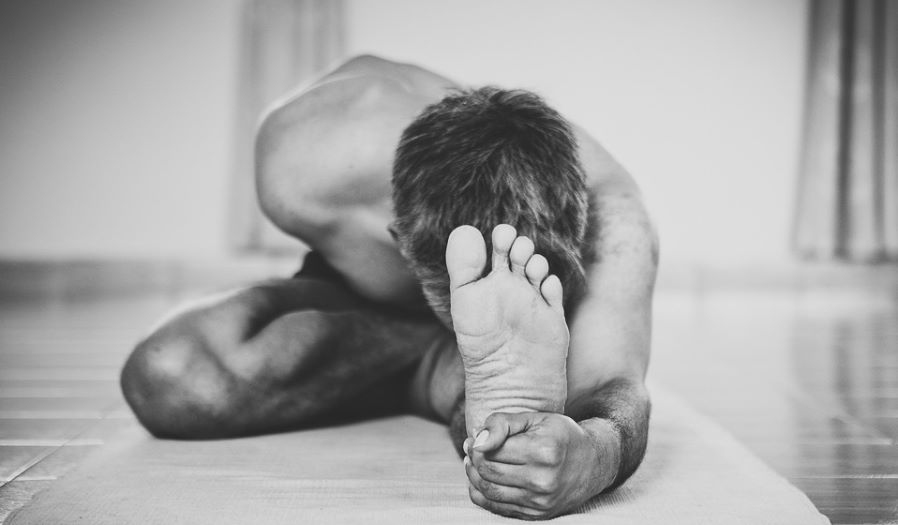
Sit on the floor with both legs stretched out. Bend your right knee and place the sole of your right foot against the inner left thigh. Keep your left leg extended and the foot flexed towards you. Lean forward from your hips, reaching towards your left foot with your hands and hold onto your left foot.
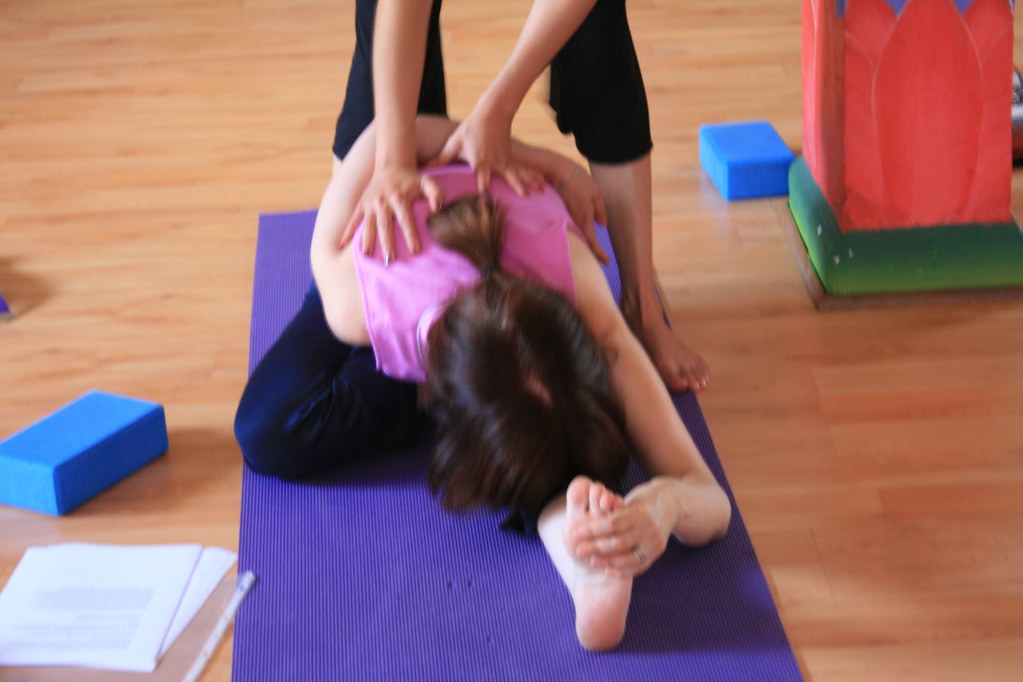
Sit and bend your right knee, placing the sole of your right foot against your inner left thigh. Keep your left leg straight, toes pointing towards you. Fold forward from your hips, reaching towards your left foot with your right hand behind you. Bring your chest towards your left thigh while keeping your right hip on the floor.
Before beginning your Paschimottanasana practice, several essential conditions must be considered to ensure a safe and practical session. Here are the things you should prepare before performing Paschimottanasana:
The duration for holding Paschimottanasana can vary depending on your experience level and flexibility. Listen to your body while you're practising this yoga to avoid overstretching.
Regardless of your level, it's essential to approach Paschimottanasana with patience, mindfulness, and respect for your body's capabilities. Always listen to your body's feedback and adjust the duration of the pose accordingly to ensure a safe and effective practice.
Overdoing Paschimottanasana, like any yoga pose, can lead to various risks and issues. Here are some points to consider:
It's essential to approach Paschimottanasana with mindfulness, respecting one's body's limits, and focusing on proper alignment and breathing techniques to minimise the risk of injury.
As discussed already, Paschimottanasana can be a tricky yoga pose. If you plan to execute it, you should know some tips to make this process easier. Here are some essential pointers to follow:
Try to avoid intense workouts initially. Then, as a beginner, do not push yourself to reach the toes and practise it for a shorter time.
It is advisable to seek professional assistance if you do not have any experience in this field. They will help you understand the right time or intensity for practising this asana.
Initially, you can lift your knees slightly upwards. If you have tight hamstrings, it is advisable to do this and avoid sprains in the muscles.
You can also use props like blankets and blocks to make this process easier.
Practising this yoga daily for a short period will make you habituated, and you can thereby enhance its intensity.
It is advisable to practise this yoga before going to bed. It will help you get better sleep.
Try to maintain a follow-up by keeping your spine erect most of the time. It will affect your posture positively.
As you can see, Paschimottanasana has multiple health benefits. However, to avoid negative consequences, you must be aware of its precautions and contraindications.
Paschimottanasana may not be suitable for individuals with pre-existing diseases like heart disease, spinal issues, or recent surgeries. Hence, you must perform it under supervision.
While yoga can be a preventive tool, some medical conditions require professional treatment or hospital care. Including health insurance coverage for chronic illnesses and specialised treatments ensures individuals get proper medical attention while balancing their yoga routine safely.
Paschimottanasana (Seated Forward Bend) is a beneficial yoga pose, but there are a few people who should avoid practising it:
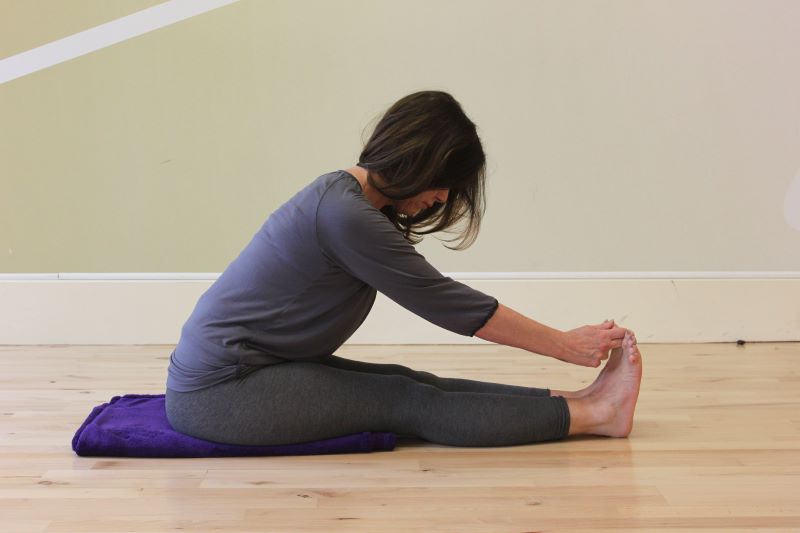
If you find Paschimottanasana challenging, you can modify the process to make it easier. These are best for beginners who have yet to develop the expertise for this position. Here are some easy modifications you can try with this position.
While performing this asana, you can place a bolster on your thighs to support the torso. It will help you hold the pose for longer.
Using a yoga strap wrapped around the balls of your feet can also be beneficial here. This can help prevent unwanted stress on the hamstrings, reducing their tightness.
You can place a rolled-up blanket beneath the hips to support your pelvis. This position might cause your back to feel round. Such a blanket under the hips can prevent it.
You can spread your legs if you have abdominal pain. It will relieve some pressure on the stomach.
If you suffer chronic back pain, keep your spine neutral with a slight forward pelvic tilt. Keep your groynes relaxed while widening your hips.
Thus, as this article pointed out, Paschimottanasana can have multiple health benefits. While it can initially be slightly challenging, you can get used to the pain and challenges with regular practice. It is advisable to be aware of its contraindications and act accordingly.