General
Life
Accessibility Options


General

General Products
Simple & Transparent! Policies that match all your insurance needs.
 Car Insurance
 Two Wheeler Insurance
 Commercial Vehicle Insurance
 Health Insurance
 Home Insurance
 Travel Insurance
 Business Insurance
Car Insurance
Two Wheeler Insurance
Commercial Vehicle Insurance
Health Insurance
Travel Insurance
Business Insurance
Car Insurance
Two Wheeler Insurance
Commercial Vehicle Insurance
Health Insurance
Travel Insurance



Scan to download

Life

Life Products
Digit Life is here! To help you save & secure your loved ones' future in the most simplified way.
 Term Life
 Savings Plan
 Retirement and Pension Plans
 Group Life Products
 Product Documents
Term Life
Savings Plan
Retirement and Pension Plans
Group Life Products
Product Documents
Term Life
Savings Plan
Retirement and Pension Plans
Group Life Products

Scan to download

Claims

Claims
We'll be there! Whenever and however you'll need us.
 Customer Support
 Motor Claims
Health Claims
Motor Claims
Health Claims
 Marine Insurance
 Grievance Redressal
Customer Support
Motor Claims
Health Claims
Marine Insurance
Grievance Redressal
Grievance Redressal
Customer Support
Motor Claims
Health Claims
Marine Insurance
Grievance Redressal

Scan to download
 General
 Life
General
Life
Life
General
Life
Renewals
Resources

Resources
All the more reasons to feel the Digit simplicity in your life!
Exclusive Features
 Transparency Report
Others
Exclusive Features
Transparency Report
Transparency Report
Others
Exclusive Features
Transparency Report

Scan to download


Our WhatsApp number cannot be used for calls. This is a chat only number.

 Grey Scale
 Readable Text
 Reset
Reset



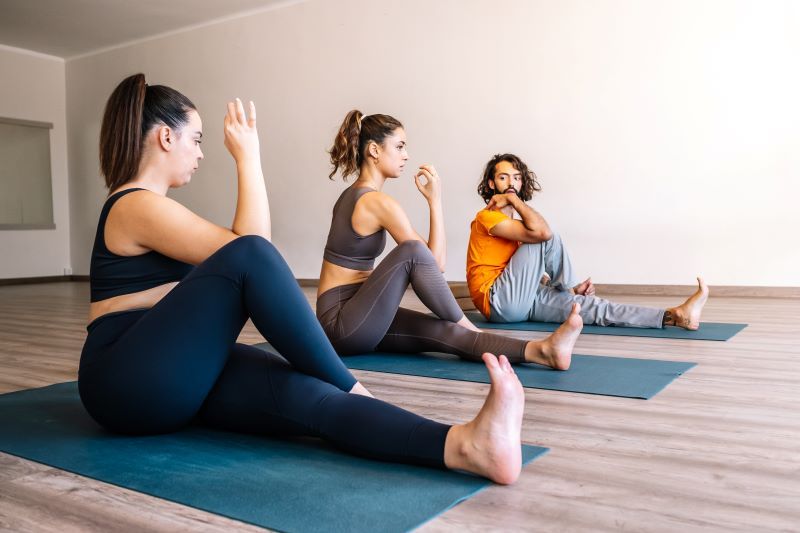
Every pose in yogase has its benefits, which aim to improve the practitioner's general health and well-being. Practising Vakrasana daily can have a positive effect on your mind and body. It improves blood sugar levels and reduces the risks of diabetes and heart disease. Further, this yoga pose stimulates the pancreas and combats digestive problems by regulating the secretion of digestive juices.
Moreover, read this article to learn more about this exercise and its benefits in managing weight and diabetes.

Table of Contents

Vakrasana, or Half-Spinal Twist, is derived from the Sanskrit words 'Vakra', meaning 'twisted', and 'asana', meaning 'posture’. It is one of the most complex and flexible exerciss, requirinbending and curlingve your spine. However, this yoga posture is also termed a 'twisted pose' as it allows you to strengthen and stretch your spine and properly massage your abdominal areas.
Performing this exercise regularly will reduce various complications that may arise due to diabetes or other diseases. Now, let us see the benefits of the half-spinal twist pose.
Optimally practised daily for maximum advantage in your yoga routine, ensure you do this position for 20-30 seconds on each side, repeating twice or thrice. Regular practising of this exercise will not only help boost spinal flexibility but also improve digestion. It also helps detoxification, promoting general, physical, and mental well-being.
Vakrasana, also known as the twisted pose, is a very powerful yoga posture with many health benefits. The seated twist enhances physical flexibility, strength, mental clarity, and emotional stability. A deep dive into the top 14 health benefits of Vakrasana will drive home its profound influence on different aspects of your life.
As you perform the half spinal twist posture in a seated position, you must twist your trunk to both sides. This stimulates the pancreas and helps the flow of digestive juices into your body, which, in turn, eases the digestion process.
The half-spinal twist pose allows you to sit straight and perform the exercise. This, in turn, allows your body to throw out the stagnated blood from the spinal area. However, this blood is then sent to the lungs and the heart for purification, enhancing lung capacity.
Twisting and turning your body during these postures helps relieve back, neck, and head pain. However, as you perform this exercise daily, you will notice a significant change over time.
Practising half spinal twist will offer fantastic relief if you suffer from a menstrual disorder, constipation, or cervical pain. In addition, regularly practising this pose can reduce or prevent the occurrence of various abdominal issues.
If you have a stiff body, practising the half-spinal twist pose will induce flexibility as you twist and turn your body. Further, this will reduce the stiffness as you become more comfortable with your body.
This yoga posture promises an effective massage to the lower abdominal regions and organs, including the pancreas. Therefore, your pancreas tends to secrete more insulin, which further controls the blood sugar levels in your body and helps prevent diabetes.
Vakrasana helps lower stress and anxiety levels by inducing deep breathing and relaxation. This posture also serves as a form of meditation that relaxes the nervous system, producing a sense of peace.
The practice of Vakrasana calls for concentration and mindfulness, which can increase mental clarity and focus. For example, improved attention span due to this pose might be helpful at work or even during studies.
The pose promotes calmness, facilitating relaxation that, in turn, reduces fatigue related to mental processes, thus ensuring emotional stability. It will help us to better manage our emotions by improving overall mental health.
This yoga pose strengthens your central nervous system. It also enhances neural function by stimulating nerves along the spinal cord, thus improving your overall neurological condition.
By twisting the body, nutrients, oxygen, and blood can flow to the urinary organs, promoting a well-functioning urinary system. This improved blood circulation supports proper kidney and bladder function.
Through squeezing and stretching of the abdominal muscles in Vakrasana, good blood flow occurs throughout the body. Therefore, all body parts receive sufficient oxygen needed for normal functioning.
Slip discs have been treated using Vakrasana, with indications it is highly beneficial in treating sciatica patients. Back pressure relief comes from the twist that decompresses the spine, while pinching helps in pain.
Adrenal glands will stay healthy because of the movements involved in the posture twist. The adrenal glands are stimulated to maintain hormonal balances and handle stresses effectively.
Vakrasana, famous for its spinal twisting effects, has several variations, each offering different benefits at various levels of flexibility and strength.
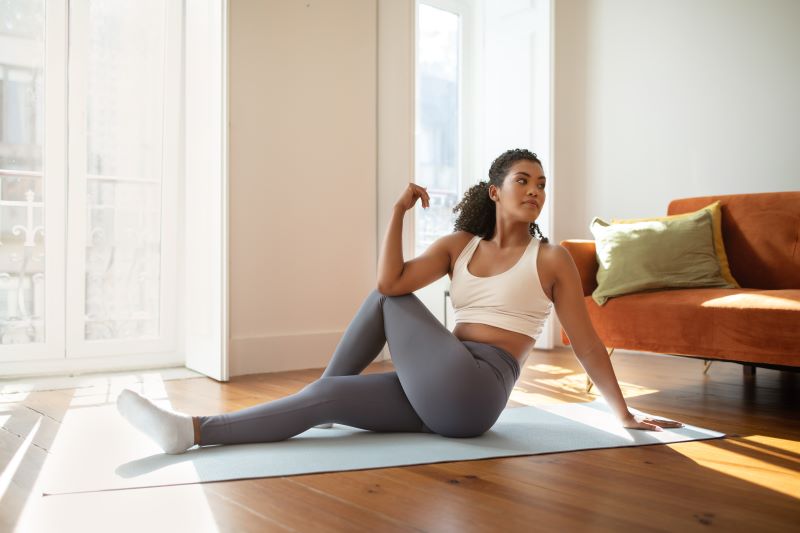
It is a basic form of Vakrasana that beginners can easily practise. Extend your legs while sitting and bend your right knee to the side. Now turn your trunk towards the right and tuck in the left elbow on the outside part of the right knee.
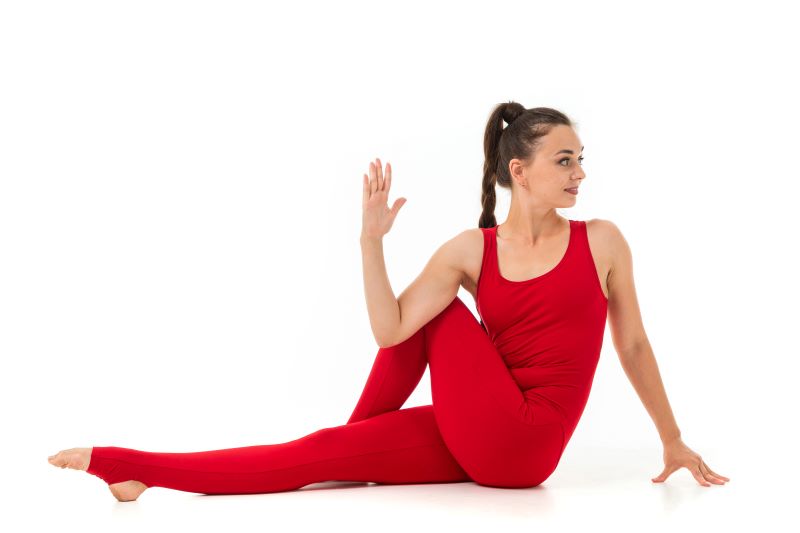
It offers a more powerful twist, hence deeper advantages. Sit with your legs extended forward and fold your right leg’s knee. Put back your right hand behind you and twist your torso to face towards your right, bringing the left elbow on the outside next to the right knee.
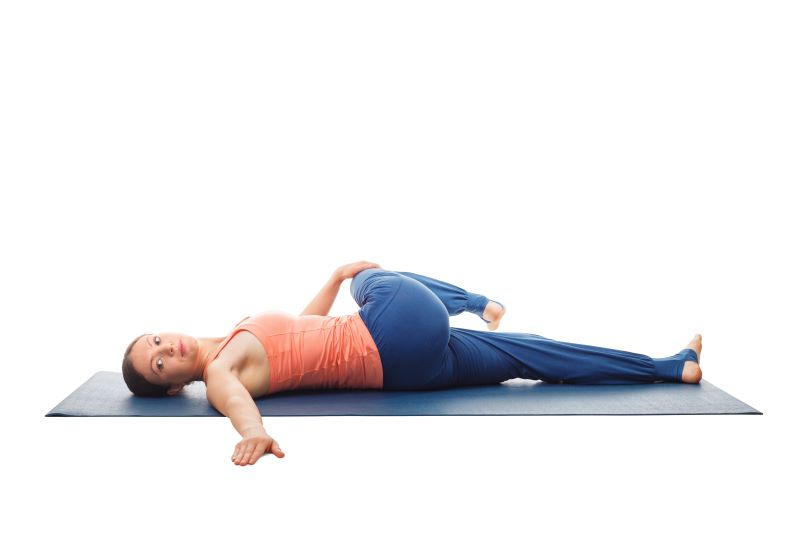
It is performed in a lying position, which makes it more calming and restorative. Lie flat on your back, bend both knees, and let them drop gently to one side while keeping your shoulders rooted.
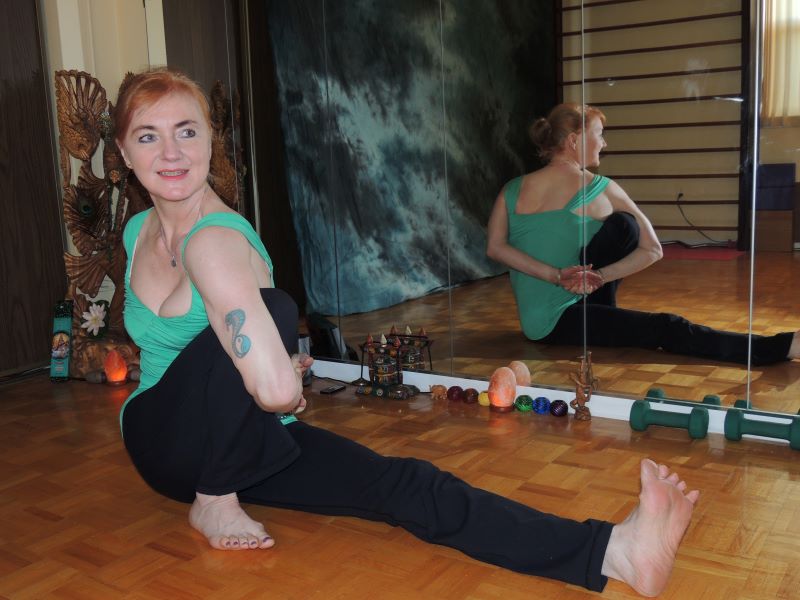
It is an advanced form that entails a deep twist and bind. Sit with your left leg extended, twist your upper body towards your right, and try to wrap your left arm behind the back of your right knee.
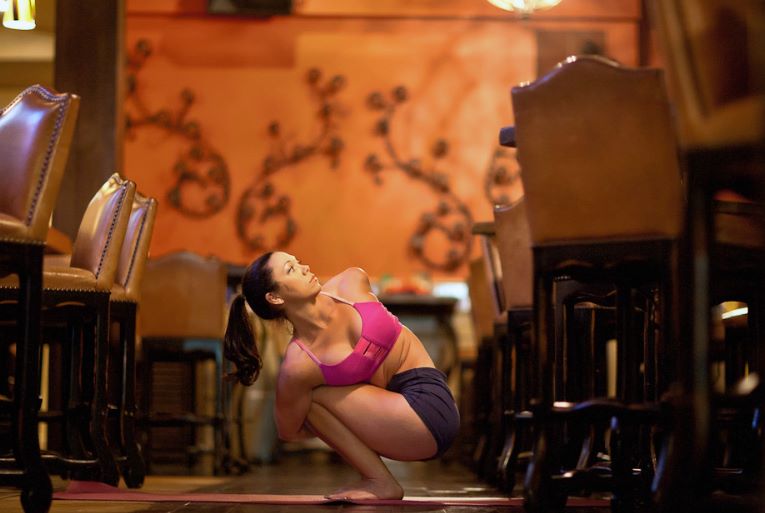
It is an advanced twist performed from a squatting position. Squat your feet together and twist your torso to the right. Now wrap your left arm around the outside of your thighs and pass it through between your under armpits. Then, put your right hand on the ground where the anterior part of your foot follows.
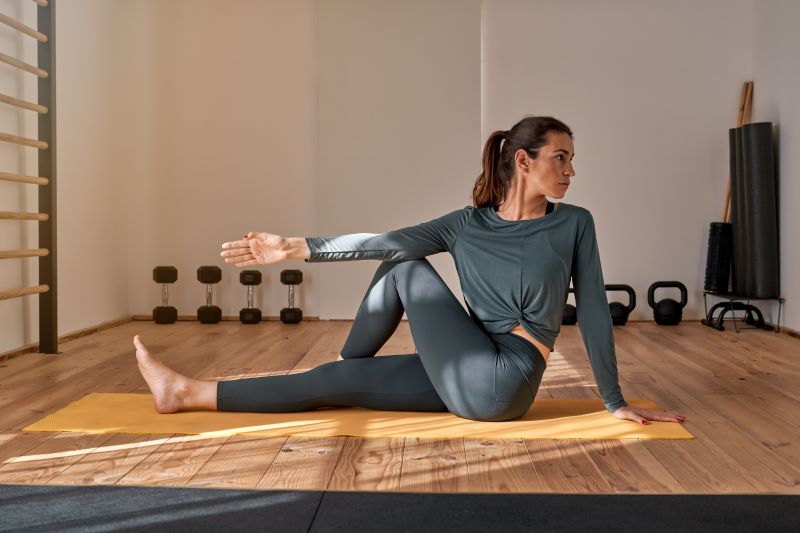
Since it is a complex exercise, you must follow the below steps to ensure you properly perform the exercise:
Step 1: Sit comfortably on your yoga mat or on the floor, keeping your spine straight and perpendicular to the floor.
Step 2: Stretch both your legs to the front and breathe.
Step 3: Bend your right leg at your knee, placing the foot at the side of your left leg. Do not forget to keep your knee straight and stretched properly.
Step 4: After this, place your right hand behind and rest your palms on the floor. Keep this in alignment with your right leg and away from your body.
Step 5: Breathe in slowly and place the left thigh on the right leg. Keep your elbows straight.
Step 6: Now breathe out and twist carefully to the right-hand part.
Step 7: Breathe normally, and do not rush into ending it. Hold this position for 2-3 minutes.
Step 8: Carefully and gently relax and exit from the posture to return to the original pose.
Step 9: Continue the process on the other side.
Having the right equipment and setting is very important to experience a practical and comfortable practice of Vakrasana. Here are some things you might need:
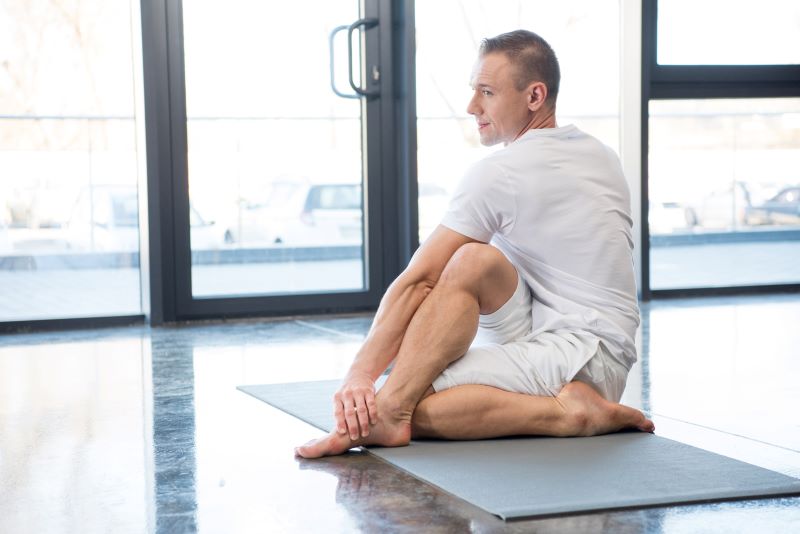
Vakrasana yoga is a challenging exercise and, therefore, requires expert supervision. Since there are twists and turns while performing this yoga posture, there are certain things you have to keep in mind before you begin the exercise:
As you are aware of the benefits of Vakrasana yoga, you must know that it comes with certain precautions and contraindications that you must follow:
As this yoga posture exerts pressure on your abdomen, you must avoid performing this exercise if you are pregnant.
If you suffer from extreme back pain, do not try this exercise, as this might worsen the situation.
Moreover, if you are suffering from an ulcer or hernia, it is better not to follow this exercise.
Try not to exert extreme pressure on the spinal regions as this might sprain the areas.
Try to align your shoulders at the same level during the yoga posture.
Here are the certain modifications of the half spinal twist:
So, now that you know about Vakrasana, its benefits, and the steps you can follow to practise, try to consult your trainer before beginning the pose. Also, stop continuing this exercise if you feel uncomfortable or in severe pain.
Vakrasana has many benefits, but not all people can do it. Certain people should avoid this posture or, at best, consult their medical practitioner or a certified yoga teacher before trying it.
Vakrasana is one of the most versatile and beneficial yoga asanas. It has various physical benefits, such as enhancing spinal flexibility, improving digestion, and mental advantages. Additionally, this pose is a good one to include in your yoga practice for relieving stress and helping you regain focus.
However, some health issues that may contraindicate this pose should be included, mainly if one requires support from an expert. As long as we identify its limitations when doing Vakrasana, we will maximise its use by living a healthier life.