General
Life
Accessibility Options


General

General Products
Simple & Transparent! Policies that match all your insurance needs.
 Car Insurance
 Two Wheeler Insurance
 Commercial Vehicle Insurance
 Health Insurance
 Home Insurance
 Travel Insurance
 Business Insurance
Car Insurance
Two Wheeler Insurance
Commercial Vehicle Insurance
Health Insurance
Travel Insurance
Business Insurance
Car Insurance
Two Wheeler Insurance
Commercial Vehicle Insurance
Health Insurance
Travel Insurance



Scan to download

Life

Life Products
Digit Life is here! To help you save & secure your loved ones' future in the most simplified way.
 Term Life
 Savings Plan
 Retirement and Pension Plans
 Group Life Products
 Product Documents
Term Life
Savings Plan
Retirement and Pension Plans
Group Life Products
Product Documents
Term Life
Savings Plan
Retirement and Pension Plans
Group Life Products

Scan to download

Claims

Claims
We'll be there! Whenever and however you'll need us.
 Customer Support
 Motor Claims
Health Claims
Motor Claims
Health Claims
 Marine Insurance
 Grievance Redressal
Customer Support
Motor Claims
Health Claims
Marine Insurance
Grievance Redressal
Grievance Redressal
Customer Support
Motor Claims
Health Claims
Marine Insurance
Grievance Redressal

Scan to download
 General
 Life
General
Life
Life
General
Life
Renewals
Resources

Resources
All the more reasons to feel the Digit simplicity in your life!
Exclusive Features
 Transparency Report
Others
Exclusive Features
Transparency Report
Transparency Report
Others
Exclusive Features
Transparency Report

Scan to download


Our WhatsApp number cannot be used for calls. This is a chat only number.

 Grey Scale
 Readable Text
 Reset
Reset




Engaging in aerobic exercises is essential for maintaining overall health and wellness. Two of the most accessible and effective aerobic activities you can incorporate into your daily routine are walking and cycling. These exercises are great for keeping fit and contribute to better heart health and digestive function.
Still, wondering which is the best exercise among the two? Stick to the article to explore the differences between cycling and walking and discover which suits you best.

Table of Contents

There can be many differences between cycling and walking concerning the muscles involved, the duration up to which you will be comfortable performing it, etc. Also, there are other factors involved. For example, if you are overweight, you may feel more comfortable riding first until you lose weight and start walking.
To better understand cycling or walking, which is better, let’s look at its differences in depth:
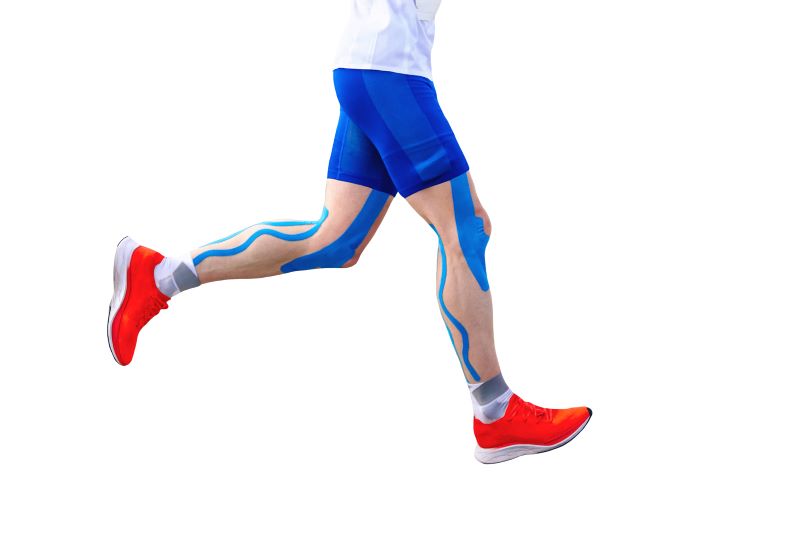
Both cycling and walking engage multiple muscle groups, enhancing overall strength, endurance, and flexibility. Different muscles involved in both activities include:
The above table explains the different parameters of cycling versus walking, which should give you an idea of which exercise is better for you. However, you may still wonder how to choose between these exercises.
While both are low-impact aerobic exercises and excellent workouts, you can choose by trying both at least once. It will give you a definite answer to which one is more comfortable and enjoyable. For this purpose, you do not have to buy a bike. You can rent or borrow one if you don’t have one.
However, for a comparison between the two, let’s look at some parameters:
Cycling is a healthy, low-impact aerobic exercise that is safe for people of all ages, from adolescents to the elderly. It is also cheap and does not harm the environment. By cycling daily, you work on your lungs, blood vessels, and heart, improving their function.
This is why you sweat, breathe deeper, and experience increased body temperature while cycling. As a result, you can reap the following benefits:
Decrease in stress level
Improvement in joint mobility
Strengthening of muscle and higher flexibility
Better cardiovascular health
Strengthening of bones
Reduction in depression and anxiety
Decrease in body fat levels
Undeniably, walking is one of the greatest and easiest ways to maintain your overall health. No special equipment or training is required. Just 30 minutes of walking can strengthen your muscles. You do not have to indulge in vigorous physical activity to maintain your health.
A 2007 study found that even 75 minutes of walking per week significantly improves fitness compared to being inactive. Moreover, since walking is a low-level exercise, anyone can perform it without risking hurting themselves. Some benefits associated with it include:
Increase in muscle strength
Reduction in the risk of experiencing heart stroke or other diseases
Improvement in balance
Better heart and lung health
Stronger bones
Reduction in body fat
Less risk of developing chronic diseases like type 2 diabetes, cancer, high blood pressure, etc.
While the wisest choice will be to perform either cycling or walking, it all depends on your discretion. It does not harm your body. However, keep a tab on your calorie intake. This means you can cycle, walk, or do both simultaneously. Also, doing both adds variety to your routine and increases your chances of sticking with the progra
If picking one of the exercises, cycling can benefit people with less time to exercise and enjoy a faster pace. Walking is for those who experience back pain. It can also be perfect for people with bone density issues and who have limited funds to buy or rent a bike.
Also, if you have any serious conditions, such as heart problems, arthritis, etc., consider getting medical help first and then ask your doctor if you can go cycling or walking. These serious problems require treatment, and hence, you must keep health insurance plan for yourself to cover the cost of such treatment.
According to research, individuals must aim to burn at least 2000 calories a week by exercising. However, when you cycle for one hour, you can burn only 300 calories/hour. So, to achieve the quantum, you may have to cycle twice a day.
The US DHS, WHO, and experts advise adults aged 18 to 64 to complete at least 150 minutes of physical activity weekly for optimal health. Aim for 30 minutes of daily exercise over 5 days to achieve this.
Consult a health expert or dietician if needed. While walking is equipment-free and preferred by many, cycling is enjoyed by others for its flexibility and convenience. Try both activities before deciding.
Both cycling and walking are generally safe for most people, but certain individuals may need to avoid these activities due to specific health conditions or concerns, including:
Many myths about cycling can mislead people. Here are some common misconceptions with the facts:
Walking is a simple and effective form of exercise, but several myths can cause confusion and here are some of them: