General
Life
Accessibility Options


General

General Products
Simple & Transparent! Policies that match all your insurance needs.
 Car Insurance
 Two Wheeler Insurance
 Commercial Vehicle Insurance
 Health Insurance
 Home Insurance
 Travel Insurance
 Business Insurance
Car Insurance
Two Wheeler Insurance
Commercial Vehicle Insurance
Health Insurance
Travel Insurance
Business Insurance
Car Insurance
Two Wheeler Insurance
Commercial Vehicle Insurance
Health Insurance
Travel Insurance



Scan to download

Life

Life Products
Digit Life is here! To help you save & secure your loved ones' future in the most simplified way.
 Term Life
 Savings Plan
 Retirement and Pension Plans
 Group Life Products
 Product Documents
Term Life
Savings Plan
Retirement and Pension Plans
Group Life Products
Product Documents
Term Life
Savings Plan
Retirement and Pension Plans
Group Life Products

Scan to download

Claims

Claims
We'll be there! Whenever and however you'll need us.
 Customer Support
 Motor Claims
Health Claims
Motor Claims
Health Claims
 Marine Insurance
 Grievance Redressal
Customer Support
Motor Claims
Health Claims
Marine Insurance
Grievance Redressal
Grievance Redressal
Customer Support
Motor Claims
Health Claims
Marine Insurance
Grievance Redressal
Scan to download
 General
 Life
General
Life
Life
General
Life
Renewals
Resources

Resources
All the more reasons to feel the Digit simplicity in your life!
Exclusive Features
 Transparency Report
Others
Exclusive Features
Transparency Report
Transparency Report
Others
Exclusive Features
Transparency Report
Scan to download


Our WhatsApp number cannot be used for calls. This is a chat only number.

 Grey Scale
 Readable Text
 Reset
Reset



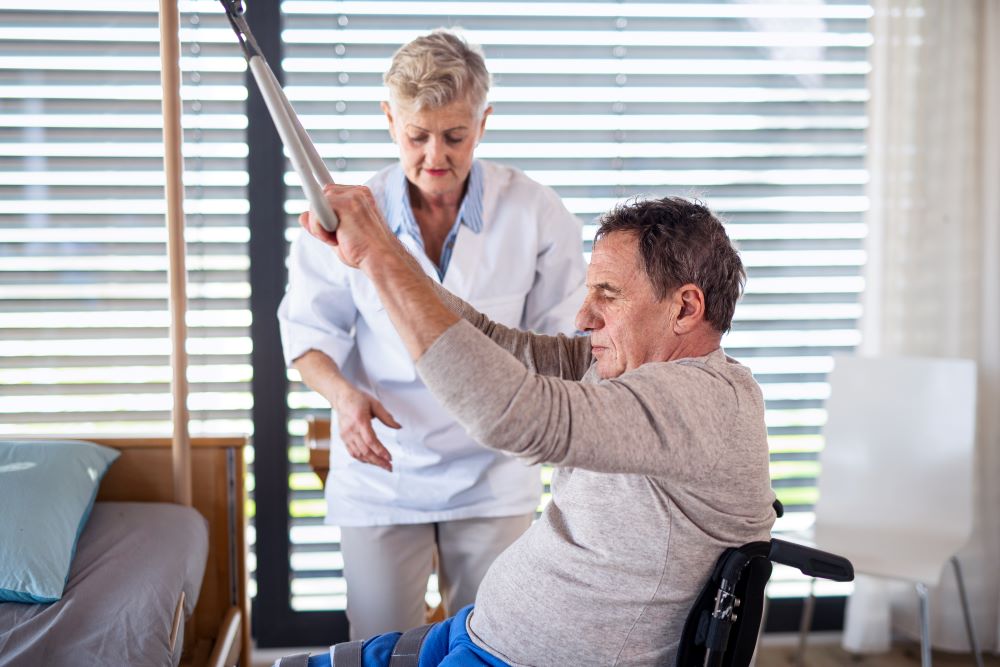
Securing an independent future is the least one can do in this fast-changing world with a busy lifestyle. Paralysis among stroke victims is a frequent problem. It can take you from being in excellent health to being unable to move your muscles for basic daily tasks.
While it might not guarantee a full recovery, exercise can improve a paralysed person's ability to move their muscles and stay active. This post offers some of the greatest, personally chosen exercises that work well for people with paralysis.

Table of Contents

Paralysis is losing control over muscles in some parts of the body. It can be complete or partial and may affect an individual area or many areas. Paralysis usually results from neurological disorders, spinal cord injury, or stroke. When paralysis is severe and where it occurs, muscle activity, sensation, and organ function can all be affected.
Numerous conditions that impair the nervous system can cause paralysis, which calls for thorough care and therapy. Here are some causes of paralysis:
Understanding these diverse causes is essential for developing targeted treatment plans and supporting recovery efforts for paralysis patients.
Exercise for paralysis patients may vary from one patient to another, depending on their level of functional abilities. In most cases, however, the arms can draw more energy and perform more activities than the legs. The following list of the best exercises for paralysis can help in this regard.
It would be unfair to think that an exercise for the hand will be sufficient to control hand muscles among paralysis patients fully. However, these exercises will help you regain some ability to move your hand muscles in the long term:
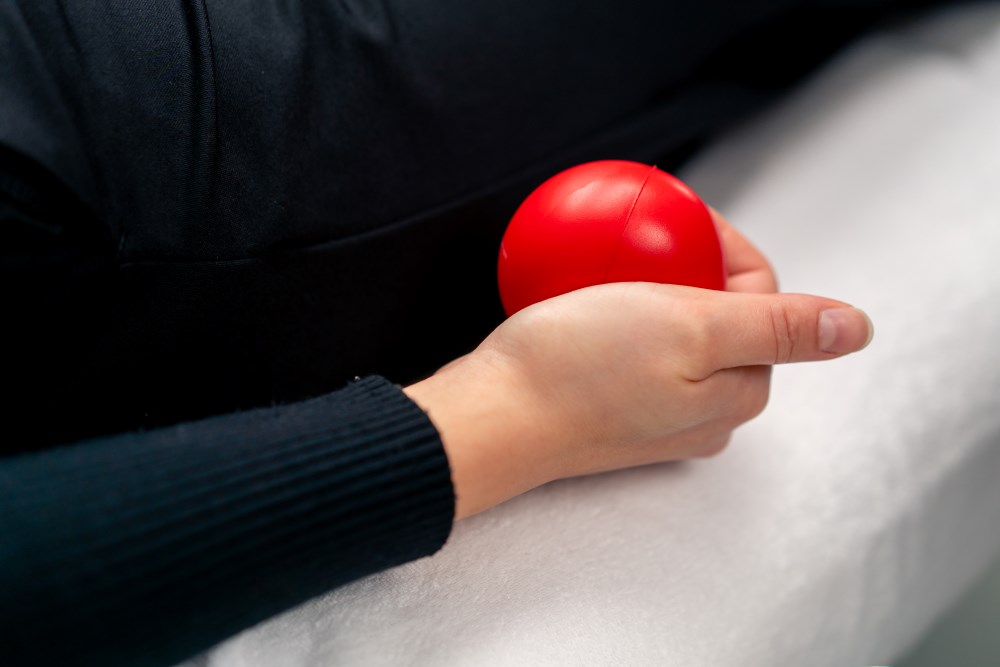
This is one of the simplest and most widely used hand exercises for most paralysis patients. You need to take a therapy ball in your palm and squeeze it firmly. Alternating between squeezing the ball and then releasing it gently can be an effective exercise for patients with paralysed fingers.
This is another crucial exercise for paralysed fingers. You will need therapy putty for this. Place the putty between two adjacent fingers, just above the webbing. Squeeze it using those two fingers. You should avoid using assistance from another hand while doing this.
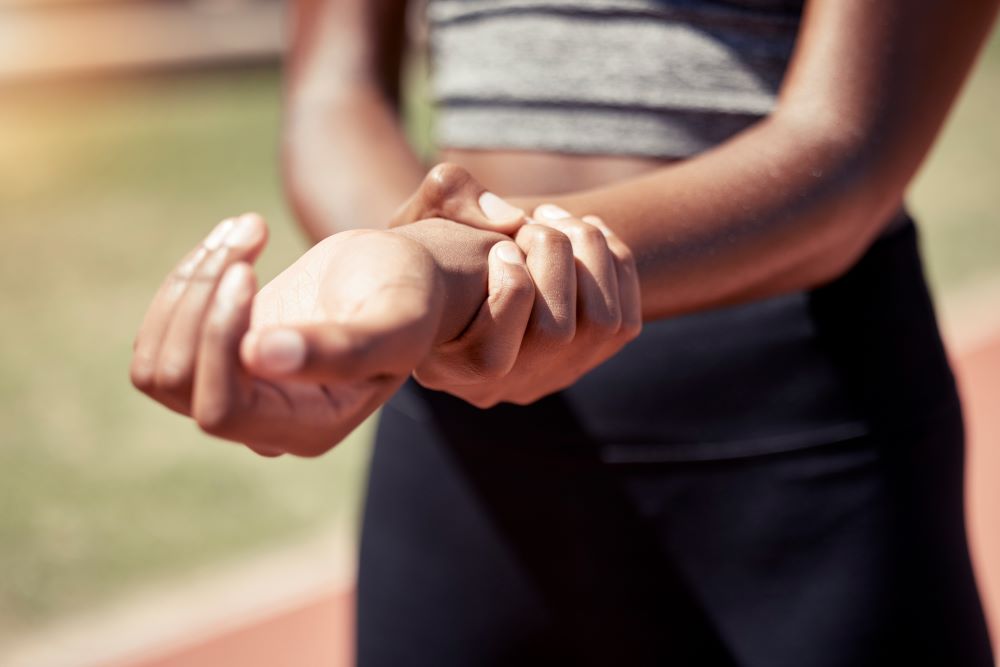
Place one hand in front of you on a table and the other hand's fingers behind the fingers of the first hand. Use the other hand's fingers to push the hand on the table towards you, but make sure not to stretch it too hard. Swap your pushing hand to move it against the exercising hand.
Place a water bottle in your affected hand and keep the fingers relaxed. Curl your fingers to grasp the bottle, and then release it. Keep repeating the procedure.
For a wrist curl, again hold the water bottle in your affected hand and use the non-affected arm to support it. Allow your wrist to stretch down and curl it up again.
Exercises for paralysis patients can be practical for those with affected legs. Legs are of primary significance in regaining independence. The following section discusses some of the most appropriate exercises for paralysed legs.
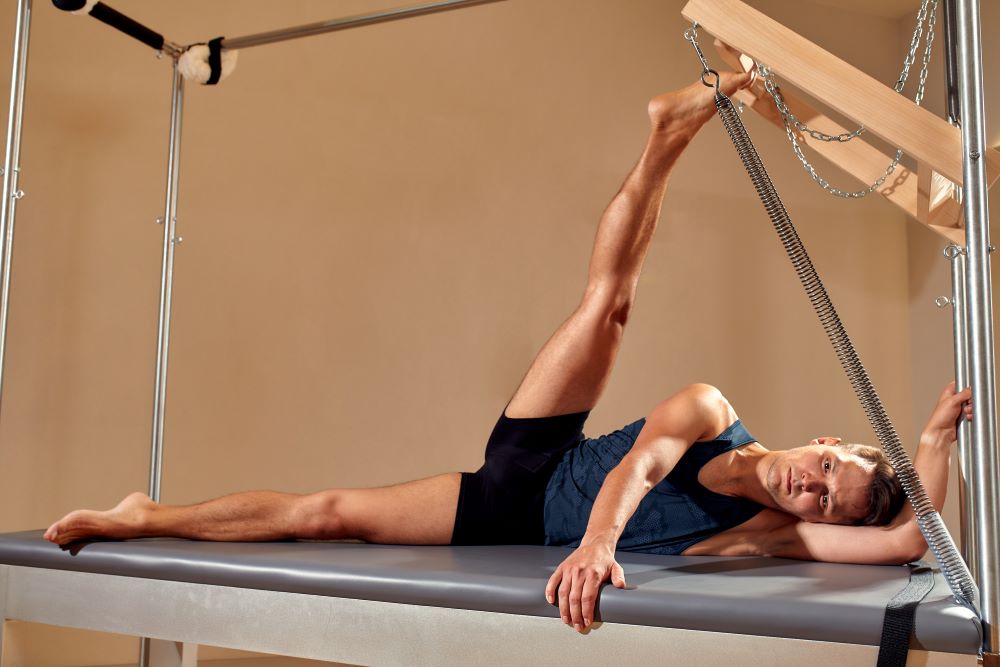
For this, slip the front half of your foot into the loop of your leg lifter. Next, lie with your foot in the leg lifter on top of your other leg. Start gently pulling your leg lifter's strap to raise your leg to the side. Continue to lift and drop about 15 times on one leg and then turn to the other.
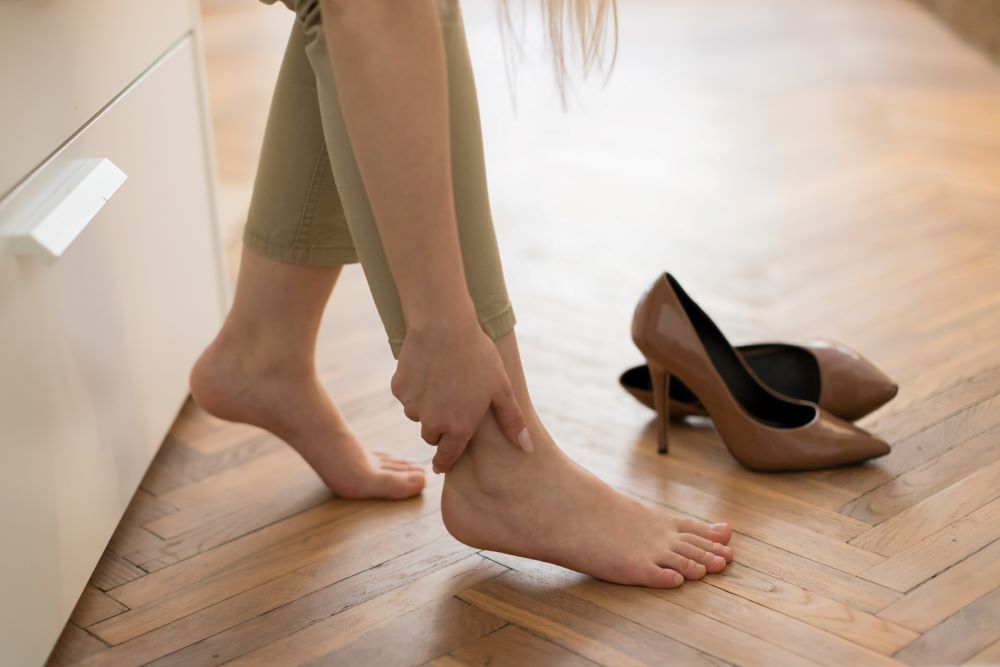
Sit with one leg bent to your side. Make sure that you can easily reach your feet. Use one of your hands to stabilise your ankle and another to move your foot in circles. Rotating the ankle clockwise and anticlockwise will ease blood circulation and free your mind of tension.
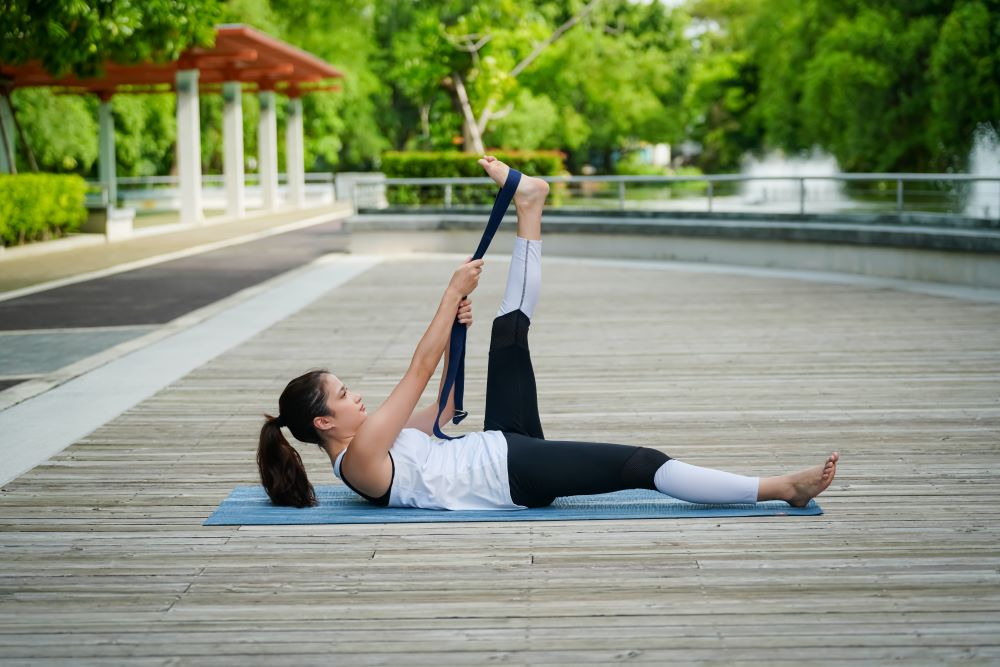
This can be another effective exercise for paralysis treatment. For this, you have to sit on the floor. You can keep the front half of your foot inside a leg lifter. Pull the strap up in a way that the entire leg is lifted off the ground. It would help if you kept pulling until you felt mild resistance and then held for about 15 seconds.
For this exercise for paralysis patients, while seated, lift your knees alternatively as if you are marching. Try bringing up the knees as high as possible. It helps develop crucial leg lifting motions, enabling you to walk without pressuring the joints.
Sit or lie down with your legs extended. Press the back of your knee into the floor or bed to tighten the quadriceps, the muscles on the front of your thigh. Hold for a short while before letting go. This exercise helps strengthen the quadriceps and improve knee stability.
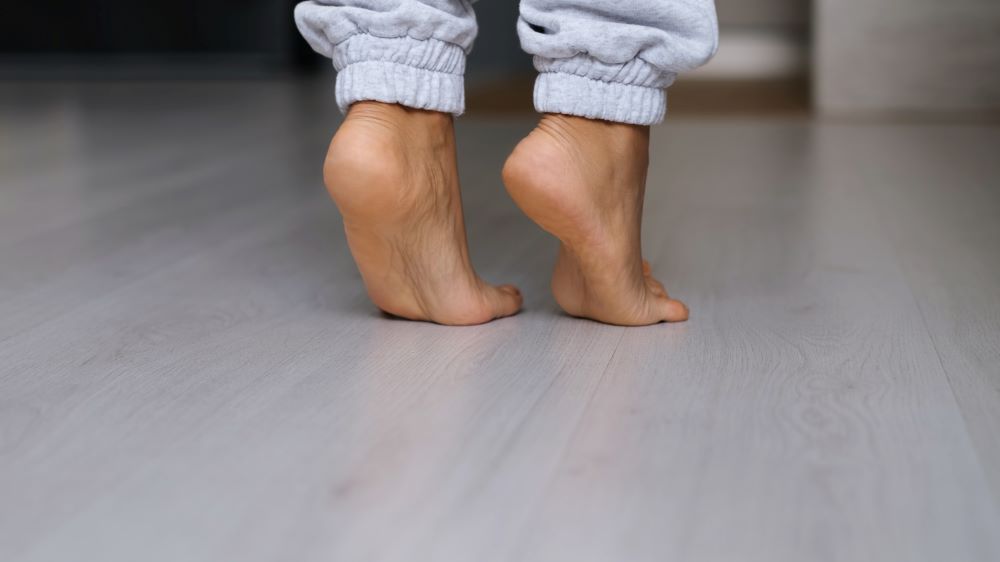
Place your feet hip-width apart and, if necessary, grasp a firm surface for support. Ascend to the balls of your feet and raise your heels to the maximum level you can. Retrace your steps slowly. This exercise targets the calf muscles and improves ankle strength and balance.
Lie on your back with your legs extended. As you move one heel towards your buttocks, bend your knee to a comfortable extent. After that, slowly extend your leg again. Repeat with the other leg. This exercise increases the flexibility and range of motion in the knee.
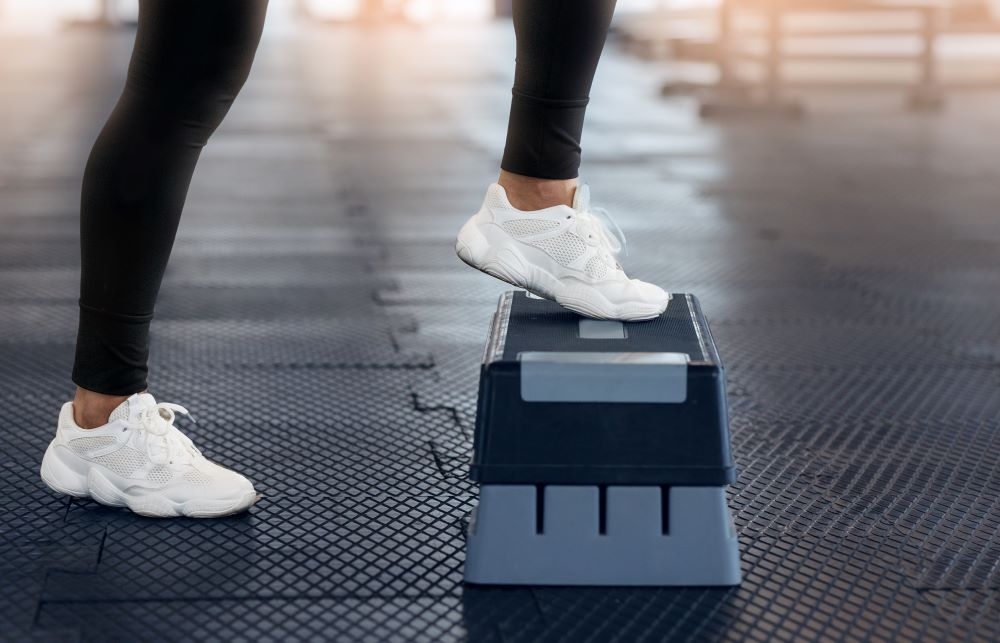
Stand in front of a step or sturdy platform. With the leg that is injured, step up onto the platform and then step back down. Repeat on the same leg several times, then switch to the other leg. This workout improves leg strength and tests balance.
Most patients with paralysis suffer from Bell’s palsy, which results in weakening facial nerves and causing temporary facial paralysis. The types of facial exercises for paralysis patients that can be beneficial are as follows:
One of the best exercises for the treatment of facial paralysis includes the movement of eyebrows. Look into the mirror and raise your eyebrows using the inner muscles. Hold it for about 15 seconds. You can also wrinkle your forehead after this. For the affected eyebrows, use your fingertips and make a firm stroke. Make a frowning face and bring the eyebrows down.
Compress your eyes and make them narrow, similar to when you try looking at the sun. Close your eyes first, and then look down without bending your neck. Place the back of your index finger on the closed eyelid and use the opposite hand to stretch the eyebrow upwards. This exercise helps to relax the eyelids and make them more active.
This exercise enables patients of Bell’s palsy to regain control over their lips and tongue. Open your mouth as if you are about to smile, and close it. Now, do the opposite and try to frown. Next, you can pucker your lips and allow them to relax. Try lifting various parts of your mouth and using a finger to lift the affected parts. Stick out your tongue and try to reach down your chin.
Other important mouth exercises for paralysis patients include the nose and cheek parts. Use your fingers to gently push up the skin next to your nose on the affected parts of your face while trying to wrinkle your nose. Try to inhale deeply while scrunching up your face and widening your nostrils. Blowing out the air, puff up your cheeks.
Patients who suffer from strokes frequently become paralysed and need specific exercises to help them recover. Here are some extra workouts to help with their recovery:
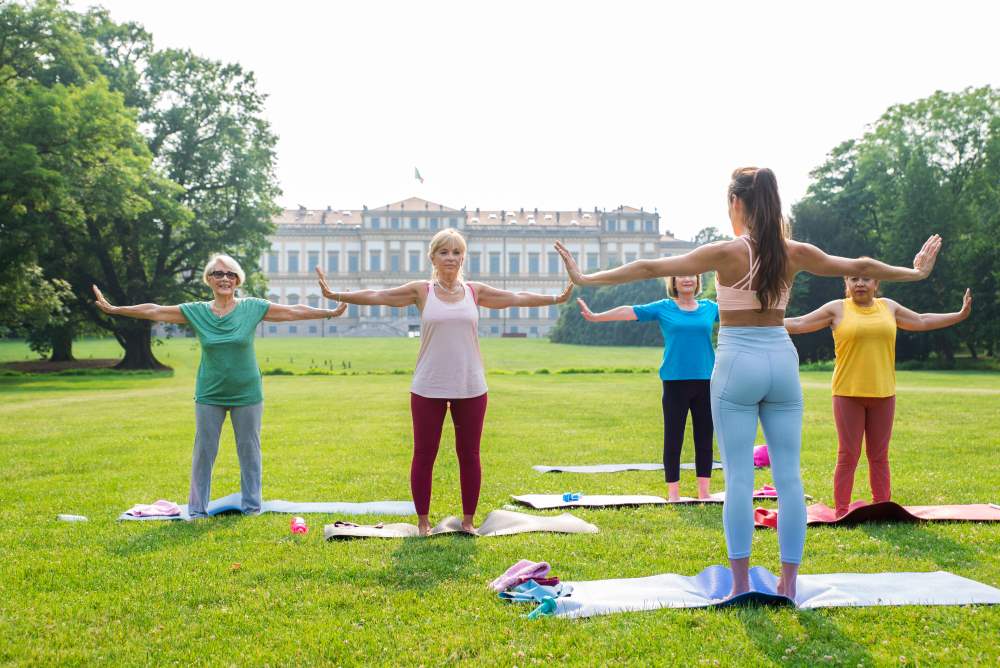
With your arms out to the sides, take a seat or stand. Make tiny circles with your arms as you gradually extend them. This exercise strengthens the arm muscles and helps with shoulder mobility.

With your arms by your sides, take a comfortable seat. As much as you can, bend the afflicted elbow, then fully extend it. Repeat this motion to increase the affected arm's range of motion and muscle strength.
Take a seat or stand, your arms relaxed by your sides. Raise your shoulders to your ears, hold them there briefly, and then lower them again. This exercise helps to improve posture and strengthen the muscles surrounding the shoulders.
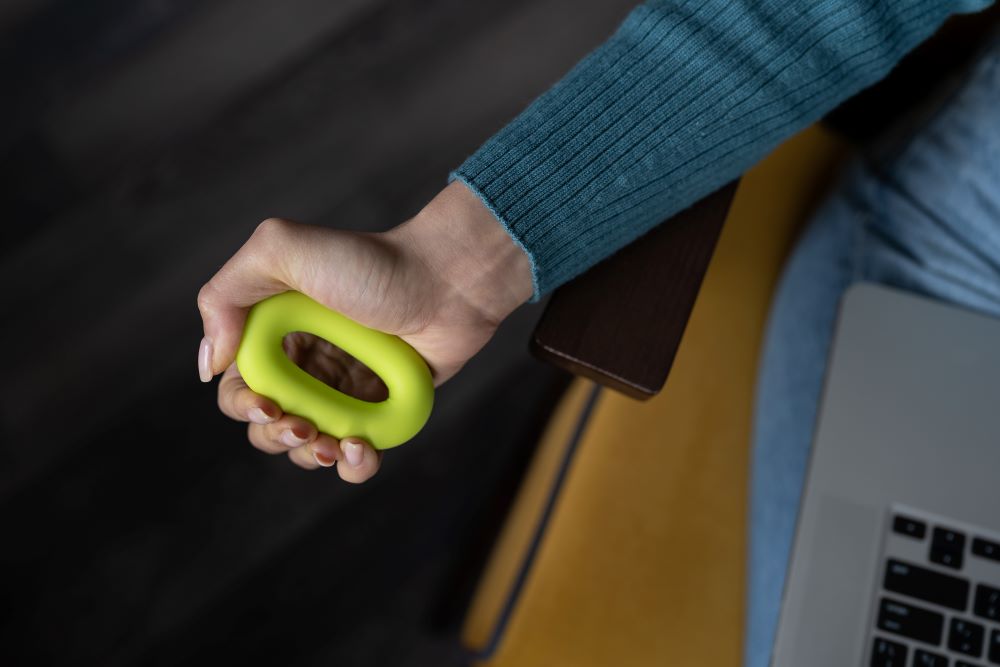
Use a stress ball or hand grip exerciser to build stronger hand muscles. For a few seconds, squeeze the ball or hold on to something as tightly as possible, then let go. To increase your grip strength and agility, repeat this exercise.
Ensure access to the necessary equipment for each routine before engaging in exercises tailored for paralysis patients. Some exercises, however, do not necessitate any specific equipment and can be performed with body weight alone.
Nonetheless, certain exercises necessitate particular equipment or assistance to optimise their efficacy in facilitating healing and enhancing mobility.
Below are the exercises for paralysis patients and the equipment required for each routine.
Exercise |
Required Equipment |
| Therapy Ball Squeeze | Therapy ball |
| Finger Scissors Spread | Therapy putty |
| Rolling Movement | Water bottle |
| Side Leg Lifts | Leg lifter |
| Hamstring Stretch | Leg lifter |
| Hand Grip Strengthening | A stress ball or hand grip exerciser |
| Calf Raises | Stable surface for support (optional) |
| Step-Ups | Step or sturdy platform |
Regardless of their health conditions, most people view physical activities and exercises as essential. It is necessary to boost stamina and endurance, release tightness in the joints and muscles, lower tension, and fall asleep. Patients who are paralysed find it difficult to perform physical tasks.
Patients with paralysis can avoid the development of diabetes, heart disease, obstructive pulmonary disease, carpal tunnel syndrome, hypertension, and respiratory diseases that can lead to paralysis by engaging in regular exercise.
However, there are exercises that paralysis patients can do to improve their condition and quality of life. These are easy exercises for those who are unable to move their muscles. Engaging in such activities can enhance their cardiovascular fitness, bowel and bladder function, and conditions related to fatigue and depression. Numerous surveys have revealed that regular exercise allows paralysed patients to move their muscles.
Understanding the distinction between active and passive rehabilitation exercises is crucial to tailoring effective recovery plans for paralysis patients. These exercises serve distinct purposes and can significantly impact the rehabilitation process.
Below are the characteristics and examples of both active and passive rehab exercises.
Types of Rehab Exercise |
Description | Example |
| Active Rehab Exercise | Requires the individual to complete a movement independently. | Performing hand squeezes with a therapy ball without assistance. |
| Passive Rehab Exercise | It involves assisting an affected body part through action, often requiring the help of a caregiver, therapist, or family member. Stimulates neuroplasticity in the brain to create new pathways for movement. | Using the unaffected hand to move the affected hand through a range of motion exercises. |
While exercises can be beneficial for paralysis patients' long-term improvement, they must maintain specific standards and requirements before doing so. For instance, the following factors list what you need to avoid while exercising.
Overeating before exercising
Drinking too much water or alcoholic beverages before exercising
Not following doctor's recommendations
Working too much and not sticking to a schedule
Not giving the body enough time to rest
Thus, you should avoid doing the activities mentioned above while exercising.
Depending on the complexity of the exercises and the individual's condition, supervision may be necessary to ensure safety and proper technique during paralysis exercises. Always consult with a healthcare professional for guidance.