General
Life
Accessibility Options


General
General Products
Simple & Transparent! Policies that match all your insurance needs.
 Car Insurance
 Two Wheeler Insurance
 Commercial Vehicle Insurance
 Health Insurance
 Home Insurance
 Travel Insurance
 Business Insurance
Car Insurance
Two Wheeler Insurance
Commercial Vehicle Insurance
Health Insurance
Travel Insurance
Business Insurance
Car Insurance
Two Wheeler Insurance
Commercial Vehicle Insurance
Health Insurance
Travel Insurance



Scan to download

Life
Life Products
Digit Life is here! To help you save & secure your loved ones' future in the most simplified way.
 Term Life
 Savings Plan
 Retirement and Pension Plans
 Group Life Products
 Product Documents
Term Life
Savings Plan
Retirement and Pension Plans
Group Life Products
Product Documents
Term Life
Savings Plan
Retirement and Pension Plans
Group Life Products

Scan to download

Claims

Claims
We'll be there! Whenever and however you'll need us.
 Customer Support
 Motor Claims
Health Claims
Motor Claims
Health Claims
 Marine Insurance
 Grievance Redressal
Customer Support
Motor Claims
Health Claims
Marine Insurance
Grievance Redressal
Grievance Redressal
Customer Support
Motor Claims
Health Claims
Marine Insurance
Grievance Redressal
Scan to download
 General
 Life
General
Life
Life
General
Life
Renewals
Resources
Resources
All the more reasons to feel the Digit simplicity in your life!
Exclusive Features
 Transparency Report
Others
Exclusive Features
Transparency Report
Transparency Report
Others
Exclusive Features
Transparency Report
Scan to download


Our WhatsApp number cannot be used for calls. This is a chat only number.

 Grey Scale
 Readable Text
 Reset
Reset



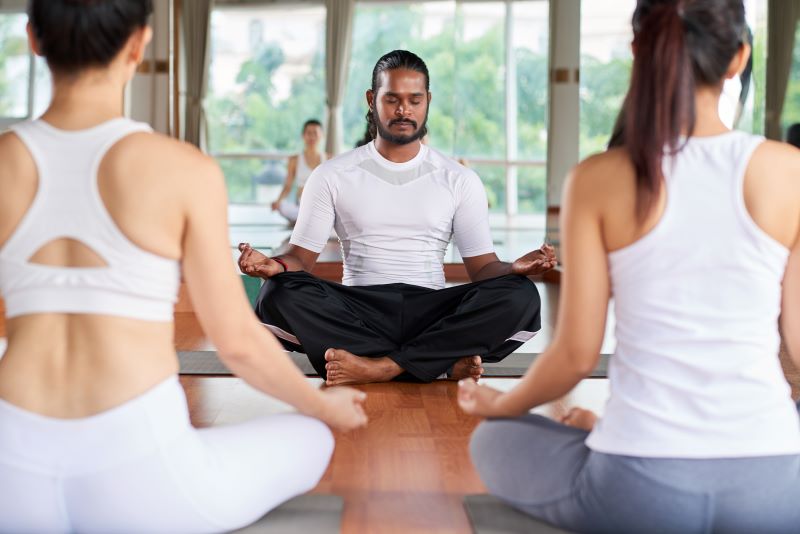
Yoga has become more popular than any other exercise because of how greatly it can affect your mental health and general well-being. A simple yoga asana that you can do for physical and mental fitness is padmasana. This asana is good for beginners who want to slowly build up their bodies before doing intense workouts.
Are you curious about the health benefits of padmasana? Then this is a great read for you! In this article, we will discuss these benefits and give an all-inclusive guide to this yoga asana.

Table of Contents

Padmasana, or lotus position, is a well-known sitting asana where one sits cross-legged. In Sanskrit, "Padma" means lotus flower; thus, its name originates from ancient Indian meditative practices where people place their feet on opposite thighs so that when performed. It looks like a blooming lotus, which aids proper breathing through meditation, improving mental health.
Coping with the highs and lows of physical and mental well-being in today's fast-paced world can be challenging. Practising padmasana may help improve these areas. Like a lotus that remains rooted to the earth regardless of water conditions, this yoga pose can help keep you grounded and energetic.
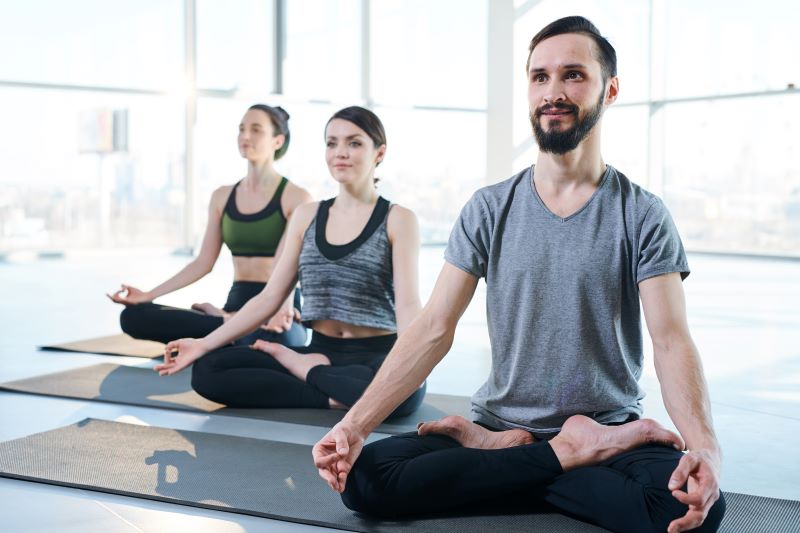
To effectively do padmasana, you need to know the steps. Although it is a simple yoga asana, mistakes can always be made. Below are some instructions to help you perform this pose correctly:
Step 1: Firstly, sit on the floor or on a yoga mat with legs stretched out in front of you.
Step 2: Now, bend your right knee and place it over your left thigh so the sole points upwards while the heel comes closer to the abdomen.
Step 3: Repeat the same process for the left leg by putting the left knee on the right thigh and keeping both feet on opposite knees.
Step 4: Straighten your spine upright and put your hands onto each knee, forming a specific mudra position; make sure your head remains level forward. After that, take slow and deep breaths continuously.
Padmasana is known for being a simple asana while providing multiple health benefits. Knowing these can help you become more aware and motivated while performing this asana. Here are some of the common advantages of padmasana:
Padmasana is a type of meditation that encourages controlled breathing and helps to calm the mind and soothe the nerves, which is an effective way to improve mental health. It can also help people achieve mental tranquility.
Stress and tension can often make getting a good night's sleep difficult. Stress at work and busy schedules can also force people to follow bad sleep habits. Practising padmasana before bed encourages focused and deep breathing, which promotes restful, sound sleep at night.
Tightness and joint pain have become more prevalent recently. Place one leg's feet on top of the other, stretching and extending this region. Regular stretching and blood circulation exercises in these areas strengthen the knee and ankle joints and subsequently lessen joint pain.
The padmasana pose provides a light abdominal massage, which facilitates improved digestion. Additionally, it improves the digestive system by increasing blood circulation in the abdominal region. Regular practice of this will aid in your recovery from digestive problems such as loose motion and constipation.
As it massages the pelvic region to enhance stability and endurance, padmasana helps to strengthen this area. The pelvic region experiences severe pain and contractions during the difficult process of childbirth. Padmasana helps you withstand these contractions, making your endurance more effortless.
It is inevitable for menstrual cycles to cause pain, cramping, and discomfort. As a result, padmasana stimulates blood flow by providing a light abdominal massage. It helps to relax the surrounding muscles somewhat and lessen cramping in these areas.
Padmasana can lessen your feelings of fear and anxiety, in addition to enhancing your mental health. In this pose, you must maintain an erect spine and open hips. You can then feel the good energy rising in your spine and learn to manage your feelings of vulnerability and anxiety.
In padmasana, you can expand your lung capacity by breathing deeply and deliberately. You can breathe more easily and absorb more oxygen as a result. It also enhances blood circulation around the lungs. It reduces the chance of stroke and other cardiovascular diseases.
This yoga pose can also help you look better and maintain a better overall physical posture. It makes you sit upright for extended periods, which improves the flexibility of your shoulders, back, and spine. Additionally, it stretches the shoulders, which helps your body adopt better posture.
Practising padmasana regularly can improve your ability to focus and concentrate. The asana encourages a calm mind, leading to better mental clarity and sharper attention spans, aiding in work or study. It allows better blood circulation to the brain.
Padmasana supports emotional stability by fostering relaxation and balance in the body and mind. Regular practice can help you manage your emotions more effectively and promote inner peace. The seated posture helps in relaxation and introspection.
Padmasana is an excellent position for practising pranayama or breath control. This yoga asana helps keep the body steady and allows for focused, deep breathing, enhancing the benefits of pranayama.
By improving blood circulation and facilitating proper breathing, padmasana can help strengthen the immune system. This can lead to better overall health and resistance to illness. Improved oxygen intake and blood flow can support your body's natural detoxification processes, helping it fight off infections more effectively.
Practising padmasana can assist with weight management by enhancing digestion and metabolism. Furthermore, by calming the mind and body, padmasana can help regulate appetite and promote healthier eating habits, supporting long-term weight management.
The deep breathing and enhanced circulation of padmasana can help the body's natural detoxification processes. This asana promotes the release of toxins through increased digestive system function and improved circulation.
Padmasana, or lotus pose, can be enhanced by incorporating mudras and specific hand gestures accompanying various yoga poses. Mudras help direct the body's energy flow, offering physical, mental, and spiritual benefits. You can integrate the following mudras to deepen your practice and focus your mind:
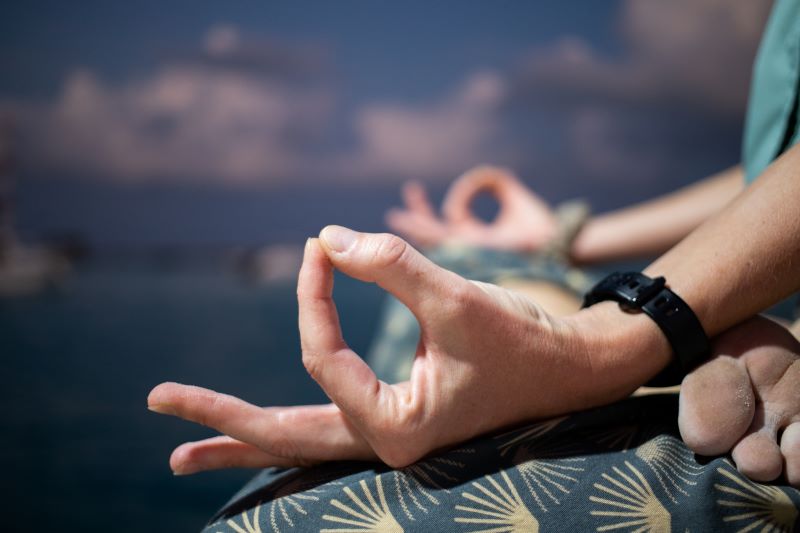
This traditional hand gesture promotes calmness and concentration. To perform chin mudra, touch the tip of your thumb to the tip of your index finger while keeping the other fingers straight and relaxed. Rest your hands on your knees, palms facing up.
Benefits of Chin Mudra: It helps regulate blood pressure, and it also boosts the immune system of your body. This mudra helps in stimulating the nervous system and pituitary gland.
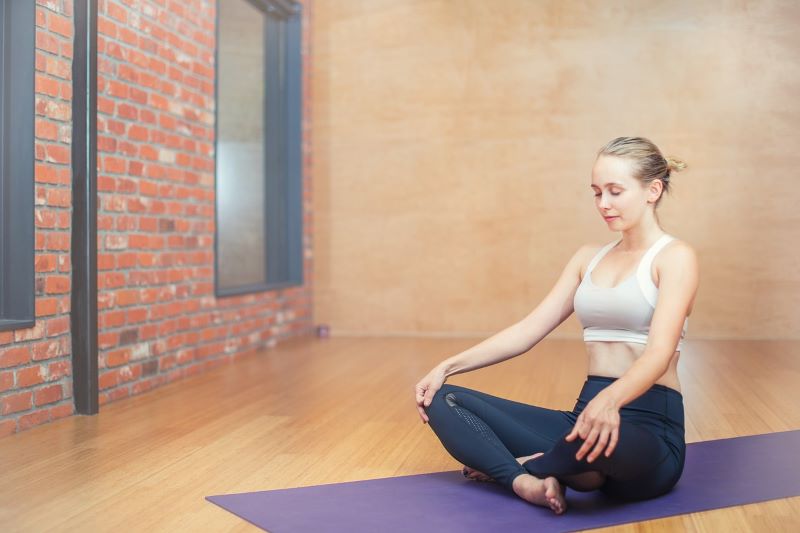
Similar to chin mudra, jnana mudra involves connecting the thumb and index finger, but this time, the palms face down on your knees. This mudra enhances wisdom and inner peace.
Benefits of Jnana Mudra: People who struggle to concentrate on important tasks can practice this mudra. It also helps the body to relax and get a peaceful sleep.
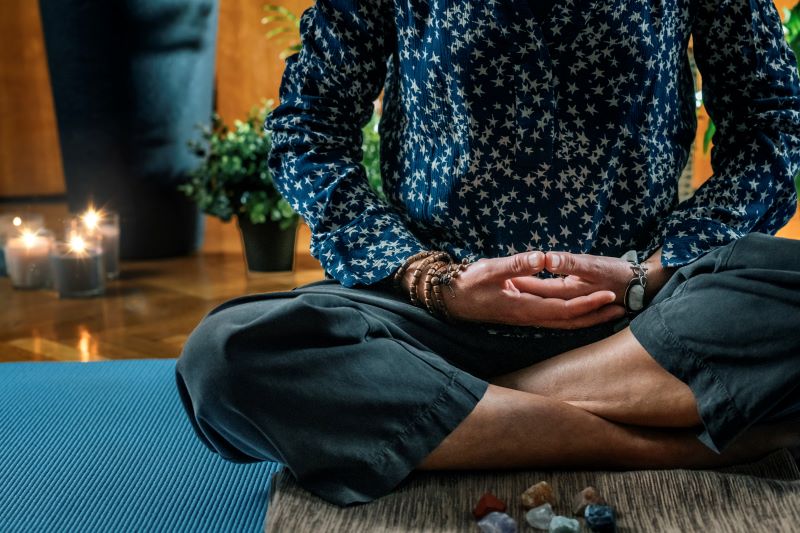
This mudra is often associated with meditation and deep focus. Place one hand on the other, palms facing upwards, and gently touch the tips of your thumbs together. Rest your hands on your lap.
Benefits of Dhyana Mudra: Dhyana Mudra helps in relaxing your mind. It helps in reducing stress, anger, anxiety, and various other negative emotions.
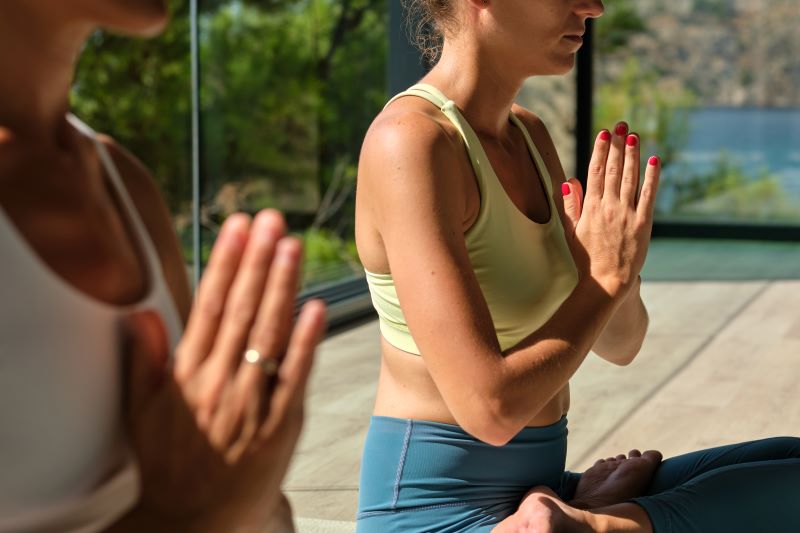
Known as the prayer pose, anjali mudra involves pressing the palms together at your chest level. This mudra promotes balance and harmony and can be performed as a gesture of gratitude at the beginning or end of your practice.
Benefits of Anjali Mudra: This mudra promotes balance and harmony and can be performed as a gesture of gratitude at the beginning or end of your practice.
Make a gentle fist with your thumb tucked inside your fingers, and rest your hands on your knees with palms facing up.
Benefits of Adi Mudra: Adi mudra helps calm the nervous system and enhances breathing. It improves our body's oxygen flow and helps lower bad cholesterol levels.
There can be two types of padmasana. First, you must select the position based on your requirements and expertise. Here are the two types:
As the name suggests, it is like performing half the asana. Instead of crossing both legs, you must place only one foot on the opposite thigh. This is effective for beginners who find the pose slightly challenging.
This is the actual padmasana, which requires completing a locked lotus pose. Both your feet should rest on opposite thighs. Moreover, your hands should go around the back to catch the opposite foot. It is a complicated pose, adequate only for experienced individuals.
Before beginning your padmasana practice, several important aspects must be considered to ensure a safe and effective session. Proper preparation can help maximise the pose's benefits and avoid potential discomfort or injuries.
The duration you should sit in padmasana or lotus pose can vary depending on your experience level and comfort. It's essential to listen to your body and gradually increase the duration as you become more proficient.
Remember, the key is to build your practice gradually and not push yourself beyond your limits. If you experience discomfort or pain, gently release the pose and rest your body. Always listen to your body and respect its boundaries.
Although padmasana, or lotus pose, has many physical and psychological advantages, doing too much of it can have negative effects. To prevent strains or injuries, practice this pose carefully and within your comfort zone.
To reduce these risks, it is crucial to practise padmasana with the correct alignment and form. Always warm up before attempting the pose and ease into it gradually. However, if you perform Padmasana daily, there is a high chance you might experience some injury. Hence, you must keep a health insurance plan to protect yourself during a financial emergency in case you require treatment.
While padmasana seems like an easy yoga asana, it can be challenging for you if you are a beginner. However, the following tips will help you perform this asana without hassle:
Initially, it would help if you started with the Ardha padmasana pose, which will help you get used to the position of crossing legs with a lower difficulty level. Then, once you get habituated, you can perform the full pose.
In the beginning, practice this pose only for a short period. Then, increase the practice time as your expertise with this pose increases.
Taking long breaths while sitting in the position can be beneficial. It will help you calm your mind and collect your thoughts.
Practising this pose early in the morning and before bed at night is advisable. This helps improve your sleep routine and gives you a healthy start to the day.
Avoid forcefully pulling the leg upwards while bringing a foot to the opposite knee. This can damage the tissue.
Avoid letting your feet move towards inversion, where the feet move towards the inner shin once the ankles roll in. This can hurt your ankles, causing a sprain.
To make it more challenging, place both hands on the ground, keeping them adjacent to the body. Now, try to lift your body slightly off the ground with the support of your hands.
If you start practising padmasana, you should know its precautions and contraindications. These will help you avoid possible negative consequences. Here are some precautions you should keep in mind:
Avoid this yoga asana if you have stomach, back, or knee pain. It usually targets these muscles and might increase pain.
People who recently suffered injuries in the spine, leg, or ankles should not attempt this yoga asana until they recover completely.
If you have a chronic back problem, leg sprain, or calf injury, you should not attempt this yoga asana, as it might have side effects in these areas.
This yoga asana is unsuitable for people suffering from sciatica or weakness in the sciatic nerves.
If you plan to practice this yoga for a while, stretch your hands and legs before starting.
Practising this asana with a full stomach might result in issues like nausea and indigestion. It would help if you did it on an empty stomach.
While padmasana, or lotus pose, can offer significant benefits, it may only suit some. Certain individuals should avoid this pose to prevent injury or complications.
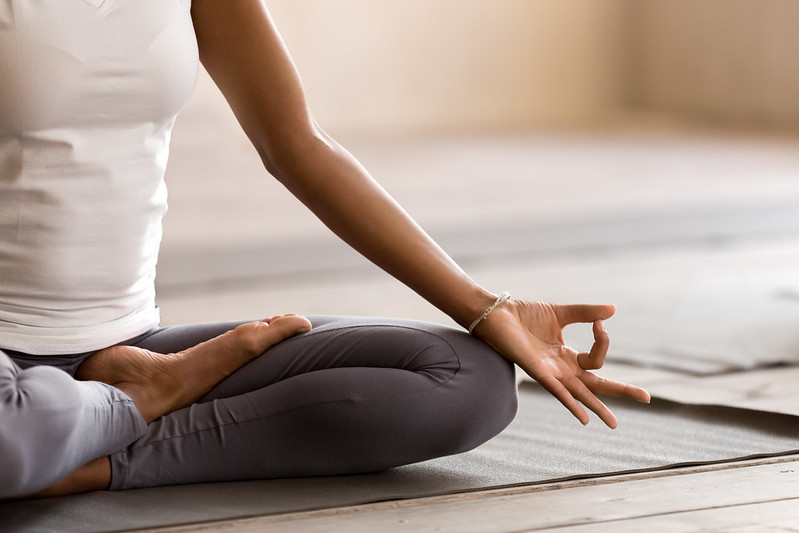
If padmasana is difficult, here are a few simple modifications to help you get started. These are listed in the following order:
Cobbler's Pose, Hero Pose, and Head-to-Knee Pose are easy yoga poses that will help you prepare for this pose.
To prevent problems like this, you can place rolled-up blankets or pillows under your hips or above your knees when you sit cross-legged.
When executing this yoga pose, you can use the wall's support to maintain an erect spine and back. You can hold the pose for longer and find it less difficult.
You can release your hip flexors by putting yoga blocks under your knees.
Your pelvis and spine become more aligned when you sit on a yoga blanket.
As you can see, padmasana's benefits regarding physical and mental health are immense. Sitting is the preferred position for completing this basic yoga pose. To prevent complications, beginners should begin with Ardha padmasana. Enhancing the strength of the back, spine, and pelvis can also be helpful.