General
Life
Accessibility Options


General
General Products
Simple & Transparent! Policies that match all your insurance needs.
 Car Insurance
 Two Wheeler Insurance
 Commercial Vehicle Insurance
 Health Insurance
 Home Insurance
 Travel Insurance
 Business Insurance
Car Insurance
Two Wheeler Insurance
Commercial Vehicle Insurance
Health Insurance
Travel Insurance
Business Insurance
Car Insurance
Two Wheeler Insurance
Commercial Vehicle Insurance
Health Insurance
Travel Insurance



Scan to download

Life

Life Products
Digit Life is here! To help you save & secure your loved ones' future in the most simplified way.
 Term Life
 Savings Plan
 Retirement and Pension Plans
 Group Life Products
 Product Documents
Term Life
Savings Plan
Retirement and Pension Plans
Group Life Products
Product Documents
Term Life
Savings Plan
Retirement and Pension Plans
Group Life Products

Scan to download

Claims

Claims
We'll be there! Whenever and however you'll need us.
 Customer Support
 Motor Claims
Health Claims
Motor Claims
Health Claims
 Marine Insurance
 Grievance Redressal
Customer Support
Motor Claims
Health Claims
Marine Insurance
Grievance Redressal
Grievance Redressal
Customer Support
Motor Claims
Health Claims
Marine Insurance
Grievance Redressal
Scan to download
 General
 Life
General
Life
Life
General
Life
Renewals
Resources
Resources
All the more reasons to feel the Digit simplicity in your life!
Exclusive Features
 Transparency Report
Others
Exclusive Features
Transparency Report
Transparency Report
Others
Exclusive Features
Transparency Report
Scan to download


Our WhatsApp number cannot be used for calls. This is a chat only number.

 Grey Scale
 Readable Text
 Reset
Reset



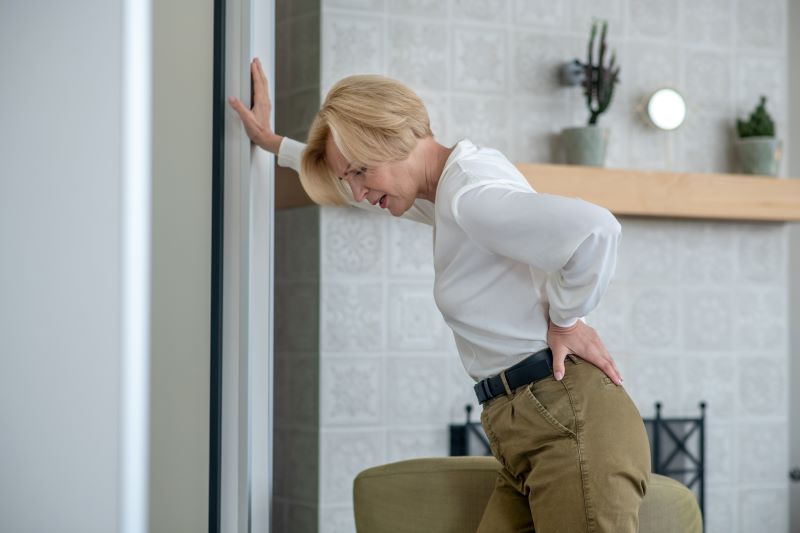
The lumbar spine, or lower back, is an intricate network of interconnected bones, joints, muscles, ligaments, and nerves that combine to provide support, flexibility, and strength. However, the lower back's intricate anatomy also makes it prone to pain and injury. Lower back pain is a widespread problem resulting from any injury to the tendons or muscles in the back.
Medications alone cannot cure this problem; thus, proper exercise and rest are necessary. Keep reading to learn more about exercises for lower back pain.

Table of Contents

Sharp or mild pains in the lower back for any reason are lower back pain. Additionally, it may result in pain that travels to other parts of the body, particularly the legs. It may result in poor sleep, depression, and anxiety.
Anyone can develop lower back discomfort anytime, even without a history of injuries or other risk factors. It gets better on its own and is not necessarily serious. However, there are situations where pain is your body's way of alerting you to a problem.
If one experiences any of the following symptoms, one can understand if he or she has lower back pain.
Muscle tightness in the pelvis, lower back and hips
Difficulty in standing up straight or going from standing to sitting or walking
Achy or dull pain in the lower back of the body
Worsened pain in the lower back after prolonged standing or sitting
Burning and stinging pain moves from the lower back to the lower feet or legs or sometimes to the backs of the thighs. This condition is also known as sciatica.
Multiple reasons can cause lower back pain. A few of them are listed below.
Lower back pain is a common condition affecting people of all ages. However, there are also several exercises that you can do to help relieve lower back pain and prevent it from coming back. Here are a few of the best exercises for lower back pain:
Lower back pain can be a real drag but don't worry, some gentle stretches can help loosen tight muscles and bring relief. Here are a few easy exercises to target your lower back and get you feeling better:
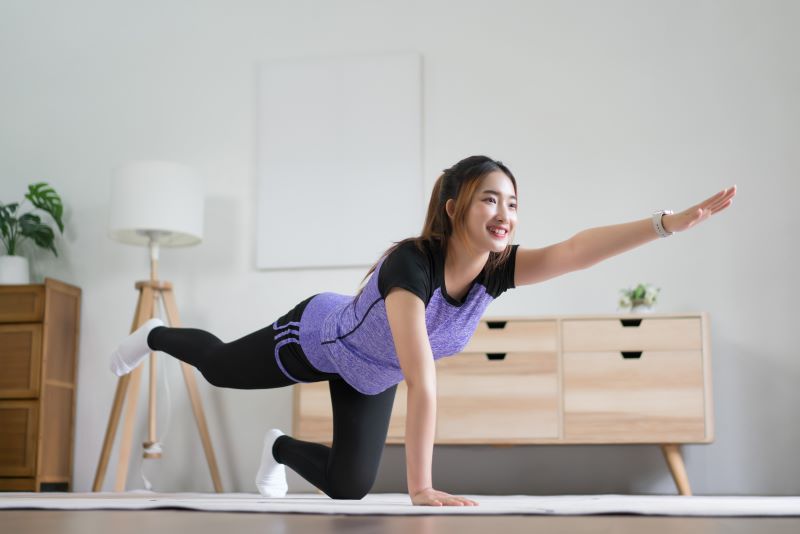
The bird-dog exercise efficiently works on the gluteal muscles and reduces stress on the lower back. It also helps exercise the back extensor muscles, which allow one to stand, lift objects, and bend.
Kneel on your hands and knees and stretch the right arm straight out. Slowly lift your left leg and extend it straight out behind the body. Repeat this whole set for 5 times.
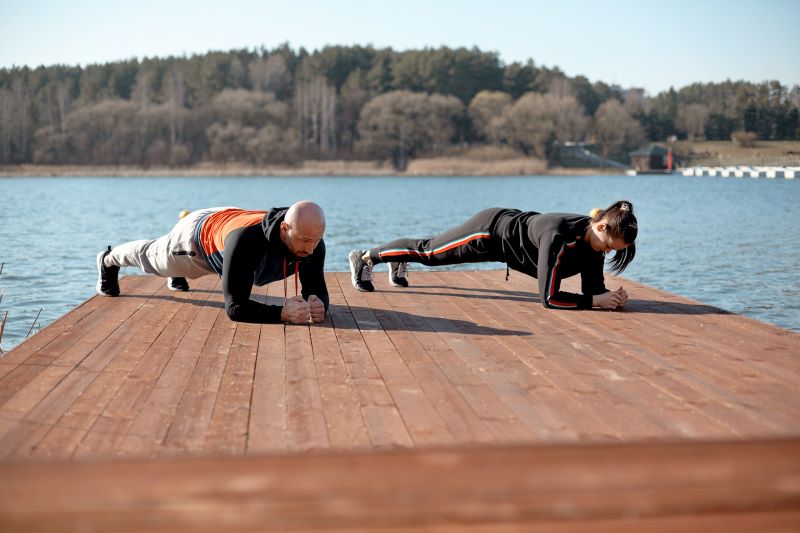
The plank exercise primarily focuses on the abdominals of one's body and engages the shoulders, arms, feet, and hip flexors, making it a full-body exercise. Planks activate the back extensor muscles and the deepest back muscle- quadratus lumborum and are highly effective for spine stabilisation.
Lie on your stomach with your forearms against the floor. Lift your hip and both knees above the floor and hold this position for 10-30 seconds without letting the pelvis muscles touch the floor to perform a plank.
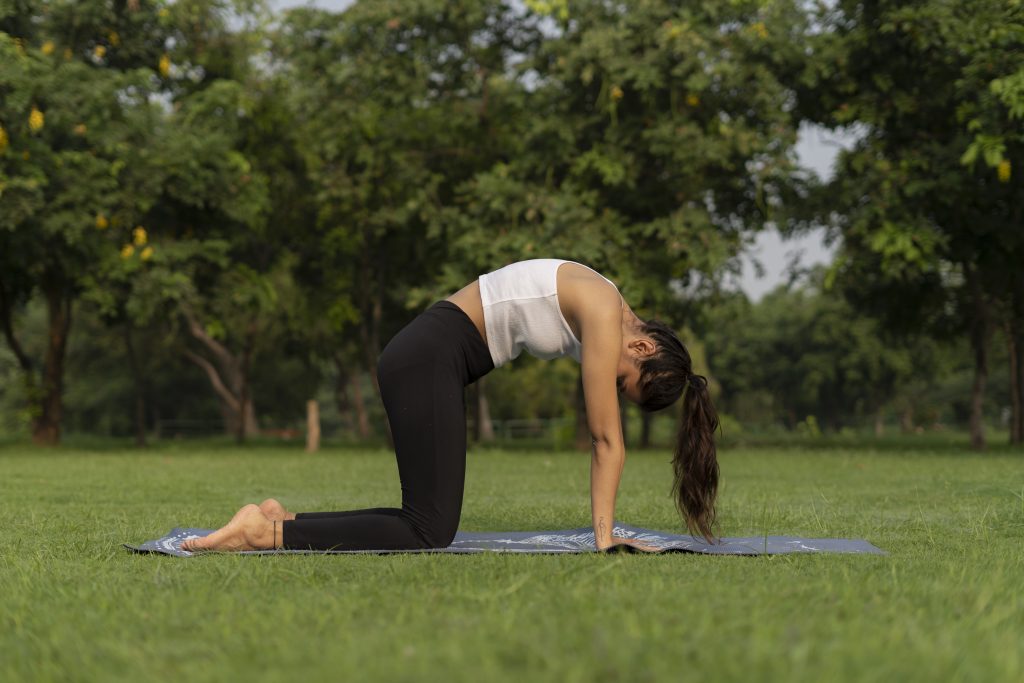
Cat-cow exercise is a great option for waking up one's spine while also stretching one's neck, shoulders, and chest. An additional benefit of this pose is improving coordination, and it helps open the spine comfortably.
Come to a tabletop position with hands and knees on the ground. Inhale to look up, allowing your belly to fill with air. As you exhale, tuck your chin into your chest while arching your spine towards the ceiling.
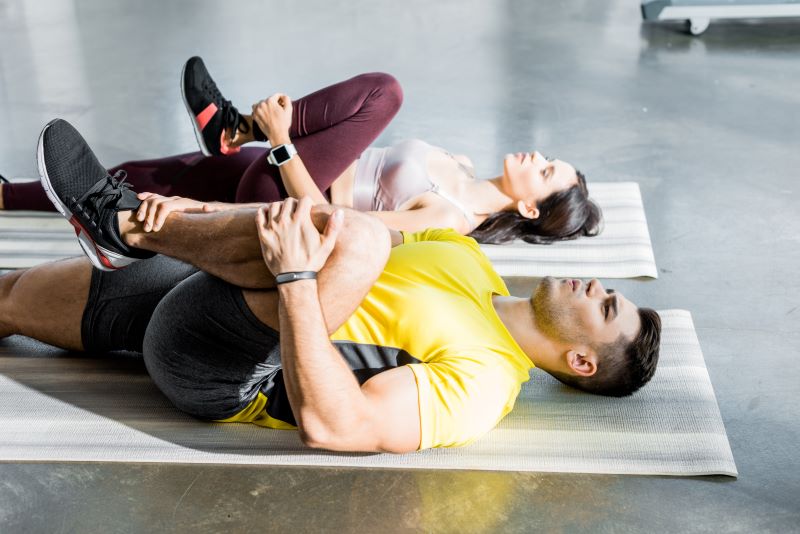
This stretching exercise for lower back pain helps relax one's thighs, glutes, and hips while also providing overall relaxation. Lie down on your back with your legs stretched on the floor. Keep the leg stretched as you lift the right leg.
Pull your right knee close to your chest using both hands. While stretching, lengthen your spine down to the tailbone while avoiding lifting your hips. Keep breathing deeply and stay in this position for 30 seconds to 1 minute.
For some people, sitting on the floor to exercise is difficult. They can try this particular stretching exercise to relieve lower back pain. This exercise helps remove lower back stiffness and provides comfort as you perform it.
To perform, sit on an armless stool or chair and cross your right leg over the left. Brace your left elbow against the outside of your right knee. Twist and stretch it to the side. Hold this position for 10 seconds.
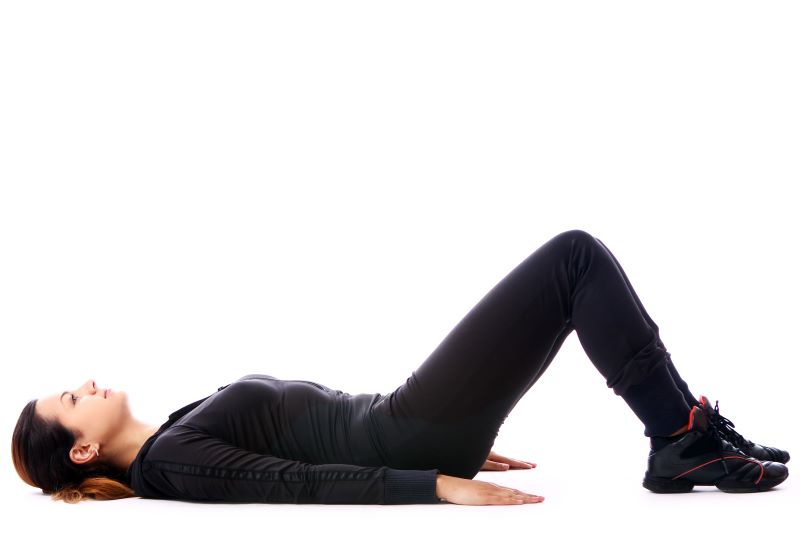
Weak abdominal muscles result in poor core strength, which can cause lower back pain. The abdominal drawing-in manoeuvre helps strengthen the transversus abdominis, a deep abdominal muscle that helps stabilise the spine.
Lie on your back with your knees bent. Pull the belly button down your spine and breathe in to keep your spine neutral. While exhaling, tighten your abdominal muscles. Hold this position for 10 seconds, then release and rest for 15 seconds.
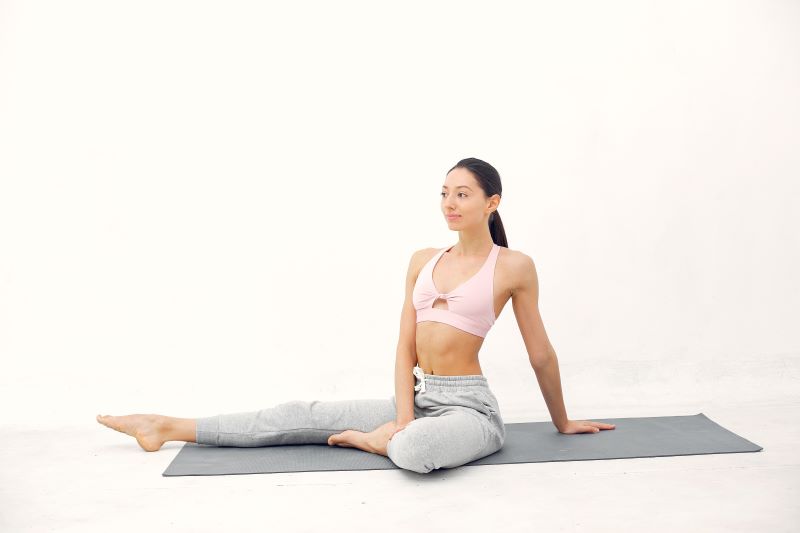
This exercise allows you to stretch the abductors, hamstrings, and extensor muscles in the lower and middle back. This exercise helps overcome lower back pain.
Sit on the floor with one leg extended straight out to the side. Bend the other leg with your foot flat on the floor. Keep your back straight and reach forward from your hips towards the straight leg's toes (or as far as comfortable). Hold for a gentle stretch, then slowly come up and repeat on the other side.
Incorporating these cardio exercises into your routine can help alleviate lower back pain by strengthening the muscles that support the spine, improving flexibility, and promoting overall cardiovascular health.

Walking is a low-impact exercise that improves circulation and strengthens the muscles supporting the lower back. It also promotes flexibility and reduces stiffness, alleviating lower back pain.
Start with a comfortable pace and gradually increase your speed and duration as your back strengthens. For optimum results, walk briskly for a minimum of 30 minutes.

Water provides buoyancy, reducing the pressure on your joints while allowing for a great cardiovascular workout.
Swimming strokes like freestyle and backstroke engage multiple muscle groups, including those in the lower back, promoting strength and flexibility without putting undue stress on the spine. Practice swimming under the guidance of an instructor who can help with perfect strokes for lower back pain.

Whether on a stationary bike or outdoors, cycling is an excellent way to get your heart pumping without straining your lower back.
Cycling is a non-weight-bearing exercise that allows for smooth, continuous motion. It helps to improve cardiovascular health while strengthening the muscles in the legs and lower back and reducing pain. Start cycling on a straight road without bumps. Cycle at your own pace outdoors or indoors using a mechanical cycle.
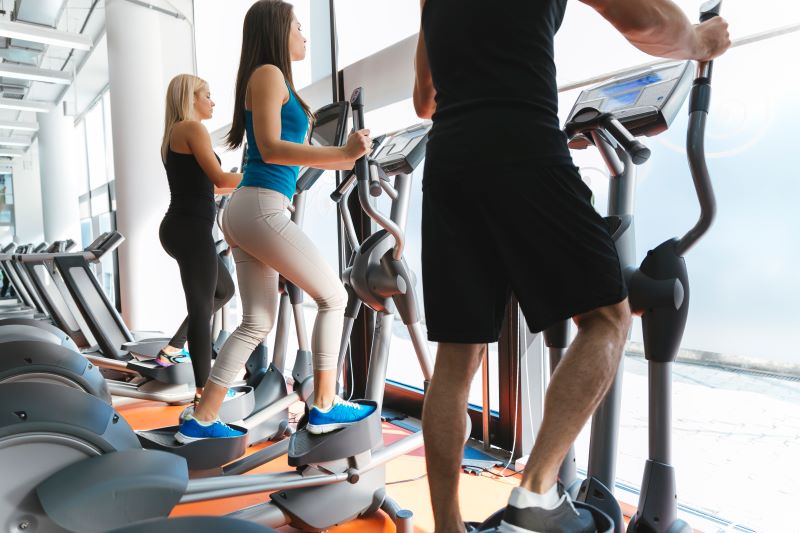
Using an elliptical machine provides a low-impact workout that mimics the motion of walking or running without the jarring impact on the spine.
The elliptical's smooth, gliding motion engages the lower back, hips, and legs muscles, promoting strength and flexibility while reducing the risk of aggravating existing back pain. Start by walking slowly, then gradually increase your pace. Rest in between for best results.
Strength training is crucial for managing lower back pain as it helps to improve the stability and support of the muscles surrounding the spine. Incorporating these strength training exercises into your workout routine can help alleviate lower back pain. Here are some of the best strength training exercises for lower back pain:
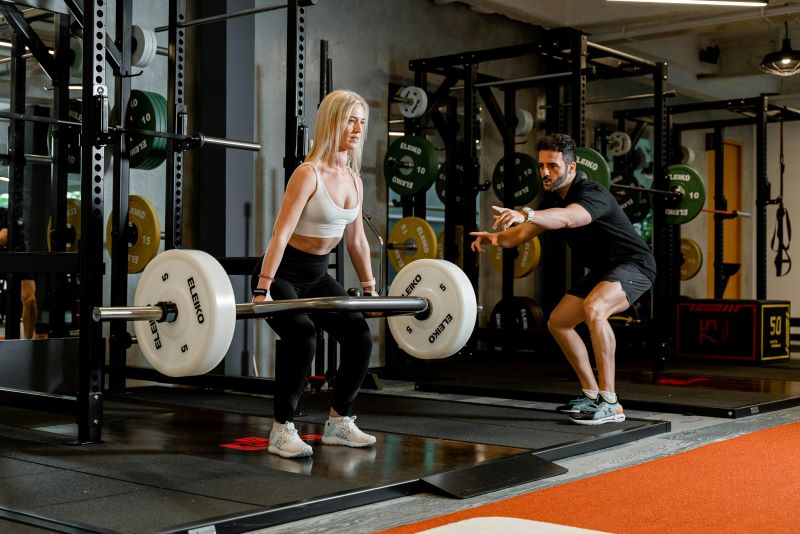
Deadlifts can strengthen the lower back, hips, and thigh muscles when performed properly. They promote proper lifting mechanics and teach you how to engage your core muscles effectively, which can help prevent future back injuries. Deadlifts are known to strengthen your back muscles.
You should always perform deadlifts in the presence of an expert. Grip the barbell tightly, push your hips back, and lower the bar towards your feet. Keep your spine straight throughout.
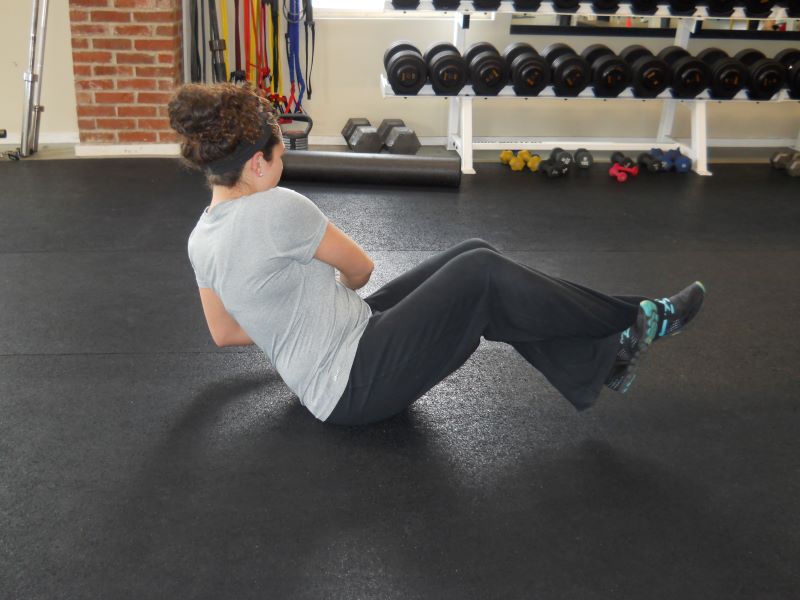
This exercise targets the obliques and core muscles, including those in the lower back. Russian twists can strengthen the muscles that support the spine, help improve spinal stability, and reduce the risk of lower back pain.
Start by sitting down. Hold a stability ball with your knees bent at 90 degrees. Keep your core tight while taking the ball left and right with the legs lifted. Perform Russian Twists in the presence of an expert.

Seated rows primarily target the upper back and shoulder muscles but also engage the muscles in the lower back to stabilise the spine during the exercise. Strengthening these muscles can improve overall posture and reduce strain on the lower back.
Start by sitting down on the equipment and holding the cable row tightly. Pull the cable, keeping your core tight and back straight. Perform under the supervision of a trainer to avoid injuries.
Flexibility and balance exercises are essential for managing lower back pain as they help improve range of motion, reduce muscle tension, and promote proper spine alignment. Here are some of the best flexibility and balance exercises for lower back pain:

Yoga combines stretching, strengthening, and relaxation techniques, making it an excellent choice for improving flexibility and balance while reducing lower back pain. Poses such as Cat-Cow, Child's Pose, and Downward Facing Dog help stretch and release tension in the muscles surrounding the spine while improving balance and stability.
Yoga that stretches the back muscles is specifically good for the lower back. Start with a simple sitting pose, then move on to more complex poses.

Tai Chi is a gentle exercise that involves slow, flowing movements and deep breathing techniques. It improves flexibility, balance, and body awareness, which can help reduce lower back pain and prevent future injuries.
Tai Chi movements are low-impact and suitable for people of all fitness levels. Join a Tai Chi club to get direct guidance from an instructor on how to perform.
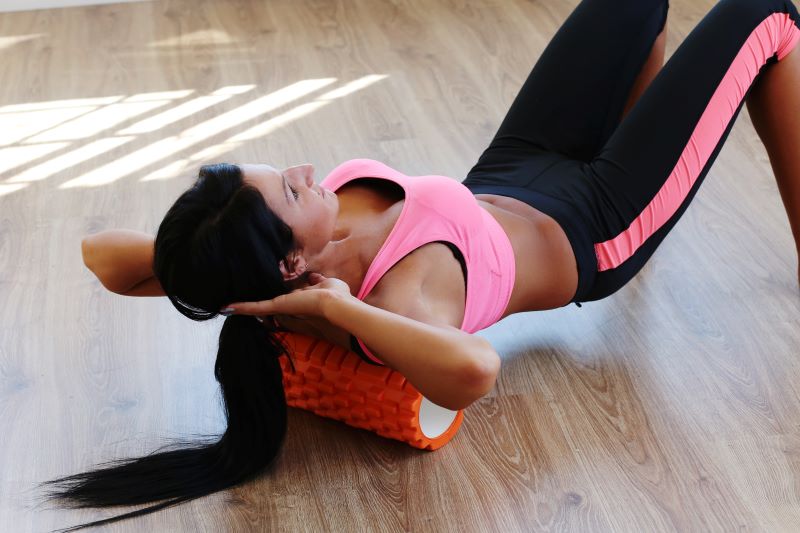
Foam rolling is a self-myofascial release technique that helps release tension and tightness in the muscles surrounding the spine. By rolling on a foam roller, you can target specific areas of tightness in the lower back, hips, and glutes, helping to improve flexibility and reduce pain.
Place the foam roller under your lower back as you lie down. Bend your knees and place your feet flat on the floor. Perform leg stretching exercises while lying on the foam. Spend 3 minutes doing this exercise.
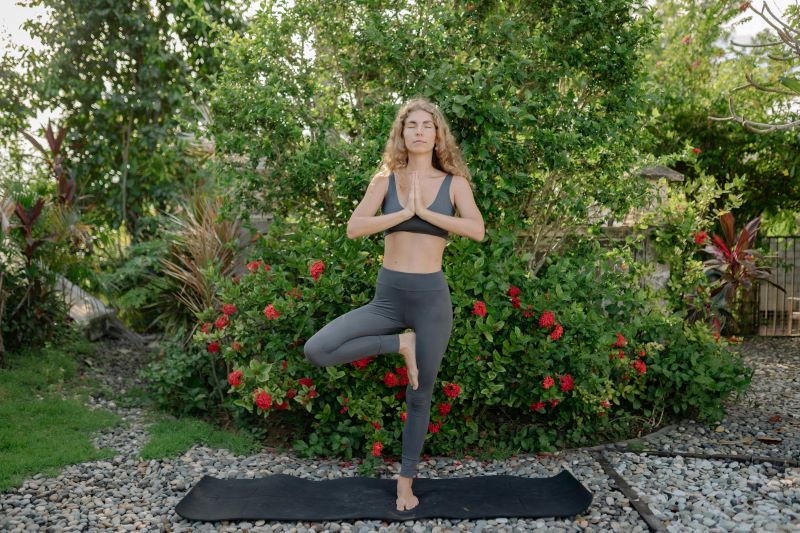
Single-leg balance exercises, such as standing on one leg or performing balance board exercises, help improve proprioception and stability, reducing the risk of falls and further injury to the lower back.
Start with simple balance exercises and gradually progress to more challenging variations as your balance improves. You can fold one leg and let the underfoot rest on the upper thigh of the opposite leg. Stand straight, strengthening the spine. Hold the position for a few seconds, and then switch legs.
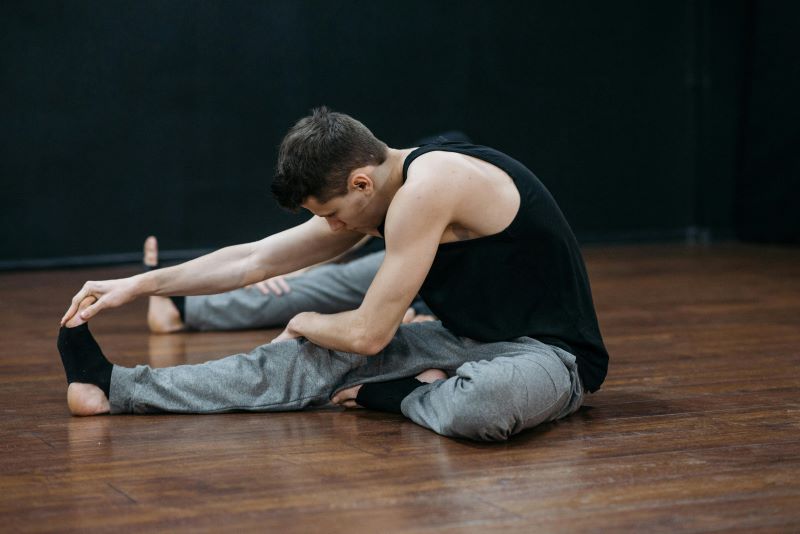
Tight hamstrings can reduce lower back pain by pulling on the pelvis and strengthening the spine. Stretching the hamstrings regularly can help alleviate tension in the lower back and improve flexibility.
Simple stretches like the standing or seated hamstring stretch can be effective. Start on the floor and bend forward to stretch the legs. Keep your back straight while performing all other variations of hamstring stretches.
Mind and body exercises focus on the connection between physical movements and mental well-being, making them particularly beneficial for managing lower back pain. Incorporating meditation into your routine can help alleviate lower back pain:
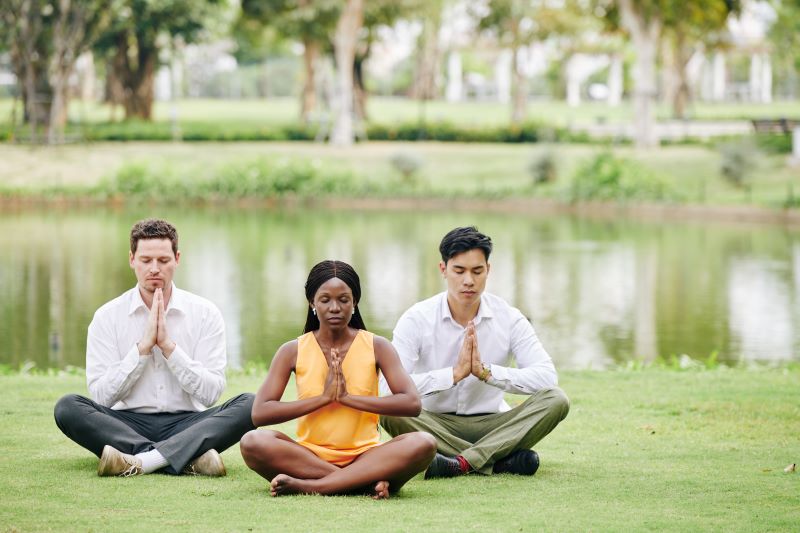
Mindfulness meditation involves focusing your attention on the present moment without judgment. Practising mindfulness can help reduce stress, which is often linked to increased muscle tension and lower back pain.
Mindfulness meditation can promote relaxation and reduce pain perception by cultivating awareness of your body and breath. Meditate every day to get relief from lower back pain.
The equipment you need for your exercises will depend on your specific goals and preferences. However, some general categories of equipment can be helpful for a variety of exercises.
Exercise |
Required Equipment |
| Floor exercises | Exercise mat |
| Stability ball back extensions | Stability ball |
| Hyperextensions | Roman chair |
| Seated rows and standing extensions | Resistance bands |
| Deadlifts and Romanian deadlifts | Barbell |
| Hanging leg raises | Pull-up bar |
| Yoga poses | Yoga block |
Several risk factors can increase your chances of experiencing lower back pain. Here's a breakdown of the main categories:
While exercising, one can reduce stiffness and pain in his or her lower back. The disks can exchange fluids and receive their nutrition while one engages in physical activity. A healthy disc acts like a sponge by swelling with water and squeezing it out.
Moreover, these exchanges in fluid help in reducing the swelling in other soft tissues that occur surrounding the injured discs. With a lack of exercise, the swelling increases, and disks become malnourished and degenerated.
Exercise reduces back pain and stiffness because it keeps the connective fibres of tendons and ligaments flexible. It also improves mobility, which in turn prevents the connective fibres from tearing during stress, thereby preventing back pain and injury. Moreover, exercise strengthens, stretches, and repairs the muscles that support the back.
Although there are many strength exercises for lower back pain that one should do to relieve pain, there are a few exercises that one should avoid as well. Here are the exercises.
That is all about exercises for lower back pain. One should maintain enough safety while doing these exercises. If one faces any difficulty or uneasiness while doing them, one should stop immediately and consult an instructor or doctor instead.
It is always advised to seek expert instruction and sessions from fitness specialists. Before deciding on an exercise programme, consult your doctor about your physical health. Aside from that, it would be beneficial if you kept in close contact with the doctors and personal trainers at the gym.
See if you have any bodily or psychological risks so you can determine whether working out is the cause of these problems. In such circumstances, lower the intensity of your exercise regimen.
Disclaimer: Practice the above-mentioned exercises under the supervision of a trained practitioner and consult a doctor beforehand to ensure your body is fit enough to perform the required moves/postures.
In conclusion, adding targeted activities to your regimen can greatly aid with lower back pain recovery. Yoga, strength training, and cardio are exercises that effectively reduce lower back stiffness, encourage mobility, and lower stress levels. Frequent exercise improves general health and well-being and helps reduce symptoms.