Digit App

Accessibility Options

arrow
Grey Scale
Readable Text
Reset
hamburger
×
Digit Insurance Logo
Powered By Digit
general-insurance
Renew Car Insurance

9000+ Cashless Garages

1.2 Cr+ Policies Sold

car

Check Price

arrow
×
car

Car insurance Online, Up to 90% Discount

This is a {{carWheelerCtrl.localStorageValues.product}} reg no, please enter a private car reg no.

It's a Brand New Car

I Know Registration Number

How to Remove & Prevent Moisture in Car Headlights and Taillights?

How Important are the Headlights and Taillights of a Car?

Car headlights and taillights offer visibility to the road ahead, but their function is not limited to just that. Drivers also communicate with each other through head and taillight signals to ensure a safe on-road experience. 

The importance of both these lights is stated below:

Importance of Headlights Importance of Taillights
As the name suggests, headlights are placed on a car's head (front) to make the road ahead visible during low surrounding light. It helps enhance your visibility while driving at night.  Taillights are located at the rear of a four-wheeler to make your car visible to the vehicles behind you. 
Headlights help drivers avoid collisions and accidents by making the obstacles and speed breakers visible.  Both sides of the vehicle have rear lights that blink when a car turns sides. For instance, when you turn right, the right taillight blinks and vice versa.
Headlights are available in high and low beams to offer better visibility in any driving condition. The taillight blinks brighter when the brake is applied. This indicates that the vehicle behind you needs to stop or slow down.
  Reverse lights are also integrated with taillights to indicate while reversing the car.

Considering the importance of headlights and taillights in ensuring driving safety, keeping them in top condition is essential. If moisture seeps into these lights, it is necessary to remove it immediately to ensure a safe driving experience.

Most Common Causes of Moisture in Car Headlights and Taillights

Here are some of the reasons why moisture enters your car's headlight and taillight:

Ageing

Various components of a vehicle wear out due to ageing. This makes them prone to moisture intrusion.

Damage or Cracks

A seal on the headlight and taillight protects them from moisture. However, exposure to extreme weather, chemicals, and UV rays can damage this seal, which over time may crack and allow moisture to seep in.

Temperature Variation

In areas with temperature fluctuations, the air inside the headlight and taillight expands and contracts, causing moisture to enter the lights.

Fixing Issues

If the headlights and taillights are not fixed properly while changing the lenses or bulbs, moisture may get filled inside them. 

Pressure Pump

At the car wash, a high-pressure water pump is usually used to clean the car, which can cause water to enter the headlights or taillights through cracks or damage. 

Reasons to Remove Moisture from the Taillights and Headlights

Here are some of the reasons why it is essential to remove moisture from a car’s headlights and taillights:

Aesthetic Appeal

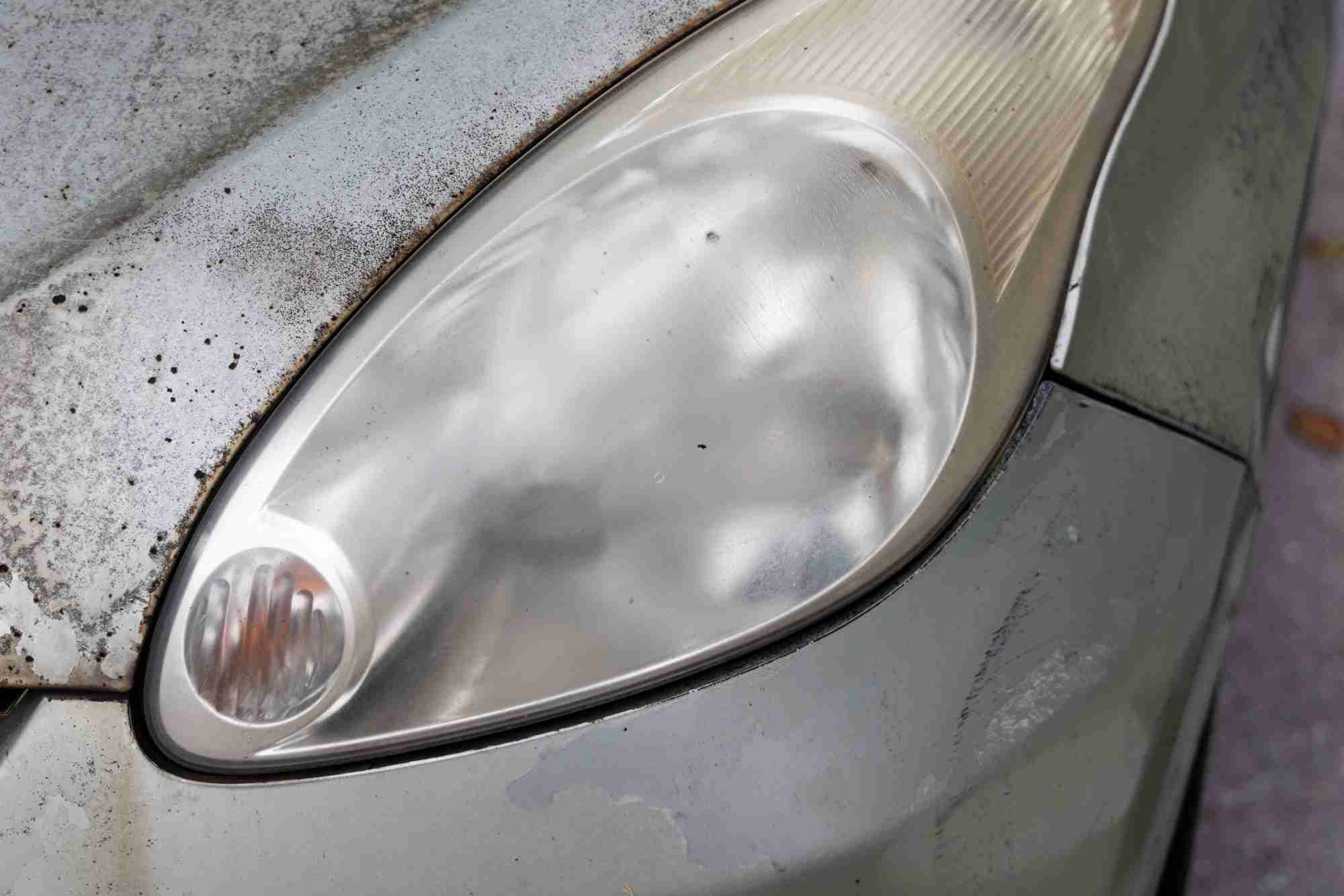
Moisture infiltration can cause the lenses of the headlights and taillights to become foggy. This can affect your car's aesthetics by making it look older or ill-maintained. Thus, clearing the moisture is necessary to make your vehicle look well-maintained and increase its resale value.

Safety and Visibility

If moisture gets inside the headlights and taillights, it can affect the car's visibility by obstructing the light. During bad weather or low light, drivers fail to see the road ahead and may face an accident or collision due to compromised visibility.

Durability

Excessive moisture inside the lenses of headlights and taillights causes corrosion of electrical components like wiring, bulbs, sockets, etc. This can lead to premature wear of the components, causing hefty replacement or repair costs.

Mould Prevention

Moisture can grow mould and mildew inside the lights. This can affect the car's appearance and spread bad odours inside. 

Legal Compliance

As per the rules and regulations of some jurisdictions, having an unobstructed and properly functional headlight and taillight is mandatory. Thus, compromised visibility due to moisture build-up inside the lights can cause traffic violations and attract hefty penalties.

How to Remove Moisture from Car Headlights?

How to Clean Foggy Car Taillights?

How Can Moisture Build-Up Be Prevented Inside Car Lights?

Role of Car Insurance in Addressing Light Damage

FAQs about Removing Moisture from Car Taillights and Headlights

What causes moisture in car headlights and taillights?

up-arrow

Factors like damaged lights, ageing components, exposure to extreme weather conditions, and high-pressure water force used to wash the car can cause moisture accumulation.

Factors like damaged lights, ageing components, exposure to extreme weather conditions, and high-pressure water force used to wash the car can cause moisture accumulation.

How does moisture in lights affect driving safety?

up-arrow

Moisture accumulation inside the car lights makes them foggy and dim, leading to poor visibility of the road ahead. This can cause the car to run over obstructions and collide.

Moisture accumulation inside the car lights makes them foggy and dim, leading to poor visibility of the road ahead. This can cause the car to run over obstructions and collide.

Can I use a hair dryer to remove moisture from car headlights?

up-arrow

You can use hair dryers to remove moisture from car headlights, but direct exposure to heat can damage the light bulb. To protect it from direct heat, you can cover it with cardboard or any other material. 

You can use hair dryers to remove moisture from car headlights, but direct exposure to heat can damage the light bulb. To protect it from direct heat, you can cover it with cardboard or any other material. 

How can silica gel help in preventing moisture build-up?

up-arrow

Silica gel keeps the edges of the taillight and headlight fixed with glue and prevents moisture from entering your car's lights.

Silica gel keeps the edges of the taillight and headlight fixed with glue and prevents moisture from entering your car's lights.

Are cracks in light covers the main reason for moisture?

up-arrow

Cracks in the light covers allow moisture to enter the lens, leading to compromised visibility.

Cracks in the light covers allow moisture to enter the lens, leading to compromised visibility.

How often should I check for moisture in my car lights?

up-arrow

It is necessary to inspect your car's lights for moisture at least once a month. Early detection can prevent severe damage.

It is necessary to inspect your car's lights for moisture at least once a month. Early detection can prevent severe damage.

Do car insurance policies cover moisture removal?

up-arrow

The coverage for car insurance policies differs from one plan to another. You can buy a comprehensive car insurance policy with suitable add-ons to claim coverage against moisture removal.

The coverage for car insurance policies differs from one plan to another. You can buy a comprehensive car insurance policy with suitable add-ons to claim coverage against moisture removal.

Can moisture cause electrical issues in car lights?

up-arrow

Constant moisture accumulation can cause a short circuit in your car's electrical components, which can lead to electrical issues if not addressed on time.

Constant moisture accumulation can cause a short circuit in your car's electrical components, which can lead to electrical issues if not addressed on time.

What is the best method to prevent moisture in headlights?

up-arrow

Regular maintenance and application of silica gel on the edges of headlights and taillights can prevent moisture accumulation, ensuring your driving safety.

Regular maintenance and application of silica gel on the edges of headlights and taillights can prevent moisture accumulation, ensuring your driving safety.

Should I consult a professional for moisture-related light issues?

up-arrow

Since car lights are electrical components, improper handling can cause further issues. So, it is essential to consult a professional about your car's moisture-related issues.

Since car lights are electrical components, improper handling can cause further issues. So, it is essential to consult a professional about your car's moisture-related issues.

What are the methods to stop condensation on taillights?

up-arrow

You can keep the light on and uninstall the bulbs, make the bulb holes upward by facing the lens down and keep it under sunlight to evaporate the condensation. 

You can keep the light on and uninstall the bulbs, make the bulb holes upward by facing the lens down and keep it under sunlight to evaporate the condensation. 

Is it normal for headlights to get condensed?

up-arrow

Yes, cthe ondensation of headlights is natural. It happens to all vehicles, regardless of maintenance and vehicle specifications.

Yes, cthe ondensation of headlights is natural. It happens to all vehicles, regardless of maintenance and vehicle specifications.