General
Life
Accessibility Options


General

General Products
Simple & Transparent! Policies that match all your insurance needs.
 Car Insurance
 Two Wheeler Insurance
 Commercial Vehicle Insurance
 Health Insurance
 Home Insurance
 Travel Insurance
 Business Insurance
Car Insurance
Two Wheeler Insurance
Commercial Vehicle Insurance
Health Insurance
Travel Insurance
Business Insurance
Car Insurance
Two Wheeler Insurance
Commercial Vehicle Insurance
Health Insurance
Travel Insurance


Scan to download

Life

Life Products
Digit Life is here! To help you save & secure your loved ones' future in the most simplified way.
 Term Life
 Savings Plan
 Retirement and Pension Plans
 Group Life Products
 Product Documents
Term Life
Savings Plan
Retirement and Pension Plans
Group Life Products
Product Documents
Term Life
Savings Plan
Retirement and Pension Plans
Group Life Products

Scan to download

Claims

Claims
We'll be there! Whenever and however you'll need us.
 Customer Support
 Motor Claims
Health Claims
Motor Claims
Health Claims
 Marine Insurance
 Grievance Redressal
Customer Support
Motor Claims
Health Claims
Marine Insurance
Grievance Redressal
Grievance Redressal
Customer Support
Motor Claims
Health Claims
Marine Insurance
Grievance Redressal
Scan to download
 General
 Life
General
Life
Life
General
Life
Renewals
Resources

Resources
All the more reasons to feel the Digit simplicity in your life!
Exclusive Features
 Transparency Report
Others
Exclusive Features
Transparency Report
Transparency Report
Others
Exclusive Features
Transparency Report
Scan to download


Our WhatsApp number cannot be used for calls. This is a chat only number.

 Grey Scale
 Readable Text
 Reset
Reset




10000+ Cashless Garages
1.5 Cr+ Policies Sold


Check Price

Car insurance Online, Up to 90% Discount
It's a Brand New Car
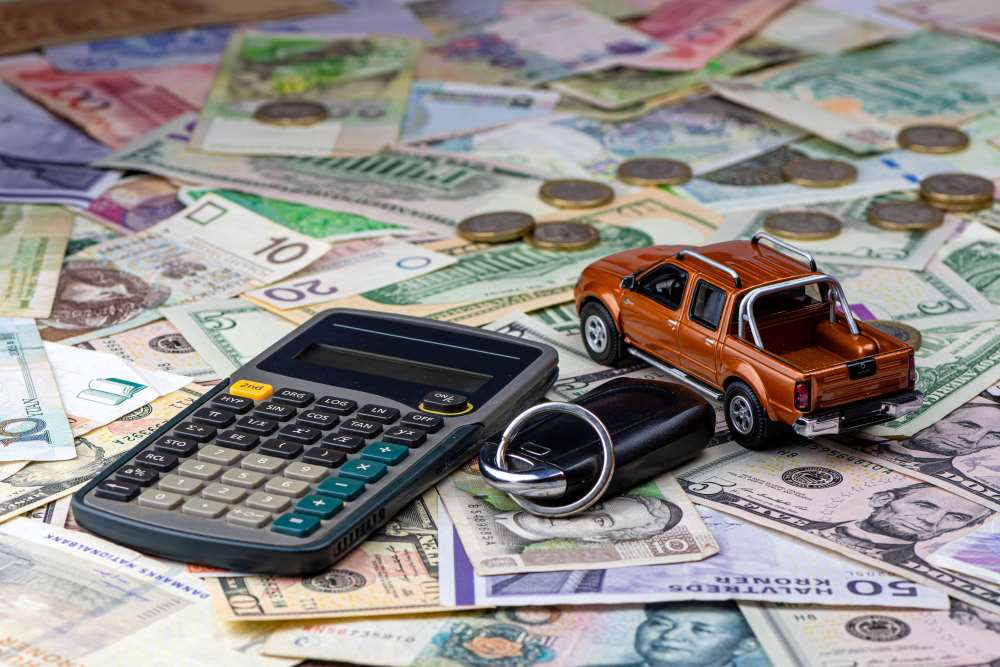
Determining the value of your car is a crucial factor in the selling or trading process. It can help you decide whether to sell or insure a specific vehicle, aid in pricing, negotiation, and planning for the future.
Thanks to online tools and resources, checking the value of your car is now easier than ever. This article will guide you through the steps to check car value and explain the various methods available to ensure a fair evaluation.

Table of Contents

Car value is the worth of a given automobile on any particular date. This value may vary depending on whether it is sold privately, traded through a dealership, or resulting from an insurance claim. Knowing the value of your car is essential for various reasons.
This knowledge will help you set a proper price when selling the car that neither undermines your car's value nor scares the buyer away.
Furthermore, if you buy a car, it will ensure that you do not overpay for it.
Trade-ins let you negotiate better deals at dealerships.
Car value affects how much you pay for insurance and how much you get in case of a claim.
Knowing your vehicle's value will help you make smarter decisions and avoid unpleasant surprises when selling, buying, or trading.
To determine the value of your car in India, you can utilise online tools and price trends to get an idea about the car's resale value. Here are the most commonly used procedures:
Checking your car’s value online is a straightforward process. Here's a simple step-by-step guide to help you calculate it accurately:
Access a Car Valuation Website
Visit a reputable car valuation website. These sites offer instant car value estimates based on market trends and your information.
Enter Vehicle Details
Enter details such as make, model, year, fuel type, and kilometres driven. Accurate details give an accurate price quote.
Enter the Condition Rating of the Car
Choose the vehicle's condition, i.e., excellent, good, fair, or poor, depending on interior, exterior, and mechanical condition. This contributes significantly to the valuation.
Get the Estimated Value
Your inputs will give you a price range, typically dealer and private party value. Websites also offer instant sale options in some cases.
Compare Multiple Sites
Repeat the process on other sites to compare values. Each tool bases its prices on different data, so comparison provides an average price quote.
Checking your car’s value offline involves direct interaction and physical inspection. Here’s how to check the car value offline:
Visit multiple local dealerships or used car markets and request a price quote after having your vehicle physically inspected.
Consult a professional car appraiser who will assess your car’s condition, service history, and market demand to provide a detailed valuation report.
Refer to printed car price guides or magazines that list average prices based on make, model, year, and condition.
Research current asking prices for similar vehicles in your area through classified ads or local listings to perform a comparative market analysis.
Attend car auctions or expos to observe real-world sale prices for cars similar to yours.
Collect and compare several offers or assessments to determine your car's fair and realistic value.
Several factors determine the value of a car and its market value at any given time. Several key factors include:
Car insurance can impact the value of a car, particularly its Insured Declared Value (IDV). IDV stands for indemnity, which the insurer is willing to pay in the event of a total loss. The IDV is influenced by your car's make, model, age, and condition.
A higher IDV means a higher value, which translates to better coverage in the event of theft or damage, but at higher premiums. A lower IDV may reduce premiums, but it provides less protection if the car is written off.
When getting the best price for your car, some clever tricks can help boost its worth. Here are some unique tips that help to get you the most from your vehicle at its sale:
In conclusion, checking your vehicle's valuation is crucial whether you are selling, buying, or simply evaluating its worth. By following the above steps, one can research market prices, utilise an online valuation tool, and consider the car's condition and mileage to determine the appropriate market value for their vehicle.
Mileage is a significant factor in determining a used car's value. Lower-mileage cars are generally more desirable to buyers, as mileage is an indicator of wear and tear.
Potential buyers prefer cars with low mileage because they usually indicate less wear and tear.