General
Life
Accessibility Options


General

General Products
Simple & Transparent! Policies that match all your insurance needs.
 Car Insurance
 Two Wheeler Insurance
 Commercial Vehicle Insurance
 Health Insurance
 Home Insurance
 Travel Insurance
 Business Insurance
Car Insurance
Two Wheeler Insurance
Commercial Vehicle Insurance
Health Insurance
Travel Insurance
Business Insurance
Car Insurance
Two Wheeler Insurance
Commercial Vehicle Insurance
Health Insurance
Travel Insurance



Scan to download

Life

Life Products
Digit Life is here! To help you save & secure your loved ones' future in the most simplified way.
 Term Life
 Savings Plan
 Retirement and Pension Plans
 Group Life Products
 Product Documents
Term Life
Savings Plan
Retirement and Pension Plans
Group Life Products
Product Documents
Term Life
Savings Plan
Retirement and Pension Plans
Group Life Products

Scan to download

Claims

Claims
We'll be there! Whenever and however you'll need us.
 Customer Support
 Motor Claims
Health Claims
Motor Claims
Health Claims
 Marine Insurance
 Grievance Redressal
Customer Support
Motor Claims
Health Claims
Marine Insurance
Grievance Redressal
Grievance Redressal
Customer Support
Motor Claims
Health Claims
Marine Insurance
Grievance Redressal
Scan to download
 General
 Life
General
Life
Life
General
Life
Renewals
Resources

Resources
All the more reasons to feel the Digit simplicity in your life!
Exclusive Features
 Transparency Report
Others
Exclusive Features
Transparency Report
Transparency Report
Others
Exclusive Features
Transparency Report
Scan to download


Our WhatsApp number cannot be used for calls. This is a chat only number.

 Grey Scale
 Readable Text
 Reset
Reset




10000+ Cashless Garages
1.5 Cr+ Policies Sold


Check Price

Car insurance Online, Up to 90% Discount
It's a Brand New Car
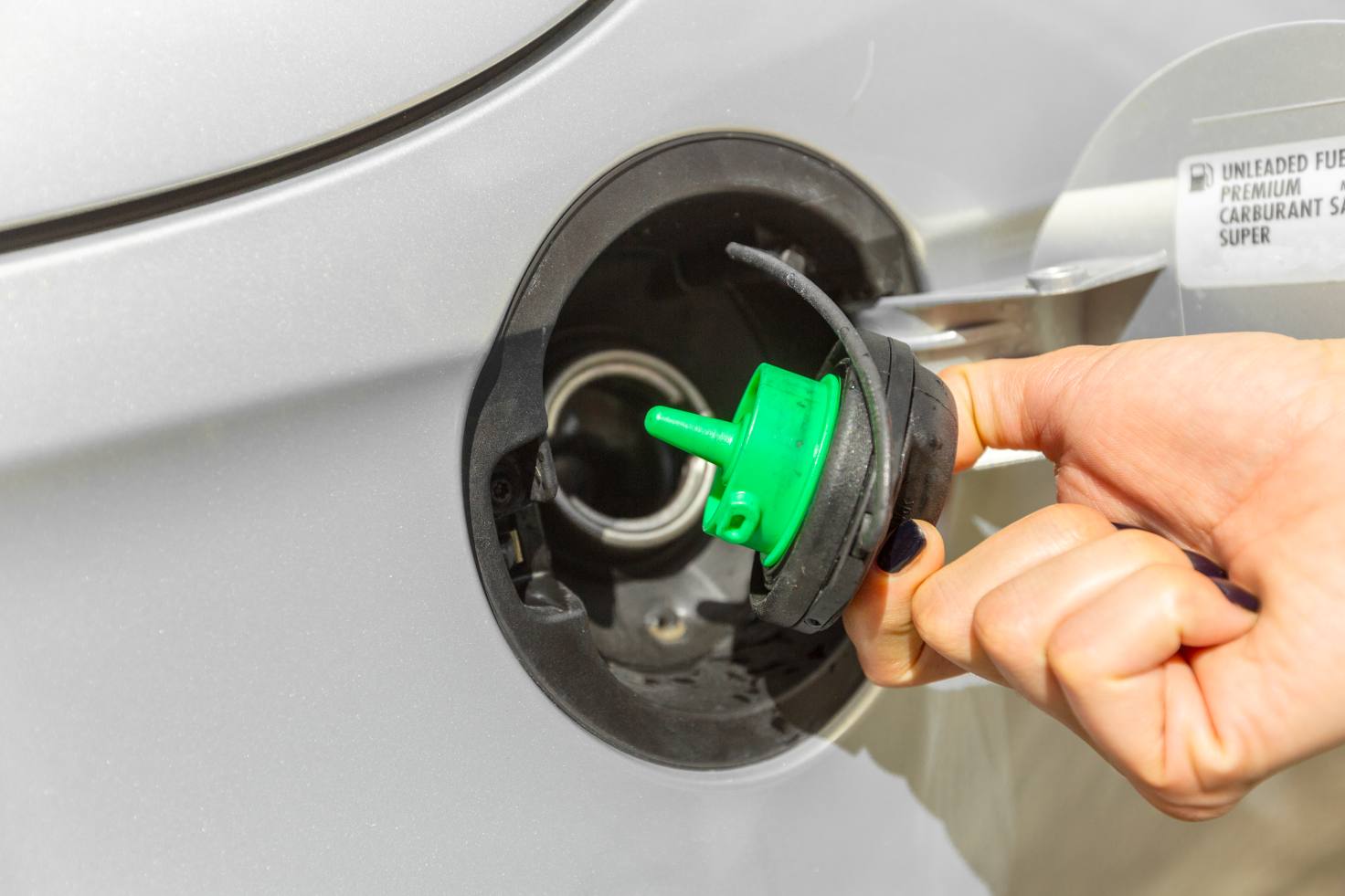
Having petrol mixed with water in your vehicle's fuel tank is a problem that can lead to various issues if left unchecked. Engine performance will suffer from this contamination, leading to rust formation and degrading efficiency.
Now, there can be a plethora of reasons that can lead to water entering the petrol tank, some of which are not even in your hand. However, you can know the solutions and prevention methods, reducing the chances of damage to your vehicle.
Read on to discover the symptoms of water presence in a fuel tank, problems, solutions, prevention methods and more.

Table of Contents

If water enters the fuel tank of your bike or car, you may experience problems with acceleration, ignition, or sudden stalling. Furthermore, if these issues persist, you should visit a mechanic to check for water in the petrol tank.
You can check for water in the fuel tank yourself by following the methods given below:
A fuel tank with water may produce an unpleasant odour.
If the fuel looks darker than usual, it may contain water.
Water can cause bacteria and fungi to grow inside the tank.
Apply a water-finding paste on a dipstick and insert it into the tank. If the paste changes colour, water is present.
The following are the different ways through which water can enter the fuel tank of your car or bike:
A damaged or improperly sealed fuel tank allows water to seep in.
Water can enter the tank if the fuel cap is loose or faulty, especially during rain.
Lower temperatures cause moisture to accumulate inside the tank.
Water can mix with petrol, diesel, or oil due to prolonged exposure to humidity.
Biofuels attract water from the air as they tend to absorb moisture.
Water in the fuel tank directly impacts your vehicle’s performance and damages critical components. Here are some common problems your car or bike may experience:
Modern vehicles use injectors to regulate fuel flow into the combustion chamber, replacing older carburettors. These injectors have tiny pores designed to spray fuel efficiently. However, water is denser than fuel, so it does not spray as effectively. This puts extra strain on the injector, leading to performance issues.
Since fuel and water do not mix, the water gradually accumulates at the bottom of the tank. If left unchecked, rusting occurs, especially in tanks with ridges or edges where moisture gets trapped.
Water in the fuel can cause sudden power fluctuations. When you start the engine, the vehicle might jerk forward unexpectedly. In severe cases, excessive water in diesel engines can prevent it from starting altogether.
If you drive through waterlogged roads, you may notice steam escaping from the exhaust after some time. This occurs due to water contamination in the fuel system.
The fuel pump transfers fuel from the tank to the engine while also aiding in cooling and lubrication. When water enters the system, it interferes with these functions. Additionally, rust and injector problems can further impact the fuel pump’s efficiency.
If water mixes with engine oil, it affects the lubrication process. The higher the water content, the greater the damage to engine components, leading to friction and wear.
If your vehicle has water in the fuel tank, you may notice these warning signs:
Water in the fuel tank affects the combustion process, lowering the engine’s efficiency. This leads to decreased power and mileage in both cars and bikes. Ignoring this issue can make the problem worse.
Vehicles with water-contaminated fuel tanks often experience engine stalling. This can happen while driving or trying to start the car or bike. Water disrupts combustion and compression, causing the engine to stop suddenly.
If water is in the fuel tank, your car or bike may shake while accelerating. You might need to apply more throttle as the vehicle struggles to maintain power.
The presence of water in the fuel tank can cause steam to escape from the exhaust pipe as it evaporates.
Sometimes, water might drip from the exhaust due to condensation inside the system.
If you are wondering how to separate water from petrol, a mechanic might attempt to fix the problem using different methods, which are mentioned below:
Draining the fuel tank while refilling it with premium fuel remains a quick solution to resolve this issue. However, the elimination process of water through this method tends to be expensive.
The fuel filter is designed to block water from reaching the engine. However, if water accumulates in the filter, it can cause damage and lead to malfunctions. In such cases, replacing the fuel filter can help restore proper functionality.
Rubbing alcohol is an effective solution for removing water from fuel tank reservoirs. When it reaches the bottom of the fuel tank, it absorbs the water and allows it to enter the engine for combustion.
Mechanics often use fuel additives as a solution to dilute water present in the fuel tank. Typically, methanol-based additives are used for this purpose. However, this method is only effective when the water contamination is minimal.
If water enters the fuel tank, it can seriously damage your vehicle. To prevent further damage, it is best to consult an expert who can safely remove the water and fix the problem.
Keeping water out of your fuel tank is essential to maintaining your vehicle’s performance. Follow these simple tips to prevent water contamination:
Choose a fuel tank with a sloped bottom so that any water present collects in one place, making removing it easier.
Invest in durable seals and gaskets to block water entry. Inspect them regularly and replace worn-out ones.
Position the vehicle on a smooth horizontal surface where rainwater and runoff cannot reach it. Also, consider parking your car or bike in a covered area to reduce the chances of water damage.
Conduct routine checks to spot cracks, corrosion, or loose seals that might let water in.
Good ventilation helps control moisture levels inside the tank, reducing condensation and water buildup.
Always close fuel caps securely to prevent rainwater from entering while refuelling.
Clean the tank periodically and test the fuel quality to detect and fix water contamination issues before they cause damage.
Consider using water sensors or alarms that alert you if water gets into the tank, allowing you to act quickly.
Water-induced damage can cause serious issues in a vehicle, leading to costly repairs. However, a comprehensive bike insurance or car insurance plan can provide coverage for water damage due to heavy rains or floods. They also provide benefits like:
It covers damages from accidents, natural disasters, theft, and third-party liabilities.
Saves you from heavy repair costs due to unexpected incidents.
Options like roadside assistance, zero depreciation, and engine protection enhance insurance coverage.
Ensures you ride worry-free, knowing you are protected from unforeseen expenses.