General
Life
Accessibility Options


General

General Products
Simple & Transparent! Policies that match all your insurance needs.
 Car Insurance
 Two Wheeler Insurance
 Commercial Vehicle Insurance
 Health Insurance
 Home Insurance
 Travel Insurance
 Business Insurance
Car Insurance
Two Wheeler Insurance
Commercial Vehicle Insurance
Health Insurance
Travel Insurance
Business Insurance
Car Insurance
Two Wheeler Insurance
Commercial Vehicle Insurance
Health Insurance
Travel Insurance



Scan to download

Life

Life Products
Digit Life is here! To help you save & secure your loved ones' future in the most simplified way.
 Term Life
 Savings Plan
 Retirement and Pension Plans
 Group Life Products
 Product Documents
Term Life
Savings Plan
Retirement and Pension Plans
Group Life Products
Product Documents
Term Life
Savings Plan
Retirement and Pension Plans
Group Life Products

Scan to download

Claims

Claims
We'll be there! Whenever and however you'll need us.
 Customer Support
 Motor Claims
Health Claims
Motor Claims
Health Claims
 Marine Insurance
 Grievance Redressal
Customer Support
Motor Claims
Health Claims
Marine Insurance
Grievance Redressal
Grievance Redressal
Customer Support
Motor Claims
Health Claims
Marine Insurance
Grievance Redressal
Scan to download
 General
 Life
General
Life
Life
General
Life
Renewals
Resources

Resources
All the more reasons to feel the Digit simplicity in your life!
Exclusive Features
 Transparency Report
Others
Exclusive Features
Transparency Report
Transparency Report
Others
Exclusive Features
Transparency Report
Scan to download


Our WhatsApp number cannot be used for calls. This is a chat only number.

 Grey Scale
 Readable Text
 Reset
Reset




10000+ Cashless Garages
1.5 Cr+ Policies Sold


Check Price

Car insurance Online, Up to 90% Discount
It's a Brand New Car
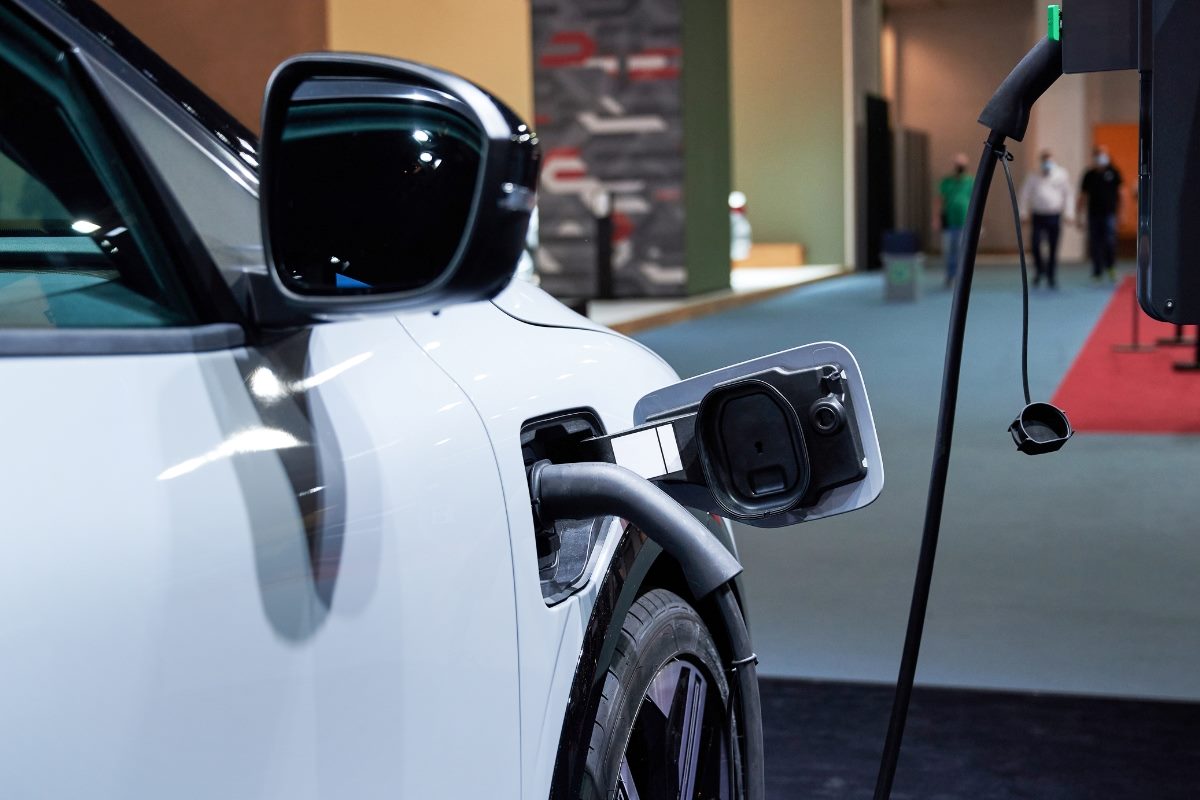
As hybrid technology evolves, car buyers are faced with a critical choice—should they go for a standard hybrid or invest in a plug-in hybrid? Understanding the differences between these two technologies is essential before making a decision.
In today's guide, let us delve into these factors and deeply scrutinise the topic of hybrid vs plug-in hybrid.

Table of Contents

Hybrid vehicles, commonly called HEVs, use an electric motor mechanism and an internal combustion engine (ICE) to power their operation. They are widely popular among motorists because of their reduced emissions and enhanced fuel efficiency.
Some HEVs can use both power sources simultaneously based on their powertrain design and prevailing driving conditions. Some top-rated hybrid cars in India include the Toyota Camry, Mercedes-Benz C-Class, Lexus ES, BMW X7 and Maruti Suzuki Invicto.
Plug-in hybrids, or PHEVs, are a more advanced version of hybrid cars. On top of having an electric motor and a petrol engine, these cars feature batteries with increased capacities. You can plug them into a power source from outside, like a charging station or any regular electrical outlet.
The above-mentioned distinguishing feature allows PHEVs to offer more electric-only driving ranges than hybrid cars. Hence, you can rely on their electric motors longer before the petrol engine finally starts.
In the following table, you can notice some of the major differences between a hybrid and a plug-in hybrid car:
Hybrid vehicles offer unique advantages, but they also come with trade-offs. Here’s what you need to know:
Just like hybrid vehicles, plug-in hybrids also come with their fair share of pros and cons. Find them highlighted below:
Following is a cost analysis of hybrid and plug-in hybrid vehicles:
However, when comparing maintenance costs, plug-in hybrids prove to be comparatively cheaper because:
Plug-in hybrid vehicles (PHEVs) are more eco-friendly because they can run longer powered by electric motors. This is because of their enhanced compatibility with external charging systems. Thus, PHEVs are an excellent choice for those seeking to reduce their overall carbon footprint.
On the other hand, though not as impressive as plug-in hybrids, hybrid cars can also play a big role in tackling growing environmental concerns. They produce lower toxic emissions than petrol or diesel vehicles and are thus very appealing to individuals who want to contribute to a greener environment, even in small ways.
In hybrid vehicles, the regenerative braking mechanism helps capture and store the kinetic energy typically lost while applying brakes in normal cars.
Next, the electric motor serves as a generator and converts the kinetic power into electrical energy that can operate the vehicle later on. Although this system of generating power is inadequate to drive a vehicle for prolonged distances, you can occasionally switch to the electric mode to save fuel costs.
A plug-in hybrid vehicle is reputed to offer much more flexibility. If you own one, your car battery can be recharged without any active driving. Instead, you can drive solely in electric mode by charging your vehicle's battery with an external power source like a charging station.
If you consider the maintenance and fuel costs, plug-in hybrids have an upper hand over conventional cars. However, you must rethink several other long-term and short-term conditions, too, such as:
Due to highly sophisticated technology, PHEVs generally have a higher price tag in the market. However, due to increasing demand, this price trend can come down, and thus, you can consider buying a plug-in hybrid shortly.
As per Section 80 EEB, you can save up to ₹1.5 Lakhs per annum on the interest paid for a loan to purchase an electric car. This significantly contributes to the affordability of a plug-in hybrid vehicle.
Due to abundance, electricity is much cheaper than diesel or petrol in India. That said, even if you need to pay a greater upfront price, you can save greatly on fuel costs while using a plug-in hybrid car.
India's EV charging infrastructure, with fast charging arrangements along highways, demonstrates a promising growth trajectory. Battery-swapping stations are also available in certain places, and planning is underway to increase their numbers in the upcoming years.
Plug-in hybrids are often the most financially sensible choice for those with short commutes. Additionally, these cars are economical if you take them for long trips and use them for an extended period.
Thus, you need to determine the purpose behind purchasing a new car to determine whether a plug-in hybrid will be the most suitable option.
Plug-in hybrids significantly reduce emissions compared to petrol or diesel cars when used primarily in electric mode. Hence, besides reducing pollution, these cars help achieve superior fuel economy for those who frequently take short trips.
Although quite subtle, the differences between a hybrid and a plug-in hybrid can have a huge impact on car ownership. If you want a better fuel economy and are not concerned about environmental pollution, then hybrid cars would be the best option.
Otherwise, buying a plug-in hybrid will be a much better option if you are willing to cherish an extended electric-only driving range. Finally, you should also prioritise your budget before making the decision.