
General
Life
Accessibility Options


General

General Products
Simple & Transparent! Policies that match all your insurance needs.
 Car Insurance
 Two Wheeler Insurance
 Commercial Vehicle Insurance
 Health Insurance
 Home Insurance
 Travel Insurance
 Business Insurance
Car Insurance
Two Wheeler Insurance
Commercial Vehicle Insurance
Health Insurance
Travel Insurance
Business Insurance
Car Insurance
Two Wheeler Insurance
Commercial Vehicle Insurance
Health Insurance
Travel Insurance



Scan to download

Life

Life Products
Digit Life is here! To help you save & secure your loved ones' future in the most simplified way.
 Term Life
 Savings Plan
 Retirement and Pension Plans
 Group Life Products
 Product Documents
Term Life
Savings Plan
Retirement and Pension Plans
Group Life Products
Product Documents
Term Life
Savings Plan
Retirement and Pension Plans
Group Life Products

Scan to download

Claims

Claims
We'll be there! Whenever and however you'll need us.
 Customer Support
 Motor Claims
Health Claims
Motor Claims
Health Claims
 Marine Insurance
 Grievance Redressal
Customer Support
Motor Claims
Health Claims
Marine Insurance
Grievance Redressal
Grievance Redressal
Customer Support
Motor Claims
Health Claims
Marine Insurance
Grievance Redressal
Scan to download
 General
 Life
General
Life
Life
General
Life
Renewals
Resources

Resources
All the more reasons to feel the Digit simplicity in your life!
Exclusive Features
 Transparency Report
Others
Exclusive Features
Transparency Report
Transparency Report
Others
Exclusive Features
Transparency Report
Scan to download


Our WhatsApp number cannot be used for calls. This is a chat only number.

 Grey Scale
 Readable Text
 Reset
Reset




10000+ Cashless Garages
7 Cr+ Policies Sold



Check Price
Bike insurance Online, starting ₹752
It's a brand new Bike
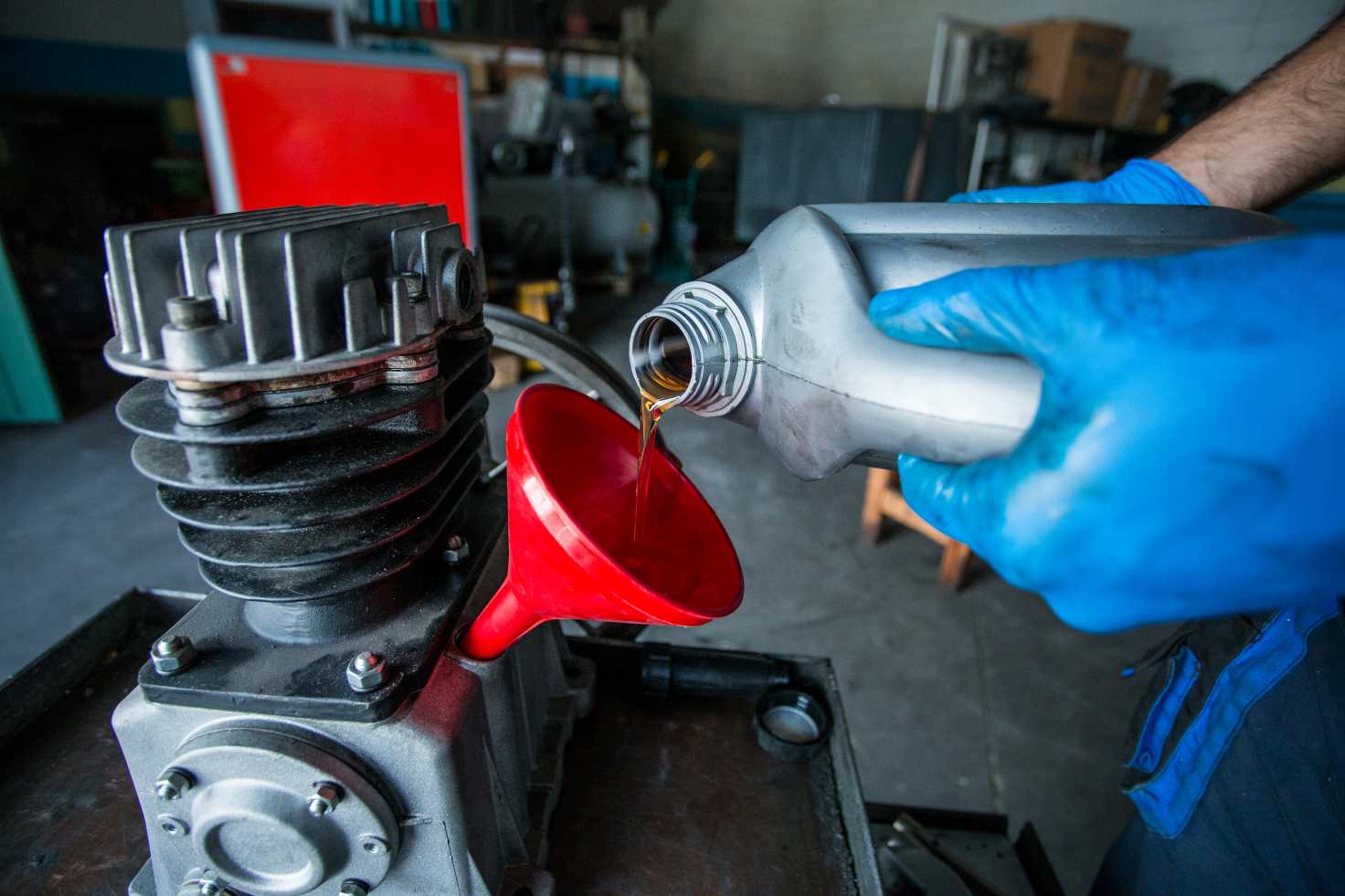
Proper bike maintenance is the key to ensuring its smooth performance for years. One of the more important aspects of motorcycle maintenance and keeping it in good condition is the choice of engine oil. Good oil provides a cushion between engine moving parts and promotes fuel economy, development, and longevity.
Whether you ride your motorcycle for daily commuting or as a passionate enthusiast, choosing the right engine oil is crucial for optimal performance. Read on to make an informed decision and keep your bike running at its best.

Table of Contents

Engine oil is like a bike's lifeblood, keeping it running smoothly and lasting longer. Without it, parts rub together, causing heat and damage. Oil reduces friction, cools the engine, and keeps it clean, ensuring better performance. Here's in detail, how it helps your bike run efficiently:
The responsibility of engine oil is to prevent any rubbing between internal components of the engine. The rubbing between the metal parts generates tremendous heat and wear. This is why oil, if of good quality, provides cushioning for internal parts.
Smoky heat builds up as the combustion occurs inside the motorcycle engine. Engine oil keeps that heat from stressing the engine and prevents it from overheating and causing thermal engine failure.
Over time, grime, carbon deposits, and metal particles accumulate inside the engine. Engine oil has detergents and dispersants that clean those impurities away so there is no sludge build-up, thus keeping it working smoothly.
A well-lubricated engine works more smoothly by reducing unnecessary resistance and improving fuel efficiency. The right oil increases horsepower, throttle response, and overall ride quality.
Scheduled oil changes keep your motorcycle engine in great shape, extending its life. Fresh oil maintains its viscosity, thus giving constant protection against wear, rusting, and overheating.
Choosing the appropriate engine oil for your motorcycle is essential for achieving the full potential of its performance, lifespan, and smooth operation. Here are a few factors to consider:
Always refer to your bike's owner manual for manufacturer-recommended oil specifications. You also need to consider the bike's engine capacity, make, and model and whether you are mostly riding in the city, on the highway, or a combination. Selecting oil compatible with these criteria will ensure your engine receives adequate lubrication and protection.
Motorcycle engine oils generally come in three types: mineral, semi-synthetic, and fully synthetic.
Oil grades, whether 10W-30 or 20W-50, designate viscosity and performance at various temperatures. Better grades have lower numbers for warm and cold starts, while larger numbers provide better protection when hot or under heavy loads. Always pick the oil grade recommended for your motorcycle or riding climate.
Many engine oils consist of additives or a collective that enhance lubricated performance by reducing friction, reducing wear, and keeping engines clean. Quality oils will have additives already included, which may be sufficient to help in certain conditions. Always ensure that any additives are okay with your engine and the oil type.
Your riding habits are an essential component of choosing your oils. In commuting to work in the city every day, mineral oils or semi-synthetic oils may work just fine, whereas highway riders or long-distance riders like some of the synthetic oils with a higher viscosity for protection and increased oil change intervals.
Choosing the wrong engine oil can lead to bad performance and costly repairs. Avoid the following common mistakes so that your engine does not falter:
Using the wrong viscosity oil will ruin the engine or result in minor lubrication of the machine. Follow the manufacturer's prescribed grade.
Combining synthetic and conventional oils can reduce their effectiveness. Choose one type for maximum inseparable lubrication and engine protection.
Non-certified oils may not contain certain additives. Always check factory certifications to check on the quality and effectiveness of the oil.
Delaying oil changes can lead to sludge buildup and reduced efficiency. Follow the recommended service schedule for optimal performance.
With each different type, a different type of oil better suits it. Using the wrong type can lead to increased engine deposits.
Older engines may need thicker oils or specific additives. Using modern low-viscosity oil in an old engine can cause leaks.
Be wary while buying engine oils, as fake or poor-quality products can damage your bike's engine. Follow the tips below to avoid such scams:
Avoid fake products by buying only from trusted sellers, official dealers, or brand stores.
Look for sealed packages, clear labelling and brand signs, batch numbers, and clues of expiry.
Some brands print QR codes or serial numbers on packaging. Scan them and check for their authenticity before purchase.
Watch out for unusually low pricing. If it looks too good to be true, then it likely is! Steer clear of unknown sellers.
Check out customer feedback and seller ratings for a trusted outlook if buying online.
Never buy engine oil in open/unsealed bottles. Such products may be contaminated.
Check official websites to compare packaging, specs, or prices before buying.
Genuine engine oils have certification marks from API or ACEA.
When you buy from a local store, ask for the bill. This gives you a warranty claim for the oil purchased or any complaints.




