General
Life
Accessibility Options


General

General Products
Simple & Transparent! Policies that match all your insurance needs.
 Car Insurance
 Two Wheeler Insurance
 Commercial Vehicle Insurance
 Health Insurance
 Home Insurance
 Travel Insurance
 Business Insurance
Car Insurance
Two Wheeler Insurance
Commercial Vehicle Insurance
Health Insurance
Travel Insurance
Business Insurance
Car Insurance
Two Wheeler Insurance
Commercial Vehicle Insurance
Health Insurance
Travel Insurance


Scan to download

Life

Life Products
Digit Life is here! To help you save & secure your loved ones' future in the most simplified way.
 Term Life
 Savings Plan
 Retirement and Pension Plans
 Group Life Products
 Product Documents
Term Life
Savings Plan
Retirement and Pension Plans
Group Life Products
Product Documents
Term Life
Savings Plan
Retirement and Pension Plans
Group Life Products
Scan to download

Claims

Claims
We'll be there! Whenever and however you'll need us.
 Customer Support
 Motor Claims
Health Claims
Motor Claims
Health Claims
 Marine Insurance
 Grievance Redressal
Customer Support
Motor Claims
Health Claims
Marine Insurance
Grievance Redressal
Grievance Redressal
Customer Support
Motor Claims
Health Claims
Marine Insurance
Grievance Redressal
Scan to download
 General
 Life
General
Life
Life
General
Life
Renewals
Resources
Resources
All the more reasons to feel the Digit simplicity in your life!
Exclusive Features
 Transparency Report
Others
Exclusive Features
Transparency Report
Transparency Report
Others
Exclusive Features
Transparency Report
Scan to download


Our WhatsApp number cannot be used for calls. This is a chat only number.

 Grey Scale
 Readable Text
 Reset
Reset




Personal Health Records (PHR) give you control over your health information. Unlike traditional records kept by healthcare providers, a PHR is managed by you. It includes key details such as past doctor visits, allergies, family medical history, and current medications. By bringing all this information together in one place, PHRs help you stay organised and informed about your health.
In this article, we will explore PHRs, highlight their main features, and discuss their benefits. We’ll also compare PHRs with other health records and explain how keeping a PHR can significantly improve your health management.

Table of Contents

A Personal Health Record (PHR) is a collection of health information that you manage yourself, unlike electronic medical records (EMR) and electronic health records (EHR), which are usually maintained by doctors or hospitals.
A PHR can be physical or, more commonly now, electronic and includes self-reported and recorded health data, such as:
Several apps let you maintain and integrate a PHR with your EMR/EHR for better health management. The goal of a PHR is to keep your health data handy for you and your caregivers while ensuring privacy and security. This helps provide personalised medical care.
Imagine having all your essential health information at your fingertips whenever needed. That's the power of a personal health record (PHR).
But why is it so essential?
Here are a few crucial things why having a personal health record is very important:
Control Over Your Health Data: A PHR allows you to manage all your health information in one place. You can easily track your medical history, medications, allergies, and more, eliminating the need to remember details during medical visits.
Enhanced Communication with Healthcare Providers: Sharing accurate and up-to-date information with your doctors through a PHR helps them provide better and more personalised care. It ensures that everyone involved in your care has the same information.
Crucial in Emergencies: In emergencies, quick access to your medical history, allergies, and current medications can significantly affect the care you receive. A PHR ensures this crucial information is always available when needed.
Empowerment to Take Charge of Your Health: A PHR empowers you to actively manage your health by tracking your health metrics and lifestyle choices. This enables you to make informed decisions and take proactive steps towards maintaining or improving your well-being.
Organised and Informed Health Management: In today’s fast-paced world, staying organised and informed about your health is crucial. A PHR helps you stay on top of your health journey, ensuring you are always prepared and in control.
Here are the key features of a Personal Health Record (PHR) and how they can enhance your health management.
Harnessing the power of a Personal Health Record (PHR) can revolutionise how you manage your health. Explore the following benefits to understand how a PHR enhances your health management, coordination of care, and overall well-being.
Personal Health Records (PHRs) come in various forms, each designed to cater to different needs and preferences. Here’s a look at the main types of PHRs and what makes each one unique:
Standalone PHRs are managed by individuals who input and update their health data manually. This information is stored online or on personal devices.
With standalone PHRs, you have full control over your records without integration with healthcare provider systems, letting you decide who can access your information. Examples include personal health journals and basic digital record-keeping tools.

Connected PHRs link with healthcare systems like electronic health records (EHRs). You can access your health information through secure portals provided by healthcare organisations.
This type updates automatically and helps you communicate with your providers, but it may only work with certain healthcare networks. Examples include patient portals from hospitals or clinics.

Tethered PHRs are a type of connected PHRs linked directly to a specific healthcare provider’s system. They give you access to your health records within that network, like lab results and immunisation history, but may not be as valuable outside that network.
Examples include MyChart, which connects to particular healthcare systems.
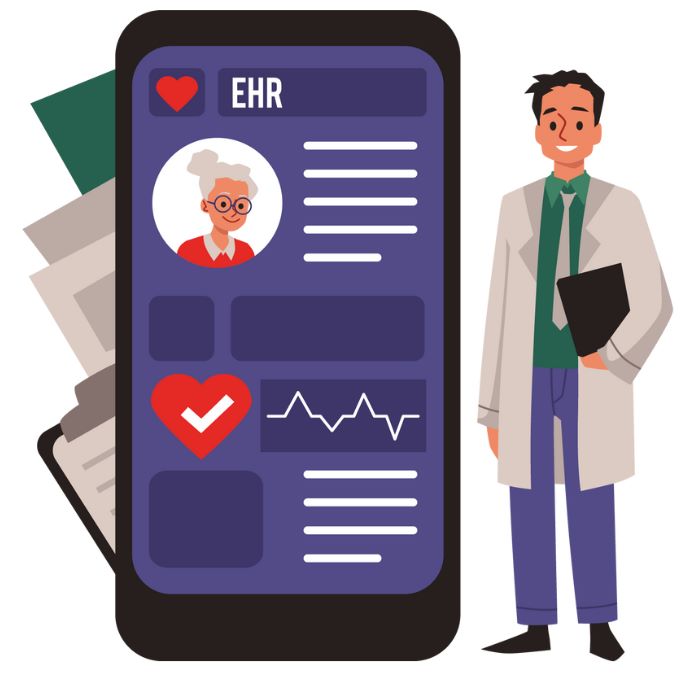
Untethered PHRs, or standalone PHRs, are fully managed by individuals without direct links to healthcare systems. Users manually enter and update their data and decide how to share it. Examples include personal tracking apps or independent health record websites.
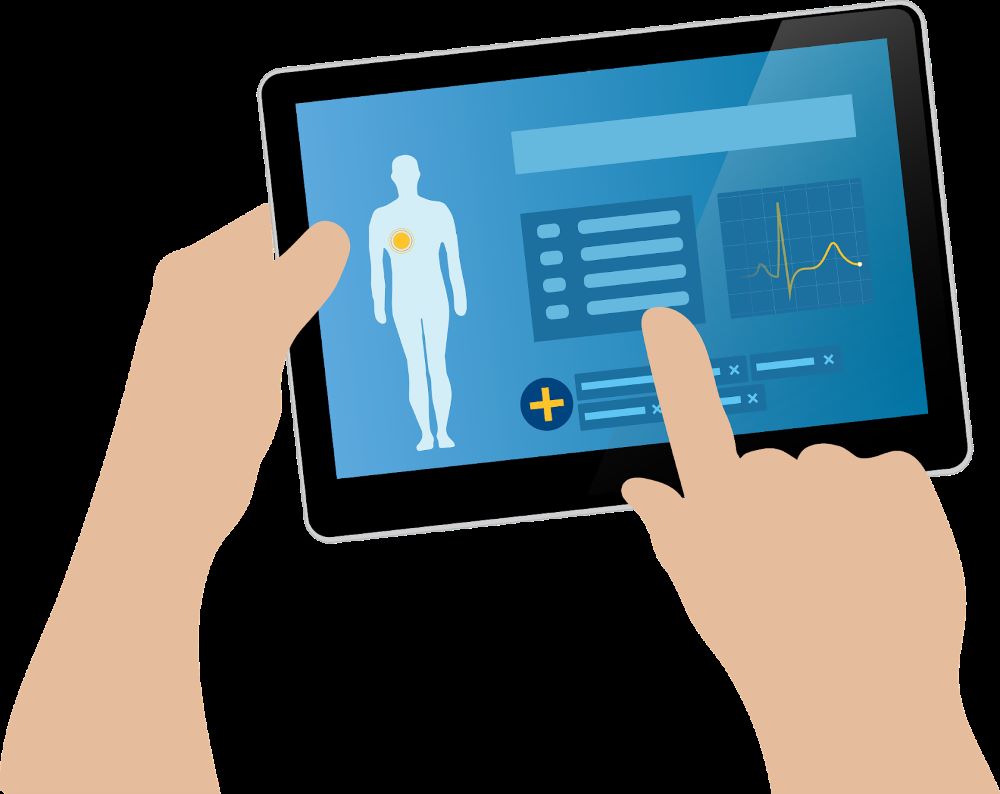
Mobile PHRs are apps for phones and tablets that let you access your health information anywhere. They often connect with wearable devices and offer features like health tracking and reminders, making it easy to manage your health on the go.
Examples include Samsung Health and Apple Health.
Paper-based PHRs involve keeping health records in physical formats, like notebooks or binders. They are for those who prefer physical documents and must manually enter and update information.
Examples include health record notebooks and printed health forms.
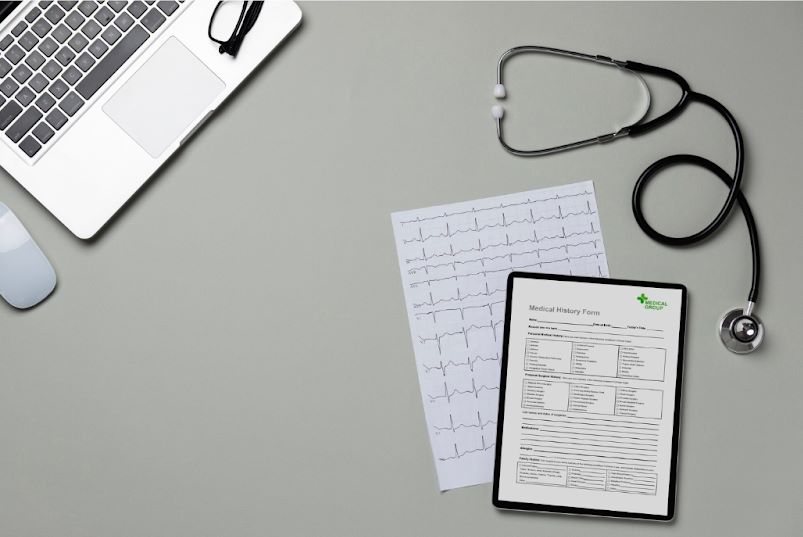
Hybrid PHRs combine both digital and paper records. Users keep a digital version for easy access and a paper copy as a backup. This method gives them the convenience of digital tracking while providing a physical record for extra security.
For example, you might have a digital health record with printed summaries.
A personal health record (PHR) is a comprehensive tool that stores crucial health information. Here’s a look at the key elements typically included:
Keeping an up-to-date personal health record (PHR) means having all your health information in one place, which is very helpful when dealing with healthcare providers. Each visit generates new data that adds to your overall health record.
Besides, maintaining a current PHR gives you a complete picture of your health history. This helps avoid unnecessary tests and provides faster, more accurate emergency care. Being proactive with your PHR improves the quality of your healthcare and helps you take a more active role in managing your health.
Creating a personal health record (PHR) online allows you to manage your health information conveniently. Here’s a step-by-step guide to setting up your PHR
Step 1: Choose a PHR Platform
Look for reputable PHR platforms. Options include the Ayushman Bharat Digital Mission (ABDM) platform, DigiLocker, and private health apps like Practo or 1mg.
Step 2: Sign Up
Visit the website or download the application of your chosen PHR platform and register. You must provide personal information such as name, age, and contact details. Then, complete identity verification, which typically involves OTP verification on your mobile number or linking your Aadhaar number for added security.
Step 3: Enter Your Health Information
Input your medical history, including past illnesses, surgeries, ongoing treatments, current medications, their dosages, any known allergies, recent test results and medical reports.
Step 4: Link with Healthcare Providers
Provide your healthcare providers with access to your PHR. This helps ensure they have the latest information and can contribute updates. Some platforms may allow integration with healthcare providers' systems for automatic data import.
Step 5: Regularly Update Your PHR
Update your PHR regularly with new health information, such as medication changes, test results, or medical conditions. Use the platform’s tools to track critical health metrics over time.
Step 6: Utilize Platform Features
Use the platform to set medication reminders, appointments, and preventive health check-ups. Leverage any secure messaging features to communicate directly with your healthcare providers.
Here’s how you can create a PHR address and link your medical records offline
Step 1: Visit a Healthcare Facility
Go to an authorised hospital for treatment or consultation.
Step 2: Register for a PHR Account
Sign up for a PHR account to store all your health information in one place.
Step 3: Grant Permission
Give consent to link your hospital records with your PHR account, ensuring your data is securely stored.
Step 4: Receive Instructions
You will receive an SMS with instructions to download the PHR app, which allows you to access and manage your health data.
Step 5: Link and Access Records
Your hospital records are linked to your PHR account, and you can view them in the app for a complete overview of your health history.
This process helps you manage your health information easily, communicate with your healthcare providers, and make informed decisions about your care.
Maintaining a personal health record (PHR) is more than just organising your health information, it's about actively managing your well-being. Here’s why keeping a PHR is so valuable
Personal Control and Ownership
Managing your health record gives you complete control over your medical information. This allows you to keep everything updated and organised according to your needs.
Enhanced Health Coordination
A well-maintained PHR helps you communicate more effectively with your healthcare providers. It ensures that everyone has consistent and accurate information, which can enhance the quality of your care.
Empowerment Through Information
Having a complete view of your health data helps you make smart choices about your care. You can see your progress, understand your health better, and actively participate in your treatment plans.
Preparedness in Emergencies
In emergencies, having quick access to your health history can be vital. A PHR gives instant access to essential details like allergies, medications, and past conditions, which can greatly affect emergency care.
Facilitation of Long-Term Health Management
Over time, a PHR becomes a valuable record of your health journey. It helps you track trends, notice changes, and give context for future medical check-ups, supporting long-term health management.
Convenience and Accessibility
Whether digital or physical, a PHR makes your health information easily accessible whenever needed. This convenience helps you manage appointments, medication schedules, and follow-ups more smoothly.
Privacy and Security
Maintaining your own PHR ensures that your health data remains private and secure. You control who sees your information and how it's used, which is increasingly essential in today’s digital world.
While Personal Health Records (PHRs) offer many advantages, they have certain drawbacks. Here’s a closer look at the potential challenges
Data Accuracy and Completeness
Maintaining accurate and complete information in a PHR can be challenging. Since users have to enter and update data themselves, there’s a chance for mistakes or missing details. Wrong information can lead to misunderstandings or unsafe medical decisions, so it's essential to check and update your records regularly.
Privacy and Security Concerns
Storing sensitive health information electronically brings up significant privacy and security concerns. There is always a risk of unauthorised access or data breaches, which could expose your personal information. Using a PHR system with strong security measures and encryption is essential to protect your data.
Integration Challenges
Many PHRs need help working well with different healthcare providers' systems. If the information is updated everywhere, complete health records can result. Picking a PHR that connects well with healthcare providers can help fix this problem.
User Responsibility
Managing a PHR requires active involvement from the user. You’ll need to enter data, keep records up to date, and ensure everything is accurate. This can take time and might require some technical skills. Being ready to invest time or get help can make this easier.
Limited Adoption by Healthcare Providers
Some healthcare providers might not use or accept PHRs, which can limit their usefulness in improving communication and coordination of care. Checking with your providers about their use of PHRs can help you understand how to use the system effectively and make sure it fits with their practices.
Cost and Accessibility
Some PHR systems, especially those with advanced features, can be expensive. Also, digital PHRs may be hard to access for people without reliable internet or technology. Looking for affordable options and ensuring you have the right technology can help with these issues.
Potential for Overload
Having a lot of health information in one place can be overwhelming. Managing detailed records from different sources can get complicated. Organising the information clearly and using tools that provide concise summaries make it easier to handle.
Risk of Misuse
If a PHR ends up in the wrong hands, it could be misused or lead to fraud involving your health data. Using strong security measures and carefully controlling who can access your PHR can help keep your data safe.
The safety of your personal health information in a Personal Health Record (PHR) depends on the security measures of the PHR provider. Sound PHR systems use encryption to protect your data while it's being sent or stored, keeping it safe from unauthorised access. They also use access controls and extra steps like verification codes to help you manage who can see or change your records.
Even with these protections, you must stay aware of your security practices. Choose a PHR system that follows essential rules, like those from the Personal Data Protection Bill (PDPB), and use strong passwords. Be careful about sharing access to your information. While PHR systems usually have strong security, staying proactive about protecting your data is important.
Sharing your Personal Health Record (PHR) with doctors or healthcare providers can significantly improve your care by ensuring they have the most accurate and comprehensive view of your health history. Here are the main ways you can share your PHR data
Direct Integration
Many modern PHR systems can connect with healthcare providers' Electronic Health Records (EHR) systems. This makes it easy to transfer data securely so your healthcare provider can access your health information in real-time. Check if your PHR system supports this connection and follow the instructions to link your records.
Secure Portals
You can upload your health records directly if your PHR system and healthcare provider use secure patient portals. Usually, you log into the portal, choose to upload documents and follow the steps to share your PHR data.
Export and Email
If direct integration or portal sharing isn't available, you can export your PHR data in a standard format like PDF or XML. After exporting, email these files to your healthcare provider. Make sure to send the email securely, and if possible, use encryption to keep your information safe.
Physical Copies
Sometimes, you may need to print your PHR documents and give them to your healthcare provider in person. This can be useful if electronic sharing isn’t impossible or your provider prefers physical copies.
When sharing your PHR, ensure your method follows privacy regulations and keeps your data secure. Also, check with your healthcare provider to confirm their preferred way of receiving the information and any specific requirements they might have.
A Personal Health Record (PHR) can be a valuable tool for managing chronic diseases, providing several key benefits for more effective and personalised care. Here’s how a PHR can help with chronic disease management:
Comprehensive Data Tracking
A PHR lets individuals track their health metrics over time, such as symptoms, medication use, and vital signs. Keeping a detailed record of these factors helps patients and their healthcare providers see trends and changes in their condition, making it easier to make informed decisions about treatment adjustments.
Medication Management
Managing several medications for chronic conditions can be difficult. A PHR helps by keeping track of each medication, like how much to take, how often, and any side effects. This makes it easier to follow your treatment and avoid problems with drug interactions.
Appointment and Test Management
Keeping track of medical appointments, lab tests, and imaging studies is important for managing chronic diseases. A PHR helps organise this information, making it easier to schedule and follow up on tests and consultations. It also ensures that all results are easily accessible, improving care coordination.
Facilitating Communication
A PHR improves communication between patients and their healthcare providers. By sharing their PHR data, patients give doctors a complete view of their health, including self-reported details and observations. This helps doctors create better treatment plans and address issues more quickly.
Empowerment and Self-Management
Using a PHR lets patients take an active role in managing their chronic conditions. With access to their health information, they can make informed decisions about lifestyle changes, track how those changes affect their health, and be more involved in their care planning.
Here are the key differences between Electronic Health Records (EHR) and Personal Health Records (PHR) to help you make an informed choice.
Personal Health Records (PHRs) provide valuable benefits by giving individuals control over their health information and improving communication with healthcare providers. Although there are challenges like privacy concerns and integration issues, a well-maintained PHR can significantly enhance health management. Understanding these factors helps individuals make informed decisions and use their PHR effectively for better health management.
Please try one more time!