General
Life
Accessibility Options


General

General Products
Simple & Transparent! Policies that match all your insurance needs.
 Car Insurance
 Two Wheeler Insurance
 Commercial Vehicle Insurance
 Health Insurance
 Home Insurance
 Travel Insurance
 Business Insurance
Car Insurance
Two Wheeler Insurance
Commercial Vehicle Insurance
Health Insurance
Travel Insurance
Business Insurance
Car Insurance
Two Wheeler Insurance
Commercial Vehicle Insurance
Health Insurance
Travel Insurance



Scan to download

Life

Life Products
Digit Life is here! To help you save & secure your loved ones' future in the most simplified way.
 Term Life
 Savings Plan
 Retirement and Pension Plans
 Group Life Products
 Product Documents
Term Life
Savings Plan
Group Life Products
Product Documents
Term Life
Savings Plan
Group Life Products

Scan to download

Claims

Claims
We'll be there! Whenever and however you'll need us.
 Customer Support
 Motor Claims
Health Claims
Motor Claims
Health Claims
 Marine Insurance
 Grievance Redressal
Customer Support
Motor Claims
Health Claims
Marine Insurance
Grievance Redressal
Grievance Redressal
Customer Support
Motor Claims
Health Claims
Marine Insurance
Grievance Redressal
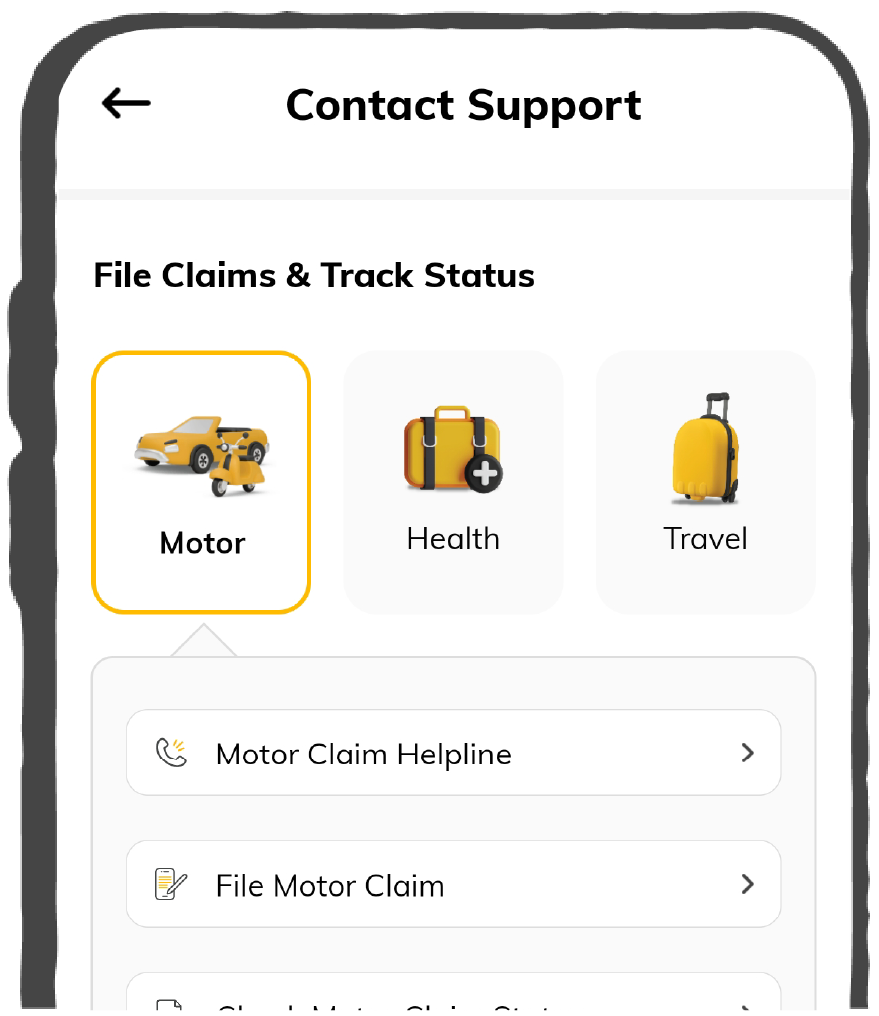
Scan to download
 General
 Life
General
Life
Life
General
Life
Renewals
Resources

Resources
All the more reasons to feel the Digit simplicity in your life!
Exclusive Features
 Transparency Report
Others
Exclusive Features
Transparency Report
Transparency Report
Others
Exclusive Features
Transparency Report
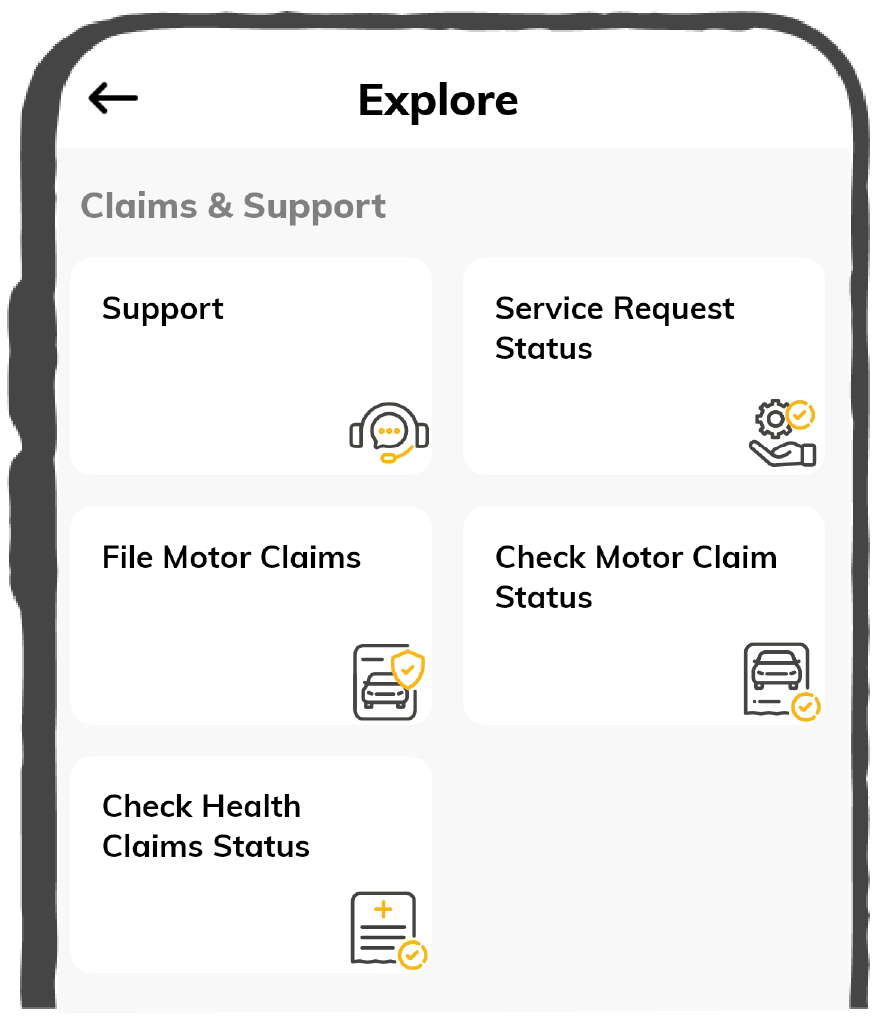
Scan to download


Our WhatsApp number cannot be used for calls. This is a chat only number.

 Grey Scale
 Readable Text
 Reset
Reset




8 Crore+ Customers

Affordable Premium


In India, the Central Armed Police Forces (CAPF) are paramilitary groups, such as the BSF, CRPF, CISF, ITBP, and SSB. These troops are important in ensuring internal security, protecting borders, combating terrorism, and assisting state police in maintaining law and order throughout the country.
Know more about these forces in-depth, along with the selection procedures and how to apply.
Central Armed Police Forces were previously called the Paramilitary Forces of India. There are seven centrally organised armed police forces. Each of these forces serves a distinct purpose. The Ministry of Home Affairs oversees them. With the noteworthy exception of the Assam Rifles, which is led by an Army officer of the rank of Lieutenant General, each force is led by an IPS officer.
In India, the word "paramilitary forces" is not defined in any act of parliament or by the authorities. Since 2011, the Indian government has used an unofficial definition of paramilitary forces as those that aid the military forces and are led by military commanders rather than IPS officers.
Each force has its own set of jobs and responsibilities; however, there are some functions and obligations that the CAPF shares. CAPF's general roles and tasks are as follows:
There are requirements and a selection process to join the Central Armed Police Forces (CAPF) in India. An overview of how to join CAPF is provided below:
The CAPF AC Selection Process incorporates recruiting based on four different performance levels. All of the information about the selection process and the main phases of the exam may be found below.
The UPSC CAPF Selection Process for selecting individuals for the position of Assistant Commandant will consist of four stages that candidates must pass. The information is presented in tabular form. The following are the stages of the CAPF selection process:
|
Stages |
Name of the Exam |
|
1 |
CAPF Paper 1 (Written Examination) |
|
2 |
CAPF Paper 2 (Written Examination) |
|
3 |
Interview or Personality Test |
|
4 |
Physical Efficiency Test or PET |
Check that you meet the fundamental eligibility requirements, which include the CAPF age limit, educational requirements, and physical standards. The particular criteria will differ depending on whatever CAPF unit you want to join.
All applicants must be within the CAPF Age Limit Criteria in order to take the forthcoming examination. Those who are too young to take the CAPF AC exam will be disqualified. Candidates must be between the ages of twenty and twenty-five to be eligible for the CAPF.
Candidates must be well-versed in the CAPF Qualification requirements. Candidates must meet the educational requirements to take the exam and get the position of their choice.
To be qualified for the position, candidates must pass the CAPF Physical Test. The minimal CAPF physical eligibility standards may differ depending on the candidate's gender. You can use the table below to understand the physical requirements for CAPF eligibility.
CAPF Physical Eligibility |
||
Female |
Male |
|
Height |
157 cm |
165 cm |
Weight |
46 Kg |
50 Kg |
To be eligible for the exam, students must also meet vision requirements. For the candidates' convenience, the CAPF eligibility conditions are listed below:
Details |
Minimum |
Maximum |
Distant Vision |
6/12 6/9 |
6/6 6/9 |
Near Vision |
N9 |
N6 |
Limits of Refractive Errors permitted |
-4.00 Myopia & +4.00 D Hypermetropia |
-4.00 Myopia & +4.00 D Hypermetropia |
Candidates must also meet strict medical standards to qualify for the position, according to the CAPF qualifications. The following are the regulations governing minimum medical standards:
In India, the Central Armed Police Forces (CAPF), which include the BSF, CRPF, CISF, ITBP, and SSB, are essential paramilitary forces in charge of internal security, border protection, and law and order. If you are preparing to join this force, stay updated about the exam dates and application process.