General
Life
Accessibility Options


General

General Products
Simple & Transparent! Policies that match all your insurance needs.
 Car Insurance
 Two Wheeler Insurance
 Commercial Vehicle Insurance
 Health Insurance
 Home Insurance
 Travel Insurance
 Business Insurance
Car Insurance
Two Wheeler Insurance
Commercial Vehicle Insurance
Health Insurance
Travel Insurance
Business Insurance
Car Insurance
Two Wheeler Insurance
Commercial Vehicle Insurance
Health Insurance
Travel Insurance


Scan to download

Life

Life Products
Digit Life is here! To help you save & secure your loved ones' future in the most simplified way.
 Term Life
 Savings Plan
 Retirement and Pension Plans
 Group Life Products
 Product Documents
Term Life
Savings Plan
Retirement and Pension Plans
Group Life Products
Product Documents
Term Life
Savings Plan
Retirement and Pension Plans
Group Life Products

Scan to download

Claims

Claims
We'll be there! Whenever and however you'll need us.
 Customer Support
 Motor Claims
Health Claims
Motor Claims
Health Claims
 Marine Insurance
 Grievance Redressal
Customer Support
Motor Claims
Health Claims
Marine Insurance
Grievance Redressal
Grievance Redressal
Customer Support
Motor Claims
Health Claims
Marine Insurance
Grievance Redressal
Scan to download
 General
 Life
General
Life
Life
General
Life
Renewals
Resources

Resources
All the more reasons to feel the Digit simplicity in your life!
Exclusive Features
 Transparency Report
Others
Exclusive Features
Transparency Report
Transparency Report
Others
Exclusive Features
Transparency Report
Scan to download


Our WhatsApp number cannot be used for calls. This is a chat only number.

 Grey Scale
 Readable Text
 Reset
Reset




10000+ Cashless Garages
1.5 Cr+ Policies Sold


Check Price

Car insurance Online, Up to 90% Discount
It's a Brand New Car
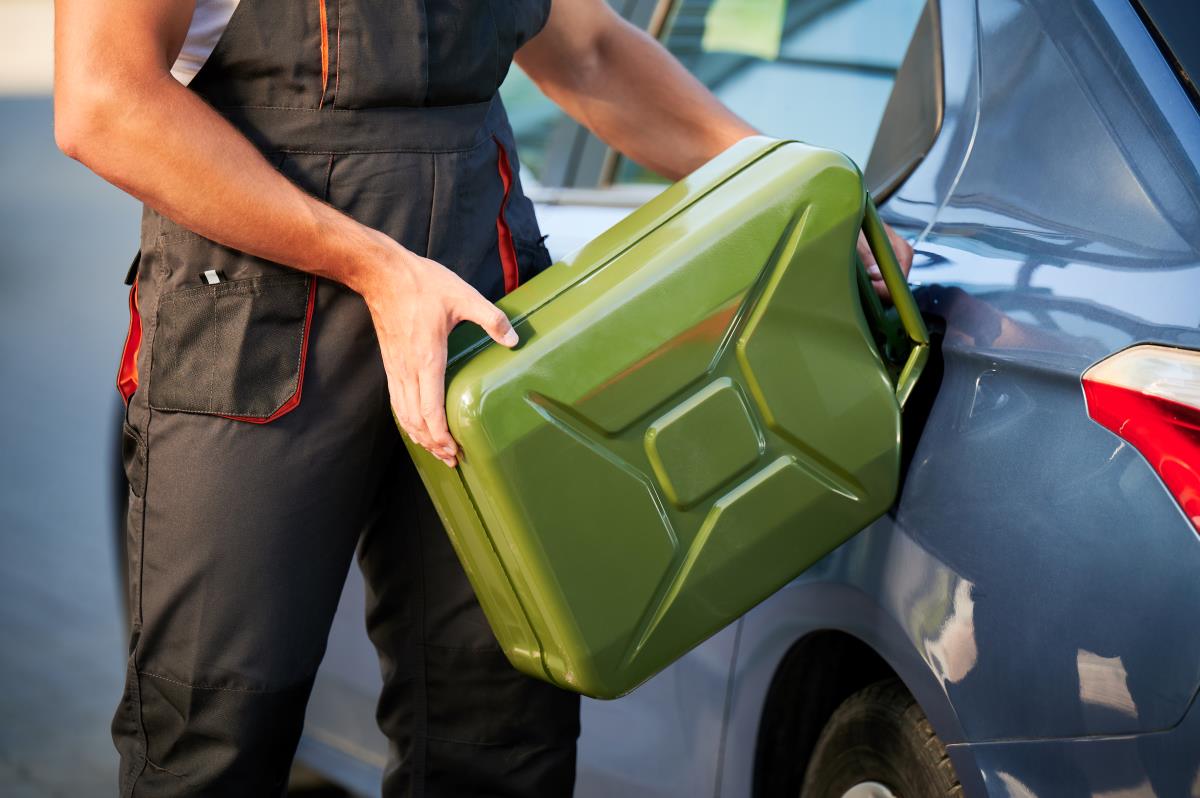
Fuel tank capacity is crucial to every car, dictating its range and refuelling frequency. It directly impacts a driver's experience on the road, influencing travel distances and convenience. The fuel tank size varies widely among different car types, from compact city cars to rugged SUVs.
Exploring the nuances of fuel tank capacity provides valuable insights for drivers, allowing them to understand their car’s capabilities better and plan their journeys effectively.

The average car's fuel tank capacity typically ranges from 38 to 76 litres (10 to 20 gallons), with variations based on the make and model. This capacity enables most cars to cover approximately 483 to 644 kilometres (300 to 400 miles) on a full tank, depending on driving conditions and fuel efficiency.
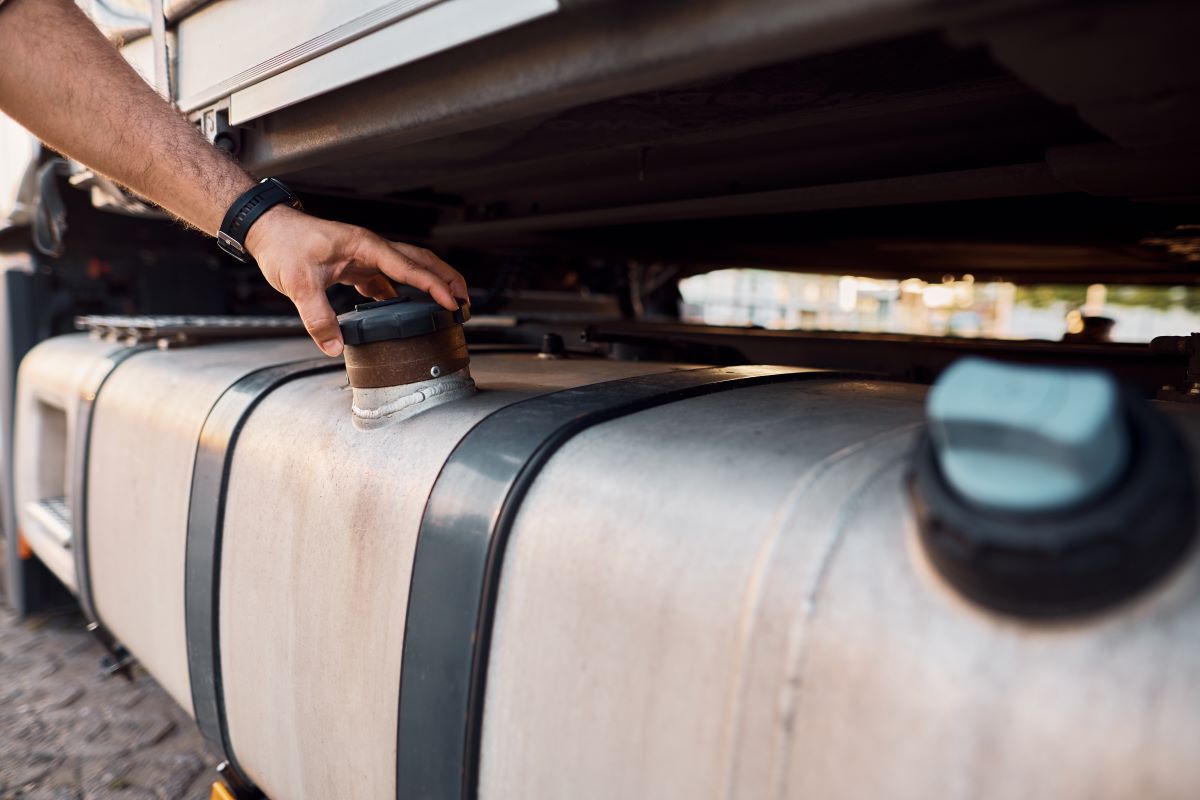
Here is a breakdown of typical gas tank capacities for cars with different engine cylinder counts:
Two-cylinder car gas tank capacity: Two-cylinder cars usually have smaller fuel tank capacities, typically ranging from 40 to 45 litres. Examples include the Smart Fortwo, Fiat 500, Chevrolet Spark, Mitsubishi i-MiEV, and Tata Nano.
Certain car models are renowned for their impressive fuel tank capacities, including:
Some cars have smaller fuel tank capacities, such as:
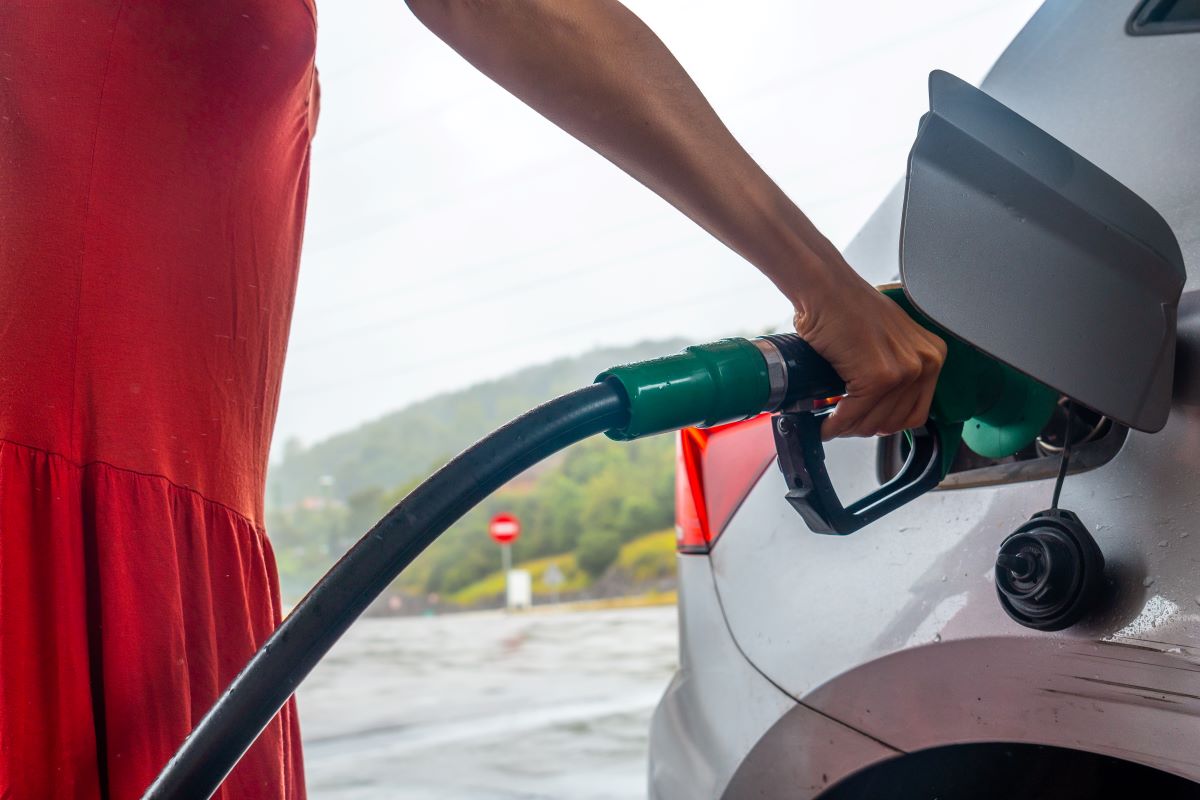
Smart cars, known for their compact size and urban agility, feature a diminutive fuel tank capacity suited to their efficient design. A typical smart car has a fuel tank capacity of around 26 litres, optimised for city driving and short-distance travel.
The fuel tank capacity of a race car varies depending on the specific racing series and regulations. However, race cars generally have smaller fuel tanks than road cars.
Their capacities can range from as low as 20 to 100 litres, depending on factors such as the type of racing (e.g., endurance racing, Formula 1, NASCAR) and the duration of the race.
Fuel tank capacity is a key factor in determining a car’s range and suitability for various driving scenarios. Whether it's navigating city streets in a compact car or embarking on a cross-country road trip in an SUV, understanding the fuel tank capacity allows drivers to plan their journeys effectively and enjoy a hassle-free driving experience.