General
Life
Accessibility Options


General

General Products
Simple & Transparent! Policies that match all your insurance needs.
 Car Insurance
 Two Wheeler Insurance
 Commercial Vehicle Insurance
 Health Insurance
 Home Insurance
 Travel Insurance
 Business Insurance
Car Insurance
Two Wheeler Insurance
Commercial Vehicle Insurance
Health Insurance
Travel Insurance
Business Insurance
Car Insurance
Two Wheeler Insurance
Commercial Vehicle Insurance
Health Insurance
Travel Insurance



Scan to download

Life

Life Products
Digit Life is here! To help you save & secure your loved ones' future in the most simplified way.
 Term Life
 Savings Plan
 Retirement and Pension Plans
 Group Life Products
 Product Documents
Term Life
Savings Plan
Retirement and Pension Plans
Group Life Products
Product Documents
Term Life
Savings Plan
Retirement and Pension Plans
Group Life Products

Scan to download

Claims

Claims
We'll be there! Whenever and however you'll need us.
 Customer Support
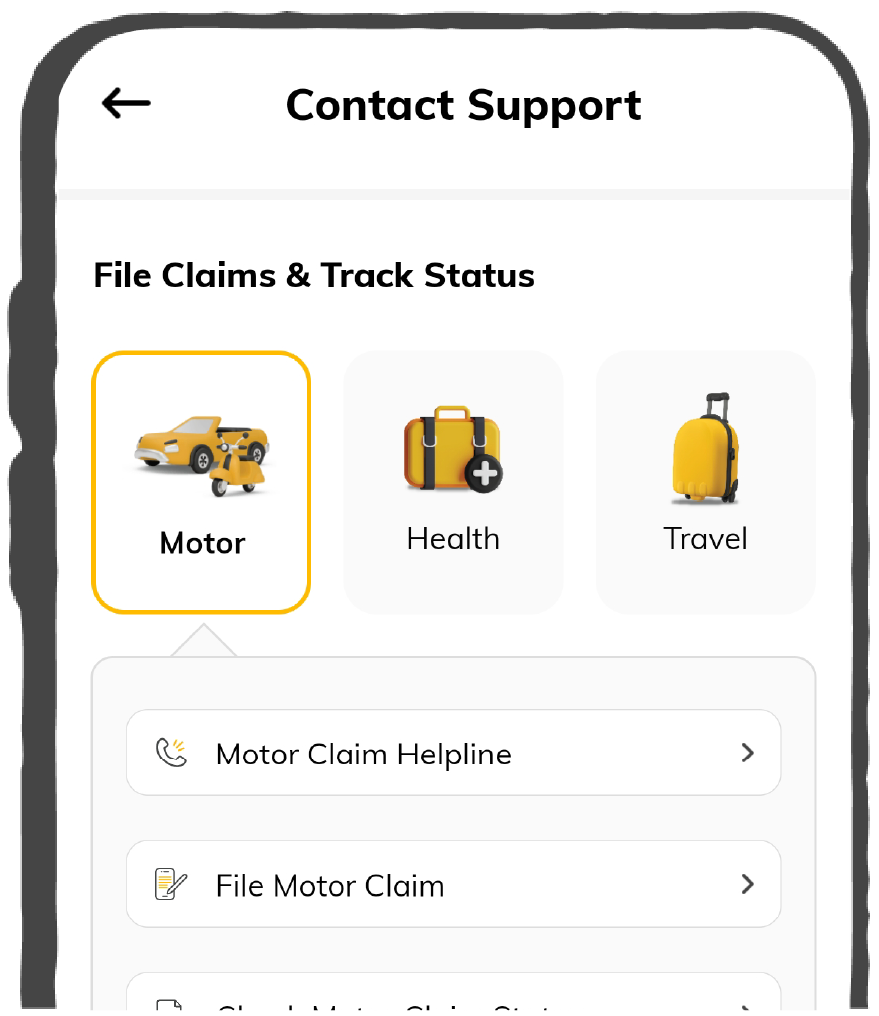
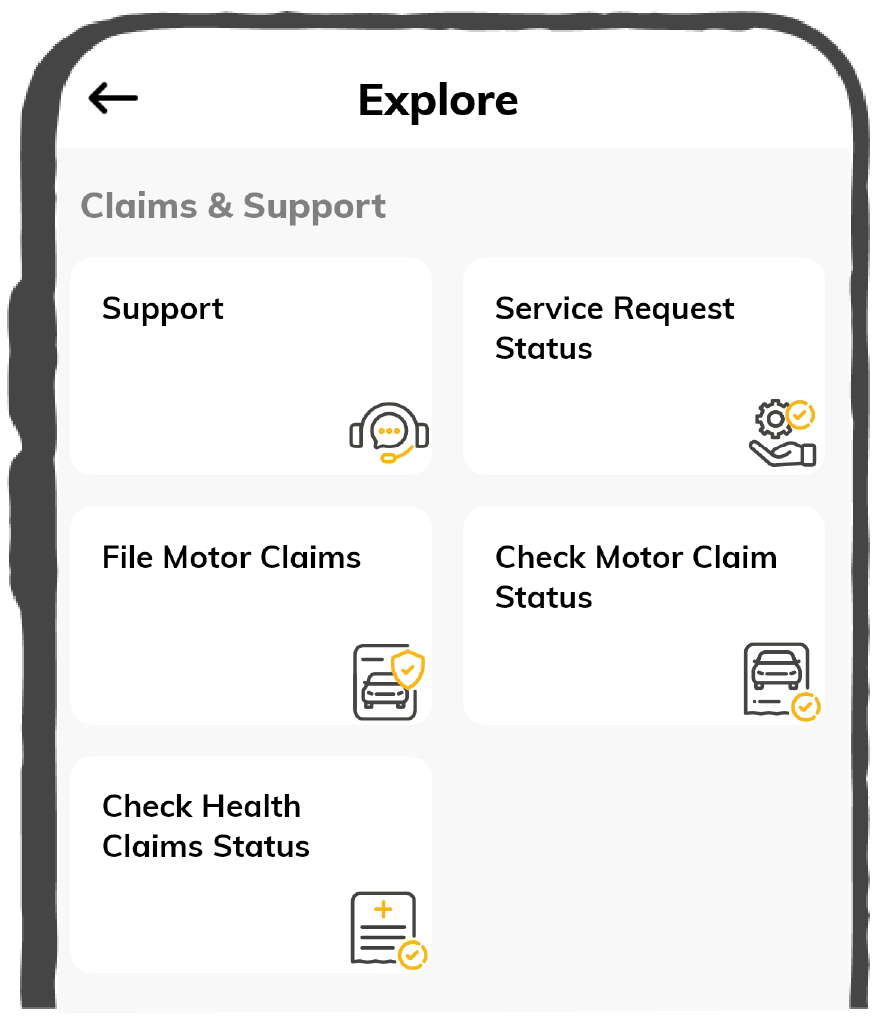
 Motor Claims
Health Claims
Motor Claims
Health Claims
 Marine Insurance
 Grievance Redressal
Customer Support
Motor Claims
Health Claims
Marine Insurance
Grievance Redressal
Grievance Redressal
Customer Support
Motor Claims
Health Claims
Marine Insurance
Grievance Redressal
Scan to download
 General
 Life
General
Life
Life
General
Life
Renewals
Resources

Resources
All the more reasons to feel the Digit simplicity in your life!
Exclusive Features
 Transparency Report
Others
Exclusive Features
Transparency Report
Transparency Report
Others
Exclusive Features
Transparency Report
Scan to download


Our WhatsApp number cannot be used for calls. This is a chat only number.

 Grey Scale
 Readable Text
 Reset
Reset




2000+ Cashless Garages
80 Lacs+ Policies Sold



Check Price
Buy Commercial Vehicle Insurance Online
It's a Brand New Vehicle

Owning best-in-class trucks is crucial for seamless operations and profitable outcomes as a fleet business operator. Thus, to address long-term sustainability challenges, business owners are now considering replacing internal combustion engine (ICE) trucks with electric trucks as transportation solutions evolve.
Though the change will be gradual and slow, it is an essential step as truck emissions contribute to one-third of India's pollution. By retrofitting or introducing electric replacements, the Government anticipates lowering this sector's CO2 emissions by at least 2.8 gigatonnes by 2050.
So, should you consider upgrading your current fleet to electric trucks? Scroll down for a detailed comparison of electric trucks vs. diesel trucks, and make an informed decision.

Table of Contents

Diesel trucks are commercial vehicles that use diesel engines to carry cargo from one place to another. They offer better fuel economy than petrol-powered trucks, as diesel is denser and can supply more energy per unit of volume.
Thus, in addition to cost savings, diesel trucks provide operational efficiency as they require drivers to make fewer stops for refuelling during a journey.
An EV or electric truck runs on electricity instead of petrol or diesel. They are more economical to maintain than traditional trucks, loaded with a rechargeable battery pack and an electric motor. Moreover, they have a smaller ecological footprint as these trucks cause zero emissions.
In India, the popularity of electric trucks is expected to increase rapidly as newer charging infrastructure continues to expand and the Government offers various tax benefits and subsidies. The primary aim behind all these initiatives is to encourage the full-fledged adoption of these green trucks.
Refer to the table below for a quick side-by-side comparison of diesel trucks and electric trucks:
By 2029, the Indian freight sector is predicted to reach a market value of USD 484.43 billion, expanding at an 8.83% CAGR. To identify the driving force behind this growth, you must analyse the following trends, which have already emerged and are expected to play an important role in the future.
Diesel trucks are currently the primary choice for long-haul transportation. Yet, many emerging technologies like hydrogen fuel cells and electric batteries now offer eco-friendly alternatives. Although you can expect more efficiency and range from internal combustion engines, the increasingly expensive diesel fuel pushes for change.
Electric trucks offer zero-emission operation with the additional benefits of relatively low operating costs, high load-bearing capacity, and greater longevity. However, their ranges and charging times are still restricted, which makes them the most appropriate for local transport and distribution operations.
With coordinated efforts across industries to increase the driving range of these vehicles and expand public charging infrastructure nationwide, electric trucks can become the preferred choice for long-haul transportation.
Through this discussion about electric trucks vs diesel trucks, you now understand the pros and cons of each vehicle type. Thus, you can make an informed choice based on your business’s transportation requirements. However, all truck models are not the same and can come with varying performances and associated expenses.
Thus, conduct thorough research and check the user reviews before making your final decision.
Upgrading from diesel to electric trucks ultimately depends on your fleet’s operational needs, cost priorities, and long-term sustainability goals. While diesel trucks still lead in range and refuelling convenience, electric trucks offer quieter operation, lower running costs, and zero emissions. With rapid advancements in charging infrastructure and EV technology, electric trucks are becoming a viable option for future-ready fleets. Regardless of your choice, securing the right commercial vehicle insurance is essential to protect your assets and ensure uninterrupted operations.