General
Life
Accessibility Options


General

General Products
Simple & Transparent! Policies that match all your insurance needs.
 Car Insurance
 Two Wheeler Insurance
 Commercial Vehicle Insurance
 Health Insurance
 Home Insurance
 Travel Insurance
 Business Insurance
Car Insurance
Two Wheeler Insurance
Commercial Vehicle Insurance
Health Insurance
Travel Insurance
Business Insurance
Car Insurance
Two Wheeler Insurance
Commercial Vehicle Insurance
Health Insurance
Travel Insurance



Scan to download

Life

Life Products
Digit Life is here! To help you save & secure your loved ones' future in the most simplified way.
 Term Life
 Savings Plan
 Retirement and Pension Plans
 Group Life Products
 Product Documents
Term Life
Savings Plan
Retirement and Pension Plans
Group Life Products
Product Documents
Term Life
Savings Plan
Retirement and Pension Plans
Group Life Products

Scan to download

Claims

Claims
We'll be there! Whenever and however you'll need us.
 Customer Support
 Motor Claims
Health Claims
Motor Claims
Health Claims
 Marine Insurance
 Grievance Redressal
Customer Support
Motor Claims
Health Claims
Marine Insurance
Grievance Redressal
Grievance Redressal
Customer Support
Motor Claims
Health Claims
Marine Insurance
Grievance Redressal
Scan to download
 General
 Life
General
Life
Life
General
Life
Renewals
Resources

Resources
All the more reasons to feel the Digit simplicity in your life!
Exclusive Features
 Transparency Report
Others
Exclusive Features
Transparency Report
Transparency Report
Others
Exclusive Features
Transparency Report
Scan to download


Our WhatsApp number cannot be used for calls. This is a chat only number.

 Grey Scale
 Readable Text
 Reset
Reset




2000+ Cashless Garages
80 Lacs+ Policies Sold


India's logistics and transportation industry relies on trucks of various sizes to move goods efficiently across cities, states, and industrial corridors. From compact vehicles used for last-mile deliveries to extra-heavy trucks designed for oversized cargo, each truck category serves a specific purpose. Understanding truck sizes and classifications can help fleet operators, transport businesses, and buyers choose the right vehicle for their operational requirements.
The choice of truck size depends on factors such as payload capacity, cargo type, operating routes, and transportation costs. Additionally, securing an adequate truck insurance policy is important to protect commercial vehicles against accidents, theft, natural disasters, and other unforeseen financial losses.
Disclaimer: The prices, payload capacities, dimensions, and specifications mentioned above are indicative and may vary based on the model, manufacturer, configuration, location, and applicable taxes.
Trucks come in various sizes to cater to different transportation needs. Here is a list of 7 different types of trucks based on their size and usage:
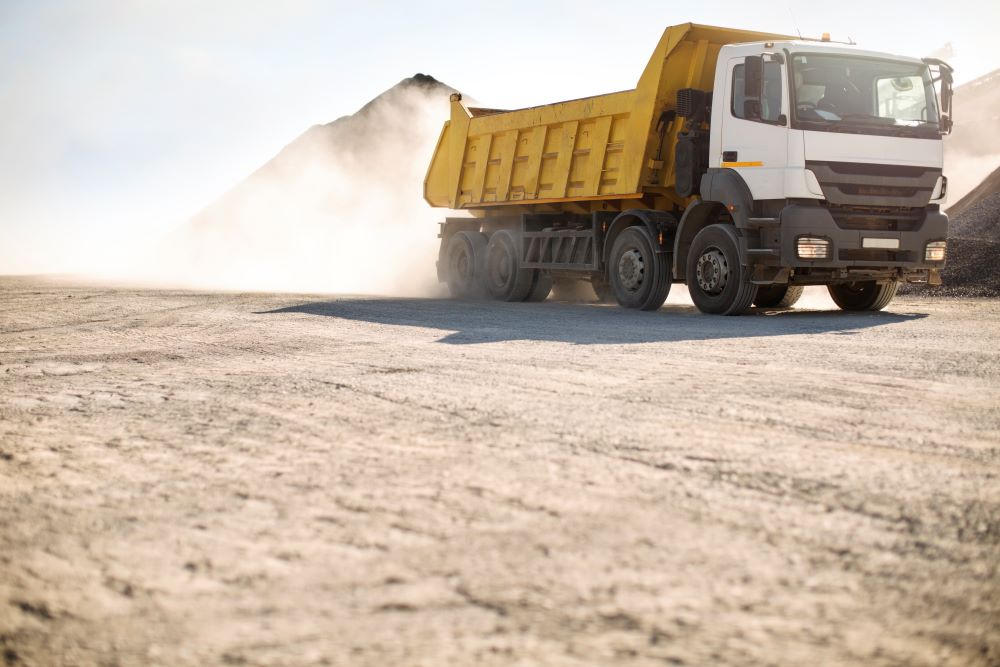
Extra Heavy Commercial Vehicles are the largest trucks used on Indian roads and are specifically designed to transport oversized and exceptionally heavy cargo. These vehicles are commonly used for moving industrial machinery, wind turbine components, construction equipment, and large infrastructure materials. Their ability to carry massive payloads reduces the need for multiple trips and improves transportation efficiency.
Key Details:
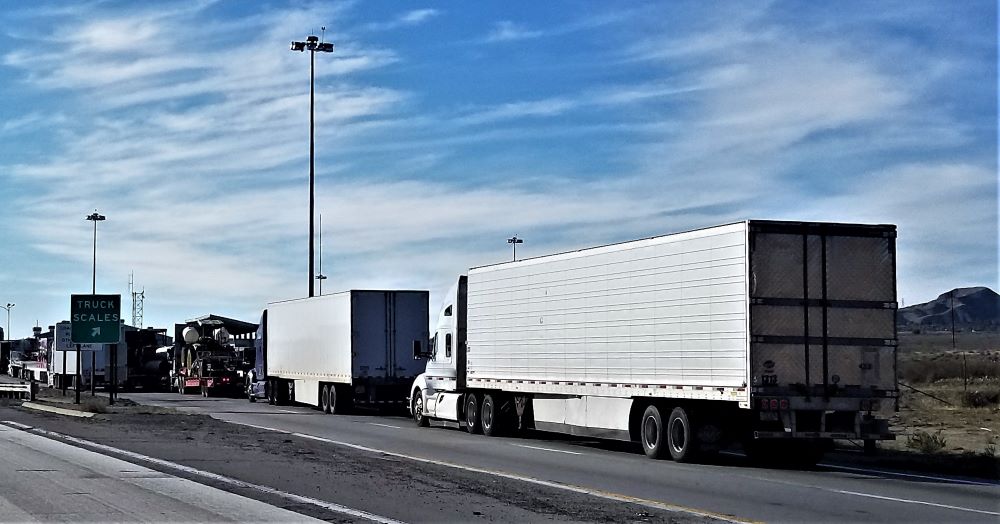
Multi-Axle Vehicles feature more than two axles, which helps distribute weight more evenly and allows them to carry heavier loads safely. These trucks are widely used in logistics, manufacturing, and industrial transportation sectors where large quantities of cargo need to be moved efficiently over long distances.
Key Details:
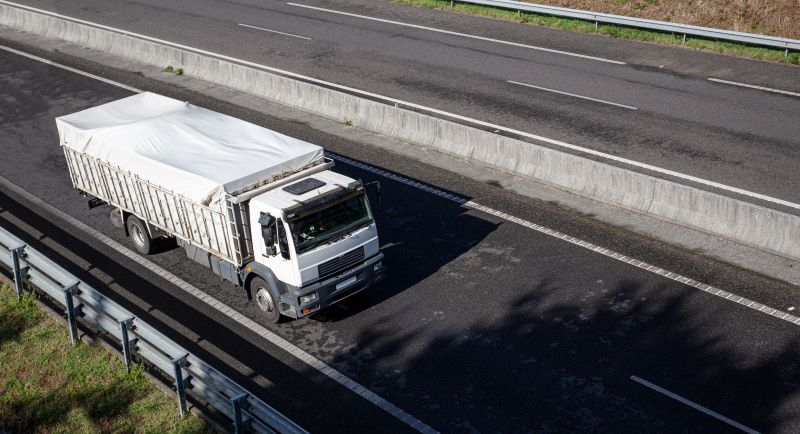
Container trucks are specially designed to transport standard shipping containers between ports, warehouses, logistics parks, and distribution centres. These trucks form an essential part of India's import-export and container logistics ecosystem.
Key Details:
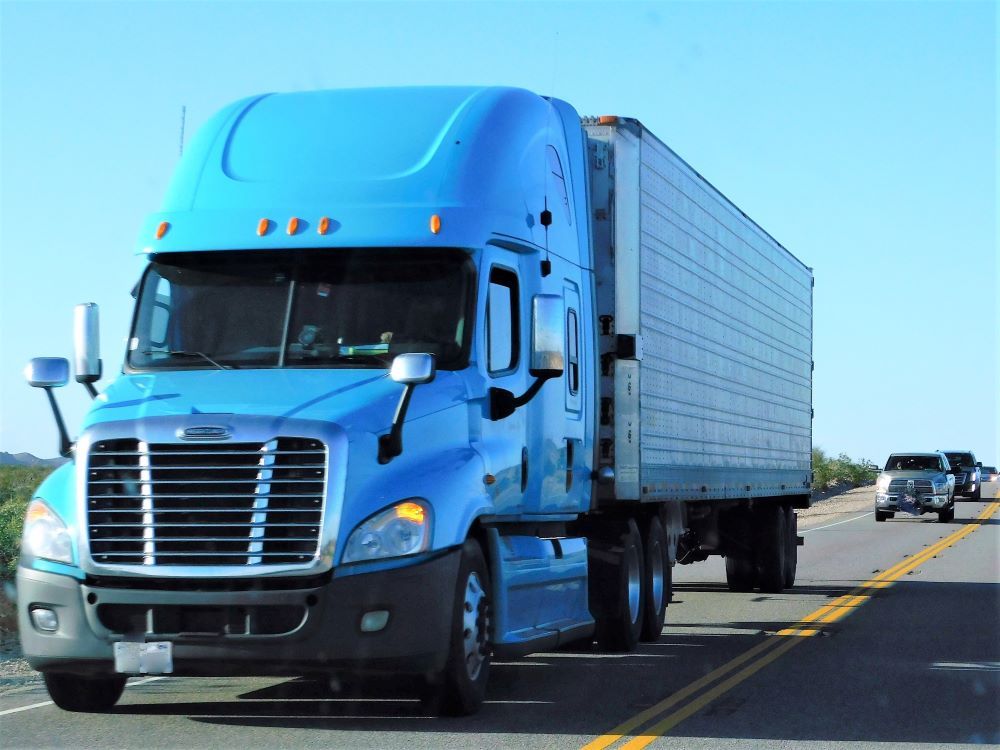
Heavy Commercial Vehicles are designed for carrying substantial freight loads across long distances. These trucks are commonly used in mining, logistics, manufacturing, infrastructure, and construction sectors where transporting large volumes of goods is necessary.
Key Details:
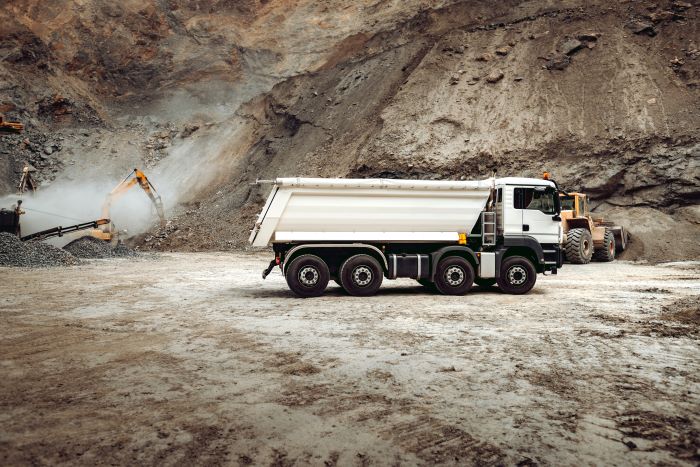
Medium Commercial Vehicles bridge the gap between light and heavy trucks. They are widely used for regional transport, distribution services, and medium-load operations, offering a balance between payload capacity and operating efficiency.
Key Details:
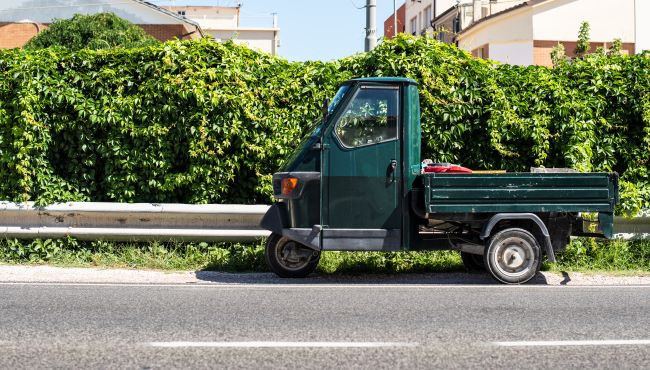
Light Commercial Vehicles are compact trucks and vans designed for urban and semi-urban transportation. They are commonly used for last-mile delivery, courier services, retail distribution, and e-commerce logistics because of their lower operating costs and easy manoeuvrability.
Key Details:
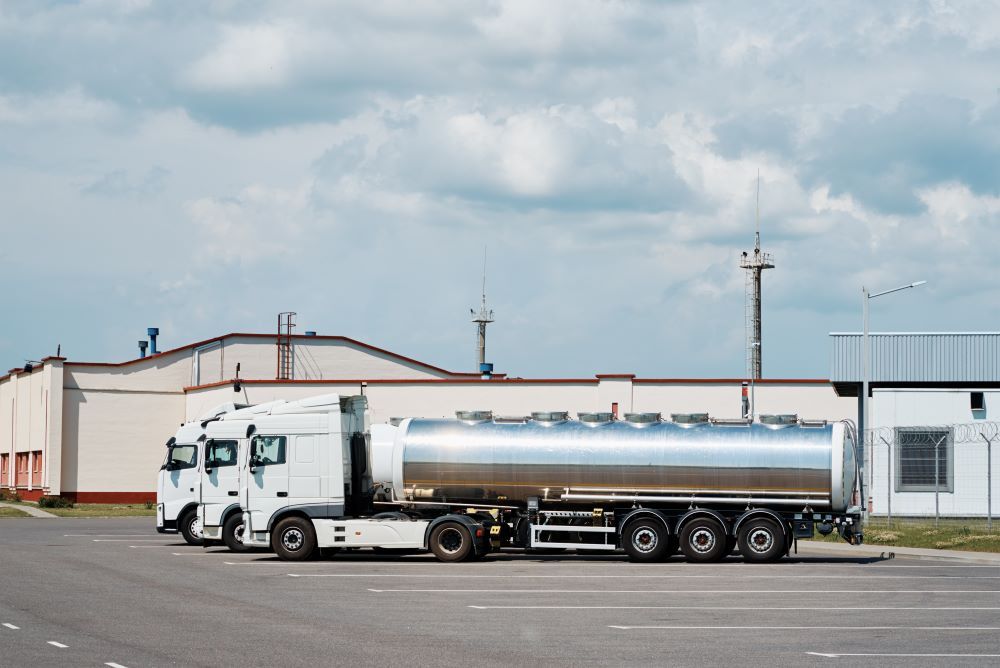
Trailers and semi-trailers are among the most widely used heavy-duty transportation vehicles for long-distance freight movement. They can carry large cargo volumes and are available in various configurations, including flatbed, dry van, tanker, and dump trailer variants, depending on the type of goods being transported.
Key Details: