General
Life
Accessibility Options


General

General Products
Simple & Transparent! Policies that match all your insurance needs.
 Car Insurance
 Two Wheeler Insurance
 Commercial Vehicle Insurance
 Health Insurance
 Home Insurance
 Travel Insurance
 Business Insurance
Car Insurance
Two Wheeler Insurance
Commercial Vehicle Insurance
Health Insurance
Travel Insurance
Business Insurance
Car Insurance
Two Wheeler Insurance
Commercial Vehicle Insurance
Health Insurance
Travel Insurance



Scan to download

Life

Life Products
Digit Life is here! To help you save & secure your loved ones' future in the most simplified way.
 Term Life
 Savings Plan
 Retirement and Pension Plans
 Group Life Products
 Product Documents
Term Life
Savings Plan
Group Life Products
Product Documents
Term Life
Savings Plan
Group Life Products

Scan to download

Claims

Claims
We'll be there! Whenever and however you'll need us.
 Customer Support
 Motor Claims
Health Claims
Motor Claims
Health Claims
 Marine Insurance
 Grievance Redressal
Customer Support
Motor Claims
Health Claims
Marine Insurance
Grievance Redressal
Grievance Redressal
Customer Support
Motor Claims
Health Claims
Marine Insurance
Grievance Redressal
Scan to download
 General
 Life
General
Life
Life
General
Life
Renewals
Resources

Resources
All the more reasons to feel the Digit simplicity in your life!
Exclusive Features
 Transparency Report
Others
Exclusive Features
Transparency Report
Transparency Report
Others
Exclusive Features
Transparency Report
Scan to download


Our WhatsApp number cannot be used for calls. This is a chat only number.

 Grey Scale
 Readable Text
 Reset
Reset




9000+ Cashless Garages
1.2 Cr+ Policies Sold


Check Price

Car insurance Online, Up to 90% Discount
It's a Brand New Car
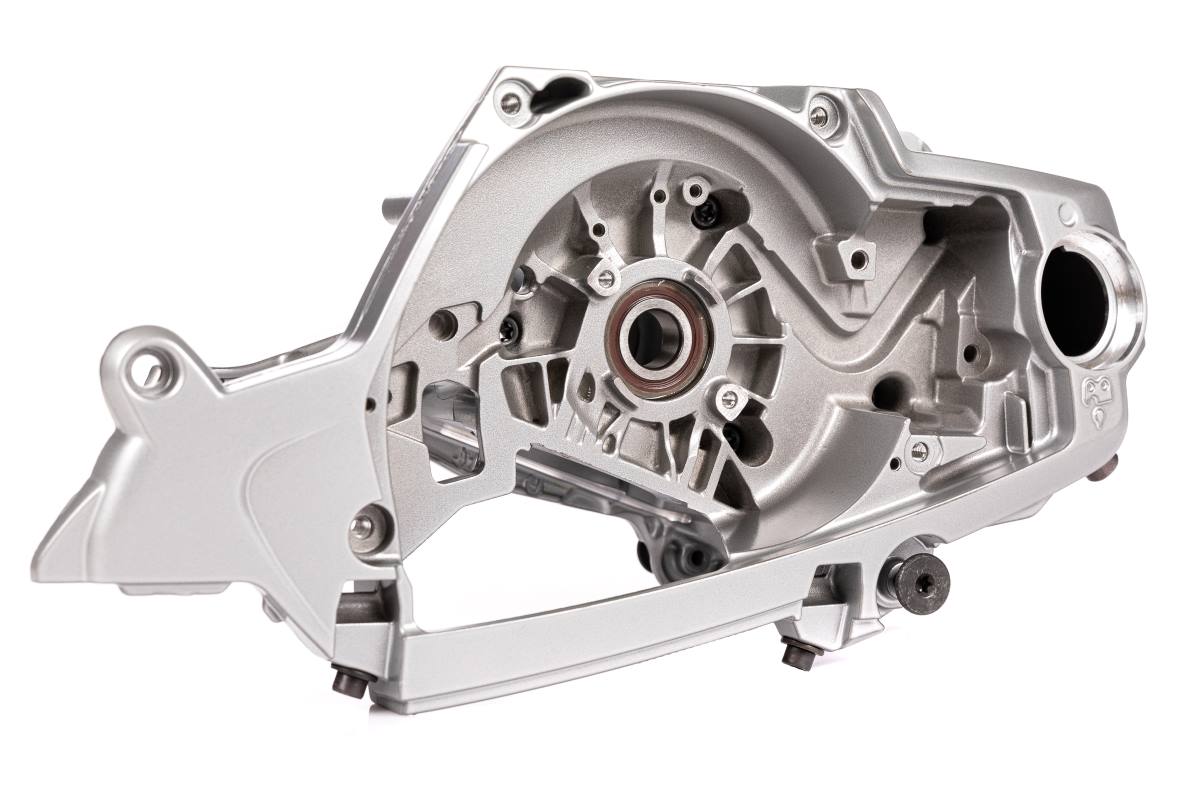
When a vehicle operates, it creates certain harmful gases and oil mist as the air-fuel mixture comes in contact with the combustion gases. These gases may leak further into the piston rings, which can harm your car engine and diminish fuel efficiency. To combat the occurrence, vehicles nowadays come installed with crankcase ventilation.
The following sections detail the positive crankcase ventilation system and how it helps manage engine blow-by.
Crankcase ventilation is the effective process of filtering out these accumulated gases called blow-by from the crankcase. Note that the blow-by gases can easily mix with other contaminants, causing harm to the vehicle and the environment.
The function of a highly efficient crankcase ventilation system is to prevent that from happening.
Depending on your vehicle and its requirements for blow-by, either of the following types of crankcase ventilation system can be installed:
OCVs are installed in vehicles where the blow-by goes into the atmosphere. This system can be low back pressure, low efficiency, or even come with a highly efficient coalescing system to collect huge amounts of oil mist.
One of the primary benefits of the OCV system is that it decreases the chances of oil-build up in the aftercoolers and turbochargers of the engine.
Unlike OCVs, closed crankcase ventilation (CCV) is installed when the blow-by gases are taken back to the engine’s intake in such vehicles. The gases are routed up the compressor wheel and down the air cleaner. Some amount of blow-by may also be sent to the exhaust.
Since this system follows the engine’s path, it helps monitor the total emissions a vehicle produces. This is why, as environmental regulations become stringent, the usage of such systems has increased.
A properly maintained crankcase ventilation system helps manage your vehicle’s engine performance to a great extent. It exhibits the following benefits:
Before venting blow-by gases into the atmosphere or returning them to the engine's intake, crankcase ventilation systems, with their filters, clean them to remove impurities. The main issue with releasing blow-by gases is the creation of oil mist. The filter's job is to collect the oil mist that has been entrained in the blow-by and fuse it before returning it to the engine. Therefore, it plays a role in lowering oil consumption and, in turn, increasing fuel efficiency.
The crankcase ventilation helps remove pollution and contaminants from the crankcase. Efficiency and properly functioning ventilation are crucial in preventing the contaminants from settling on the engine’s aftercoolers and turbochargers, which helps retain the performance of a vehicle’s engine.
Crankcase ventilation systems employ high-efficiency filters to keep smoke, oil mist, and odours from polluting the environment. If the crankcase ventilation system malfunctions, the accumulated gases will release in the atmosphere. Further, untreated blow-by can accumulate on the vehicle’s engine. The oil can become a fire hazard and cause respiratory issues.
Crankcase ventilation helps reduce blow-by emissions, as per regulations defined by national or regional agencies, such as EPA and IMO. Such requirements are defined on the basis of fuel type, stationary or marine installation.
The role of a crankcase ventilation system is huge when it comes to controlling pollutants and contaminants in the crankcase. A properly functioning system ensures your vehicle runs smoothly and performs well on-road.