General
Life
Accessibility Options


General

General Products
Simple & Transparent! Policies that match all your insurance needs.
 Car Insurance
 Two Wheeler Insurance
 Commercial Vehicle Insurance
 Health Insurance
 Home Insurance
 Travel Insurance
 Business Insurance
Car Insurance
Two Wheeler Insurance
Commercial Vehicle Insurance
Health Insurance
Travel Insurance
Business Insurance
Car Insurance
Two Wheeler Insurance
Commercial Vehicle Insurance
Health Insurance
Travel Insurance


Scan to download

Life

Life Products
Digit Life is here! To help you save & secure your loved ones' future in the most simplified way.
 Term Life
 Savings Plan
 Retirement and Pension Plans
 Group Life Products
 Product Documents
Term Life
Savings Plan
Retirement and Pension Plans
Group Life Products
Product Documents
Term Life
Savings Plan
Retirement and Pension Plans
Group Life Products
Scan to download

Claims

Claims
We'll be there! Whenever and however you'll need us.
 Customer Support
 Motor Claims
Health Claims
Motor Claims
Health Claims
 Marine Insurance
 Grievance Redressal
Customer Support
Motor Claims
Health Claims
Marine Insurance
Grievance Redressal
Grievance Redressal
Customer Support
Motor Claims
Health Claims
Marine Insurance
Grievance Redressal
Scan to download
 General
 Life
General
Life
Life
General
Life
Renewals
Resources

Resources
All the more reasons to feel the Digit simplicity in your life!
Exclusive Features
 Transparency Report
Others
Exclusive Features
Transparency Report
Transparency Report
Others
Exclusive Features
Transparency Report
Scan to download


Our WhatsApp number cannot be used for calls. This is a chat only number.

 Grey Scale
 Readable Text
 Reset
Reset



Car Insurance Online, Up to 90% Off*

10000+
Cashless Garages

5100 Crore+
Paid-in Claims

1.5 Crore+
Policies Sold
I agree to the Terms & Conditions

Buy Online for Huge Savings
Check Price

Car insurance Online, Up to 90% Discount



Content Writer
Athira Susan James brings a thoughtful approach to communication and storytelling, shaping content with clarity and intent. She is known for her interest in user experience and the ways people interact with digital platforms. Her writing blends creativity with an eye for subtle details.


Product Head - Motor
Mayur specializes in motor insurance and is responsible for overseeing the development and management of motor insurance products. With expertise in product strategy and market analysis, he focuses on developing customer-centric insurance solutions.
Digit car insurance is a smart, efficient, and legally compliant way to protect yourself and your vehicle from accidents, theft, natural calamities, and third‑party liabilities. It offers a comprehensive protection experience through features such as 9000+ cashless garages, roadside assistance, no‑claim bonus, and a range of 13+ optional add‑ons including Zero Depreciation and Engine Protection.
With over ₹2900+ crore claims paid and 1. 2 crore+ policies sold, Digit ensures dependable support and shields you from unexpected repair expenses whether it’s a minor dent or major damage making every journey safer and more financially secure. The platform also offers transparent processes, quick online renewal, and customisable plans, making it easier for customers to select and maintain the coverage that best suits their needs.
In essence, car insurance when purchased or renewed with Digit, provides comprehensive financial protection, convenience, and peace of mind, ensuring safer and stress‑free driving in an unpredictable road environment.
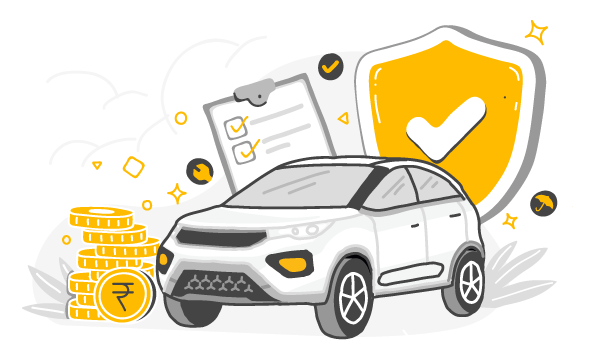
Car insurance is a type of vehicle insurance policy that provides both legal and financial protection against losses arising from accidents, theft, natural disasters, or damages caused to a third party.
It ensures you stay compliant with the law since Third‑Party Liability insurance is mandatory in India and helps cover repair or replacement costs, whether it’s a small dent or major accident‑related damage.
In addition to safeguarding your vehicle, it also protects you from third‑party financial liabilities and offers Personal Accident Cover for the owner‑driver and allows you to enhance your protection through add‑ons like Zero Depreciation, Engine Protection, and Roadside Assistance.
With features such as access to cashless repair networks and benefits like No‑Claim Bonus that reduce premiums over time, car insurance acts as a comprehensive financial safety net, ensuring peace of mind and preparedness for any unexpected situation on the road.
Select Coverage & Purchase Policy
Choose your coverage type, set the IDV, review the premium & make the payment.
File a Claim in Case of an Accident/Damage
File a claim and inform your insurer if your car is involved in an accident or suffers any damage.
Get Repairs via Cashless Service or Opt for Reimbursement
Avail cashless repairs at the network garages or repair the vehicle in your preferred garage & request reimbursement.
Earn No Claim Bonus (NCB)
Earn NCB for every year you complete without raising a claim to reduce your premium during renewal.
Renew Your Policy & Apply Your NCB
Renew your policy seamlessly through the Digit App and apply accumulated NCB for an additional discount.
Car insurance is a fundamental safety requirement designed to keep every road user financially and legally protected.
When an accident, theft, or natural calamity occurs, insurance ensures there’s a fair, structured, and stress‑free way to manage damages, medical liabilities, and repair costs.
Without mandatory third‑party car insurance, millions of drivers would avoid buying insurance, and even a minor mishap could lead to disputes, heavy financial losses, and legal complications.
Mandatory insurance prevents that chaos by guaranteeing that victims receive compensation, and both parties have a clear path to resolution.
1. Third-Party Insurance is Mandatory by Law
The Motor Vehicles Act, 1988 mandates that every vehicle on the road must have at least third‑party insurance, and there are consequences for non‑compliance.
Driving without a valid third-party insurance policy can lead to fines of up to ₹2,000 (first time), ₹4,000 (repeated) and license suspension, or even imprisonment for up to three months, depending on the severity of the violation1.
With the introduction of digital enforcement tools such as e‑challans and FASTag‑based verification, authorities can now detect uninsured vehicles more quickly than ever.
This strict enforcement ensures that all road users remain financially protected and reduces the burden on accident victims who might otherwise struggle to receive compensation.
2. 1,34,307 Road Accidents & 57,482 Fatalities Recorded in India
India’s road safety crisis continues to escalate, making insurance more essential than ever. In 2025, National Highways alone recorded 1,34,307 road accidents and 57,482 fatalities2.
These numbers mean that thousands of lives were lost on just 2.3% of India’s total road network, highlighting the severity of the issue. With such numbers, insurance is essential to safeguard citizens from the heavy financial consequences that follow road mishaps.
3. Climate Disasters Cost India over $12 billion in 2025
India’s extreme weather in 2025 took a heavy toll on vehicles across the country. A Swiss Re Group NatCat 2025 report revealed that climate disasters cost India over $12 billion, with 63% of these losses caused by floods, making flooding the most significant natural hazard for vehicle owners3.
For car owners, the implications are direct and financially stressful: flood‑related repair costs can start at ₹25,000 and climb beyond ₹2 lakh, while total‑loss cases easily reach ₹5–10 lakh, depending on the car. Such damages are not covered by third‑party insurance, meaning only a comprehensive policy preferably supported by add-ons like engine protection and roadside assistance can safeguard you from these losses.
4. Protection for Third Parties
Accidents often impact more than just the driver at fault, and this is where third‑party insurance plays a vital role. Whether it’s property damage or injury to another individual, a third‑party policy ensures that victims receive fair compensation without lengthy disputes or personal financial strain.
Standard policies also provide compensation for third‑party property damage, giving both drivers and victims legal and financial clarity during an emotionally difficult time. This prevents accidents from becoming prolonged legal battles and promotes responsible road behavior.
5. Rising Repair Costs of Modern Cars & EVs
Today’s vehicles are more technologically advanced than ever, but this also means repairs are significantly more expensive. Cars equipped with ADAS, complex electronics, and sensor-heavy systems require specialized technicians and costly replacement parts.
Electric vehicles, in particular, add another layer of expense: batteries in India cost ₹15,000–₹20,000 per kWh, so replacing a typical 30 kWh pack can cost ₹4.5–6 lakh, with some models reaching ₹7 lakh. EV insurance premiums tend to be 10–20% higher due to these high‑value components.
With EV adoption rising, 2.5× growth in new EV insurance purchases in 2025, the need for robust coverage has never been clearer. Insurance acts as a financial safety net, protecting vehicle owners from sudden, massively expensive repair bills.
Learn more about: Why is Car Insurance Mandatory in India?
Car insurance policies in India are designed to provide complete financial and legal protection to vehicle owners. The main features include:
These features collectively make car insurance not just a legal formality, but also an essential financial safeguard for every vehicle owner.
Digit Insurance offers protection for a wide variety of cars—whether you’re driving a brand‑new vehicle, a pre‑owned model, an EV, or even a commercial car. The idea is simple: whatever you drive, Digit ensures your car stays protected with easy, customizable, and hassle‑free insurance options.
1. Brand New Cars
Digit provides strong coverage for brand‑new petrol or diesel cars right from day one. A comprehensive policy covers damages from accidents, theft, fire, and natural calamities.
To enhance protection, Digit also offers smart add-ons like Zero Depreciation Cover, Engine and Gearbox Protection Cover, and Roadside Assistance, ensuring your new car stays as financially protected as it is technologically advanced.
2. Second‑Hand Cars
Second‑hand or used cars deserve the same level of protection as new ones. Digit allows you to choose between a third‑party plan or a comprehensive policy depending on the age and condition of your car.
With affordable premiums and add‑on options, Digit helps safeguard you from unexpected repair costs, legal liabilities, and hassles that often come with owning a pre-owned vehicle.
3. Old Cars
Older cars, especially those driven occasionally, can still be insured under Digit’s policies. Many owners opt for basic Third‑Party Liability coverage to stay legally compliant; however, comprehensive and own-damage policies are also available.
Though coverage for older vehicles may be limited due to depreciation, Digit ensures that you still get essential protection and peace of mind.
4. Electric Cars (EVs)
Digit offers dedicated EV Car Insurance designed for the unique needs of electric vehicles. This includes coverage for crucial EV components like batteries, charging cables, and charging equipment.
You can further enhance your policy with an EV Shield Cover for Car, ideal for today’s fast‑growing EV segment.
5. CNG Cars
Vehicles fitted with CNG kits, whether company-fitted or retrofitted, are also covered under Digit’s CNG Car Insurance plans, make sure the installation is declared at the time of purchase or renewal.
The policy covers damages to the CNG kit and related components, and you can add extra protection through relevant add-ons for complete peace of mind.
6. Commercial Cars
If your vehicle is used for business, be it a taxi, delivery car, or fleet vehicle; Digit offers Commercial Car Insurance designed to cover third‑party liabilities, driver safety, and business‑related risks.
This ensures smooth operations and financial protection in case an accident occurs during commercial activity.
Also explore more car insurance for brands on, Car Insurance for Popular Brands in India
1. Comprehensive Car Insurance
A comprehensive car insurance policy is the most extensive form of coverage available for Indian car owners. It protects your vehicle against accidental damage, theft, fire, natural events like floods or storms, and human‑caused incidents such as vandalism or riots, while also covering third‑party liabilities.
Comprehensive car insurance also includes own‑damage protection and third‑party coverage into a single policy, making it a complete safety net for your car.
With the added option to include useful add‑ons like zero depreciation, engine protection, and roadside assistance, it offers one of the most flexible and well‑rounded insurance solutions for those who want maximum protection.
2. Own Damage (OD) / Standalone OD Car Insurance
A standalone own‑damage car insurance policy focuses solely on covering damage to your own vehicle. It safeguards your car against accidents, theft, fires, natural calamities, and other unexpected events that may harm your vehicle.
However, it does not include any third‑party liability coverage, which must be purchased separately to comply with the law.
An own damage policy can be particularly helpful for car owners who already have a long‑term third‑party plan in place and want additional security for their vehicle. It ensures financial protection for your own car while giving you the flexibility to customise coverage based on your needs.
3. Third‑Party Car Insurance
Third‑party car insurance is the legally mandatory minimum coverage required for all vehicle owners in India. It provides financial protection if your car causes injury, death, or property damage to someone else.
Third-party car insurance does not offer any coverage for damage to your own vehicle or theft, and personal accident cover must be purchased separately if needed. It is ideal for meeting legal obligations at a lower cost, especially for older or rarely used vehicles where extensive protection may not be necessary.
Digit Car Insurance is designed to give you more than basic protection. With a digital‑first approach, quick processes, and customer‑friendly features, Digit has become a preferred choice for many car owners across India.

1. Trusted by 75 Lacs+ Car Owners Across India
Digit has earned the trust of 75 lakh+ customers across India through consistent reliability and transparent service. With 1.2 crore+ policies sold and 75 lakh+ cars insured, Digit continues to be one of the fastest-growing insurance providers in the country. Our strong record of 8 lakh+ claims settled and ₹300+ crore paid in claims reflects our commitment to being there when customers need us the most.

2. 100% Digital Experience Through Digit App
Digit makes your entire insurance journey smooth and effortless. You can buy or renew your policy instantly and manage everything through the Digit App from downloading documents and updating details to filing claims, uploading self‑inspection photos, and tracking claim status in real time. With a fully digital, paper‑free process, you get complete transparency and control at every step.

3. Customisable Protection With 13+ Add-Ons
Digit lets you personalise your policy with 13+ add-ons like Zero Depreciation, Engine & Gearbox Protect, Return to Invoice, Tyre Protect, Roadside Assistance, Consumables Cover, and many others.

4. Quick Claims & Cashless Repairs at 9,000+ Garages
Digit offers fast claim approvals through digital self-inspection and minimal paperwork. With 9,000+ cashless garages across India, you get smooth, worry‑free repairs without paying anything upfront.

5. 24×7 Customer Support
Digit offers round‑the‑clock customer service, including weekends and holidays. Whether it’s claim assistance, policy queries, or help during an emergency, support is always available whenever you need it.

6. Easy One Tap Renewal
Renewing your policy is simple with Digit. You get timely reminders and can renew your coverage instantly through the app while keeping your No Claim Bonus intact.

7. Save More With the PAYD Add‑On
With Digit’s Pay As You Drive (PAYD) addon, you can save up to 90% on your premium based on how much you drive, perfect for low mileage users.

8. Complimentary Wellness Benefits for Extra Value
Digit enhances your policy with complimentary wellness benefits through its trusted health and wellness partners, giving you added value beyond car insurance coverage.


Not sure which car insurance policy to buy?
Talk to our advisor now!
We help you to choose the best car insurance plan basis your needs.


Schedule a Callback

You’ll hear back from our verified expert shortly.

Third-Party Plan
Comprehensive Plan
Own Damage Plan
Third-Party
Comprehensive
Own Damage
|
Damages/Losses to own car due to an accident |
×
|
✔
|
✔
|
|
Damages/Losses to own car in case of fire |
×
|
✔
|
✔
|
|
Damages/Losses to own car in case of a natural calamity |
×
|
✔
|
✔
|
|
Damages to Third-Party Vehicle |
✔
|
✔
|
×
|
|
Damages to Third-Party Property |
✔
|
✔
|
×
|
|
Personal Accident Cover |
✔
|
✔
|
×
|
|
Injuries/Death of a Third-Party Person |
✔
|
✔
|
×
|
|
Theft of your car |
×
|
✔
|
✔
|
|
Customize your IDV |
×
|
✔
|
✔
|
|
Extra protection with customized add-ons |
×
|
✔
|
✔
|
Know more about the difference between comprehensive and third party insurance

Mayur Kacholiya
Product Head
Third party and comprehensive insurance differ from each other regarding their purpose and coverage. Read the difference between third party insurance and comprehensive insurance:
Digit Car Insurance provides protection under Comprehensive, Own Damage, Third-party Liability, and Personal Accident Cover, ensuring your car stays financially protected in a wide range of situations. Here’s a clear breakdown of what each coverage includes:

Accidental Damage to Your Car
Digit covers damages resulting from road accidents and collisions, whether it’s a small dent or major structural damage. Insurance helps you manage repair expenses so your car can be restored without putting unnecessary financial strain on you.

Coverage for Third-party Injuries or Property Damage
If your vehicle causes injury, damage, or loss to another person, their property, or their vehicle, Digit covers your legal and financial liabilities. This protects you from expenses arising out of third-party claims following an accident involving your car.

Protection Against Vehicle Theft
If your car is stolen and cannot be recovered, Digit compensates you for the loss based on your policy terms. This coverage ensures you aren’t left dealing with the heavy financial impact of losing your vehicle to theft.

Coverage for Fire Related Damage
Digit also protects your car against damage caused by accidental fires or explosions. Whether the fire results from an electrical failure or an unforeseen incident, the policy helps you cover the resulting loss.

Protection Against Damage Caused by Natural Disasters
Digit Car Insurance provides coverage for damage caused by natural calamities such as floods, cyclones, earthquakes, and other environmental hazards. This protection is especially valuable in regions prone to extreme or unpredictable weather conditions.

Personal Accident Cover for Financial Protection of the Owner-driver
In situations where the owner-driver suffers death or permanent disability due to an accident, Digit provides financial compensation under the Personal Accident Cover. This benefit is applicable only if this cover has been selected at the time of buying or renewing your policy.


Digit offers a range of addons that enhance your base policy. Here they are arranged from the most important and widely useful to situational but valuable, so you can easily decide what matters most for your car.

Zero Depreciation Cover
One of the most important add‑ons for most car owners, Zero Depreciation Car Insurance ensures you don’t lose money due to part depreciation during claims. This allows you to receive the full repair amount without deductions, making it essential for new cars and highly recommended for cars under five years old.

Return to Invoice Cover
Highly important for brand‑new cars, this Return to Invoice Cover for Car helps you recover the full invoice amount, including the original price, registration costs, and road tax—in cases of total loss or theft. It prevents depreciation from reducing your payout and ensures complete financial recovery.

Engine and Gearbox Protection Cover
Since your engine and gearbox are the most expensive components of your car, the Engine and Gear Protection Cover for Car provides crucial protection. It covers damages caused by water entry, oil leakage, and other consequential failures that standard policies don't cover. It is especially important if you live in a flood‑prone area or frequently deal with waterlogged roads.

Pay As You Drive (PAYD) Cover
Ideal for low‑mileage users, Pay As You Drive Cover for Car helps you save premiums by choosing an annual kilometer limit. If you're driving is minimal, such as city-only usage or rare long trips, this add‑on becomes highly beneficial since you only pay for how much you actually drive.

Breakdown Assistance
Useful for all types of drivers, Breakdown Assistance for Car ensures you get immediate help during emergencies like flat tyres, engine issues, or battery failure. Since using this service doesn’t count as a claim, it helps protect your No Claim Bonus while keeping you safe on the road.

Tyre Protect Cover
Perfect for people who regularly drive on bad roads, highways, or uneven terrain. The Tyre Protect in Car Insurance addon covers nonaccidental tyre damage such as bursts, cuts, or bulges. It is extremely valuable if your daily commute involves potholes or rough surfaces.

EV Shield Add-on Cover
A must‑have for electric vehicle owners; this add‑on protects EV‑specific components like the electrical panel, chargers, and charging cables. EV Shield Cover for Car also includes EV‑tailored roadside assistance, offering specialised support that standard policies don’t cover.

NCB Protector Cover
The NCB Protector Cover for Car helps you retain your No Claim Bonus even if you make a claim during the policy year. It is useful if you want to maintain lower premiums long‑term while still having the flexibility to make minor claims without losing benefits.

Preferred Garage Discount Add-on
The Preferred Garage Discount Add-on rewards you for choosing to repair your car at a Digit preferred workshop. If you opt for this cover, you can either receive a discount on your Own Damage premium or get your compulsory deductible waived depending on the option selected in your policy.

Accidental Hospitalisation Cover
This addon covers medical expenses if you or any covered passenger is injured in an accident while traveling in the insured car. It pays for hospitalization costs along with daycare procedures and emergency ambulance transport as per your policy. This benefit applies only when the injury is directly linked to an accident involving your insured vehicle.

Daily Hospital Cash Cover
Provides a fixed daily cash allowance for every 24 hours of accident related hospitalization for you or covered passengers, with double the amount paid for each full day spent in the ICU as per your policy schedule. The benefit is available for the maximum number of days chosen in your policy.
Good Driver Benefit
This addon rewards safe and responsible driving habits by offering either a premium discount or an IDV boost of up to 15%, based on factors like low vehicle usage, clean traffic records, proper car care, long-term relationship with Digit, and policy issuance through the Digit App. The benefit is applied as per the option chosen in your policy schedule.

Advantage Plus Add-on
This addon rewards you for repairing your car at a Digit Preferred Garage after an accident. By choosing a preferred garage and notifying Digit first, you get an array of benefits and assured delivery timelines. These benefits apply only when repairs are done at a Digit Preferred Garage as per the plan mentioned in your policy.

The Pay‑As‑You‑Drive (PAYD) add‑on is perfect for drivers who use their car occasionally, own a second vehicle, or mostly travel short distances. Instead of paying a flat premium, you simply pick a yearly kilometre, and your premium is calculated based on how much you actually drive. And if you ever cross your chosen limit, you can top up extra kilometres anytime without affecting your coverage.
PAYD gives you fair, usage‑based pricing and helps you avoid paying for kilometres you never drive. So, if you’re someone who mostly drives on weekends or averages around 8, 000 km a year, choosing the 10, 000 km slab can significantly lower your premium. Even long road trips aren’t a problem; you just add more kilometres whenever needed, with no impact on claims or policy continuity.
Buying your car insurance online with the PAYD add‑on makes your coverage more personalised, cost‑efficient, and lifestyle‑friendly, letting you pay only for what you use while enjoying full protection.
While Digit Car Insurance provides wide‑ranging protection, certain situations fall outside the scope of coverage. Here’s a clear look at what is excluded:

Own Damages for Third‑Party Policy Holders
If you hold only a Third‑Party or Liability‑Only policy, any damage to your own vehicle is not covered. This type of plan is designed solely to protect against third‑party liabilities and does not include repairs for your car.

Drunk Driving or Driving Without a Licence
If the driver was under the influence of alcohol or drugs or was driving without a valid driving licence at the time of the incident, the claim will be rejected. These are legal violations and are not covered under the policy.

Driving Without a Valid Licence Holder (Learner’s Licence)
If you were driving with a learner’s licence without a qualified licence holder seated beside you in the front passenger seat, any resulting damage or loss will not be covered. This is considered a breach of lawful driving requirements.

Consequential Damages
Damages that occur as a result of improper handling after an accident are excluded. For instance, if your car had an accident and you continued driving it, leading to engine failure or additional issues, such consequential losses will not be covered.

Contributory Negligence
If the loss occurs due to your own avoidable actions such as driving through deep water despite warnings, Digit will not cover the resulting damage. Claims caused by negligence or misuse are excluded.

Add-Ons Not Bought
Certain protections apply only if you have purchased the corresponding add‑ons. For example, engine protection or zero‑depreciation benefits are not included unless those add‑ons were selected when buying the policy.

1. Select the Right Type of Coverage
Choose between Third‑Party, Own Damage, or Comprehensive Insurance. Comprehensive is ideal for most drivers as it protects against accidents, theft, natural disasters, and more - all in one plan.
2. Factor in Your Car’s Age & Usage for Add-ons
Your car’s age and how often you drive determine the kind of protection you need. Newer cars benefit from stronger coverage, so add-ons like Zero Depreciation, Engine & Gear Protection, and Return to Invoice are more suitable. If you drive less frequently, mileage‑based options like Pay‑As‑You‑Drive help you keep premiums more cost‑effective.
3. Set the Right IDV (Insured Declared Value)
Choose an IDV that reflects your car’s true value. A correct IDV ensures fair payout in case of total loss or theft while avoiding unnecessarily high premiums.
4. Prioritise Claim Convenience
A good policy should offer easy digital claim filing and real‑time tracking via app, plus wide cashless garage access for quick repairs. This ensures fast resolution without paperwork or delays.
5. Review Exclusions & Deductibles Clearly
Always check what the policy doesn’t cover and understand deductibles. Clarity here prevents surprises during claims.
6. Balance Budget with Essential Protection
Cheapest isn’t always the best. Pick a plan that fits your budget but still includes essential protection, ensuring long‑term peace of mind.
Here is how you can choose the best policy type based that best fits your needs,
You can also read about, 13 Most Common Car Insurance Myths in India.
Here’s what you should look for to pick the right car insurance for your car:
1. Choose an Insurer with a Simple and Quick Buying Process
A good car insurance experience begins at the purchase stage. Look for an insurer that allows you to compare plans, customise coverage, upload details, and complete the entire buying process online within minutes. Digit’s digital-first model helps you buy a policy without paperwork, long queues, or delays, making the process effortless and fast
2. Customisable IDV & Transparent Pricing
Your IDV influences both your premium and payout during total loss or theft. Choose an insurer like Digit that offers IDV flexibility along with clear pricing so you know exactly what you’re paying for.
3. Check for Extra Service Benefits & Easy Modifications
Beyond basic coverage, look for conveniences like digital documents, instant endorsements, seamless KYC, quick address/mobile updates, and online profile changes. Strong self-service options put you in control without waiting for support.
4. Understand How Smooth the Claim Process Is
A hassle-free claim experience is critical during stressful situations like accidents or breakdowns. Choose an insurer that offers online claim filing, app-based self-inspection, quick approvals, and clear communication. Digit’s smartphone-enabled claim process reduces paperwork and speeds up assessment, ensuring claims are handled faster and more conveniently.
5. Review the Insurer’s Claim Settlement Record & Turnaround Time
A reliable insurer should have a strong claim settlement ratio and a reputation for settling claims quickly and fairly. Checking reviews, customer experiences, and the insurer’s overall track record gives you confidence that your claims will be processed smoothly when you need to support the most.
6. Look for Strong and Responsive Customer Support
Customer support becomes essential during emergencies. Choose an insurer that offers 24x7 assistance through multiple channels like call, chat, or email. Digit provides accessible support so customers can quickly find help with claims, policy changes, documents, or urgent queries at any time.
7. Assess the Add‑Ons That Suit Your Driving Needs
The right add-ons enhance your policy based on how you use your car. Zero Depreciation, Engine and Gearbox Protection, Return to Invoice, Pay‑As‑You‑Drive, Consumables Cover, and Roadside Assistance are some options that can significantly strengthen your policy. Digit allows you to personalise your cover with relevant add-ons for your lifestyle.
8. Check the Network of Cashless Garages
A wide network of trusted garages ensures faster repairs and minimal hassle. It also enables cashless service so you don’t have to pay upfront. Digit has a large network of partner garages with over 9000+ garages, giving customers access to reliable service centres across the country.
9. Look for a Fully Digital, End‑to‑End Insurance Experience
From buying to managing claims, a fully digital process saves time and eliminates paperwork. Digit’s digital ecosystem allows customers to track claims, download documents, submit inspections, and manage policy activities online without any physical interaction.
Mayur Kacholiya
Product Head
A Comprehensive Car Insurance Policy gives your car 360° protection, but with Digit, you get far more than just broad coverage. Digit combines strong protection with smart technology, transparent pricing, and one of the simplest claim experiences in the industry, making it the most convenient and value‑packed choice for today’s drivers.
1. All‑Inclusive Coverage for Your Car
Digit’s comprehensive policy protects your car against accidents, theft, fire, natural disasters, and third‑party damage, but what sets it apart is how easily everything is managed.
From buying the policy to raising claims, the entire journey is digital-first, fast, and hassle‑free. You get extensive protection without the complications that often come with traditional insurers.
2. Covers Your Car, Third Parties, and You - All in One Policy
Digit goes beyond basic third‑party coverage by protecting your own car from damage, which is crucial for real Indian road conditions.
Whether it's a minor scratch or a major accident, your own vehicle is covered. And with Personal Accident Cover for the owner‑driver, you get essential financial protection for yourself as well.
3. Built for India’s Unpredictable Road and Weather Conditions
From potholes to bumper‑to‑bumper traffic to unexpected floods, Indian roads pose unique risks.
Digit’s comprehensive cover shields your car from damages caused by heavy rains, cyclones, waterlogging, falling objects, fires, or even vandalism ensuring you’re protected from the common (and uncommon) realities of Indian driving.
4. Customisable Protection with Digit’s Smart Add‑Ons
Digit offers some of the most practical and high‑value add-ons in the industry. Whether it’s Zero Depreciation for full bumper‑to‑bumper coverage, Engine & Gearbox Protection for flood-prone cities, EV Shield for electric cars, or Tyre Protect for urban driving; Digit lets you build a policy that fits your lifestyle, usage patterns, and city risks perfectly.
5. Helps Reduce High Repair Costs and Out‑of‑Pocket Expenses
Modern cars come with expensive parts and electronics, making repair bills unpredictable. Digit’s comprehensive policy, especially when combined with add-ons like Zero Depreciation or Engine Protection, ensures sudden repairs don’t lead to large out-of-pocket expenses. This makes the policy cost-effective and highly valuable during real incidents.
6. Cashless Repairs Make Comprehensive Coverage More Convenient
Since comprehensive cover includes own‑damage repairs, cashless service becomes a major advantage. Digit’s wide cashless garage network allows you to get repairs done without paying upfront, making the comprehensive protection easier, faster, and more stress‑free to use during real incidents.
A car insurance premium is calculated by combining several components like Own Damage Premium, Third‑Party Premium, Personal Accident Cover, Add‑Ons, and Taxes. Each of these depends on specific factors set by IRDAI and the insurer.
Below are the key factors that influence the premium amount:
1. Type of Policy
Comprehensive policies have both Own Damage + Third-party + Addons → higher premium. Third-party-only policies → lowest premium.
2. Car Make, Model & Variant
Premium differs for each car based on brand, model, fuel type, Fuel type, engine capacity and variant.
3. Car Age & Depreciation
Older cars have lower IDV → Lower Own Damage Premium.
New cars have higher IDV → Higher Own Damage Premium.
IRDAI depreciation rates reduce IDV as the car ages.
4. Location / Zone of Registration
Premium varies by city because accident and theft risks differ. Metro cities (Mumbai, Delhi, Bengaluru) generally have higher premiums due to:
Higher traffic density
Higher repair cost
Greater theft risk
More accidents
Tier2 and Tier3 cities usually have lower premiums.
5. Add-ons Selected
Addons increase the total premium because they increase coverage. Add-ons like Zero Depreciation, Engine Protection, Tyre Protect, Consumables, Return to Invoice, and RSA contribute significantly to the final premium.
6. Insured Declared Value (IDV)
IDV is the current market value of your car and acts as the maximum claim amount in case of total loss or theft.
A higher IDV = higher premium,
A lower IDV = lower premium but lower protection.
Your Own Damage Premium is directly tied to the IDV.
7. No Claim Bonus (NCB)
NCB is a discount given on Own Damage Premium for claimfree years.
0% → 5% → 10% → … up to 50%
In your example, NCB at 25% reduced the Own Damage Premium significantly.
NCB applies only to the Own Damage part, not Third-party Premium.
8. Voluntary Deductible Choice
If the customer agrees to pay some amount during a claim voluntarily, the premium decreases. Higher deductible → lower premium.
9. Driver Details & Usage Pattern
Though not always explicitly charged in India, insurers consider:
Usage type (private vs commercial)
Annual mileage
Historical claim behaviour
Higher usage = higher risk = higher premium.
10. Safety Features in the Car
Cars with ABS, airbags, immobilizers, anti-theft devices may get small reductions in Own Damage Premium because they reduce theft/accident risk.
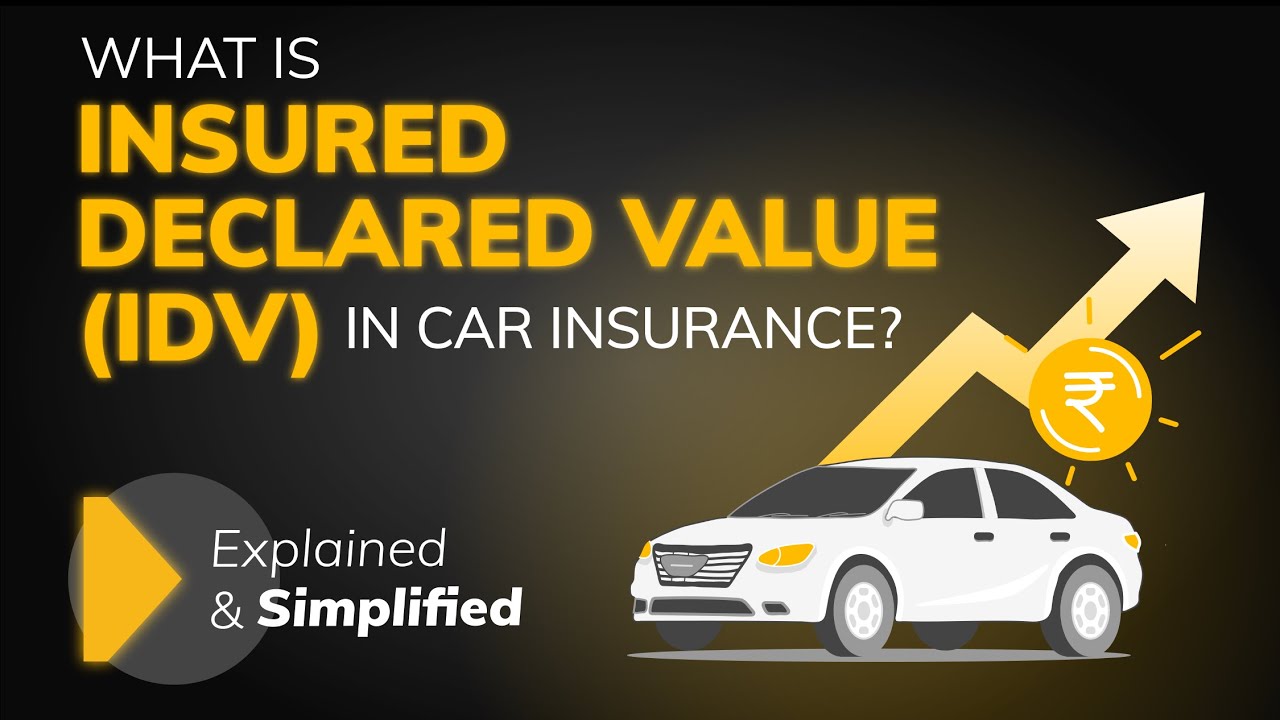
Insure Declared Value is the maximum amount your insurer will pay if your car is stolen or totally damaged. It reflects the current market value of your car after depreciation. Your insurance premium is directly linked to your IDV.
A higher Insured Declared Value in Car Insurance means a higher premium, and as your car ages, both IDV and premium decrease. While a low premium may seem attractive, it could mean a lower IDV—and lower compensation in case of total loss.
The Insured Declared Value (IDV) represents the current market value of your car. It is calculated by taking the manufacturer’s listed selling price and reducing it based on age‑wise depreciation. This depreciation applies specifically to Total Loss (TL) or Constructive Total Loss (CTL) situations.
As your car gets older, its value decreases, and so does your IDV. Below is the standard depreciation table used to calculate IDV in car insurance:
Quick Example
Let’s say your car’s original value was ₹10,00,000 when you bought it.
Now your car is 2.5 years old, so the depreciation rate is 30%.
Step 1: Calculate depreciation
30% of ₹10,00,000 = ₹3,00,000
Step 2: Subtract depreciation from the original value
₹10,00,000 – ₹3,00,000 = ₹7,00,000
Your IDV will be ₹7,00,000.
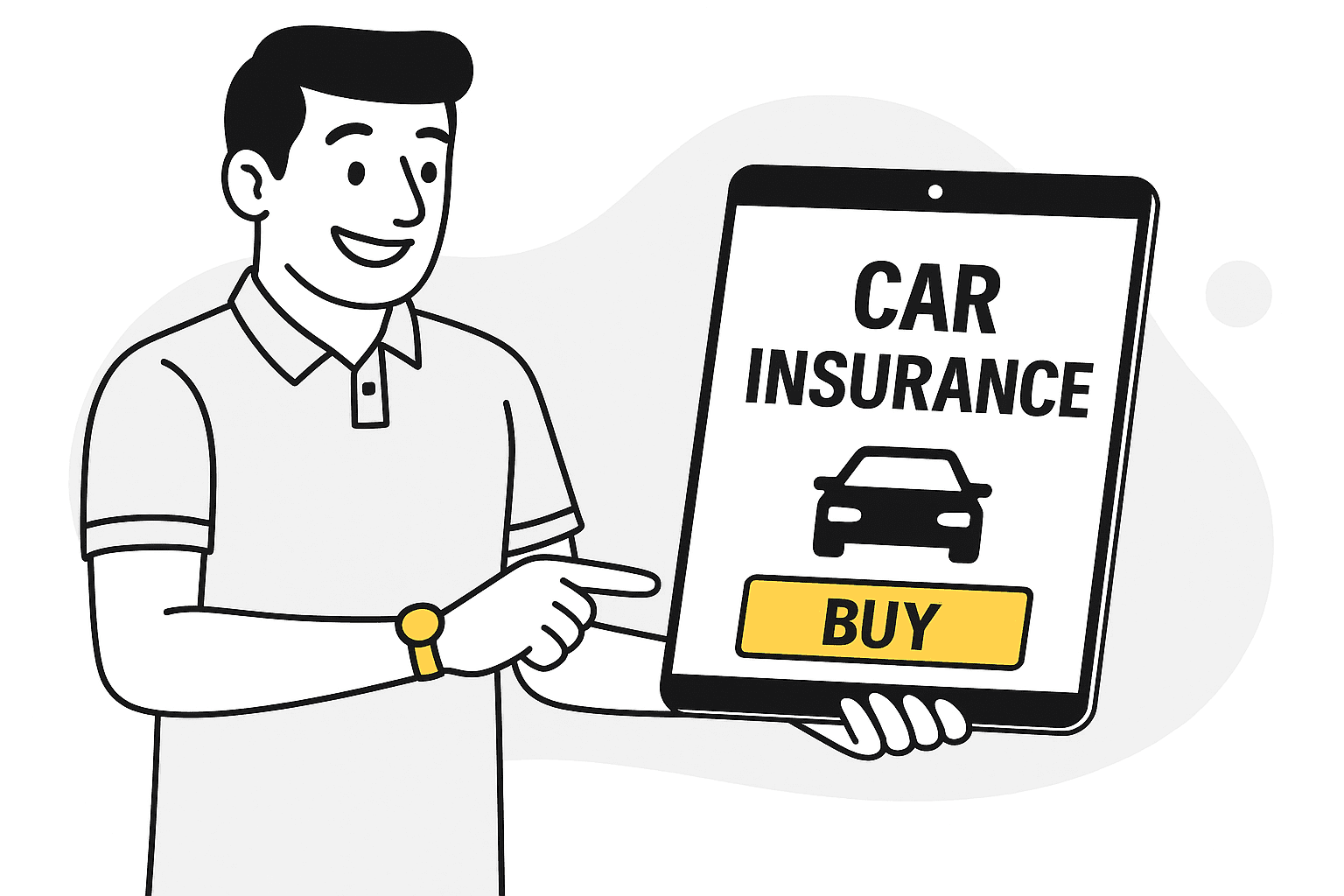
Think about how your daily life has changed; you no longer stand in queues to pay bills or walk to a shop to recharge your phone. Everything happens online now, quickly and effortlessly. The same convenience has transformed the way you buy car insurance too.
You no longer need to visit an agent, depend on a dealer, or deal with long, tiring paperwork. Buying car insurance online is faster, simpler, and far more transparent.
With Digit, the entire process takes only a few minutes. Just enter your basic car details, make the payment, and your policy is delivered straight to your inbox, no waiting, no hassle.
Enter Car Details
On the Digit App or website, enter car registration number and select the policy status.
Choose a Plan
Select the type of car insurance plan and choose desired add-ons.
Enter Personal Details
Enter your personal, nominee and vehicle details, and move to the next step.
Make Payment
Complete the payment and mandatory KYC verification process.
That's It!
You’ll receive the policy document via email, SMS and WhatsApp. Also, you can access it 24X7 on the Digit App.
Mayur Kacholiya
Product Head
To download your renewed or already active car insurance policy with Digit, follow the given steps:
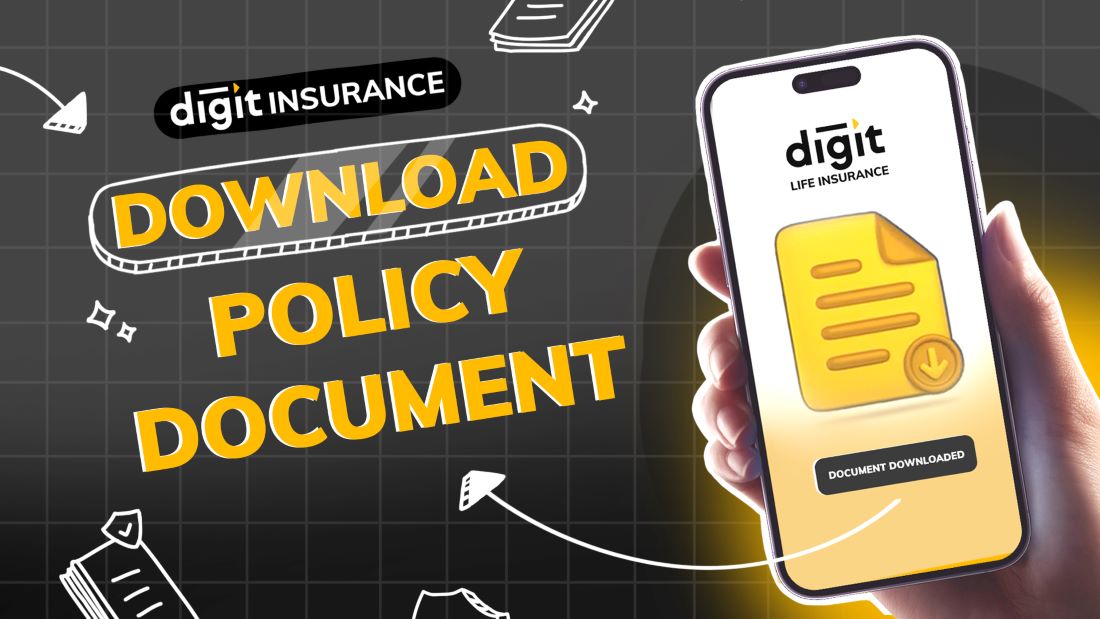
Login to Your Acount
Visit the Digit website or app and click on ‘Login’ at the top-right corner. Enter your registered mobile number and verify with OTP.
Visit ‘Active Policies’
Once logged in, navigate to the Active/My Policies section. Here, you can check the policy number, end date & start date.
Download the Policy
Done! You can save, share, print or email the policy for future reference anytime, anywhere.
Renewing or buying your car insurance digitally isn’t just about convenience, it protects your savings, keeps your coverage active, and ensures you enjoy all the benefits Digit offers. Missing your renewal or choosing offline methods can cost you money, time, and peace of mind. Here’s why renewing or buying online with Digit is the smartest choice.
1. Avoid Losing Your NCB
If you miss renewing within 90 days, your No Claim Bonus expires permanently, a discount that can go up to 50%. Renewing directly online with Digit ensures you never miss deadlines thanks to timely reminders, and your NCB stays safe year after year.
2. Skip Higher Premiums and Break‑In Inspections
A lapsed policy often means a fresh vehicle inspection and higher premium. Renewing online with Digit on time prevents this, you continue at the lowest possible rate and avoid unnecessary checks, delays, or extra steps.
3. Get Immediate Coverage for Accidents or Damage
If your policy expires, you must pay for all accident or damage costs out of pocket including repairs, third‑party claims, injury costs, and legal liabilities. Buying or renewing online with Digit provides instant policy issuance, so your protection never stops.
4. Continue Enjoying Cashless Repairs at Digit’s 9000+ Garages
A lapsed policy removes your access to Digit’s cashless network. Renewing on time keeps your coverage active and ensures you continue to enjoy easy, cashless repairs without upfront payments.
5. Simple, Fast & Paperless, Renew or Buy in Just Minutes
Digit’s online journey lets you buy or renew your car insurance in 2–3 minutes with absolutely no paperwork. No agents, no appointments, everything is digital, clean, and designed for speed.
6. Greater Transparency with All Details Clearly Shown Upfront
Buying or renewing online with Digit lets you see premiums, IDV, add-ons, and exclusions clearly before you pay. This ensures you make an informed choice without sales pressure or hidden conditions.
7. Compare Plans & Add‑Ons Easily Before You Decide
With Digit’s online platform, you can quickly compare Third‑Party vs Comprehensive plans, evaluate add-ons like Zero Depreciation or Engine Protection, and customise your cover based on your actual needs.
9. Safe, Secure & Flexible Digital Payments
Digit provides encrypted online payments with multiple options UPI, cards, net banking, and wallets making buying or renewing your policy safe and effortless.
10. Manage Everything Anytime, Anywhere - Policy, Documents, Add‑Ons & More
Online buying and renewal keeps your policy connected to Digit’s digital ecosystem. You can access your documents instantly, update IDV, modify add‑ons, switch to PAYD, check claim status, or file a claim, all directly through the Digit app, anytime you need.
Renewing your car insurance on time is crucial not just for legal compliance but also for your financial security and uninterrupted protection. With Digit’s seamless online renewal process, staying covered is easier than ever. Here’s why timely renewal truly matters:
1. Stay Legally Compliant
Driving without valid car insurance is against the law in India. A lapsed policy can lead to heavy fines, legal issues, and in some cases, even the seizure of your vehicle. Renewing on time keeps you protected and ensures you’re always on the right side of the law.
2. Avoid Unexpected Financial Burden
Accidents and damages can happen at any moment. If your policy has expired, every expense becomes your responsibility from repair costs and thirdparty liabilities to hospital bills. Even minor repairs can be expensive. Renewing on time makes sure you're financially safeguarded when it matters most.
3. Preserve Your No Claim Bonus (NCB)
Your No Claim Bonus can reduce your premium by up to 50%, but only if your policy is renewed before it lapses. Missing the deadline resets your NCB to zero. Timely renewal helps you keep this valuable discount year after year.
4. Prevent Higher Premiums
A break in your policy history can make insurers view you as a higherrisk customer. This may result in higher premiums, loss of loyalty benefits, or limited addon options during renewal. Renewing on time ensures you continue with better rates and full benefits.
5. Maintain Uninterrupted Coverage
If your policy lapses, your car remains uninsured until you renew, leaving you exposed during that gap. Any damage or accident that occurs during this period will not be covered. Renewing on time guarantees continuous protection and total peace of mind.
6. Enjoy Digit’s Quick & Easy Renewal Experience
With Digit, renewing your car insurance takes only 2–3 minutes, completely online and paperless. Your updated policy document is instantly sent via email, SMS, or WhatsApp and is always available on the Digit app. No paperwork, no waiting, no stress.
Not renewing your car insurance on time can have serious consequences, financially, legally, and for your future premiums. A missed renewal isn’t just a small delay; it can impact longterm benefits and put you at risk on the road. Here’s what you stand to lose:
1. Loss of Your No Claim Bonus (NCB)
If you don’t renew your policy within 90 days of expiry, your No Claim Bonus expires permanently. This discount can go up to 50% and help you save significantly every year. Losing it means you pay a much higher premium at renewal. Digit preserves your NCB if you renew on time, so a delay can cost you the savings you’ve built over years of careful, claimfree driving.
2. Higher Premiums Because of BreakIn Policies and Inspections
Once your policy lapses, insurers treat it as a “breakin” policy. Your car may require a physical inspection, condition check, or additional documentation. This may lead to a higher premium and longer processing time. With Digit, timely online renewals ensure you skip inspections and continue your policy at the lowest possible rate.
3. Risk of Heavy Legal Penalties for Driving Uninsured
Driving without valid car insurance is illegal in India. If you’re caught with a lapsed policy, you may face fines of up to ₹2,000 for the first offence and ₹4,000 for repeat offences. Besides penalties, authorities can also seize your vehicle. Renewing with Digit online eliminates any risk of unintentionally driving without coverage.
4. Full Financial Burden in Case of Accidents or Damage
If an accident happens while your policy is expired, you must personally pay for repairs to your own car, thirdparty vehicle or property damage, injury or medical expenses, legal liabilities, compensation in case of death or disability. Digit’s comprehensive policy normally covers these expenses but a lapsed policy means you bear everything out of pocket.
5. No Cashless Repairs at Garages Until Policy Is Restored
Without a valid policy, you cannot avail cashless repairs at Digit’s 9000+ network garages. Even minor repairs can turn expensive when you must pay upfront. Renewing on time ensures you remain eligible for hassle-free cashless service everywhere.
6. Disruption of Your Policy and Claim History
A lapse breaks the continuity of your policy record. Systems treat your next purchase as a fresh policy, which may affect certain benefits like pricing consistency, renewal offers, and eligibility for some rewards (like Good Driver Benefit or PAYD options). Renewing on time helps you stay fully integrated with Digit’s digital-first ecosystem.
7. Missed Renewal Offers and Discounts
Sometimes insurers offer loyalty benefits, renewal offers, pricing advantages, or exclusive discounts for continuous policies. A lapse means you may lose these perks and pay more than expected.
Letting your car insurance policy expire may seem like a small delay, but the consequences can be significant financially, legally, and in terms of longterm savings. Renewing your policy on time helps you stay protected and avoid unnecessary trouble. Here’s why timely renewal is crucial:
1. You Lose Your No Claim Bonus (NCB)
Your NCB is a reward for driving safely and not making claims, offering up to 50% discount on your premium during renewals. But if your policy expires and isn’t renewed within the grace period, your NCB resets to zero and once lost, it cannot be regained. That means higher premiums and losing out on savings you built over years of careful driving.
2. Higher Chances of Paying a Penalty
Driving with an expired insurance policy is illegal in India. If you're caught on the road without valid insurance, you may face fines and penalties. Renewing on time ensures your coverage stays active and helps you avoid legal hassles.
3. You May Face Heavy Financial Losses
If an unfortunate accident occurs while your policy has lapsed, you will have to pay for everything out of pocket from repairing your own car to covering thirdparty damages and legal liabilities. Even minor damages can add up to thousands, and major accidents can result in massive financial strain. Renewing on time protects you from bearing those costs yourself.
4. Quick Renewal with Digit Makes It Easy
Digit’s renewal process is fast, paperless, and takes just a few minutes. Your updated policy is instantly available on email, SMS, WhatsApp, and the Digit App, ensuring you’re covered without any stress or delay. You can also track your claim status easily through the Digit app whenever needed.
When you buy a second‑hand car, the previous owner policy does not automatically cover you. To stay legally protected, you must transfer the existing policy to your name within 14 days or buy a new one right away. Waiting can leave you partially or completely uninsured.
To understand the exact steps; policy transfer, NCB rules, RC updates, and more, continue reading the section below.
Whether your car is brandnew or preowned, having a valid insurance policy is essential. But when it comes to secondhand cars, there are a few extra steps you need to follow to ensure your coverage stays legally valid and financially beneficial.
1. Transfer the Existing Insurance Policy
If the previous owner already had an active insurance policy, make sure you transfer it to your name within 14 days of purchasing the car. Until then, only thirdparty liability is covered, own damage is not. Transferring the policy ensures you’re fully protected from day one.
2. Transfer Ownership & Insurance Together
Update both the vehicle’s registration certificate (RC) and its insurance policy with your name. Completing both transfers promptly ensures your claims remain valid and you meet legal requirements.
3. Check the Car’s Claim History
Ask for the vehicle’s claim history before completing the insurance transfer. The insurer can share this using the policy number. This helps you understand if the car had major accidents or frequent claims, which may impact your future premiums or coverage.
4. Transfer Your No Claim Bonus (NCB)
If you have an NCB from a previous car, you can transfer it to your new policy even when buying a second-hand car. This can significantly reduce your premium. Just make sure the transfer happens within the insurer’s allowed timeframe.
5. Buy a New Policy if No Active Insurance Exists
If the old policy has expired or doesn’t exist, purchase a new insurance policy immediately. This ensures the vehicle is legally compliant and protected from the moment you start driving it.
6. Keep Track of the Policy Expiry Date
Once the policy is transferred to your name, note its renewal date and set reminders. Renewing on time helps prevent policy lapses and protects your NCB.
EVs have unique parts like batteries, chargers, and advanced electronics, so you need to be sure your policy covers these properly. Checking for battery protection, charger coverage, and EVspecific addons can save you from major expenses later.
To understand exactly what to keep in mind when buying car insurance for an electric vehicle, continue reading the section below.
Electric vehicles are becoming increasingly popular in India but insuring them requires a slightly different approach due to their unique components and structure.
Premium Expectations
EVs usually have a higher IDV because of their higher purchase cost, which may lead to a slightly higher premium. Batteries, the most expensive EV components often require specific coverage. However, since EVs have fewer mechanical parts, they are less prone to certain failures, which may balance the premium overall.
Must Have AddOns for EVs
EVs benefit from specialised add-ons tailored to electric drive trains:
Zero Depreciation Cover – Especially useful for new EVs to get full claim amounts.
EV Shield Cover – Protects chargers, charging cables, electrical panels, and other EVspecific components.
Roadside Assistance (RSA) – Ideal for battery issues, towing, or unexpected breakdowns.
Return to Invoice (RTI) – Helps recover the full invoice amount in case of total loss or theft.
Check Charging Equipment Coverage
If you have a home charging setup, ensure your policy covers the charger and installation. Fires, electrical faults, or accidental damage should ideally be included, as charging equipment is a significant investment.
CNG vehicles are popular for their affordability and lower emissions but insuring them requires a few extra considerations.
Declare the CNG Kit in Your Insurance Policy
If your vehicle has an aftermarket CNG kit, inform your insurer and get it added (endorsed) in the policy. Not declaring it can lead to claim rejection, especially if the damage involves the CNG system.
Account for the Premium Changes After CNG Installation
Installing a CNG kit can slightly increase your premium because it changes the car’s risk profile. The kit’s value and fuel type are factored into the final premium.
Opt for Comprehensive Coverage for Better Protection
A comprehensive policy is strongly recommended for CNG vehicles. It covers both thirdparty liabilities and owndamage, including risks related to the CNG kit.
Add Essential Add-on Covers Suitable for CNG Vehicles
Consider additional protection such as:
Engine Protection Cover – Helpful in case of leaks or CNGrelated damage.
Zero Depreciation Cover – Ensures full claim value without depreciation cuts.
Consumables Cover – Covers small parts like nuts, bolts, and lubricants that may be damaged after an accident.
Complete the Required Inspection for Aftermarket CNG Kits
For aftermarket CNG kits, insurers may conduct a physical inspection before issuing or renewing your policy. This is simply to verify proper installation and overall safety.
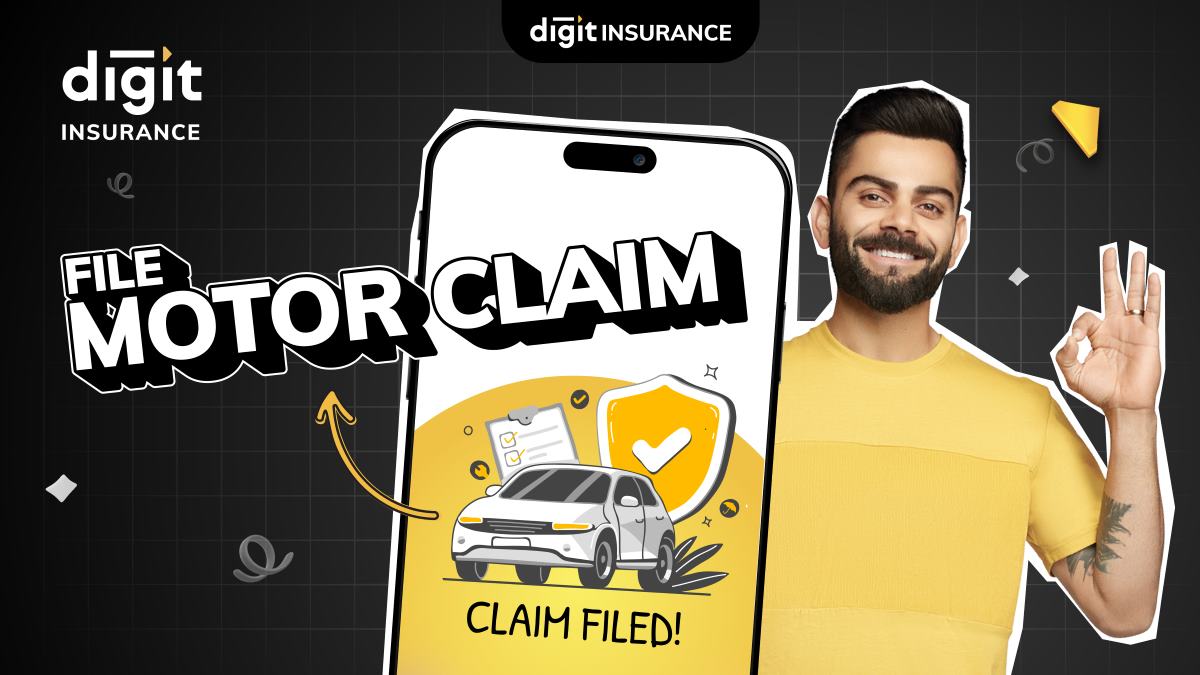
Select the Policy
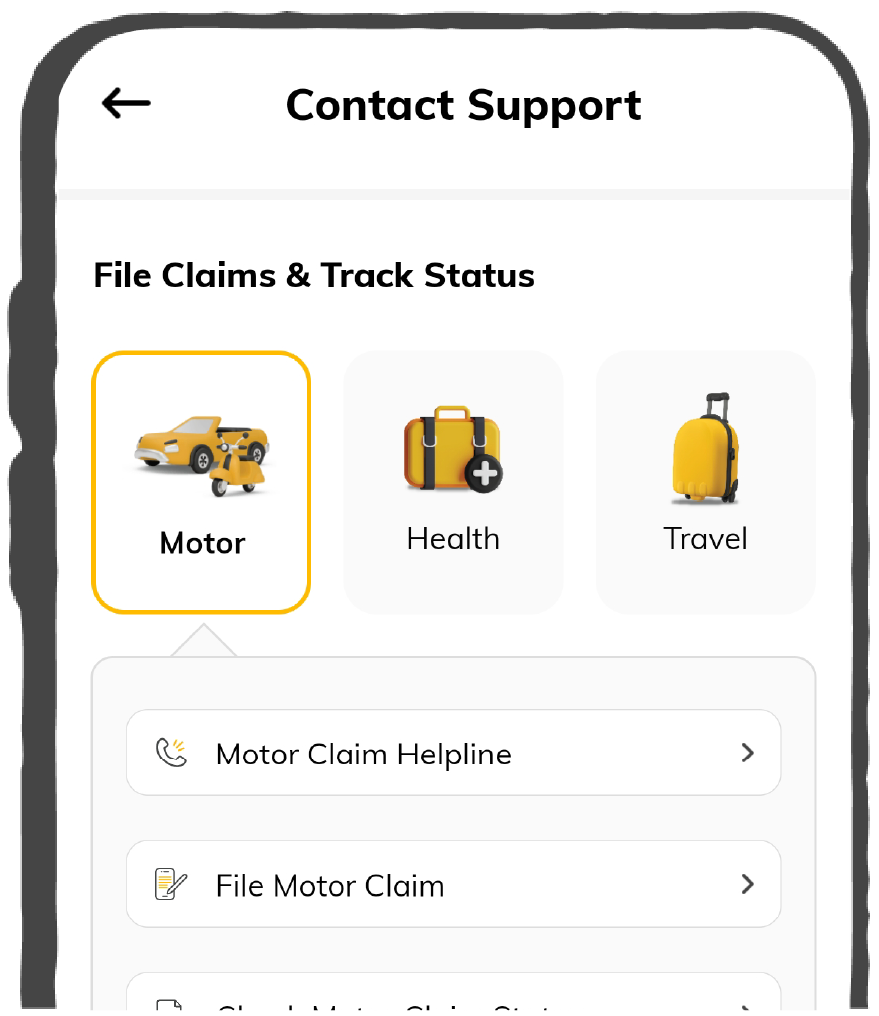
Open the Digit App and go to the "File Motor Claim" option. Select the policy for which you want to file a claim and proceed.
Enter Complete Details
Enter details about the accident, damages to your vehicle, your vehicle location and your contact information. Once all information is complete, click on Register Claim.
Claim Registered
That's it. Your claim is registered and a claim number is generated. Now, upload the required documents, select the garage and confirm your selection. Our team will call you to update about the next steps.

While buying a new car insurance policy online from Digit, you don’t need a load of documents or paperwork. By having the following documents handy, you can easily buy a new car insurance policy within minutes:

Car Registration Certificate

Previous year car insurance policy
A Previous Year Car Insurance Policy refers to the car insurance coverage you had for the previous policy term, typically valid for one year. It includes details like:

Aadhaar Card

Get cashless repairs at 9000+ garages across India
You can prevent most car insurance claim rejections by paying close attention to a few simple but important steps. Here’s how to ensure your claim is processed smoothly:

Cashless car insurance means your insurer pays the approved claim amount directly to an authorised garage, so the policyholder doesn’t have to pay anything upfront for covered repairs.
All you need to do is inform your insurer, get the damage assessed, and take your car to a network garage. However, it’s essential to note that not all expenses, such as deductibles, depreciation, or excluded repairs, are covered under a cashless claim; in this case, the insured must pay out of pocket.
Zero Depreciation Cover is an optional add-on in car insurance that allows you to claim the full cost of repairs or part replacements without factoring in depreciation. This means you won’t have to bear the reduced value of car parts due to wear and tear when making a claim.
Typically, insurers deduct depreciation on parts like plastic, metal, and fibreglass, which lowers your claim amount. Zero depreciation cover with car insurance gives you complete compensation for the replaced parts, provided the repairs are done at a Digit Authorised Garage.
This add-on is especially beneficial for cars less than five years old, helping owners avoid unexpected expenses and maintain peace of mind during repairs.
“96% of New Car Buyers Opted for Zero Depreciation Cover In 2025 Indian drivers today are making far more informed insurance choices than in the past. In 2025, nearly 96% of new car buyers opted for zerodepreciation coverage, reflecting a strong shift toward comprehensive protection. Similarly, PayAsYouDrive (PAYD) policies gained traction, with 20% of customers selecting them and saving 25–30% on premiums based on actual vehicle usage4. Add-ons like roadside assistance also saw high adoption rates, with 74% penetration, showing that drivers now value safety, convenience, and long-term financial protection. These trends highlight an evolving understanding that insurance is not simply a legal necessity, it’s a smart, proactive investment in personal and financial security.”
No Claim Bonus (NCB) is a discount on your 4-wheeler insurance premium for not making any claims during the policy term. It typically ranges from 20% to 50% and increases with each consecutive claim-free year.
You don’t receive No Claim Bonus when buying your first policy; it applies during the renewal period. The bonus is linked to the policyholder, not the vehicle, so even if you switch cars, your NCB stays with you.

A voluntary deductible is an amount you willingly agree to pay from your side each time you make a claim. In return, the insurer offers a reduced premium. This is completely optional and depends on how much out-of-pocket expense you are comfortable with during a claim.
For example, if your voluntary deductible is ₹2,500 and your repair bill is ₹10,000, you will pay ₹2,500 and the insurer will cover the remaining ₹7,500. Higher voluntary deductibles bring down premiums, but they also increase your share during claims. This is different from the compulsory deductible, which is a fixed amount set by IRDAI and cannot be changed.

A compulsory deductible is a mandatory amount you must pay out-of-pocket whenever you file a claim. Unlike a voluntary deductible, this amount is set by IRDAI and remains the same for all policyholders within a specific vehicle category. You cannot remove or modify this amount.
For example, cars below 1500cc typically have a compulsory deductible of ₹1,000, while larger cars have ₹2,000. This amount is subtracted from every approved claim. Compulsory deductibles are designed to discourage very small or unnecessary claims and ensure responsible usage of insurance benefits.
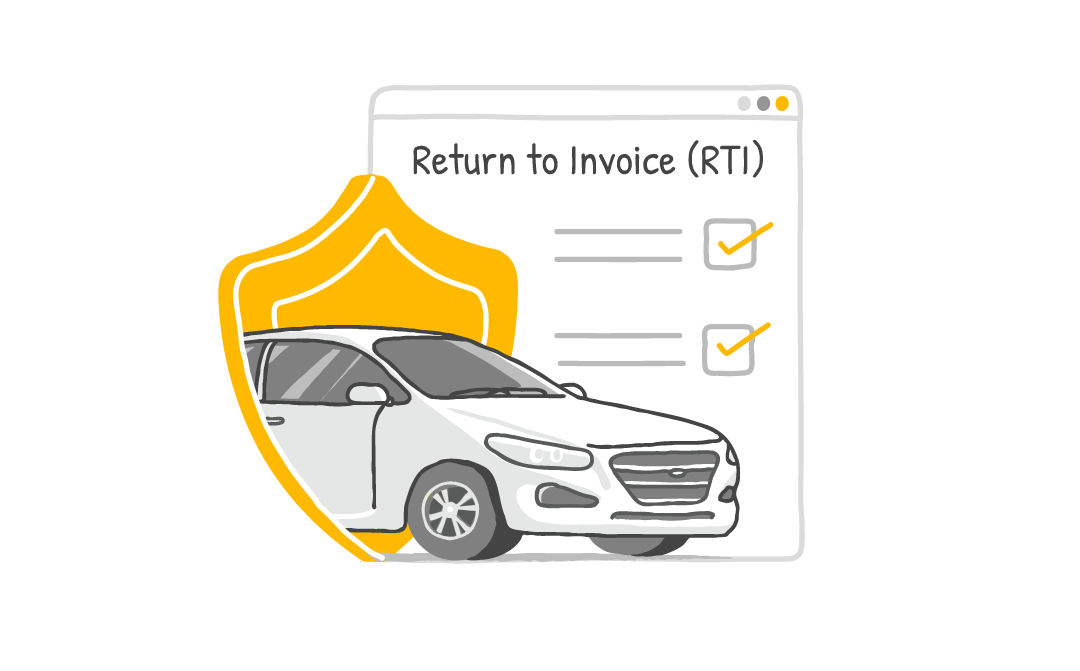
Return to Invoice (RTI) is an add-on that ensures you receive your car’s full invoice value not just its depreciated value in case of theft or total loss. This includes the ex-showroom price, road tax, and registration charges, which makes a significant difference in your payout during complete losses.
For example, if your car’s IDV is ₹6 lakh but the invoice value was ₹8.2 lakh, RTI helps you claim the full ₹8.2 lakh. This add-on is especially useful for new or relatively new cars, ideally under 3–5 years old, and is highly recommended in areas with higher risks of theft or major accidents.

An endorsement is a formal change or update made to your existing policy. This could include updating your mobile number, correcting your name, adding an add-on, changing the address, or updating car details.
Each endorsement results in an updated policy document. Customers often underestimate its importance, but endorsements ensure your policy always reflects accurate and valid information crucial during claims.

Managing your vehicle shouldn’t be a hassle and with the Digit App, it isn’t. Whether you want to check your challans, track fuel prices, or store important documents, Digit brings everything together in one smart, simple, and secure place. Here’s why every car owner should have the Digit App on their phone.
Access Your Vehicle Report
Check Your Pending Challans
View Vehicle Owner Information
Track Your PUC Status
See All Your Traffic Fines
Check Fuel Prices
Get Driving License Updates & Practice Tests
Fetch Documents from DigiLocker
Store Everything in a Secure Document Vault
Calculate EMIs Easily