General
Life
Accessibility Options


General

General Products
Simple & Transparent! Policies that match all your insurance needs.
 Car Insurance
 Two Wheeler Insurance
 Commercial Vehicle Insurance
 Health Insurance
 Home Insurance
 Travel Insurance
 Business Insurance
Car Insurance
Two Wheeler Insurance
Commercial Vehicle Insurance
Health Insurance
Travel Insurance
Business Insurance
Car Insurance
Two Wheeler Insurance
Commercial Vehicle Insurance
Health Insurance
Travel Insurance



Scan to download

Life

Life Products
Digit Life is here! To help you save & secure your loved ones' future in the most simplified way.
 Term Life
 Savings Plan
 Retirement and Pension Plans
 Group Life Products
 Product Documents
Term Life
Savings Plan
Retirement and Pension Plans
Group Life Products
Product Documents
Term Life
Savings Plan
Retirement and Pension Plans
Group Life Products

Scan to download

Claims

Claims
We'll be there! Whenever and however you'll need us.
 Customer Support
 Motor Claims
Health Claims
Motor Claims
Health Claims
 Marine Insurance
 Grievance Redressal
Customer Support
Motor Claims
Health Claims
Marine Insurance
Grievance Redressal
Grievance Redressal
Customer Support
Motor Claims
Health Claims
Marine Insurance
Grievance Redressal
Scan to download
 General
 Life
General
Life
Life
General
Life
Renewals
Resources

Resources
All the more reasons to feel the Digit simplicity in your life!
Exclusive Features
 Transparency Report
Others
Exclusive Features
Transparency Report
Transparency Report
Others
Exclusive Features
Transparency Report

Scan to download


Our WhatsApp number cannot be used for calls. This is a chat only number.

 Grey Scale
 Readable Text
 Reset
Reset




10000+ Cashless Garages
1.5 Cr+ Policies Sold


Check Price

Car insurance Online, Up to 90% Discount
It's a Brand New Car
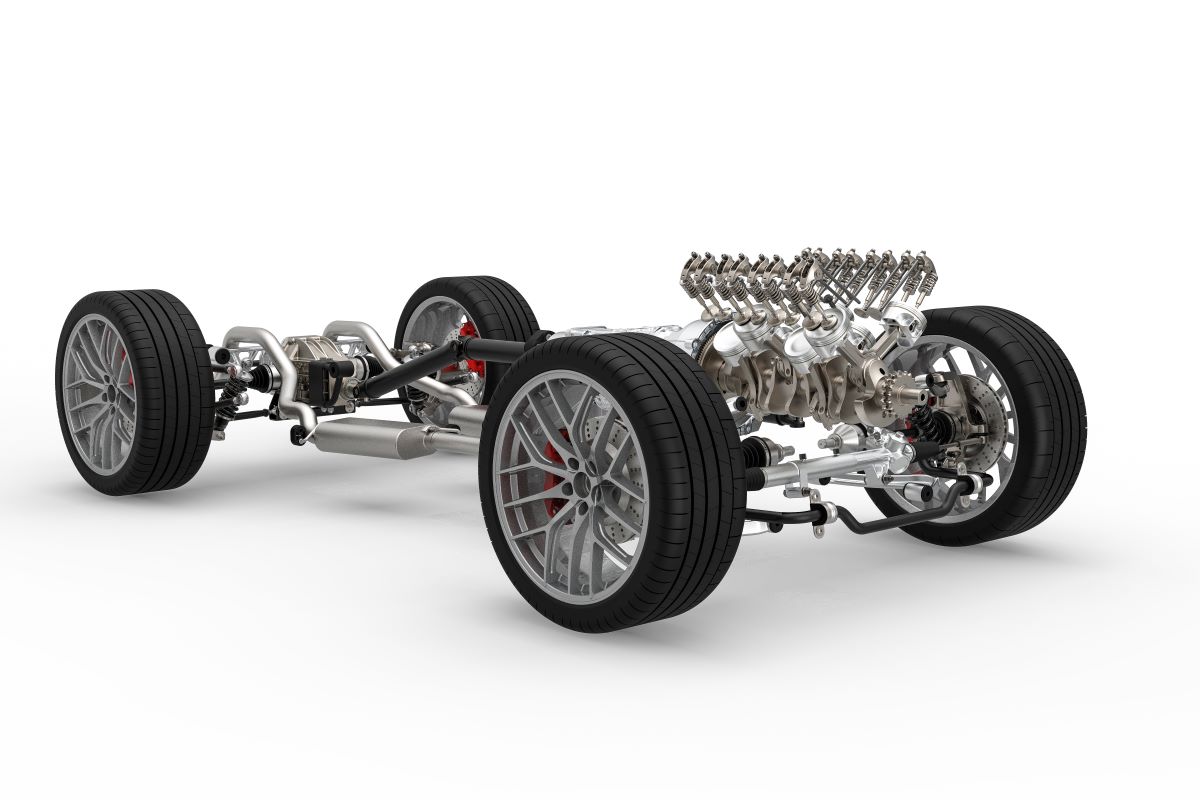
The term "monocoque chassis" holds significant weight in engineering and car design. Derived from the French word "monocoque," meaning "single shell," a monocoque chassis is a structural design principle widely employed in various industries.
Understanding monocoque chassis' construction, advantages, and applications is essential for every car enthusiast.

A monocoque chassis is a structural design principle where a car or object's external skin or body carries most, if not all, of the applied stresses. Unlike traditional chassis designs with a separate frame and body structure, a monocoque chassis integrates both functions into a single unit.
This integration results in a safe, lighter, yet stronger structure, as the entire shell contributes to bearing loads and distributing forces.
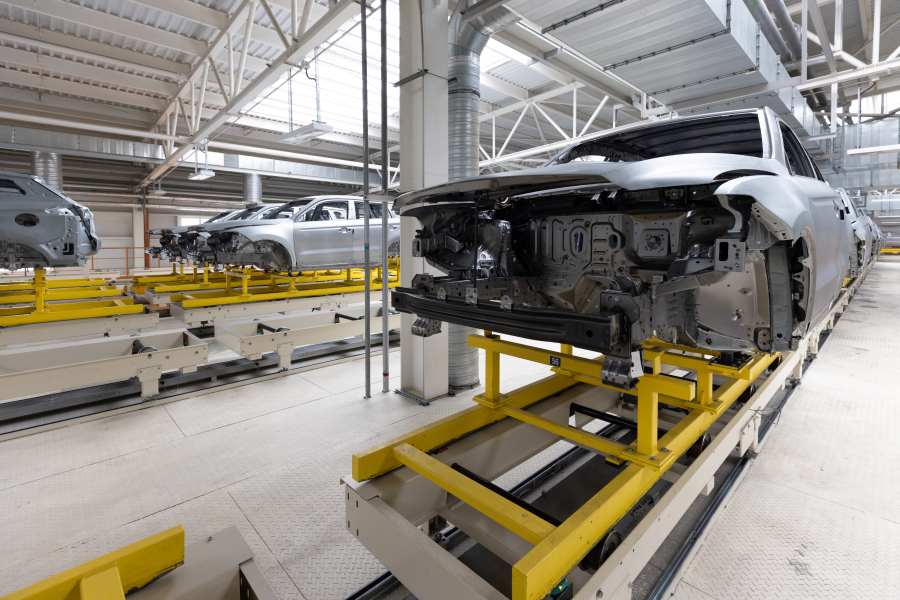
The construction of a monocoque chassis involves the following six steps:
Step 1: Material Selection: Choose lightweight yet durable materials like carbon fibre or aluminium, known for their strength-to-weight ratio.
Step 2: Design Phase: Meticulously design the chassis structure using CAD software, considering load distribution and aerodynamics.
Step 3: Manufacturing Process: Utilise moulding, bonding, and autoclaving techniques to form and strengthen the chassis.
Step 4: Integration of Components: Strategically Integrate suspension and engine mounts and safety features for optimal performance.
Step 5: Quality Assurance: To ensure structural integrity, implement stringent quality control measures, including non-destructive testing methods.
Step 6: Final Assembly: Assemble the chassis with other components like the powertrain and suspension system to create a fully functional car.

The monocoque chassis offers numerous advantages, and some of them include:
Following are the five key areas where monocoque chassis are commonly utilised:
The monocoque chassis represents a pinnacle of engineering innovation, offering unparalleled strength, weight savings, and versatility across various industries. From automotive to aerospace, its impact on modern engineering cannot be overstated, as it continues to drive advancements in performance, safety, and design.