General
Life
Accessibility Options


General

General Products
Simple & Transparent! Policies that match all your insurance needs.
 Car Insurance
 Two Wheeler Insurance
 Commercial Vehicle Insurance
 Health Insurance
 Home Insurance
 Travel Insurance
 Business Insurance
Car Insurance
Two Wheeler Insurance
Commercial Vehicle Insurance
Health Insurance
Travel Insurance
Business Insurance
Car Insurance
Two Wheeler Insurance
Commercial Vehicle Insurance
Health Insurance
Travel Insurance



Scan to download

Life

Life Products
Digit Life is here! To help you save & secure your loved ones' future in the most simplified way.
 Term Life
 Savings Plan
 Retirement and Pension Plans
 Group Life Products
 Product Documents
Term Life
Savings Plan
Retirement and Pension Plans
Group Life Products
Product Documents
Term Life
Savings Plan
Retirement and Pension Plans
Group Life Products

Scan to download

Claims

Claims
We'll be there! Whenever and however you'll need us.
 Customer Support
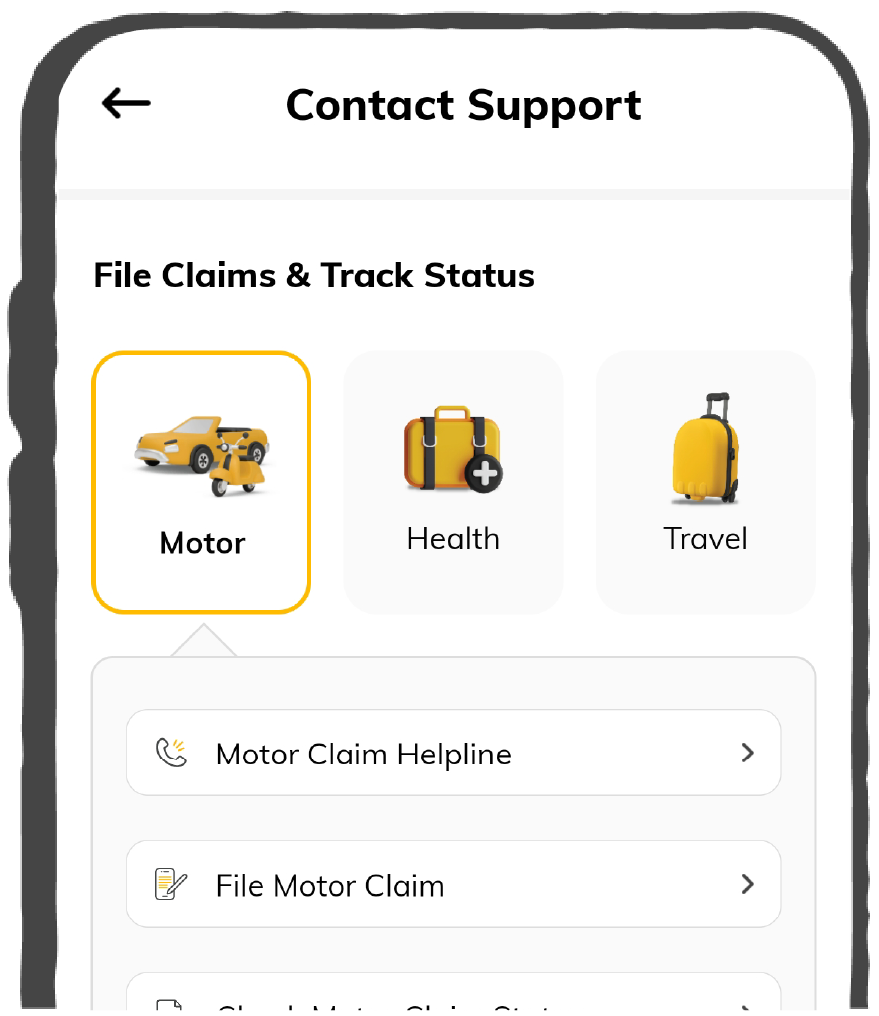
 Motor Claims
Health Claims
Motor Claims
Health Claims
 Marine Insurance
 Grievance Redressal
Customer Support
Motor Claims
Health Claims
Marine Insurance
Grievance Redressal
Grievance Redressal
Customer Support
Motor Claims
Health Claims
Marine Insurance
Grievance Redressal
Scan to download
 General
 Life
General
Life
Life
General
Life
Renewals
Resources

Resources
All the more reasons to feel the Digit simplicity in your life!
Exclusive Features
 Transparency Report
Others
Exclusive Features
Transparency Report
Transparency Report
Others
Exclusive Features
Transparency Report
Scan to download


Our WhatsApp number cannot be used for calls. This is a chat only number.

 Grey Scale
 Readable Text
 Reset
Reset




Quick Claim Process

Affordable Premium


Every organization or business enterprise will incur implicit and explicit costs while producing goods and services. Explicit costs are also referred to as out-of-pocket costs, whereas implicit costs are hard to quantify. Read on to know about the difference between implicit and explicit costs.
Costs incurred by a company but not reported in its books as a separate expense are implicit costs. They are intangible in nature as these do not involve a cash payment.
It is difficult to quantify an implicit cost because of the complexities involved. For example, costs incurred by companies for the maintenance of plants, machinery, or a business property rather than using them for earning revenue come under implicit costs.
The concept of an implicit cost is similar to an opportunity cost. It is the ability foregone to earn if the company had put in these resources at some other place.
Whenever you are discussing implicit costs, it means that you are implying a cost component. However, it may not be visible to the naked eye. Managers and business analysts consider these costs before going ahead with any project.
Any cost that is a part of the production process and can easily be viewed or quantified is an explicit cost. They will appear on the company's books of accounts and directly impact the company's profitability.
It signifies the actual cash paid for any expense. One can easily track these costs and take necessary steps to minimize the same to maximize profitability.
Apart from the difference highlighted above, here are the other primary implicit and explicit costs differences:
|
Parameter |
Implicit Cost |
Explicit Cost |
|
Tax benefit |
These intangible costs cannot be used for claiming tax deductions. |
Businesses can claim these expenses to reduce tax liability. |
|
Measurement |
Implicit costs are subjectively measured. There is no method or tool for computing their value. |
Entities measure this in an objective manner. |
|
Profit calculation |
One can compute only the economic profit of an entity by using implicit costs. |
One can compute both the accounting and economic profits by considering these costs. |
|
Example |
The most basic or fundamental example is interest that a company is foregoing on the capital investment. |
Examples include rent on company premises or wages paid to employees. |
|
Other names |
Imputed costs. |
Out-of-pocket expenditures. |
Implicit costs are losses incurred when an entity is using a particular resource for a reason other than using it for profitability. Suppose you start a business, and in order to manage your daily expenses, you decide that you will be taking a salary of Rs. 50,000 every month.
In six months, the value of salary incurred by the company is Rs. 3,00,000. This amount could have been invested in the company to pay for its resources and to increase profitability. This opportunity loss is your implicit cost.