General
Life
Accessibility Options


General

General Products
Simple & Transparent! Policies that match all your insurance needs.
 Car Insurance
 Two Wheeler Insurance
 Commercial Vehicle Insurance
 Health Insurance
 Home Insurance
 Travel Insurance
 Business Insurance
Car Insurance
Two Wheeler Insurance
Commercial Vehicle Insurance
Health Insurance
Travel Insurance
Business Insurance
Car Insurance
Two Wheeler Insurance
Commercial Vehicle Insurance
Health Insurance
Travel Insurance



Scan to download

Life

Life Products
Digit Life is here! To help you save & secure your loved ones' future in the most simplified way.
 Term Life
 Savings Plan
 Retirement and Pension Plans
 Group Life Products
 Product Documents
Term Life
Savings Plan
Retirement and Pension Plans
Group Life Products
Product Documents
Term Life
Savings Plan
Retirement and Pension Plans
Group Life Products
Scan to download

Claims

Claims
We'll be there! Whenever and however you'll need us.
 Customer Support
 Motor Claims
Health Claims
Motor Claims
Health Claims
 Marine Insurance
 Grievance Redressal
Customer Support
Motor Claims
Health Claims
Marine Insurance
Grievance Redressal
Grievance Redressal
Customer Support
Motor Claims
Health Claims
Marine Insurance
Grievance Redressal
Scan to download
 General
 Life
General
Life
Life
General
Life
Renewals
Resources
Resources
All the more reasons to feel the Digit simplicity in your life!
Exclusive Features
 Transparency Report
Others
Exclusive Features
Transparency Report
Transparency Report
Others
Exclusive Features
Transparency Report
Scan to download


Our WhatsApp number cannot be used for calls. This is a chat only number.

 Grey Scale
 Readable Text
 Reset
Reset




Check Credit Score for FREE
Instant in 2 Mins. No Impact on Credit Score
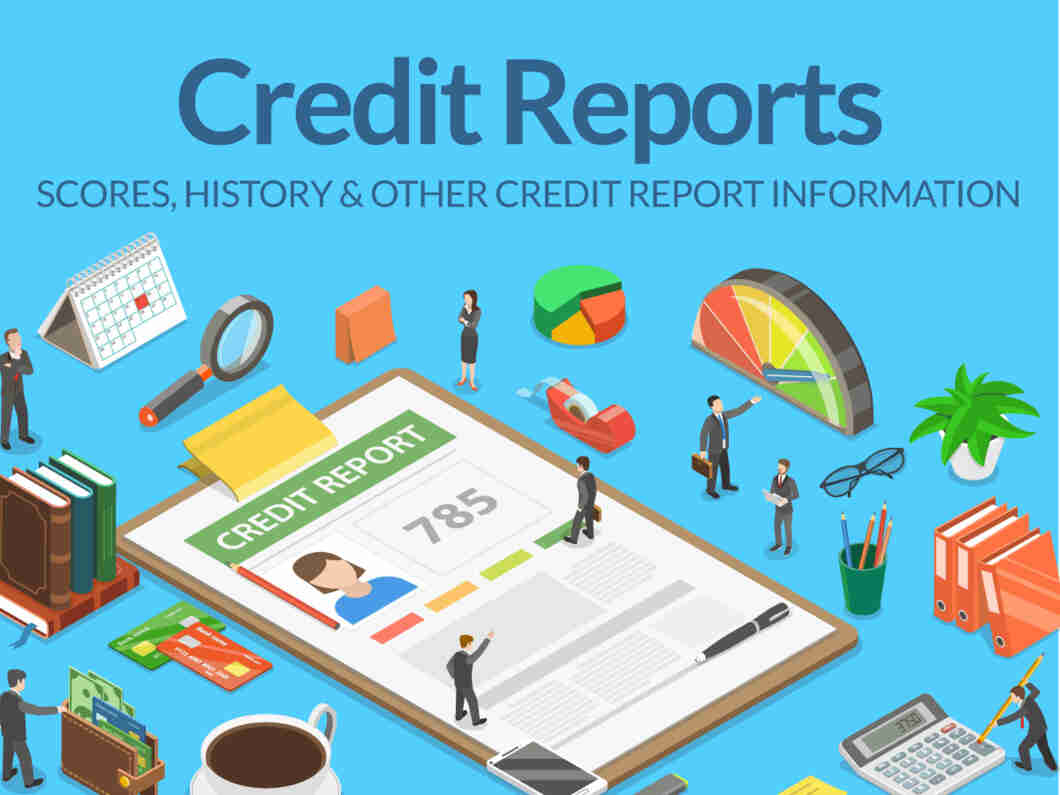
A credit report (also known as a credit information report, credit file or credit history) is a detailed record of a person’s credit accounts, including credit cards and loans. It provides any potential lenders with information on your payment history, current and past credit mix, and how you have been managing your credit.
This report is then used to calculate the individual’s credit score. Together, the credit report and the credit score are used by lenders to determine whether they will approve your requests for loans and credit.
In India, there are four credit information bureaus that maintain these credit reports – TransUnion CIBIL, Experian, CRIF High Mark, and Equifax. These bureaus get information about your financial history from your banks, lenders, and other creditors.
Since a credit report is essentially a summary of how a person has been handling their credit accounts, it is an important document. Credit reports are used by potential lenders and creditors to help decide if they will approve your applications for credit — and can also set whether or not you get favourable terms.
Your credit reports may also be viewed by others, such as for insurance purposes. Thus, it is important to check your credit reports regularly. This way, you can ensure that the information there is accurate and complete.
While you can check your credit score at any time, the Reserve Bank of India has mandated that all the four licensed credit information companies provide you with one free credit report every 12 months. If you wish to check your credit reports more frequently, you can opt for additional paid reports.
Here is how you can check your credit report:
A person’s credit report is made up using data shared to the credit bureaus by various banks and financial institutions about their credit related activity like repayment records, credit card usage, previous application for loans or credit cards, etc. This is then compiled into one comprehensive document.
In general, a credit report includes the following information.
This section contains:
This is a three-digit number between 300-900 which is calculated on the basis of your credit history.
Includes your important credit information, such as the amount of credit owed (i.e. the number and amounts of credit cards and loans taken), types of credit, and how the credit is managed.
This includes information like whether you have recently applied for a new account or secured new credit. Additionally, it will also feature any accounts that have been closed and more.
Details of your account numbers and types, current balance and an account-wise monthly record of your payments. It will also feature whether these payments were made on time, delayed, or missed.
This section has details on the number of credit inquiries that are made. Each time you apply for credit, like a loan or credit card, a “hard inquiry” is placed on your credit report. A higher number of inquiries suggests that you are unable to manage your credit efficiently.
As mentioned above, potential lenders look at your credit report to determine whether they will approve your requests for loans and credit. While there are no universal rules which every lender uses to judge potential borrowers, here are some of the factors they will consider:
In general, if you display a long track record of responsible credit usage, you will be considered a low risk by lenders and are more likely to get approved for credit and get better deals.
The RBI has made it mandatory for individuals to be able to access a single free credit report every 12 months from each credit bureau.
The minimum recommended frequency is for you to check your credit report at least once a year, though checking it every quarter is better. However, if you have more frequent credit activity, you can check it more often.
Note that accessing your credit report yourself is known as a “soft inquiry” and will not affect your credit report or score.
If you regularly use credit accounts (like credit cards, or loans), it is important to check your credit report and your credit score on a regular basis. Knowing what your credit score is can help you make big purchase decisions, and can also help you ensure that your credit score stays high.
Additionally, if there are any errors or information that needs to be updated on your credit report, you can identify them soon and get them rectified.
What kind of mistakes might there be on your credit report?
Some common errors that might come up on your credit report are:
It is very important to rectify these mistakes as soon as possible, using the provided Dispute Resolution Form, as they can impact your credit score, and in the worst cases, can lead to mistaken identity and identity theft, which can be a serious issue, if left unresolved.
If you find a problem or mistake on your credit report, follow these steps to get the issue resolved:
Step 1: Regularly monitor your credit report and identify errors.
Step 2: Once identified, report the mistake to the relevant authority. For example, if the error was on a financial institution, they need to rectify it before the credit bureau can make changes.
Step 3: If the relevant person has not made changes within 30 days of it being reported, you can approach an ombudsman (or government official) to get the errors rectified.
Step 4: Once the changes have been implemented (or if it is not possible to rectify the errors), the credit bureau will intimate you about the same.
You can find the dispute forms for reporting the error here: CIBIL, Experian, CRIF Highmark, or Equifax.