General
Life
Accessibility Options


General

General Products
Simple & Transparent! Policies that match all your insurance needs.
 Car Insurance
 Two Wheeler Insurance
 Commercial Vehicle Insurance
 Health Insurance
 Home Insurance
 Travel Insurance
 Business Insurance
Car Insurance
Two Wheeler Insurance
Commercial Vehicle Insurance
Health Insurance
Travel Insurance
Business Insurance
Car Insurance
Two Wheeler Insurance
Commercial Vehicle Insurance
Health Insurance
Travel Insurance


Scan to download

Life

Life Products
Digit Life is here! To help you save & secure your loved ones' future in the most simplified way.
 Term Life
 Savings Plan
 Retirement and Pension Plans
 Group Life Products
 Product Documents
Term Life
Savings Plan
Retirement and Pension Plans
Group Life Products
Product Documents
Term Life
Savings Plan
Retirement and Pension Plans
Group Life Products
Scan to download

Claims

Claims
We'll be there! Whenever and however you'll need us.
 Customer Support
 Motor Claims
Health Claims
Motor Claims
Health Claims
 Marine Insurance
 Grievance Redressal
Customer Support
Motor Claims
Health Claims
Marine Insurance
Grievance Redressal
Grievance Redressal
Customer Support
Motor Claims
Health Claims
Marine Insurance
Grievance Redressal
Scan to download
 General
 Life
General
Life
Life
General
Life
Renewals
Resources
Resources
All the more reasons to feel the Digit simplicity in your life!
Exclusive Features
 Transparency Report
Others
Exclusive Features
Transparency Report
Transparency Report
Others
Exclusive Features
Transparency Report
Scan to download


Our WhatsApp number cannot be used for calls. This is a chat only number.

 Grey Scale
 Readable Text
 Reset
Reset



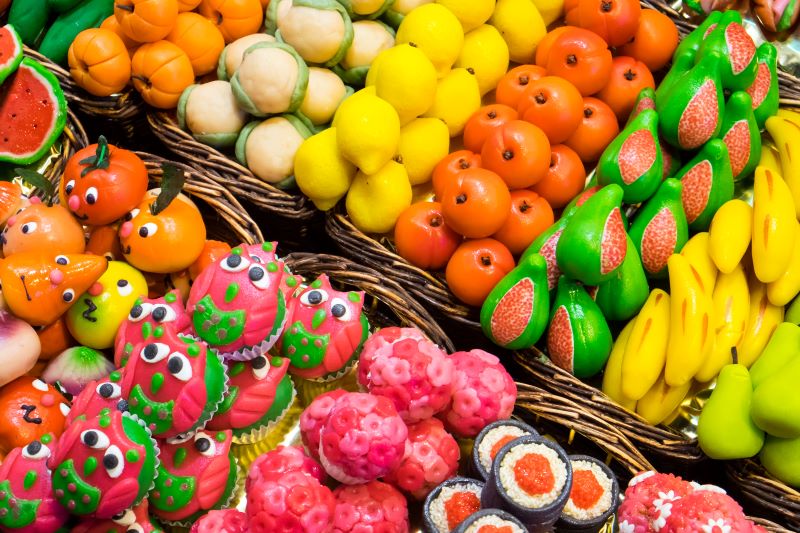
Food lovers worldwide tend to be attracted to eatables that are vibrant in colour. Additionally, convincing your kids to eat healthy meals becomes more manageable if a food item is colourful.
Numerous edible food colours are available in the market for this purpose. However, some of them can cause severe diseases.
Keep on reading to know which diseases are caused by artificial food colours.

Table of Contents

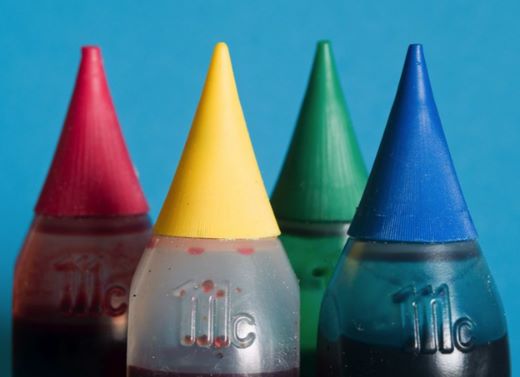
Artificial colours are chemical substances that enhance foods’ colour and appearance. The usage of food dye is increasing and becoming an integral part of the food industry. However, studies prove most of them are harmful to human health in the long run.
Synthetic food colouring, also known as artificial food colouring, is a man-made substance that has been thoroughly regulated for safety and effectiveness. It is used extensively in the food industry to give various products bright colours that make them appealing to customers. Despite concerns about its safety, it presents no danger when used as directed.
Artificial dyes are among the most common additives in various industries, helping improve a product's appearance and appeal. Here’s a quick rundown of applications where artificial colours are typically found.
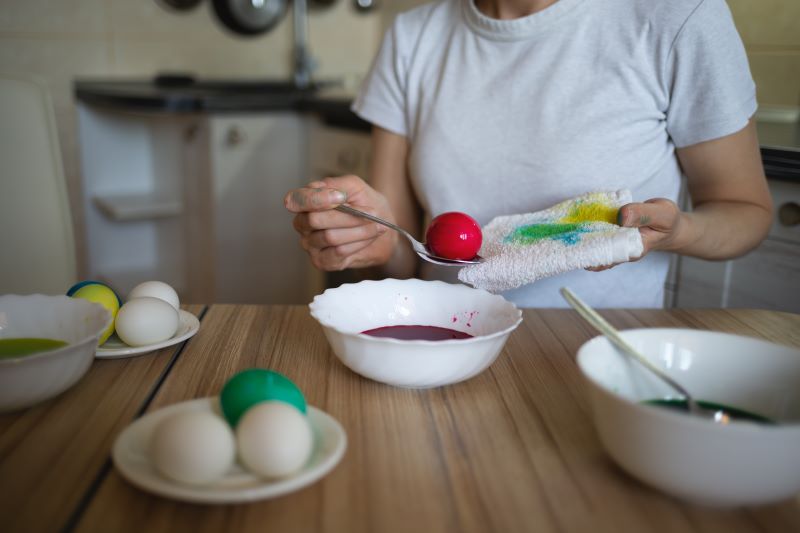
Although the FDA (Food and Drug Administration) control its application, there are concerns that they may cause hyperactivity, allergies, or cancer. However, according to them, it is within safe levels. Nevertheless, some customers prefer substitutes made from natural ingredients to minimise probable health risks.
However, scientific research has yet to prove anything specific about its safety. The quantities of these substances in foods are hardly harmful if any at all. Natural alternatives from plants and vegetables are gaining popularity for those seeking to avoid synthetic additives.
In summary, though most people regard artificial colours as harmless if used as prescribed, an individual may decide otherwise depending on one’s preference and health condition.
Followings are the diseases that artificial colours can cause you, especially the synthetic ones -
Although used extensively in the food industry, there are concerns over potential health hazards associated with synthetic colours. Specific categories may be more at risk from these dangers, including:
Useful Tools to Track Your Health
Consider the following preventive measures to mitigate the potential health risks associated with artificial food colours:
Various side effects are associated with artificial food dyes, which abound in processed foods and raise safety concerns. The following are some possible side effects of consuming artificial food colours.
Food dyes are substances that serve the purpose of adding colour to food and drinks. They can be synthetic or natural, with the former encompassing elements such as minerals, plants or insects, while the latter includes products like beetroot and turmeric.
Other common artificial types used are FD&C Red No. 40, Yellow No. 5, Blue No. 1, and Green No. 3. The food industry uses these colourants to improve product appearance and appeal to its customers visually.
Since synthetic dyes are toxic to health, India’s Food Safety and Standards Authority set specific regulations. Therefore, the food dye must meet the required specifications as per the regulation.
Accordingly, manufacturers use natural and synthetic dyes in the food industry to add artificial colour.
Natural edible colours usually need to be more vibrant and healthier. Manufacturers extract the substance from natural elements like vegetables, flowers, and minerals. Sometimes, the source can be fruits, seeds, herbs, algae, and insects. Some of the colours are as follows:
Anthocyanins in raspberries, red cabbages, and beetroots can provide red, blue, and violet colours.
Manufacturers use tomatoes, carrots, and apricot carotenoids to derive red, yellow, and orange food colours.
Chlorophylls in green vegetables are helpful to manufacture green colourants.
Manufacturers create these types of edible colourants with the help of chemical reactions. They involve various minerals and petroleum in the making process. The most commonly used synthetic colours are as follows:
Sunset Yellow
Quinolone yellow
Amaranth
Tartrazine
Brilliant blue
Indigo Armine
Allura red
Protect What Matters - Explore Other Insurance Options