General
Life
Accessibility Options


General

General Products
Simple & Transparent! Policies that match all your insurance needs.
 Car Insurance
 Two Wheeler Insurance
 Commercial Vehicle Insurance
 Health Insurance
 Home Insurance
 Travel Insurance
 Business Insurance
Car Insurance
Two Wheeler Insurance
Commercial Vehicle Insurance
Health Insurance
Travel Insurance
Business Insurance
Car Insurance
Two Wheeler Insurance
Commercial Vehicle Insurance
Health Insurance
Travel Insurance



Scan to download

Life

Life Products
Digit Life is here! To help you save & secure your loved ones' future in the most simplified way.
 Term Life
 Savings Plan
 Retirement and Pension Plans
 Group Life Products
 Product Documents
Term Life
Savings Plan
Retirement and Pension Plans
Group Life Products
Product Documents
Term Life
Savings Plan
Retirement and Pension Plans
Group Life Products

Scan to download

Claims

Claims
We'll be there! Whenever and however you'll need us.
 Customer Support
 Motor Claims
Health Claims
Motor Claims
Health Claims
 Marine Insurance
 Grievance Redressal
Customer Support
Motor Claims
Health Claims
Marine Insurance
Grievance Redressal
Grievance Redressal
Customer Support
Motor Claims
Health Claims
Marine Insurance
Grievance Redressal

Scan to download
 General
 Life
General
Life
Life
General
Life
Renewals
Resources

Resources
All the more reasons to feel the Digit simplicity in your life!
Exclusive Features
 Transparency Report
Others
Exclusive Features
Transparency Report
Transparency Report
Others
Exclusive Features
Transparency Report

Scan to download


Our WhatsApp number cannot be used for calls. This is a chat only number.

 Grey Scale
 Readable Text
 Reset
Reset



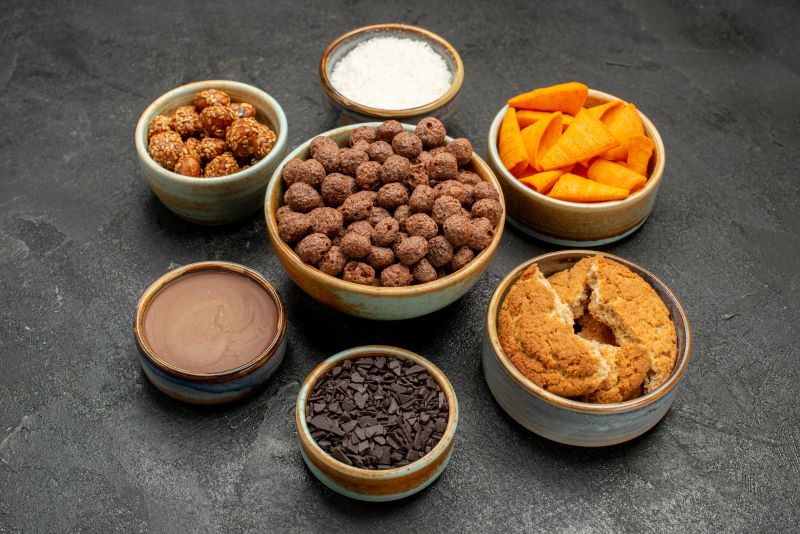
Securing enough minerals which are important for the body like manganese is vital to overall health and well-being. Among other functions, Manganese is essential for metabolism, bone strength and ensuring that the body has enough antioxidants to defend itself. It is possible to ensure that you get enough manganese from your diet by including foods rich in manganese such as fruits and vegetables as well as other sources of this necessary element.
This guide presents diverse sources of manganese rich food classes ranging from fruits and vegetables to nuts, seeds, cereals and animal-based food products linking you with a comprehensive map to improve your dietary intake and support your wellness journey.

Table of Contents

Manganese is a trace mineral that is essential for our body and it plays important roles in many of the body functions. It acts as a cofactor for many enzymes involved in metabolism, antioxidant defence, bone development, and wound healing.
Adequate intake of manganese is important for overall health, but excessive consumption should be avoided as it may lead to toxicity symptoms.
Manganese can be found in various foods, including fruits, vegetables, nuts, seeds, whole grains and legumes. Some of the richest sources of manganese include spinach and kale (leafy green vegetables), almonds and pecans (nuts), pumpkin seeds & sesame seeds (seeds), and brown rice & oats (whole grains). Further, some fruits, such as berries, like pineapple or avocados, contain manganese. Therefore, these varieties should include adequate intake of high levels of manganese.
Manganese is a trace mineral that is essential for our body and it plays important roles in many of the body functions. It acts as a cofactor for many enzymes involved in metabolism, antioxidant defence, bone development, and wound healing.
Adequate intake of manganese is important for overall health, but excessive consumption should be avoided as it may lead to toxicity symptoms.
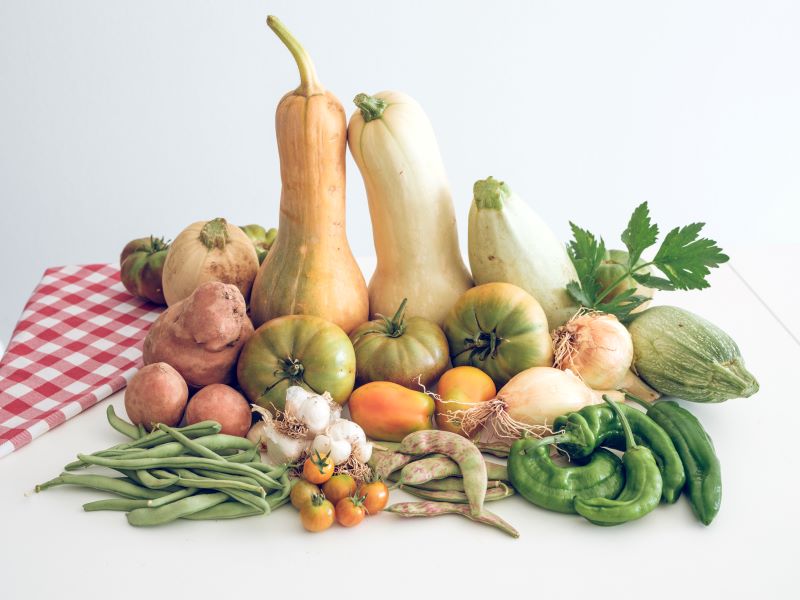
Feeding on different types of vegetables which contain high contents of this element can support overall healthiness. The following vegetables are rich in manganese; hence they offer alternatives for meal diversification while improving nutrient-intake capability!
| SNo. | Vegetables | Manganese content (per 100 grams) |
| 1 | Spinach | 0.9 mg per 100 grams |
| 2 | Kale | 0.6 mg per 100 grams |
| 3 | Swiss Chard | 0.4 mg per 100 grams |
| 4 | Beet Greens | 0.3 mg per 100 grams |
| 5 | Collard Greens | 0.2 mg per 100 grams |
| 6 | Brussels Sprouts | 0.2 mg per 100 grams |
| 7 | Broccoli | 0.2 mg per 100 grams |
| 8 | Asparagus | 0.2 mg per 100 grams |
| 9 | Green Beans | 0.2 mg per 100 grams |
| 10 | Mustard Greens | 0.2 mg per 100 grams |
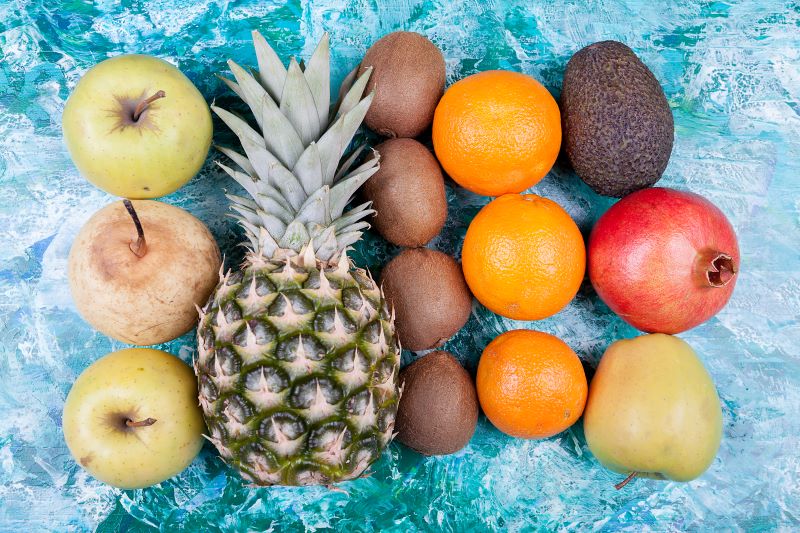
Fruits besides containing important nutrients also serve as a source for Manganese. This section is going to cover various fruits, which have an abundance of manganese; thus providing you with a choice on your diet for a healthy life.
| SNo. | Fruits | Description |
| 11 | Pineapple | 0.9 mg per 100 grams |
| 12 | Avocado | 0.7 mg per 100 grams |
| 13 | Raspberries | 0.7 mg per 100 grams |
| 14 | Strawberries | 0.4 mg per 100 grams |
| 15 | Blueberries | 0.3 mg per 100 grams |
| 16 | Kiwi | 0.1 mg per 100 grams |
| 17 | Pomegranate | 0.1 mg per 100 grams |
| 18 | Cantaloupe | 0.1 mg per 100 grams |
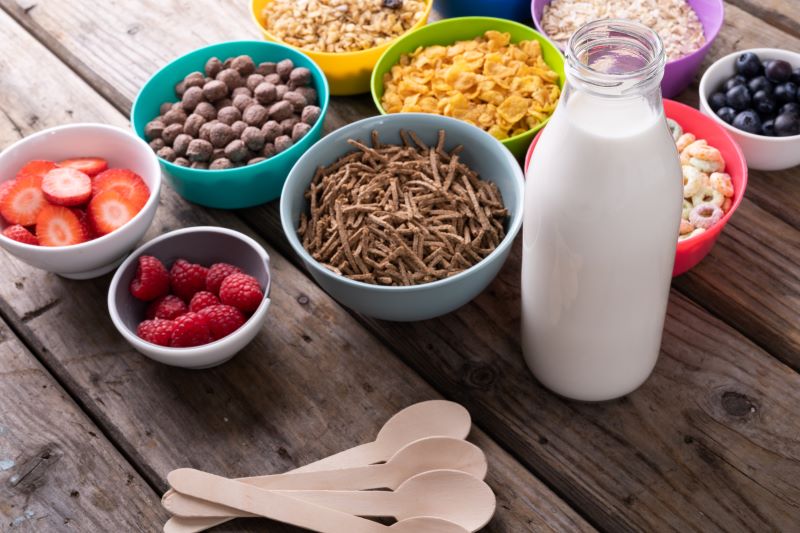
Milk products and cereals are consumed by so many people hence serving as great sources of manganese. Below are different cereals and dairy products that have considerable amounts of manganese in them making it easier for you to avail nutritionally complete meals at all times.
| SNo. | Cereals and Dairy Products | Description |
| 19 | Oats (cooked) | 0.5 mg per 100 grams |
| 20 | Brown Rice (cooked) | 0.5 mg per 100 grams |
| 21 | Whole Wheat Bread | 0.4 mg per 100 grams |
| 22 | Almond Milk | 0.2 mg per 100 grams |
| 23 | Yoghurt (plain, low-fat) | 0.1 mg per 100 grams |
| 24 | Cheese | 0.1 mg per 100 grams |
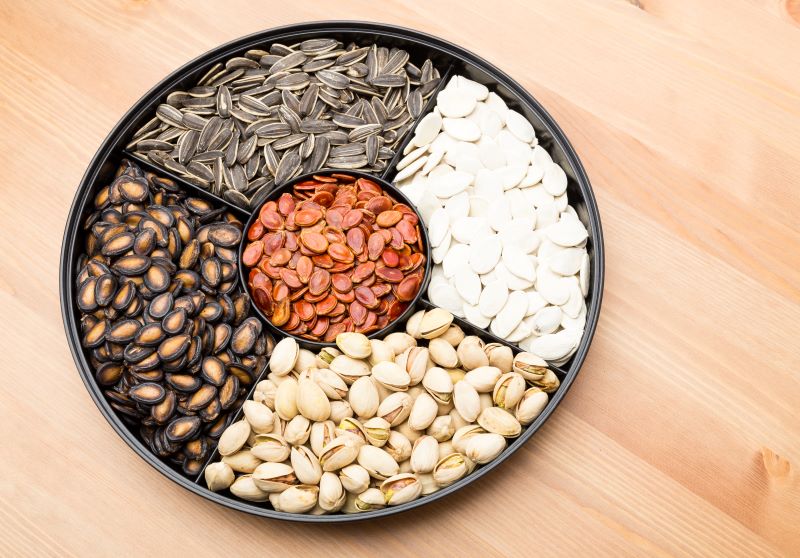
Seeds, and nuts being very nutritious foods contain good fats and proteins as well as manganese which is an essential mineral. We will showcase seeds and nuts that have high levels of manganese present in them thus giving you snack options that can be used alone or added to other dishes.
| SNo. | Seeds and Nuts | Manganese Content |
| 25 | Pumpkin Seeds | 4.5 mg per 100 grams |
| 26 | Sesame Seeds | 2.5 mg per 100 grams |
| 27 | Flaxseeds | 2.5 mg per 100 grams |
| 28 | Sunflower Seeds | 1.8 mg per 100 grams |
| 29 | Almonds | 2.3 mg per 100 grams |
| 30 | Cashews | 1.6 mg per 100 grams |
| 31 | Walnuts | 3.4 mg per 100 grams |
| 32 | Pecans | 1.7 mg per 100 grams |
| 33 | Pistachios | 1.1 mg per 100 grams |
| 34 | Hazelnuts | 1.7 mg per 100 grams |
| 35 | Brazil Nuts | 1.6 mg per 100 grams |
| 36 | Macadamia Nuts | 1.5 mg per 100 grams |
| 37 | Chia Seeds | 2.7 mg per 100 grams |
| 38 | Hemp Seeds | 5.4 mg per 100 grams |
| 39 | Pine Nuts | 6.5 mg per 100 grams |
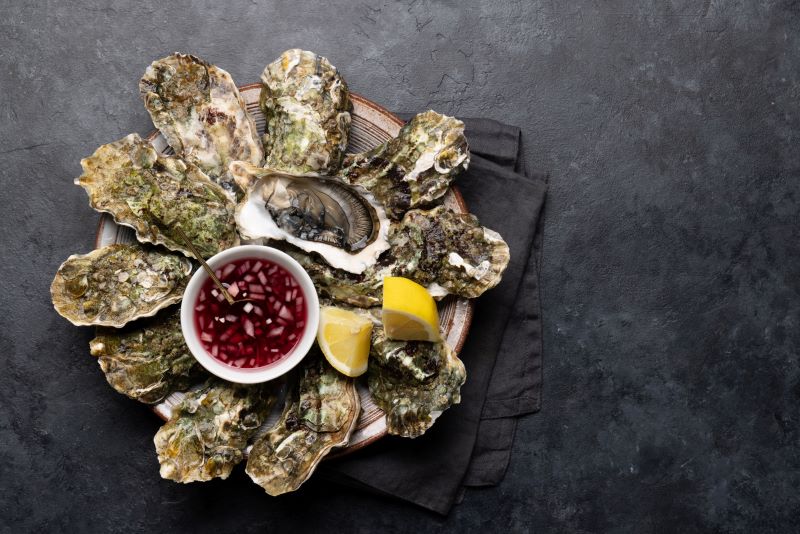
While plant-based sources like fruits are often associated with manganese, some animal meats, fish & seafood also contain high quantities of this essential mineral. Here is the list of various animal-based foods rich in manganese, hence giving choices for those who need more dietary options.
| SNo. | Animal and Seafood | Manganese Content (Per 100 grams) |
| 40 | Clams | 2.3 mg per 100 grams |
| 41 | Mussels | 5.0 mg per 100 grams |
| 42 | Oysters | 3.6 mg per 100 grams |
| 43 | Lobster | 1.6 mg per 100 grams |
| 44 | Crab | 1.5 mg per 100 grams |
According to the National Institute of Health, NIH determines the appropriate daily intake of manganese is crucial for supporting overall health and well-being. While manganese deficiency is rare, excessive intake can lead to toxicity, highlighting the importance of understanding recommended intake levels based on factors such as age, sex, and individual health status.
The table given below outlines the recommended daily intake of Manganese for different demographics:
Age Group |
Recommended Manganese Intake (milligrams per day) |
| Infants 0-6 months | 0.0003 mg/kg body weight |
| Infants 7-12 months | 0.6 mg per day |
| Children 1-3 years | 1.2 mg per day |
| Children 4-8 years | 1.5 mg per day |
| Children 9-13 years | 1.9 mg per day |
| Male Teens 14-18 years | 2.2 mg per day |
| Female Teens 14-18 years | 1.6 mg per day |
| Male Adults 19+ years | 2.3 mg per day |
| Female Adults 19+ years | 1.8 mg per day |
| Pregnant Teens/ Adults | 2.0 mg per day |
| Lactating Teens/ Adults | 2.6 mg per day |
Stay on Track with These Health Tools
Find out the numerous advantages of including Manganese Rich foods in your diet by Harvard School of Public Health. Starting from boosting metabolism to enhancing bone health and protecting against harmful substances, these foods can do a lot for you.
Look into innovative and practical ways of introducing Manganese Rich foods into our daily meals. From smoothies and salads to homemade energy bars, there is an infinite amount of how these nutritious ingredients can be consumed for our health’s sake.
Discover the signs and symptoms that come with manganese deficiency. Ranging from delayed growth and poor wound healing to neurological problems and weakened immunity, identification of such indicators is vital to keeping fit.
Explore possible health risks related to inadequate intake of manganese. Such as distorted bones; skin disorders; glucose metabolism defects; decreased defence against diseases etc., too little manganese in your system could have far-reaching impacts on your body's fitness.
Though essential for health, excessive intake poses some risks. Here are the signs and symptoms linked to excess manganese consumption:
Thinking about taking a manganese supplement? It is advisable to be cautious. However, under certain circumstances, dietary intakes may not be enough and supplementation can prove useful. One such example is in cases of malabsorption or limited diets. Nonetheless, it is important to note that excessive ingestion of manganese leads to toxicity which results in the manifestation of cognitive impairment as well as neurological symptoms.
Accordingly, you should consult your healthcare provider before embarking on any journey of seeking manganese supplements. They will evaluate your specific health status, eating habits and possible risks that should guide you towards safe and effective use.
To sum up, these superfoods are capable of contributing significantly to overall health through improving metabolism, skeletal development, antioxidant defence and wound healing capacity among other things whose list is inexhaustible.
In conclusion, incorporating Manganese Rich foods into your diet can provide numerous health benefits, as manganese plays a crucial role in various bodily functions, including metabolism, bone health, and antioxidant activity.
By including a diverse range of fruits, vegetables, nuts, seeds, and whole grains, you can ensure an adequate intake of this essential mineral. From leafy greens like spinach and kale to nuts like almonds and hazelnuts, there are plenty of delicious options to choose from.
Protect What Matters - Explore Other Insurance Options