General
Life
Accessibility Options


General

General Products
Simple & Transparent! Policies that match all your insurance needs.
 Car Insurance
 Two Wheeler Insurance
 Commercial Vehicle Insurance
 Health Insurance
 Home Insurance
 Travel Insurance
 Business Insurance
Car Insurance
Two Wheeler Insurance
Commercial Vehicle Insurance
Health Insurance
Travel Insurance
Business Insurance
Car Insurance
Two Wheeler Insurance
Commercial Vehicle Insurance
Health Insurance
Travel Insurance



Scan to download

Life

Life Products
Digit Life is here! To help you save & secure your loved ones' future in the most simplified way.
 Term Life
 Savings Plan
 Retirement and Pension Plans
 Group Life Products
 Product Documents
Term Life
Savings Plan
Retirement and Pension Plans
Group Life Products
Product Documents
Term Life
Savings Plan
Retirement and Pension Plans
Group Life Products

Scan to download

Claims

Claims
We'll be there! Whenever and however you'll need us.
 Customer Support
 Motor Claims
Health Claims
Motor Claims
Health Claims
 Marine Insurance
 Grievance Redressal
Customer Support
Motor Claims
Health Claims
Marine Insurance
Grievance Redressal
Grievance Redressal
Customer Support
Motor Claims
Health Claims
Marine Insurance
Grievance Redressal
Scan to download
 General
 Life
General
Life
Life
General
Life
Renewals
Resources

Resources
All the more reasons to feel the Digit simplicity in your life!
Exclusive Features
 Transparency Report
Others
Exclusive Features
Transparency Report
Transparency Report
Others
Exclusive Features
Transparency Report
Scan to download


Our WhatsApp number cannot be used for calls. This is a chat only number.

 Grey Scale
 Readable Text
 Reset
Reset



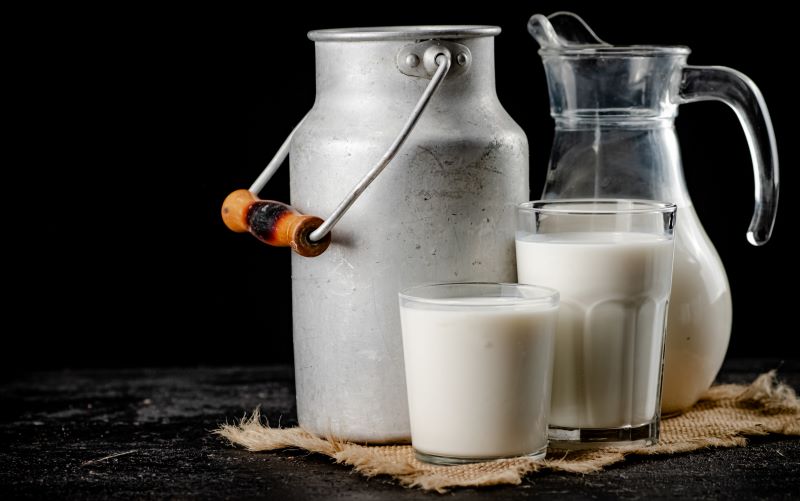
Every day, people from all generations consume milk and its products. Adults mostly drink tea or coffee, while youngsters take milk-based health drinks. Moreover, some people use its products in their daily meals, such as Paneer, chaas, or dahi. India is among other countries that face the challenge of milk contamination.
Following the 18th October release of the National Milk Safety and Quality Survey 2018, 12 out of 6 432 samples were not fit for consumption. From dilution with water to the addition of harmful chemicals, various types of milk adulteration tactics undermine the integrity of this essential dietary staple.

Table of Content

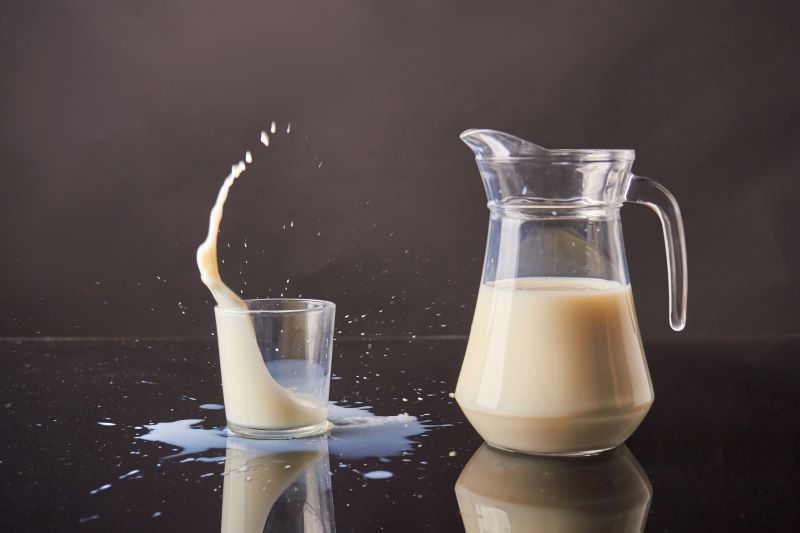
Milk adulteration is a term used to describe the process of deliberately reducing the milk's quality by adding impurities and removing beneficial ingredients for purposes such as an unfair increase in milk output, therefore making more profits.
The Food Safety and Standards Authority of India (FSSAI) is responsible for enforcing food and safety rules in the nation. Unclean milk may be poisonous or deficient in vital elements for healthy development and growth.
There are three things often found in milk as adulterants: detergent, starch and urea. Several adulterants that are harmful and ways to identify them are indicated in the table below:
Adulterant |
Harmful Effects |
| Water | Water can also lower food's nutritional value. This includes life-threatening conditions such as cholera, typhoid fever, meningitis, and polio. This can be caused by exposure to bacteria in water-containing agents such as dioxins, lead salts, or cyanides. |
| Starch | Diarrhoea happens because of undigested starch within the colon when one consumes too much starchy food in their diet. Hence, people suffering from diarrhoea can die from starch overdoses due to diabetes. |
| Urea | Milk’s urea content triggers ulcers, queasiness, and regurgitation. Furthermore, milk adulteration with urea can cause damage to the kidney, heart, and liver. |
| Detergent | Dioxane, sodium lauryl sulphate, and phosphates have been known to represent health hazards in detergents. Dioxane is among the carcinogens, while phosphates cause skin irritation and can be nauseating when ingested. |
| Synthetic Milk | Kidneys are affected by taking synthetic milk as it causes liver damage. Moreover, the life of a pregnant woman is at risk from drinking artificial milk. |
The dairy industry and the government have always had concerns about adulterated milk. Despite interventions to break it, this bitter froth has had far-reaching health implications on milk and its products. It eats away at their identity, transforming them into something maliciously fake. This creates an endless cycle that goes from bad to worse.
Here are a few reasons for Milk Adulteration:
Table sugar is added as an adulterant to raise the milk's density and carbohydrate content while simultaneously making the milk more dense. As a result, water is added to the milk that a lactometer test cannot pick up on.
Milk is tampered with using starch to make it more solid.
The addition of benzoic and salicylic acids extends the shelf life of milk.
Soap is added to milk to make it thicker, which causes serious kidney and gastrointestinal problems.
To keep milk fresh for a long time, formalin is added. It is extremely poisonous and harmful to the kidneys and liver.
Ammonium sulphate tends to preserve the density of milk while increasing the lactometer value, so it is employed as an adulterant in milk.
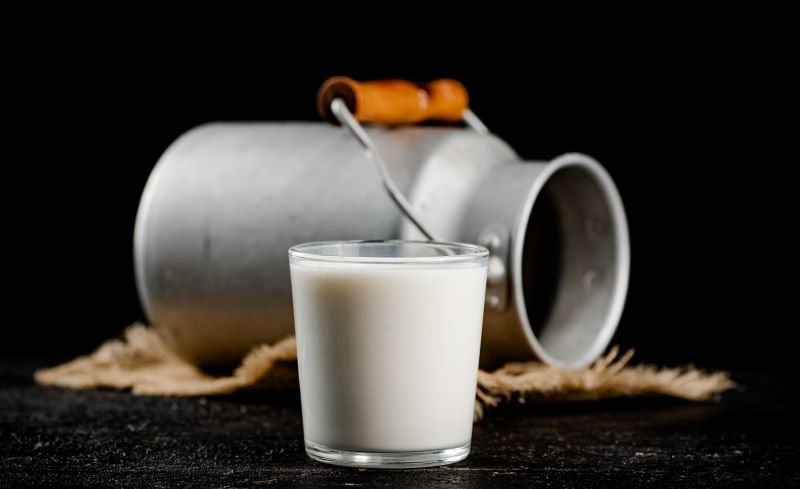
Purposefully lowering milk's quality to increase its quantity and generate illicit profit is known as "milk adulteration." The following are some significant factors behind adulterated milk:
The Ministry of Health and Family Welfare, through the FSSAI, has shortlisted tests to determine the quality and purity of milk containing domestic contaminants at home. By raising consumer knowledge, these quick tests, Detecting Adulterants with Rapid Testing (DART), help to reduce health hazards, food adulteration and consumer deception.
Adulterant |
Ways to Detect |
| Water | Put a drop of milk on a smooth, slanted surface. The milk drops silently, meaning it is of pure quality. The contaminated milk, however, never stops and may not leave a single stain behind. |
| Starch | Put a drop of iodine solution or tincture in it. If the milk turns blue, it means it has been adulterated. |
| Urea | Take one teaspoon of milk and half a teaspoon of soybean powder in a test tube. Mix the ingredients thoroughly. After five minutes, dip a litmus paper in it. If the litmus paper turns blue instead of red after 30 seconds, urea is present. |
| Detergent | Pour some milk into a bottle and then add water to that level to know whether the milk has been tainted with detergent. Shake it. The presence of detergent makes foam during the shaking process. |
| Synthetic Milk | Milk contains artificial compounds if it feels soapy between your fingers and turns yellow when heated. The unpleasant flavour is an indication that this type of milk is artificial. |
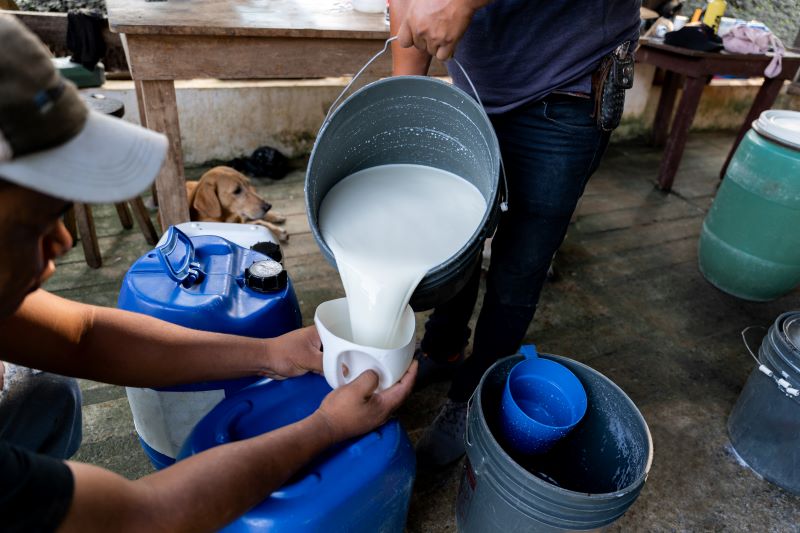
We look at the dangers of drinking contaminated milk, including long-term health impacts, microbiological contamination, chemical pollutants, and nutritional deficits.
Due to its high nutritional value, milk is frequently seen as a sign of purity and sustenance, and it is a staple item that many people enjoy. However, adulteration poses several health hazards and may contribute to the development of different illnesses and health issues in consumers.
Illness |
Causes |
| Gastrointestinal illness | Detergents in milk can cause food poisoning and other gastrointestinal complications. |
| Heart problems | Synthetic components in milk can cause heart problems. |
| Cancer | Synthetic components in milk can cause cancer. |
| Kidney problems | Consuming adulterated milk can lead to kidney problems. |
| Eye irritation | Consuming adulterated milk can cause eye irritation. |
| Hormone imbalance | Consuming adulterated milk can cause hormone imbalances in males and females. |
| Early breast growth | Consuming adulterated milk can lead to early breast growth in young girls. |
| Eye loss | Consuming adulterated milk can lead to eye loss. |
| Memory loss | Consuming adulterated milk can lead to memory loss. |
| Irregular menstrual flow | Consuming adulterated milk can lead to irregular menstrual flow. |
Milk adulteration is a widespread problem that jeopardises the security and integrity of the milk supply chain and hurts public health. A common issue compromising the safety and integrity of the milk supply chain and the general public's health is milk adulteration. Drinking poisoned milk can have major health repercussions, including chronic illnesses, acute poisoning, gastrointestinal issues, and even death.
To combat milk adulteration, legislators, regulatory bodies, industry participants, and consumers must collaborate to enforce quality control procedures, enhance detection methods, and increase public awareness of the dangers of contaminated milk.
Protect What Matters - Explore Other Insurance Options