General
Life
Accessibility Options


General

General Products
Simple & Transparent! Policies that match all your insurance needs.
 Car Insurance
 Two Wheeler Insurance
 Commercial Vehicle Insurance
 Health Insurance
 Home Insurance
 Travel Insurance
 Business Insurance
Car Insurance
Two Wheeler Insurance
Commercial Vehicle Insurance
Health Insurance
Travel Insurance
Business Insurance
Car Insurance
Two Wheeler Insurance
Commercial Vehicle Insurance
Health Insurance
Travel Insurance



Scan to download

Life

Life Products
Digit Life is here! To help you save & secure your loved ones' future in the most simplified way.
 Term Life
 Savings Plan
 Retirement and Pension Plans
 Group Life Products
 Product Documents
Term Life
Savings Plan
Retirement and Pension Plans
Group Life Products
Product Documents
Term Life
Savings Plan
Retirement and Pension Plans
Group Life Products

Scan to download

Claims

Claims
We'll be there! Whenever and however you'll need us.
 Customer Support
 Motor Claims
Health Claims
Motor Claims
Health Claims
 Marine Insurance
 Grievance Redressal
Customer Support
Motor Claims
Health Claims
Marine Insurance
Grievance Redressal
Grievance Redressal
Customer Support
Motor Claims
Health Claims
Marine Insurance
Grievance Redressal

Scan to download
 General
 Life
General
Life
Life
General
Life
Renewals
Resources

Resources
All the more reasons to feel the Digit simplicity in your life!
Exclusive Features
 Transparency Report
Others
Exclusive Features
Transparency Report
Transparency Report
Others
Exclusive Features
Transparency Report

Scan to download


Our WhatsApp number cannot be used for calls. This is a chat only number.

 Grey Scale
 Readable Text
 Reset
Reset




Kidneys are a crucial part of the excretory system in our body. However, for multiple reasons, it’s possible for one or both kidneys to stop functioning. When this happens, a dialysis machine is used to clean a patient’s toxins from his/her blood.
As a patient's kidneys fail their job, he or she will need special healthcare and routine dialysis procedures to prevent infections. They must also follow a strict diet that includes all necessary nutrients to keep their body immune from toxins. This blog will cover all the food items to include and exclude in a diet for dialysis patients.

Table of Contents

Dialysis is a medical procedure to extract waste and excessive fluid from the body when the kidneys are incapacitated. It serves as an artificial filtration system for the kidneys and kidneys on behalf of the body where blood is concerned as the kidneys.
The two basic types include hemodialysis, in which the blood is pumped to an artificial kidney, which then filters the blood, and peritoneal dialysis, which utilizes the abdominal wall for blood filtering. When other organs in the body cannot maintain an average concentration of fluids and electrolytes, dialysis comes in handy.

A proper diet for dialysis patients will involve restricting several food items which can harm the patient's kidneys. While planning for such a diet, one should try including nutrients like proteins, iron, calories, and good fats.
Following is a list of the best foods for dialysis patients that are rich in these minerals and healthy for the kidneys.
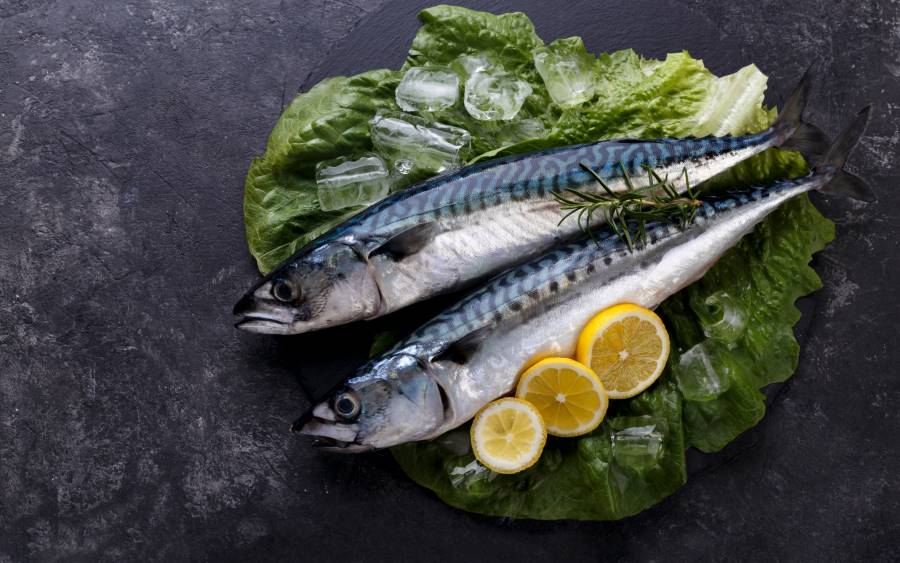
People who are undergoing dialysis treatment need to increase their protein intake. Non-vegetarian foods like fish and chicken are excellent sources of protein.
Fishes also contain Omega-3, which our body needs to lower fat in our blood. However, solely focussing your diet on fish or consuming excessive fish can do more harm than good.
Certain fishes like sardines, salmon, tuna, mackerel, and tilapia contain high amounts of omega-3. Therefore, implementing at least one of these fish in your daily diet will contribute to a healthy life.
If you want to skip fish, go for flax seeds, chia seeds, walnuts, kidney beans and soybean oil. They are too rich sources of omega-3 and can substitute for fish in your diet.
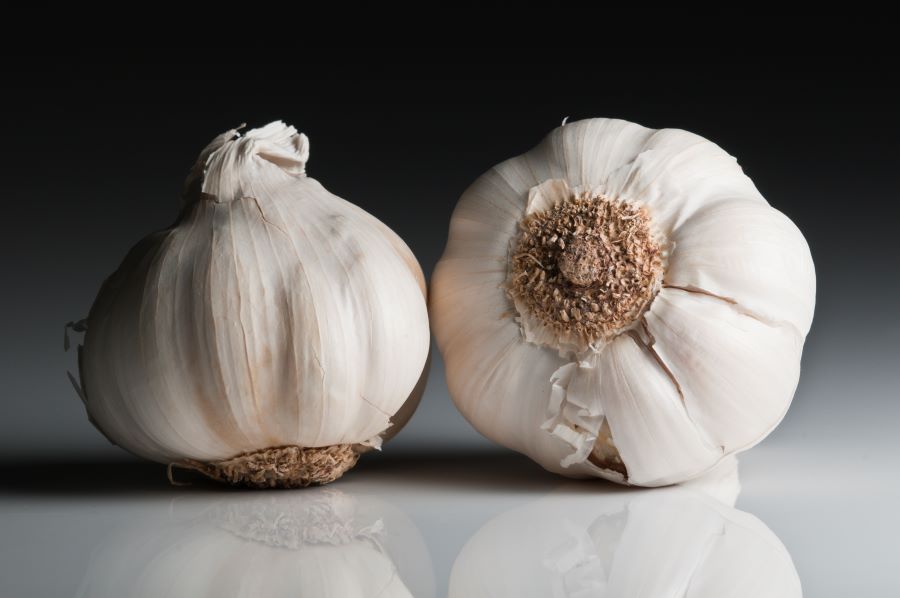
Dialysis patients need to restrict their salt consumption. Garlic, an essential in an Indian kitchen, acts as a flavourful substitute for salt in your meal.
Garlic also adds nutrients like vitamin B6, sulphur and manganese to your meal while enhancing its taste.
A diet for dialysis patients can incorporate chewing 1-2 cloves of garlic or adding them to curry for flavour.

Half a cup of red bell pepper holds 1 mg sodium, 10 mg phosphorus and low amounts of potassium. This makes it a must-have food for dialysis patients.
Red bell peppers also contain vitamins A, B6 and C along with fibre. Rich in antioxidants, red bell peppers not just add flavour to your food but also protect you from cancer.
Add red bell peppers to your salad with berries and olive oil. You can also consume red bell peppers as snacks with a dash of mayonnaise.
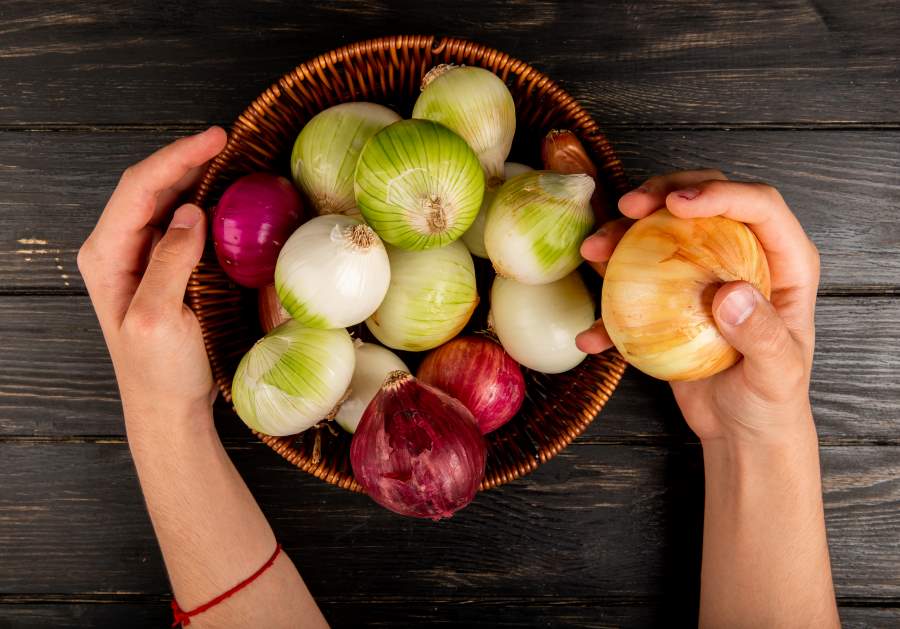
Another taste enhancer in the Indian kitchen, onion contains flavonoids such as quercetin which helps manage heart issues. As a rich source of chromium, onion also helps your body's metabolism.
You can sauté onion with olive oil to enhance your food's taste and quality. You can also try including raw onions in salads or making onion rings.

Olive oil is an essential part of a diet for dialysis patients as it contains oleic acid, which has anti-oxidative and anti-inflammatory properties.
1 tablespoon of olive oil suffices for cooking an entire meal while not compromising on your meal’s taste. This allows you to reduce your oil consumption. Preparing meals with virgin olive oil protects you from heart diseases and cancer. It also protects your kidneys and liver from severe deterioration.
Therefore, you can ditch your regular oil for olive oil and eat healthy and tasty meals.
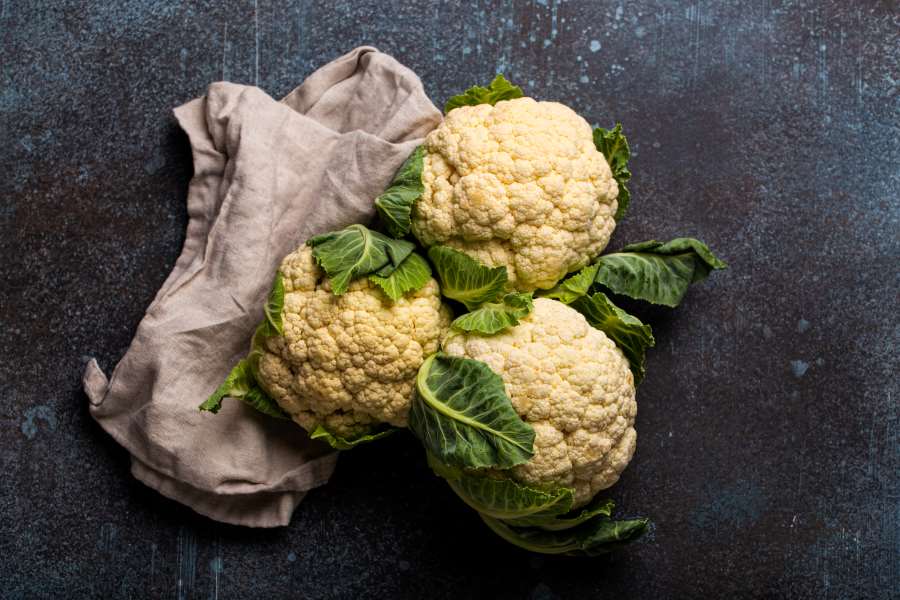
Rich in nutrients like vitamins B, C and K, cauliflower protects your body from cancer and inflammatory disorders.
The antioxidant content in cauliflower helps your body release toxins from your liver.
You can serve cauliflower with vegetable salads or mashed cauliflowers as a healthy alternative to potatoes in your diet.

Cranberries, raspberries, blueberries and strawberries are some berries that dialysis patients should add to their diet.
Anthocyanidins are antioxidants that give blueberries their colour. It also contains fibres, manganese and vitamin C that prevent your kidneys from further damage. Meanwhile, cranberries protect your bladder from bacterial infection. They also help protect your stomach from ulcers, heart disease and cancer.
Strawberries contain vitamin C, anthocyanins, and ellagitannins which protect your intestinal organs from inflammatory damage. Ellagins, anthocyanins, folate, fibre and vitamins B and C in raspberries keep you immune from tumours and related cancers.
You can consume these individual berries as smoothies or mocktails. These berries can add significant benefits to a salad with chicken, eggs and other veggies.

The white part of an egg is rich in essential proteins. In addition, the low phosphorus content of egg whites is necessary for dialysis patients as they cannot consume excess phosphorus.
Therefore, as dialysis patients require a protein-rich diet, egg whites are one of the best foods for dialysis patients. There are a lot of ways to enjoy egg whites, whether it is omelettes, egg-white sandwiches, devilled egg snacks or salads with eggs.

Grapes with red or purple skin offer various benefits for your health. Flavonoids like resveratrol give grapes their red hue. It also helps your body produce nitric acid and reduce blood clots and oxidation. These flavonoids also ensure the proper flow of blood.
Thus, adding red grapes to a dialysis patient's diet helps to improve the cleansing process without harming the kidneys.
Dialysis often causes great tiredness in patients. To aid healing, one must consume a protein and carbohydrate-rich diet.
It is also reported that dialysis causes fainting spells and low blood pressure. An iron and potassium-rich diet is recommended to combat this symptom.
While formulating a diet for patients with kidney problems, it is necessary to be aware of harmful nutrients. For example, a dialysis patient cannot consume foods rich in sodium, potassium, phosphorous and unhealthy fats. They also need to control their fluid intake for effective dialysis procedures.
Find below a list of foods items that should be excluded from diets for dialysis patients:

Usually, fruits are a great source of minerals and, therefore, an essential part of any healthy diet. However, potassium-rich fruits like kiwi, avocado, and bananas harm dialysis patients.
As we know, the kidney filters out excess nutrients and toxins from our bodies. Unfortunately, an infected kidney cannot remove nutrients like potassium. As a result, the potassium levels increase to high levels in the blood.
You may choose grapes, strawberries, apples and other low potassium foods as alternatives for dialysis patients.

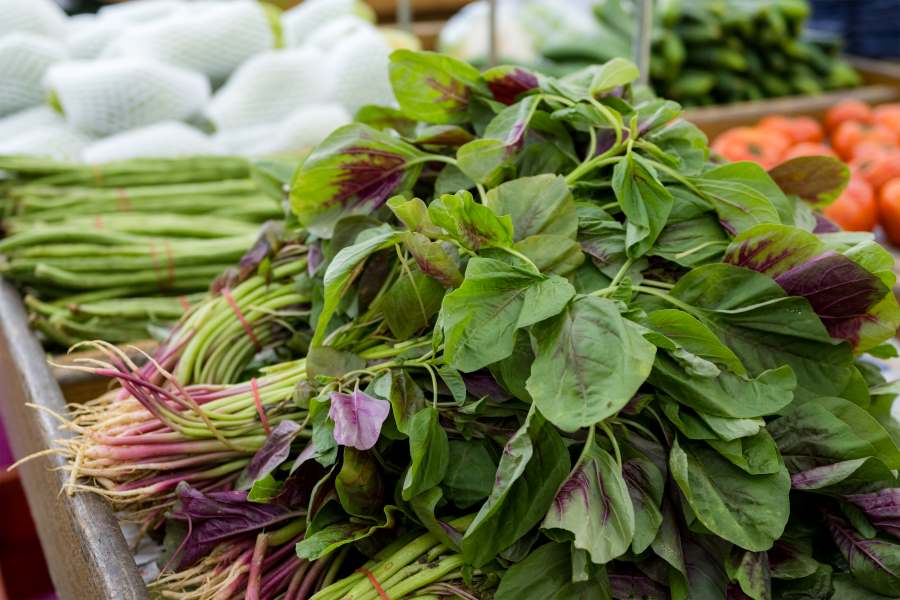
Leafy green vegetables are also high in potassium content which is harmful to patients with kidney diseases. Although cooking them can reduce their size, nutrient content can remain the same in these leafy vegetables.
These green vegetables are also rich in oxalic acids, which can form oxalates reacting with minerals like calcium, making your kidneys prone to stones.
Therefore, a dialysis patient's diet can contain meagre portions of green vegetables.

Manufacturers use processes like drying, salting and curling to produce sausages, bacons and salamis industrially. These processed meats lose their nutrients during such manufacturing processes. These foods also contain high amounts of sodium, which is very harmful to your kidneys.
Rich in starch, harmful fats and preservatives, processed meat can do more harm to a dialysis patient than good.
You can opt for skinless meat instead as an alternative to processed meats.
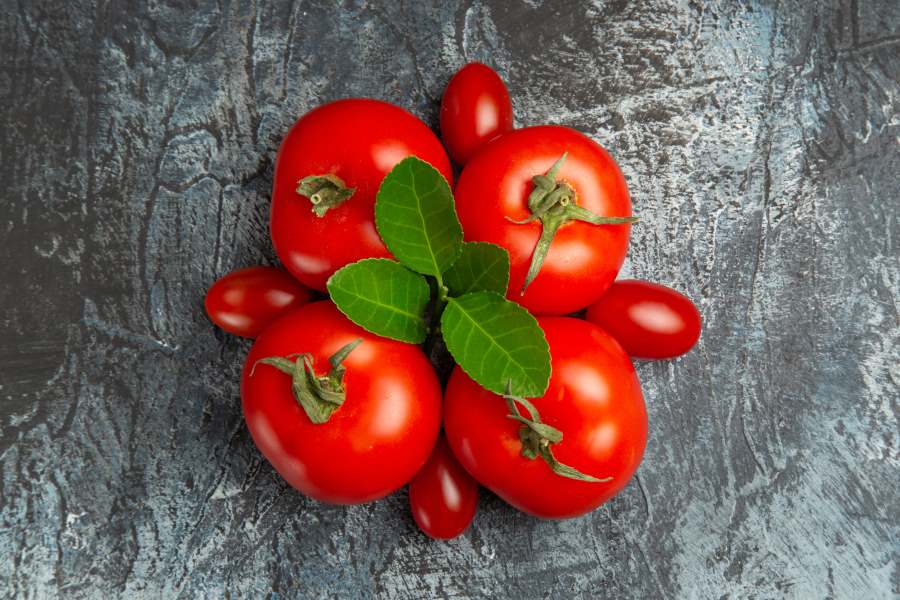
Tomato is another fruit/vegetable that you should exclude from the lists of approved foods for dialysis patients. Consuming tomatoes raw or in sauce form can be harmful to the patient due to their high potassium content.
However, if you miss the tangy flavour, you can replace tomato ketchup with roasted red bell peppers.
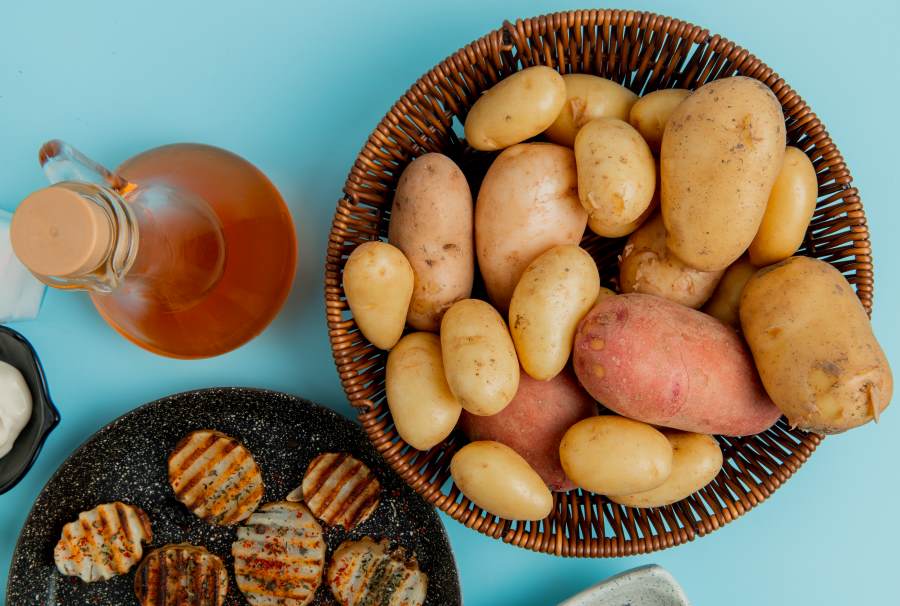
Potatoes are rich in starch and potassium. Therefore, dialysis patients need to reduce their potato consumption more than usual.
Chopping potatoes in thin wedges and boiling them in water before cooking can lower their potassium content. Even though many people opt for double-cooking potatoes, it does not entirely eliminate the excess potassium content. So, you will still want to limit your potato consumption.

If you are a dialysis patient, make sure to avoid sodas and cold drinks, especially dark-coloured sodas. The phosphorus content in dark-coloured cold beverages is higher than that of fruits or vegetables.
These sodas also contain excess added sugars and food colours. Consuming them too much can make you prone to heart disease and obesity. A healthy kidney can filter out these elements easily. However, filtration cannot occur naturally in an infected kidney.
Hence, a dialysis patient should stay away from all types of sodas.

Sodium is very high in instant foods, packaged foods and junk foods. It also contains preservatives, and animal fats, which contribute to heart problems and kidney diseases.
Consuming these packaged foods while going through dialysis treatment can be fatal for patients. Packaged foods are heavily processed, containing lots of preservatives and refined carbs. These do not dissolve in blood and clog the arteries carrying blood to your major organs.
Therefore, a kidney patient must focus on more fresh food items and snacks prepared at home. Packaged, instant, and deep-fried foods should always be excluded from the diet for dialysis patients.

Snacks like pretzels, candies or chips have excess salt and sugar as their main ingredient. High salt and sugar content make these food items harmful for dialysis patients.
Chips are also made of potatoes which are fried in harmful oils. Excessive consumption will not just lead to obesity but also harm your kidneys further.

Lactic foods like milk, yogurt, cream, buttermilk, and cheese contain high levels of phosphorus, potassium, and calcium. These nutrients benefit healthy people, but when taken in large quantities, they can lead to high amounts of phosphorus, which hemodialysis patients might find difficult to process due to their illness.
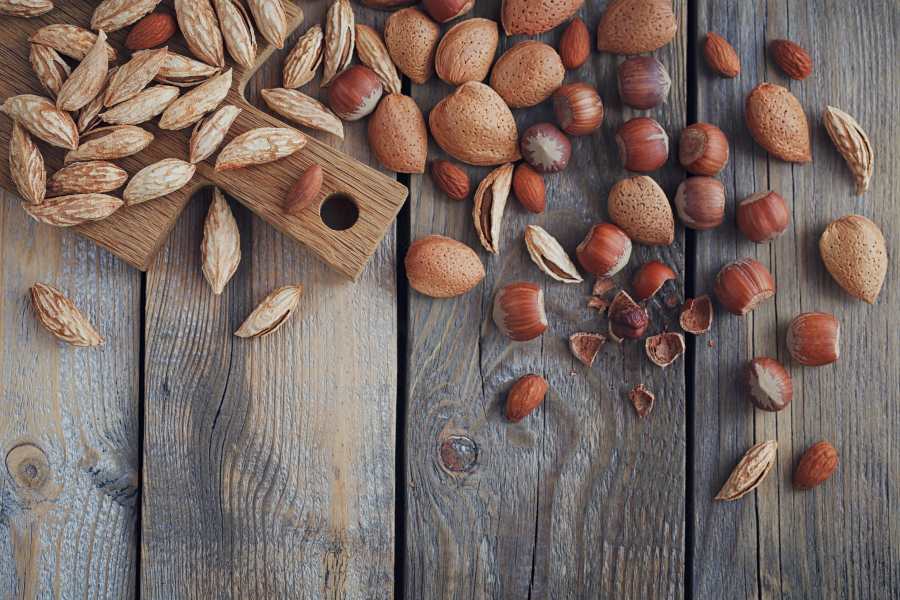
Almonds, shelled nuts, cashew nuts, sunflower seeds, and peanuts contain high levels of potassium and phosphorus, which can be highly dangerous for renal patients on dialysis if taken in large amounts. They are also considered to be fatty, which can be challenging for the patient to handle with their kidney problem.

Raisins, apricots, and prunes are examples of dried fruits with a high potassium content. Patients on dialysis find it challenging to filter potassium from the blood, so these foods should be avoided as much as possible. Fresh fruit options such as apples, grapes, or fresh figs are better overall.
If you are a patient who has kidney problems and has to go through dialysis frequently, then it is very important to follow a good diet plan. When you look up a diet plan for dialysis patients, you should consider the following points:
Some food items that are good for a dialysis patient's health may not be affordable for every patient. If you want to follow a diet plan throughout your treatment period, then it is important for you to set a budget for yourself. Having a budget will allow you to eat healthily and not take stress about overspending.
Try not to follow a diet plan where most of the items are not available in your country or the place where you live. Always make a plan where you can swap items with other healthy options.
Dialysis patients can have other health complications as well. Before eating any food item that is good for dialysis patients, always check if it is compatible with your overall health. Some patients may be allergic to certain food items that are good for other patients with kidney problems.
Stay on Track with These Health Tools
Dialysis becomes necessary when kidney failure occurs, preventing the kidneys from removing wastes and extra fluids from the blood. A few reasons for which a patient may require dialysis include:
The following are some valuable points for dialysis patients to follow:
Although dialysis patients can return to their daily lives, they need to take special care of their food habits. Observing a healthy food habit allows their kidneys to heal. Therefore, it is necessary to consult a dietician and follow a planned diet for dialysis patients. While planning a diet regime for dialysis patients, consider the above things to eat and avoid in their meals.
Protect What Matters - Explore Other Insurance Options