General
Life
Accessibility Options


General

General Products
Simple & Transparent! Policies that match all your insurance needs.
 Car Insurance
 Two Wheeler Insurance
 Commercial Vehicle Insurance
 Health Insurance
 Home Insurance
 Travel Insurance
 Business Insurance
Car Insurance
Two Wheeler Insurance
Commercial Vehicle Insurance
Health Insurance
Travel Insurance
Business Insurance
Car Insurance
Two Wheeler Insurance
Commercial Vehicle Insurance
Health Insurance
Travel Insurance



Scan to download

Life

Life Products
Digit Life is here! To help you save & secure your loved ones' future in the most simplified way.
 Term Life
 Savings Plan
 Retirement and Pension Plans
 Group Life Products
 Product Documents
Term Life
Savings Plan
Retirement and Pension Plans
Group Life Products
Product Documents
Term Life
Savings Plan
Retirement and Pension Plans
Group Life Products

Scan to download

Claims

Claims
We'll be there! Whenever and however you'll need us.
 Customer Support
 Motor Claims
Health Claims
Motor Claims
Health Claims
 Marine Insurance
 Grievance Redressal
Customer Support
Motor Claims
Health Claims
Marine Insurance
Grievance Redressal
Grievance Redressal
Customer Support
Motor Claims
Health Claims
Marine Insurance
Grievance Redressal

Scan to download
 General
 Life
General
Life
Life
General
Life
Renewals
Resources

Resources
All the more reasons to feel the Digit simplicity in your life!
Exclusive Features
 Transparency Report
Others
Exclusive Features
Transparency Report
Transparency Report
Others
Exclusive Features
Transparency Report

Scan to download


Our WhatsApp number cannot be used for calls. This is a chat only number.

 Grey Scale
 Readable Text
 Reset
Reset



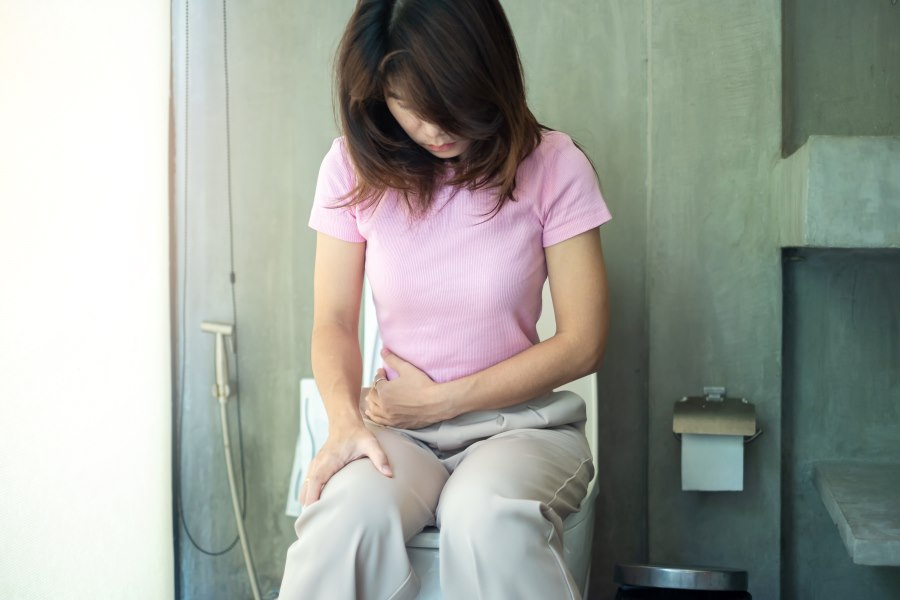
Diarrhoea is a prevalent digestive disorder in both adults and children. This condition is marked by the frequent excretion of loose and watery stool, requiring frequent bathroom visits. Loss of water or dehydration, nausea, and dizziness are some of the effects of diarrhoea on patients.
It is usually a short-term condition, and bowel movement goes back to normal with the proper diet. Foods to eat for diarrhoea are simple and mostly easy to prepare. Find below a list of foods for diarrhoea to add and avoid in your daily diet.

Table of Contents

Frequent, loose, or watery bowel movements characterise diarrhoea. It often occurs when the digestive system is disrupted, rapidly expelling waste from the body. Various factors can cause diarrhoea, including infections (bacterial, viral, or parasitic), food intolerances, or medication reactions.
It can also result from gastrointestinal disorders such as irritable bowel syndrome (IBS) or inflammatory bowel disease (IBD). Symptoms may include abdominal cramps, nausea, and dehydration. Treatment usually involves staying hydrated, managing the underlying cause, and sometimes using medications to alleviate symptoms.
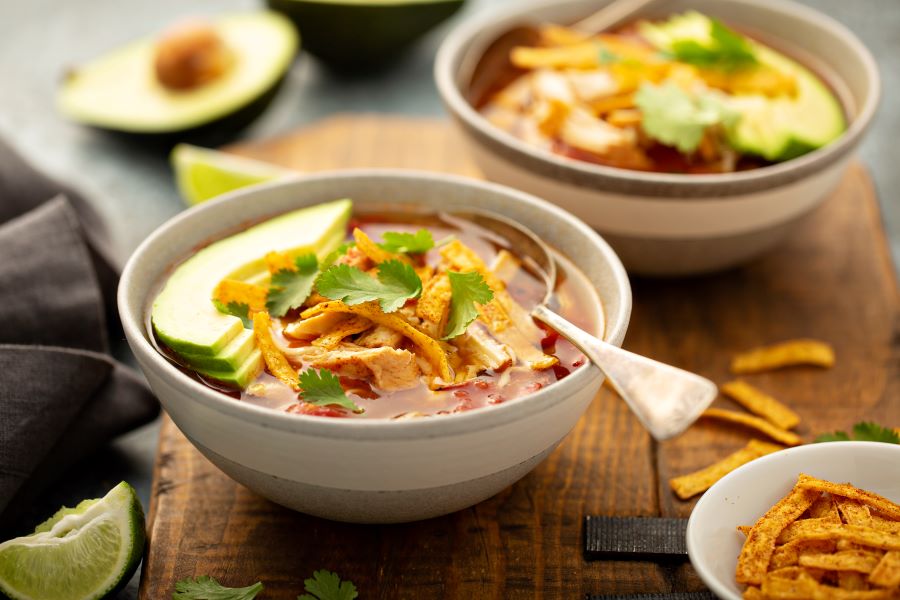
Bland, low-fat, and fibre-rich foods will help a patient restore health if he/she is suffering from diarrhoea. The following is a list of such food items that people with this condition can consume.
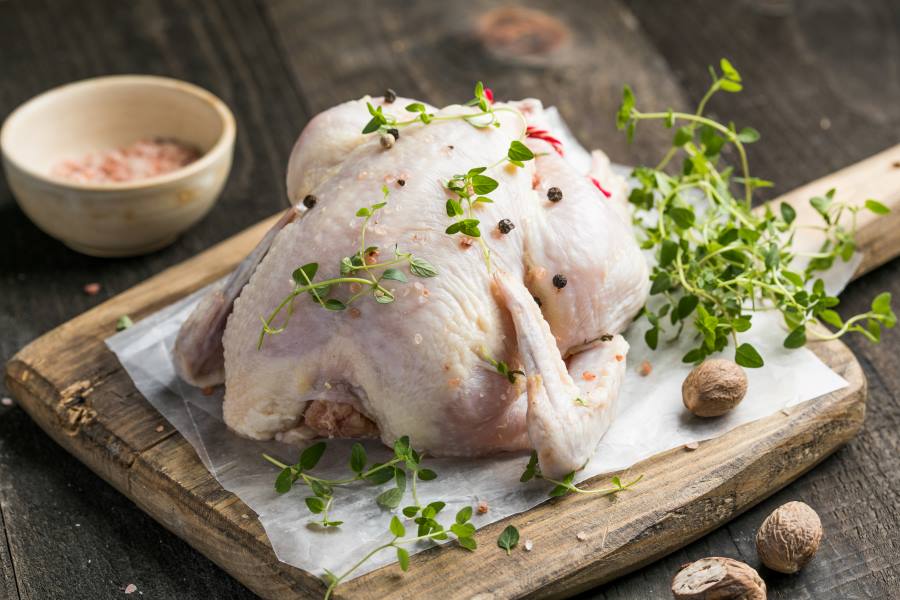
Consuming greasy, oily and spicy food can increase your bowel movement and worsen your diarrhoea situation.
Therefore, it is better to opt for low-fat, lean chicken recipes without spices. You can also add light chicken stew to your diet. It will help you restore your body fluids, preventing dehydration.
If you are vegetarian, a boiled vegetable stew is an excellent alternative to lean chicken stew.
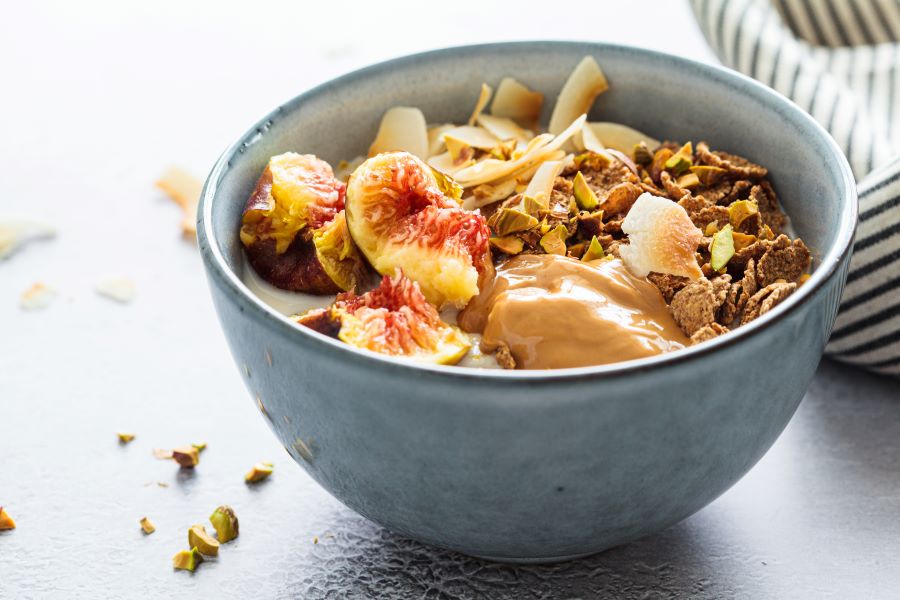
A low-fibre diet that includes vegetables and cereals is among the best foods that stop diarrhoea. Adding them to your diet for diarrhoea reduces the frequency of your bowel movement while restoring the stool’s consistency.
Puffed rice, cornflakes, and rice Krispies are a few examples of low-fibre cereals that diarrhoea patients can safely eat. One should remember to omit dry fruits and nuts from the low-fibre cereal diet.
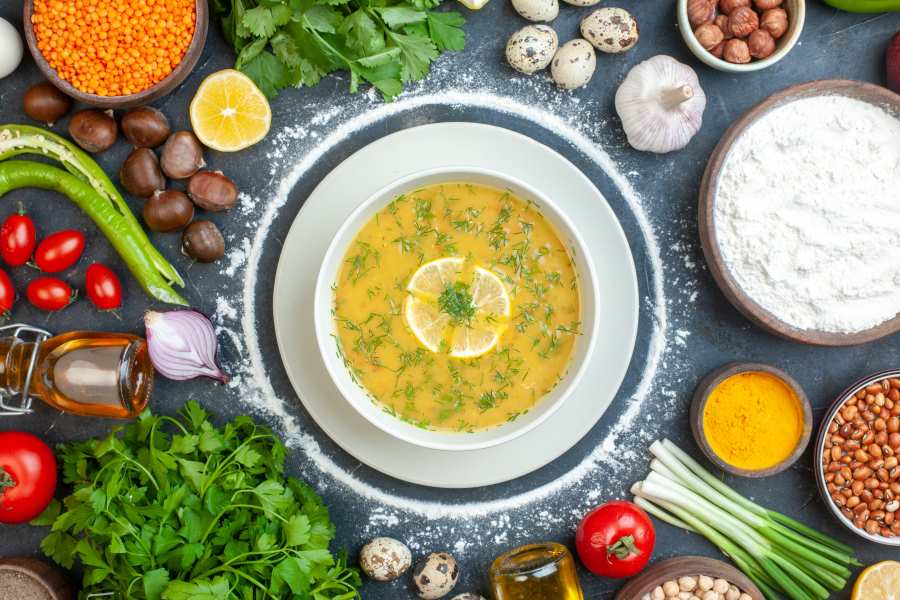
Frequent visits to the washroom can cause dehydration, as you lose water with each visit. Therefore, maintaining a liquid-heavy diet ensures fluid restoration in your body.
Have a bland soup with no spice and boiled veggies for a source of nutrients and fluid for your body. You can also couple your soup with crackers. This will enhance your body's salt intake along with the soup.
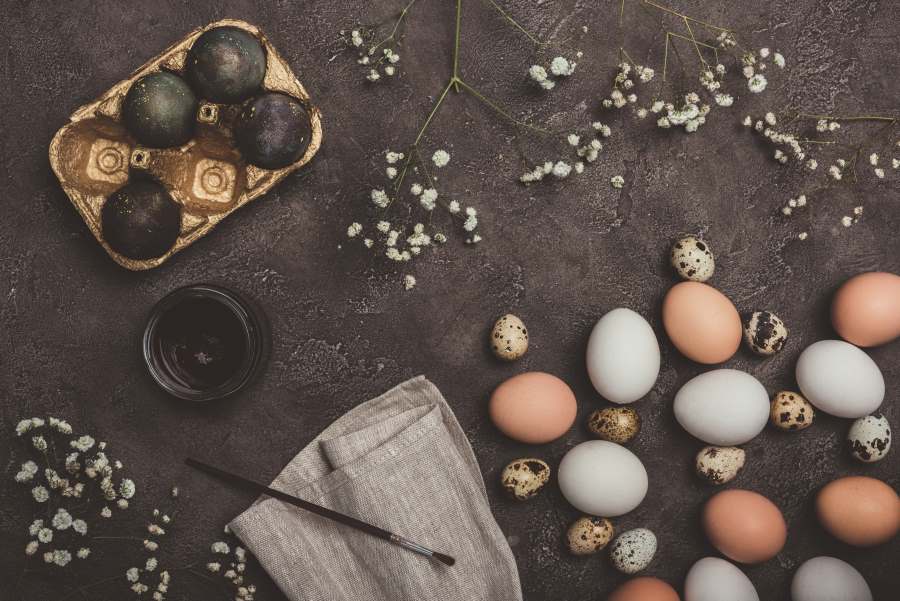
Boiled eggs are one of the best foods for diarrhoea if you consume them without butter or oil. Avoid omelettes, egg scrambles or soft-boiled eggs while suffering from diarrhoea as they contain fats. Fatty food items like butter, cheese and oil can worsen your diarrhoea instead of curing it.

Electrolyte drinks are necessary foods for diarrhoea as they help restore water content in your body. If you are facing frequent bouts of diarrhoea, go for oral rehydration syrups to regain your body fluids and salts.
Electrolyte drinks are a go-to solution if your kids are suffering from diarrhoea. However, prepare your electrolyte drinks at home instead of buying them from stores for more effective relief. This is because electrolyte drinks from stores may contain added flavours or preservatives, which may harm your digestive system.
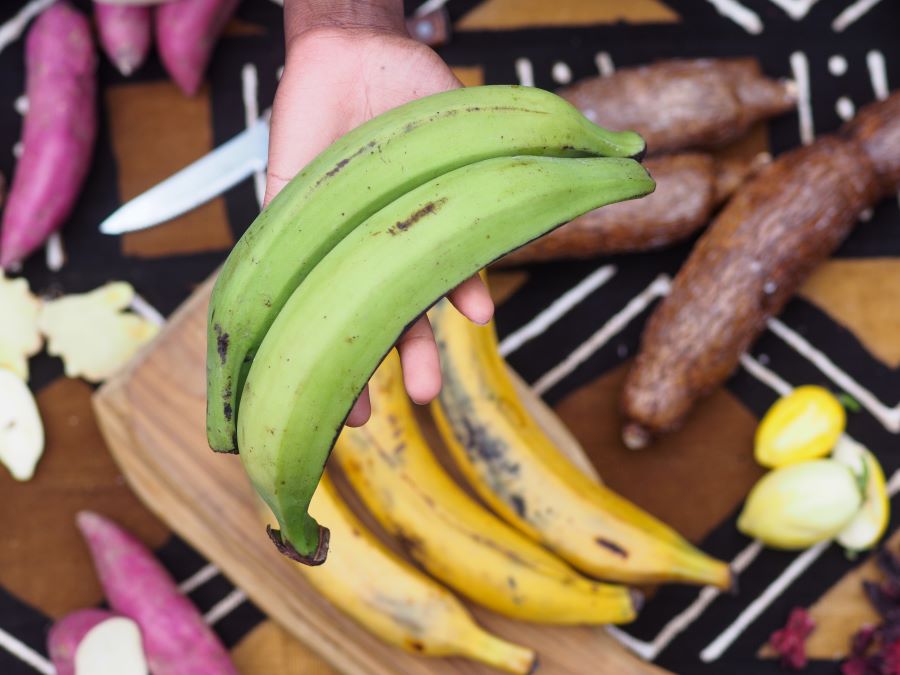
Raw bananas contain pectin, which is found in plant cell walls. Pectin helps plant cells to maintain their shape rigidly. When in your digestive tract, pectin absorbs water from stool and returns its firmness.
Pectin also helps the colon produce mucus and small stools to act as a barrier between stomach walls and gastric enzymes. Thus, raw bananas avoid chances for reactions triggering stomach upset. Being rich in pectin, raw green bananas are one of the best foods for diarrhoea patients.
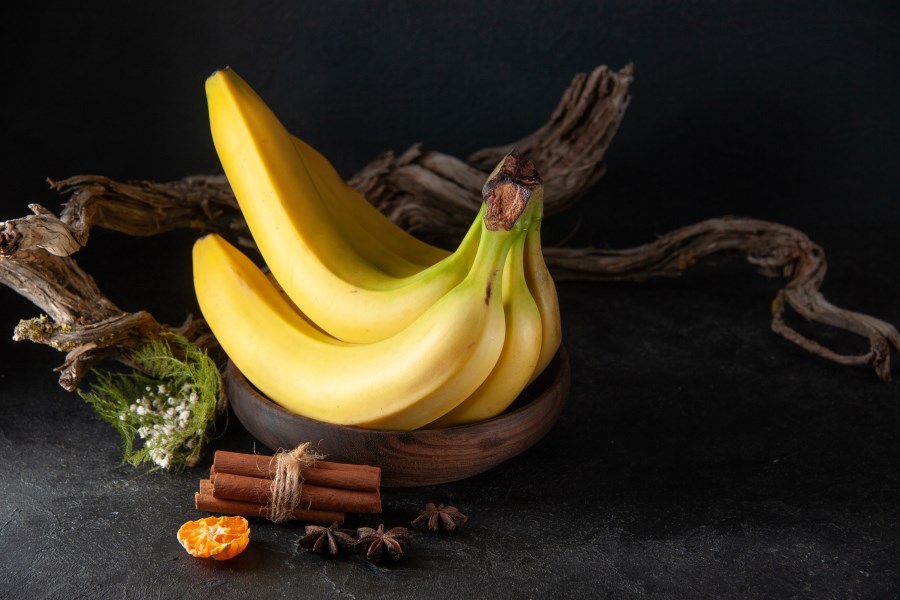
Bananas are highly regarded among persons with diarrhoea. They are very soft and easy to eat and contain pectin, an important soluble fibre useful in absorbing excess water in the intestines.
Bananas also contain potassium, which is usually depleted in body fluids during diarrhoea. Potassium needs to be replaced to help the normal contraction of muscles and prevent dehydration. Moreover, bananas are easy to digest, so they can be eaten during the healing process.
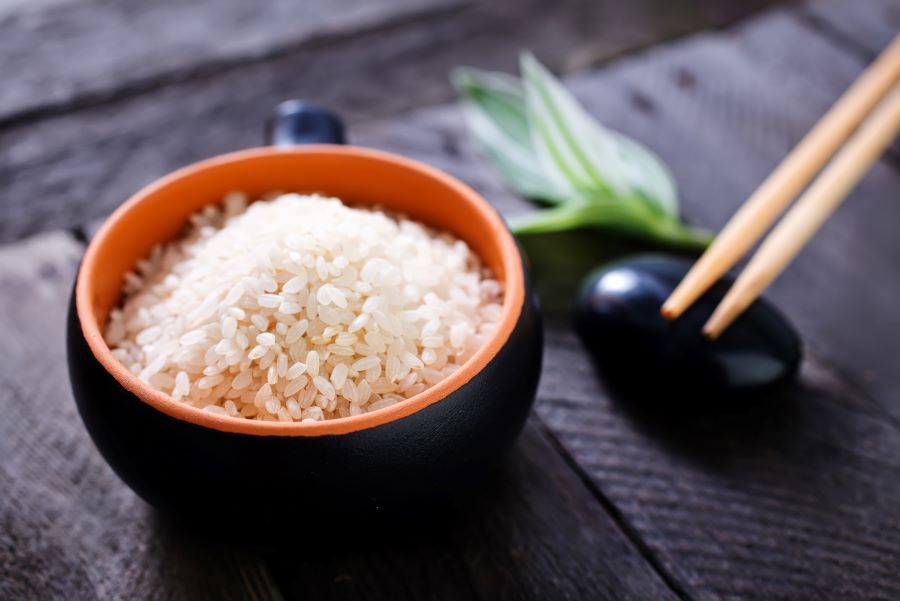
Rice, and in particular non-sticky rice, is recommended when one has diarrhoea since it is bland and does not cause further irritation. Being a soft, starchy food, it hardens the watery stool.
The starch in rice also increases the amount of liquid in the intestine, reducing the number of defecations. Rice is a low-fibre granular solid food that is easier for the body to digest, avoiding further damage to the bowels. It can also be used as a source of energy and is not excessive for the stomach.
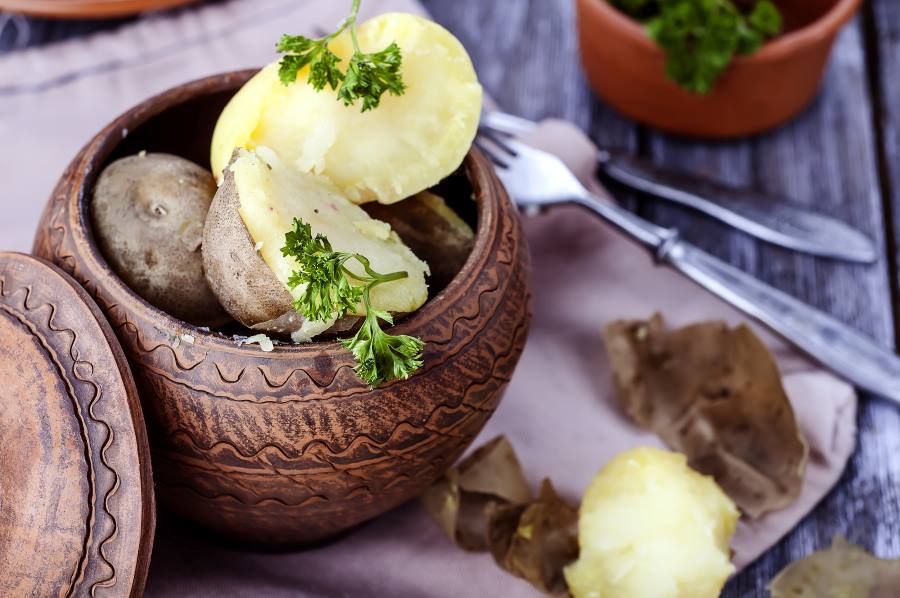
The starch in boiled potatoes effectively binds excess fluid in the intestines and reduces bowel movement frequency. When potato vending is paired with steaming to avoid spices and flour fat, they are easily digestible.
Potatoes contain potent nutrients, including vitamin C, which aids in the body's defence mechanisms. Normal boiled potatoes are the best option for the best comfort. They also contain essential nutrients like vitamin C, which can support immune health. Stick to plain, boiled potatoes for optimal relief.
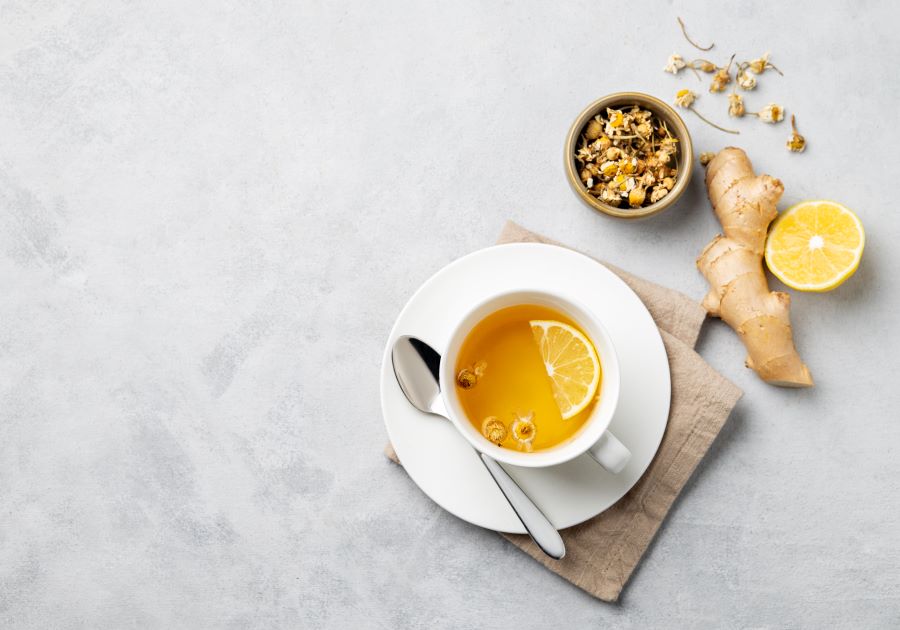
Herbal teas offer a soothing effect on an inflamed gastrointestinal tract, ginger or chamomile being two examples of such tea. Due to the anti-inflammatory aspect of ginger, nausea and stomach cramping associated with diarrhoea can be relieved.
Chamomile tea is an herbal tea with soothing effects that can help reduce inflammation in the gastrointestinal system. Both kinds of warm tea also help replace fluids in the body, which is very important due to diarrhoea. Herbal plants make the body warm and are gentle on the body. Do not add sugar or milk to sweeten herbs, as they may worsen the diarrhoea.
Some foods provide relief from stomach pain and assist in the healing process during diarrhoea; here are a few of them:
Staying hydrated is crucial, especially during illness or heat. These foods can help replenish fluids and essential nutrients in the body.
Certain foods can help ease nausea and support recovery when dealing with diarrhoea. These foods are gentle on the stomach and aid digestion.
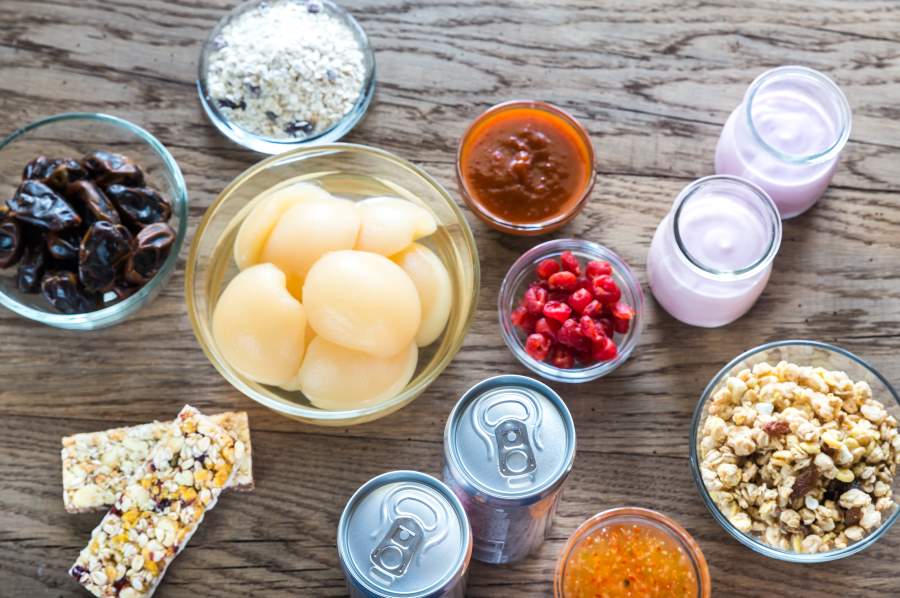
It is better to avoid foods rich in fibre, fat, and spices when you are suffering from bouts of diarrhoea. Given below is a list of foods to avoid for diarrhoea if you want to heal quickly.
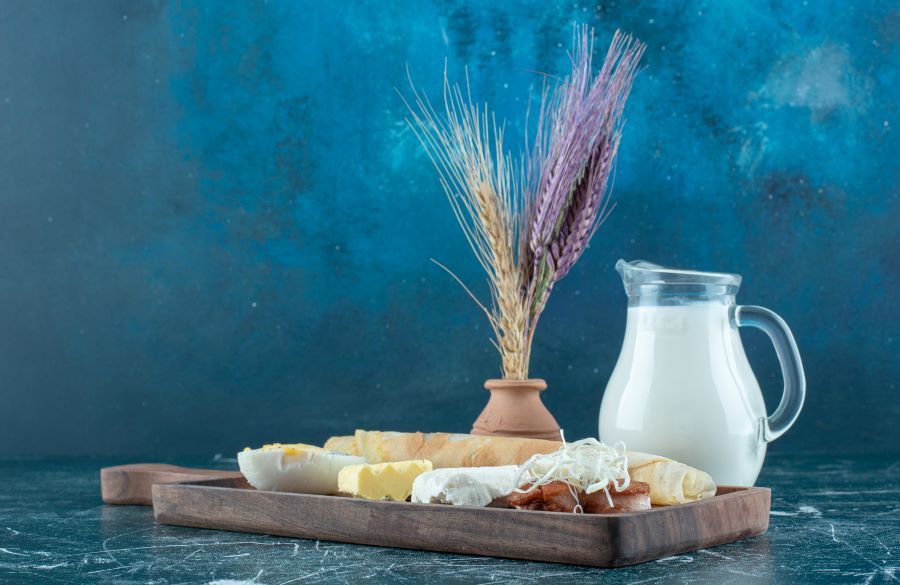
Diarrhoea can cause minimal production of lactase enzymes in your intestines. This can lead to indigestion of milk or dairy products, which would worsen your diarrhoea.
Therefore, doctors recommend that patients suffering from diarrhoea avoid consuming dairy products until their bowel movements become normal.
However, plain yoghurt is an exception as it is a probiotic which feeds good bacteria and improves your digestive system. You can add plain yoghurt, devoid of sugar, to your foods for diarrhoea.
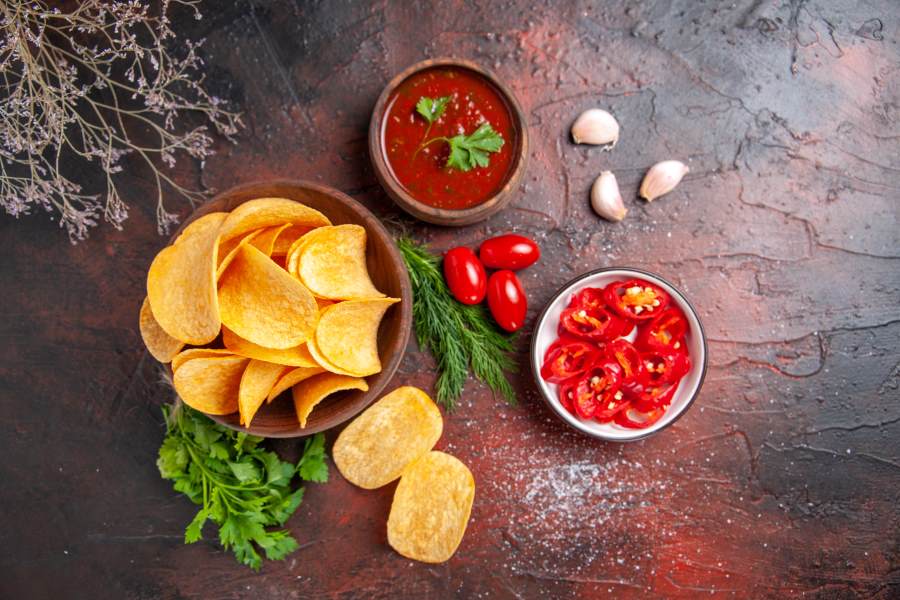
Hot and spicy foods may be your favourite food items. However, you must avoid them when you have digestive disorders. This is because spicy foods contain a chemical called capsaicin, which triggers a reaction in your digestive tract's pain receptors.
Capsaicin irritates your digestive system so much that your body starts a defence mechanism against the chemical. To protect itself from irritation, the digestive tract will hastily push every undigested food out of your guts. Unfortunately, this defence mechanism of your body causes diarrhoea.
Consuming spicy food items during diarrhoea will worsen your situation. You will also need more time than usual to recover. Therefore, avoid eating highly spicy foods if you are prone to stomach upset and diarrhoea.

It is natural to have sweet cravings after a bout of diarrhoea. However, it would be best if you stop giving in to these cravings with foods like candies, gum and diet sodas.
These food items are rich in preservatives, artificial flavours and artificial sugars, which are harmful to your digestive system at such weak moments. Diet sodas can also contain caffeine and alcohol, increasing your visits to the loo.
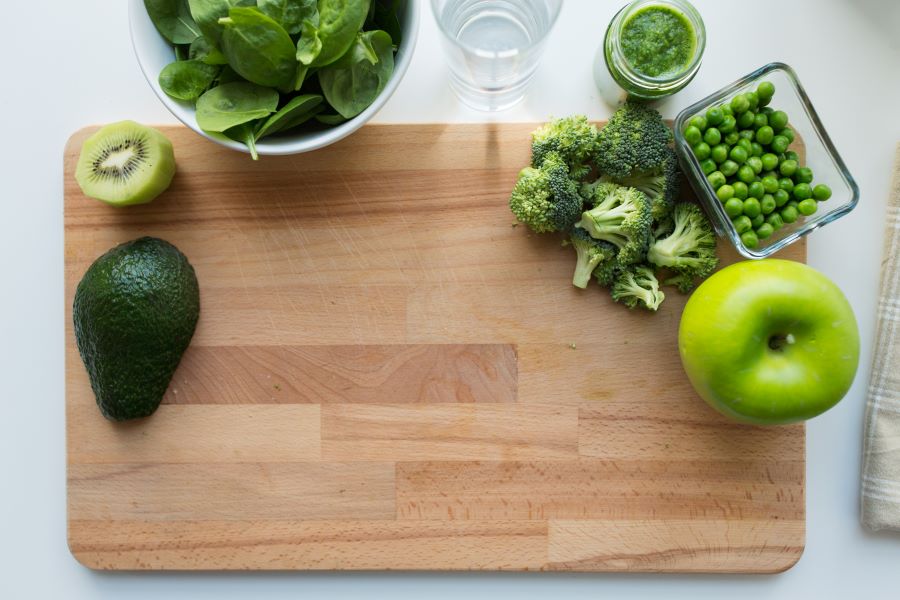
Fruits and vegetables that are rich in fibres ensure regular bowel movement. Foods rich in insoluble fibres increase bulk in stool and work as a laxative. That is why a diet for diarrhoea patients must avoid such food items.
Fruits and vegetables like apples, beans, green peas, broccoli, cucumber and Brussels sprouts can increase your bowel movement, making your conditions worse.
You can replace these with a low-fibre diet to help your bowel regain its shape and consistency. This would decrease your bowel frequency.
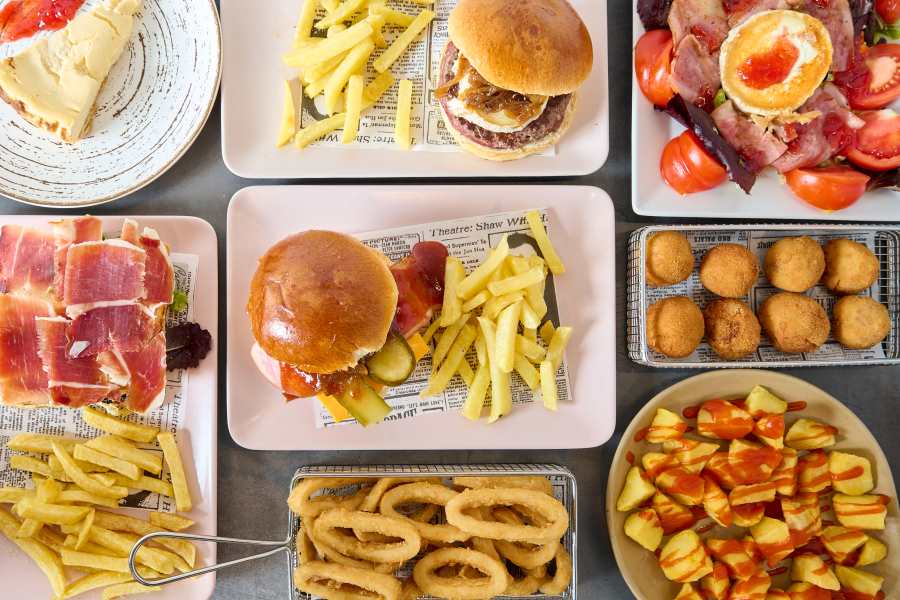
The reason behind diarrhoea after Fatty Foods. Appreciably, if not seen as an excuse, the understanding of general medical practice as politics is correct. Foods high in fat, e.g., fried foods, fatty meat, and heavy sauces, are hard to stomach and can worsen diarrhoea.
Fatty foods encourage quick contractions of the intestines, thus leading to the urge to defecate.
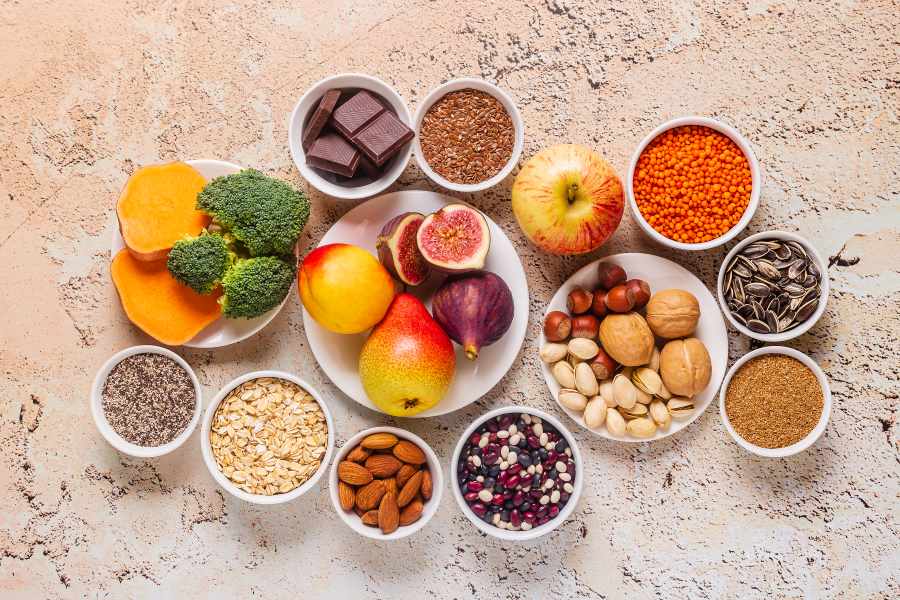
Consuming high-fibre foods like cereals, beans, and vegetables usually leads to an increase in the number of stool evacuations and may aggravate diarrhoea. Even though fibre always helps, in the case of increased bowel movements like during diarrhoea, it’s too invasive on the digestive tract, which causes increased frequency and looseness of stool.

The main reason for unpleasant deep frothing in the abdomen after intense body movement or sweating is the presence of soda, sweets, and fruit juices. Sweet drinks and food send moisture toward the intestines, increasing stool liquidity and worsening diarrhoea.
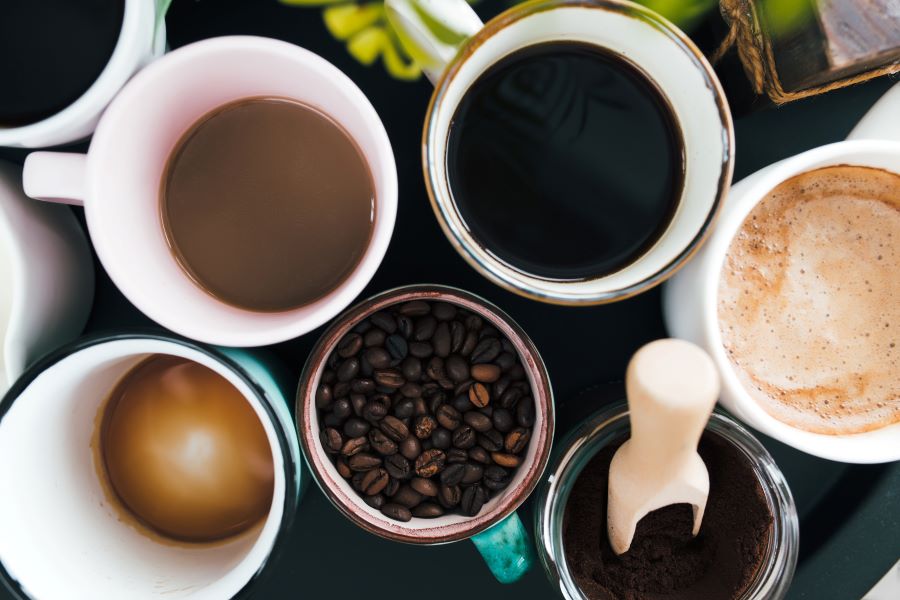
Caffeinated beverages, such as coffee, tea, and energy drinks, can stimulate the digestive system and increase bowel movements. Coffee, tea, cocoa, and veggie or energy drinks stimulated food emptying and thus promoted bowel movements. Although caffeine is a diuretic agent, the concern will be exacerbated even in diarrhoea.
Useful Tools to Track Your Health
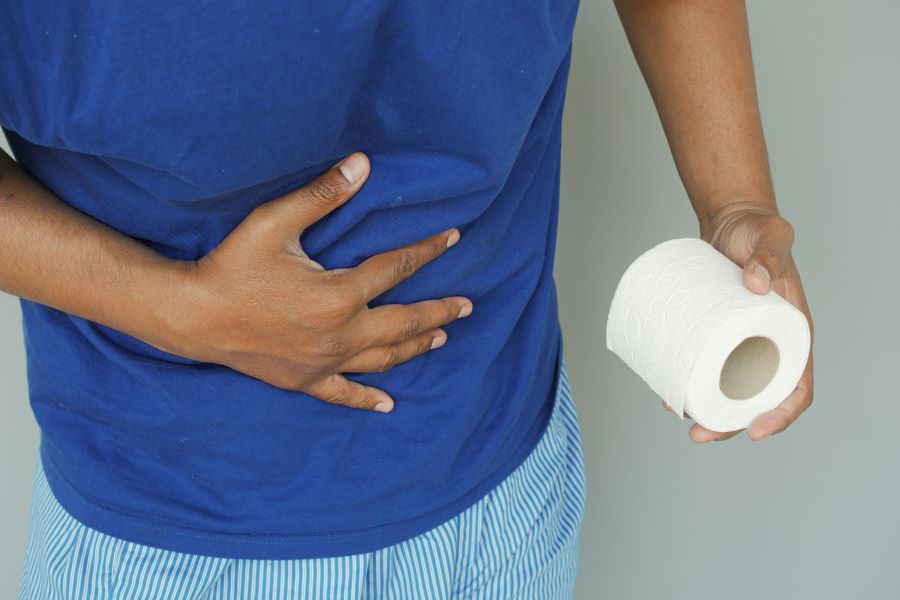
Diarrhoea is a short-term issue in your digestive tract that results in liquid or watery stool excretion.
Several factors can cause diarrhoea or stomach upset. Some of them are as follows:
Management of diarrhoea requires maximum restoration of fluids and normalisation of electrolyte levels. For example, start with oral fluids filled with water oral rehydration solutions, or clear soups to avoid dehydration. Medications such as loperamide can be used to reduce stool frequency and offer comfort.
Intentional seeking treatment is required when diarrhoea lasts more than a few days/worse persists or if there are other symptoms along with it. Do not use antibiotics without a prescription because they could make things worse. For persistent diarrhoea, regular washing and safe food can help among patients.
Apart from consuming proper foods for diarrhoea, you should remember the following tips. These tips will ensure that your condition does not worsen and improve your overall health.
Diarrhoea is a pervasive digestive disorder that lasts for a day or two. Following an essential diarrhoea diet and hydrating yourself are key ways to recover in a short time. However, if the condition lasts longer than usual, consult a doctor for a quick examination.
Including the above best foods for diarrhoea in your diet will cure you and make you less prone to stomach upset.
Protect What Matters - Explore Other Insurance Options
To manage diarrhoea, focus on bland, easy-to-digest foods like bananas, rice, applesauce, toast, and boiled potatoes. These foods help firm up stools and reduce bowel movements, providing relief.
Avoiding milk and dairy products during diarrhoea, especially if lactose intolerant, is generally best. Dairy can worsen symptoms by increasing stool liquidity and causing further gastrointestinal discomfort.
Spicy foods should be avoided during diarrhoea as they can irritate the gastrointestinal tract and worsen symptoms.
Caffeinated beverages, including coffee and tea, should be avoided as caffeine can stimulate the digestive system and worsen diarrhoea.
Hydration is crucial when managing diarrhoea as it helps replace lost fluids and electrolytes. Drinking clear broths, oral rehydration solutions, and water helps prevent dehydration and supports recovery.
Yes, probiotics can be beneficial during diarrhoea as they help restore the balance of healthy gut bacteria. Foods like yogurt with live cultures can aid in digestion and support recovery.
Avoid alcohol, caffeinated beverages, and sugary drinks during diarrhoea. These can irritate the digestive system, worsen dehydration, and exacerbate symptoms, making recovery more difficult.
Almond milk and other dairy substitutes can be better options if you’re lactose intolerant. However, ensure they are not sweetened or high in additives that could potentially irritate the digestive system.
Yes, high-fibre vegetables such as raw carrots or broccoli should be avoided as they can increase bowel movements and exacerbate diarrhoea.
Once diarrhoea improves, slowly reintroduce regular foods. Start with bland, easily digestible foods and gradually add more complex items as symptoms subside. Monitor your body’s response to each food to ensure it doesn’t trigger a recurrence.