General
Life
Accessibility Options


General

General Products
Simple & Transparent! Policies that match all your insurance needs.
 Car Insurance
 Two Wheeler Insurance
 Commercial Vehicle Insurance
 Health Insurance
 Home Insurance
 Travel Insurance
 Business Insurance
Car Insurance
Two Wheeler Insurance
Commercial Vehicle Insurance
Health Insurance
Travel Insurance
Business Insurance
Car Insurance
Two Wheeler Insurance
Commercial Vehicle Insurance
Health Insurance
Travel Insurance



Scan to download

Life

Life Products
Digit Life is here! To help you save & secure your loved ones' future in the most simplified way.
 Term Life
 Savings Plan
 Retirement and Pension Plans
 Group Life Products
 Product Documents
Term Life
Savings Plan
Retirement and Pension Plans
Group Life Products
Product Documents
Term Life
Savings Plan
Retirement and Pension Plans
Group Life Products

Scan to download

Claims

Claims
We'll be there! Whenever and however you'll need us.
 Customer Support
 Motor Claims
Health Claims
Motor Claims
Health Claims
 Marine Insurance
 Grievance Redressal
Customer Support
Motor Claims
Health Claims
Marine Insurance
Grievance Redressal
Grievance Redressal
Customer Support
Motor Claims
Health Claims
Marine Insurance
Grievance Redressal

Scan to download
 General
 Life
General
Life
Life
General
Life
Renewals
Resources

Resources
All the more reasons to feel the Digit simplicity in your life!
Exclusive Features
 Transparency Report
Others
Exclusive Features
Transparency Report
Transparency Report
Others
Exclusive Features
Transparency Report
Scan to download


Our WhatsApp number cannot be used for calls. This is a chat only number.

 Grey Scale
 Readable Text
 Reset
Reset



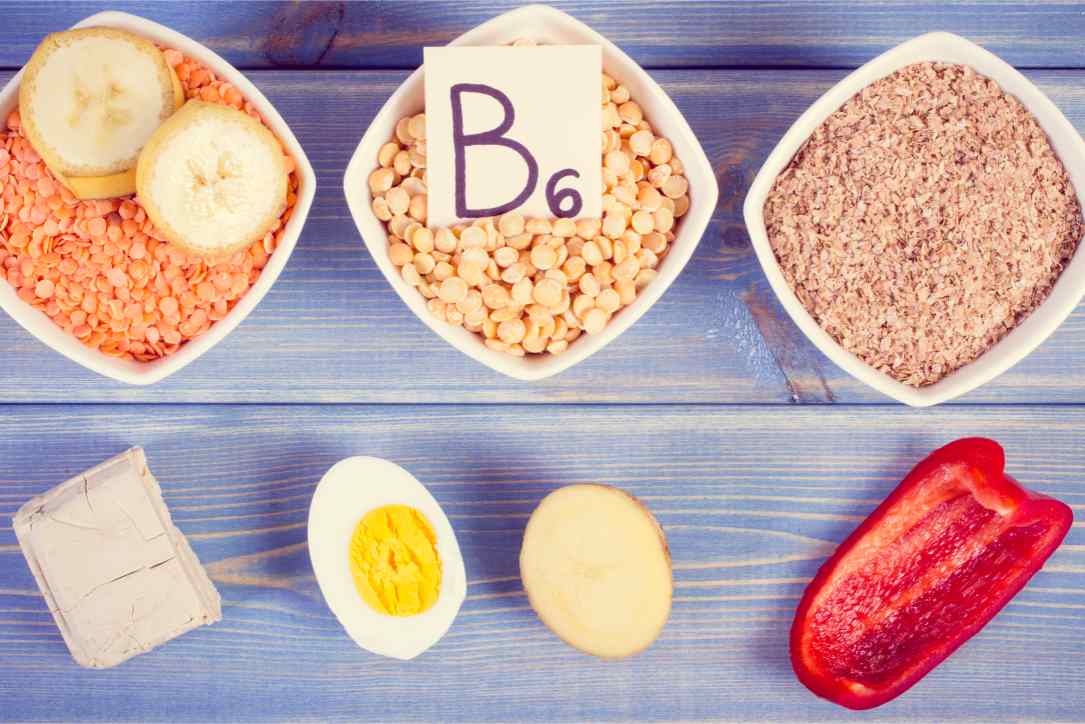
Vitamin B6 deficiency can lead to mood instability, depression, Alzheimer's disease, anaemia, PMS, nausea during pregnancy, cancer and many more issues. Dietary intake of vitamin B6 foods at a recommended level can help to combat these diseases.
You will find several lists of vitamin B6 rich foods in this piece. Read along!
Before that, let's learn some important functions of vitamin B6.

Table of Contents

Vitamin B6 is a water-soluble vitamin found in many foods such as cereals, meat, vegetables, beans, and eggs.
It is one of the eight B vitamins that acts as a co-enzyme and performs various tasks in the body. Vitamin B6 is associated with more than 100 enzymatic reactions and mostly works on protein metabolism.
Vitamin B6 (also known as pyridoxine) plays a crucial role in cognitive development in regulating homocysteine levels. In addition, this B-group vitamin is actively involved in haemoglobin formation, gluconeogenesis and glycogenolysis, and immune function.
From the versatile functions and benefits of Vitamin B6, individuals can understand the necessity of consuming foods containing vitamin B6.
Read on to know some of the best vitamin B6 food sources.
Your regular diet should provide you with all the vitamin B6 you require. The naturally occurring microorganisms in your colon can also produce vitamin B6. Many different foods contain vitamin B6, such as:
pork
poultry, such as chicken or turkey
some fish
peanuts
soya beans
wheatgerm
oats
bananas
milk
some fortified breakfast cereals.
Wondering in which food vitamin B6 is found?
The following vitamin B6 foods list will answer all your queries!
But, before we discuss vitamin B6 sources separately, take a glance at the foods containing the highest level of B6.
Mamey Sapote (fruit) has the highest level of B6 (0.7 mg), which accounts for 42% DV.
Dried Pasilla Peppers (vegetable) has 4.2 mg vitamin B6, which accounts for 249% DV.
Note: % DV refers to Percent Daily Value. This code on the food label explains what nutrients are available in one serving of a particular food. For example, if a food label states 2% DV vitamin B6, it means it supplies 2% of nutrients in one serving that individuals need to take each day.
Below are mentioned the vitamin B6 foods separately, along with their nutrient levels and recommended state of consumption.
Take a look!
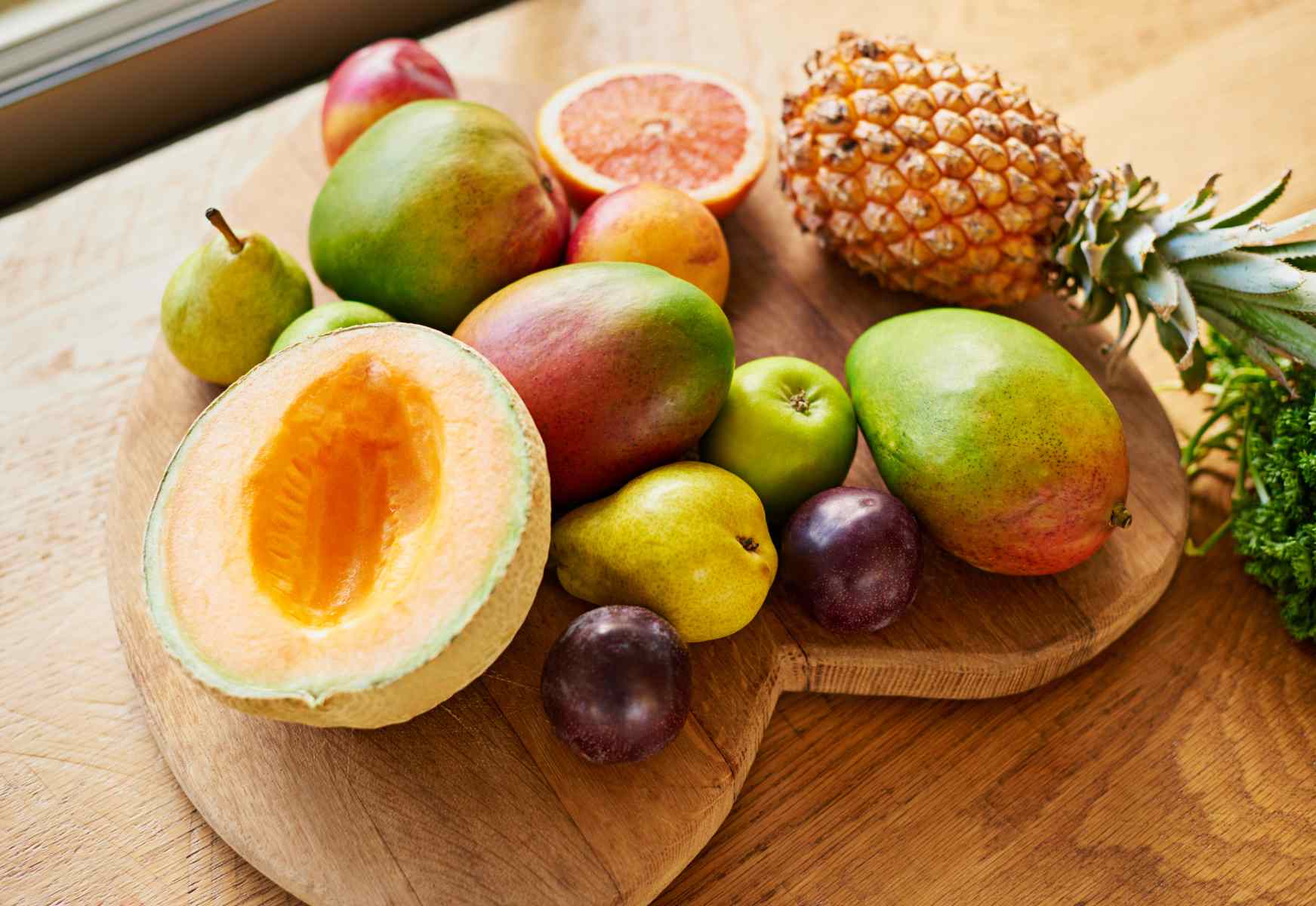
Vitamin B6 is present in a wide variety of fruits. Here is a list of vitamin B6 rich fruits.
Data source: [1]
SNo. |
Fruits | Vitamin B6 Content |
| 1 | Mamey sapote | 0.7 mg 42% DV |
| 2 | Prunes | 0.7 mg 42% DV |
| 3 | Low-moisture apricots (Dried) | 0.5 mg 31% DV |
| 4 | Bananas | 0.4 mg 22% DV |
| 5 | Durian | 0.3 mg 19% DV |
| 6 | Plantains green (Fried) | 0.3 mg 16% DV |
| 7 | Yellow plantains (fried) | 0.3 mg 17% DV |
| 8 | Jackfruit | 0.3 mg 19% DV |
| 9 | Apples dehydrated (low moisture), sulphured (uncooked) | 0.3 mg 16% DV |
| 10 | Cherimoya | 0.3 mg 15% DV |
| 11 | Sweetened mango (dried) | 0.3 mg 20% DV |
| 12 | Avocados | 0.3 mg 15% DV |
| 13 | California avocados | 0.3 mg 17% DV |
| 14 | Zante currants | 0.3 mg 17% DV |
| 15 | Golden seedless raisins | 0.3 g 19% DV |
| 16 | Lemon peel (raw) | 0.2 mg 10% DV |
| 17 | Casaba melon | 0.2 mg 10% DV |
| 18 | Plantains (cooked) | 0.2 mg 12% DV |
| 19 | Dates | 0.2 mg 10% DV |
| 20 | Pineapple (traditional) | 0.1 mg 6% DV |
Those looking for the best vitamin B6 fruits in India can choose bananas and avocados as they contain a high level of this essential nutrient.
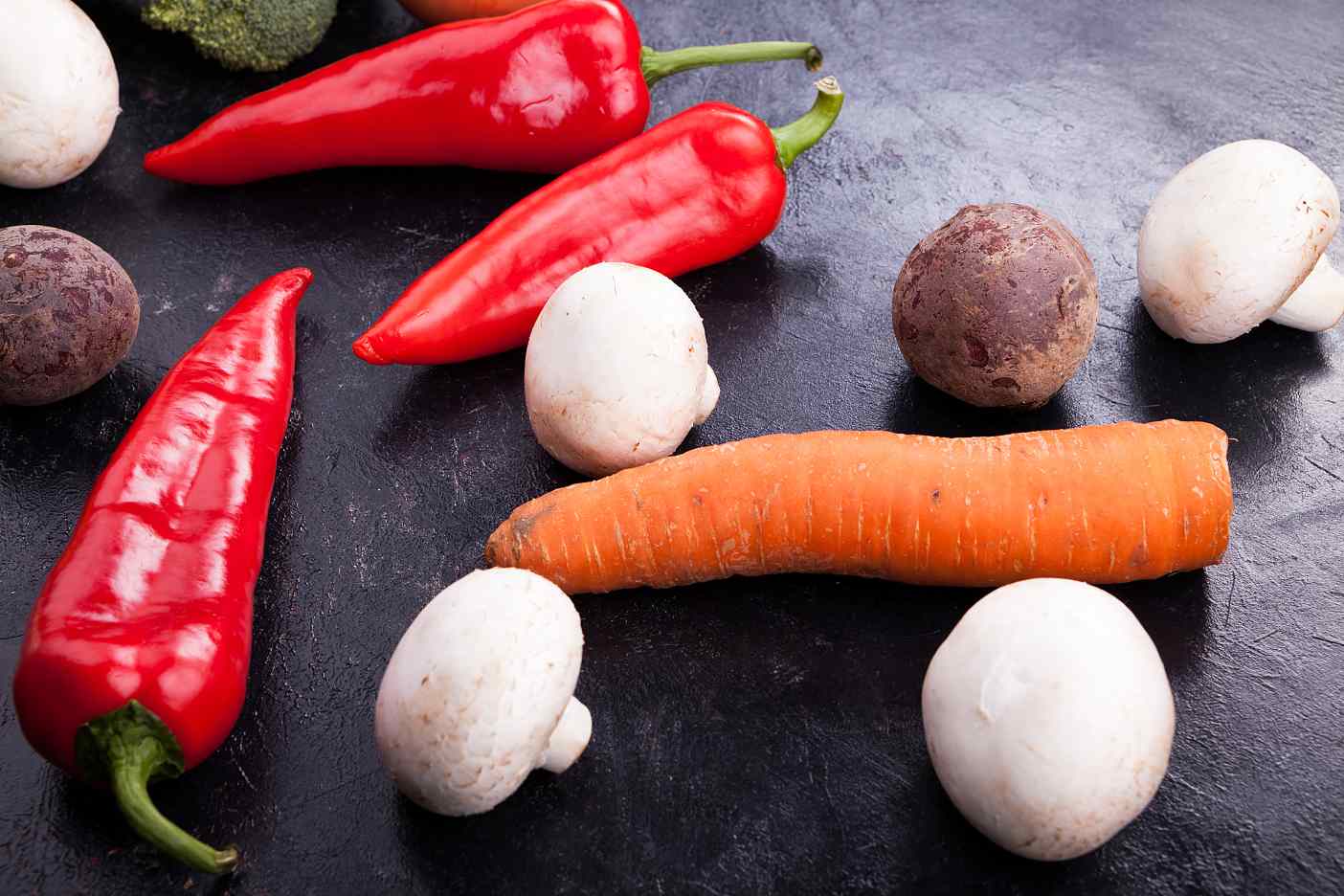
Most of the vegetables contain a decent amount of vitamin B6, but some vegetables have a higher level of this nutrient.
Thinking about which vegetables have vitamin B6 at a significant amount?
Read through the following list of vitamin B6 rich vegetables to get a comprehensive idea.
Data source: [2]
SNo. |
Vegetables | Vitamin B6 Content |
| 21 | Pasilla peppers (dried) | 4.2 mg 249% DV |
| 22 | Ancho peppers (dried) | 3.5 mg 208% DV |
| 23 | Peppers, sweet, red, freeze (dried) | 2.2 mg 131% DV |
| 24 | Chives (dried) | 2 mg 117% DV |
| 25 | Shallots, freeze (dried) | 1.7 mg 99% DV |
| 26 | Onions dehydrated flakes | 1.6 mg 94% DV |
| 27 | Parsley (Freeze-dried) | 1.4 mg 81% DV |
| 28 | Garlic | 1.2 mg 73% DV |
| 29 | Drumstick leaves (raw) | 1.2 mg 71% DV |
| 30 | Leeks (bulb and lower-leaf portion) (freeze-dried) | 1.2 mg 71% DV |
| 31 | Carrot (dehydrated) | 1 mg 61% DV |
| 32 | Pepeao (dried) | 1 mg 56% DV |
| 33 | Shiitake mushrooms (dried) | 1 mg 57% DV |
| 34 | Hearts of Palm (raw) | 0.8 mg 48% DV |
| 35 | Potato flour | 0.8 mg 45% DV |
| 36 | Radishes (oriental dried) | 0.6 mg 36% DV |
| 37 | Fireweed leaves (raw) | 0.6 mg 37% DV |
| 38 | Jute potherb (raw) | 0.6 mg 35% DV |
| 39 | Kanpyo | 0.5 mg 31% DV |
| 40 | Hungarian peppers | 0.5 mg 30% DV |
From the list mentioned above, individuals can learn which vegetable has vitamin B6 and the amount as well.
Till now, we have discussed the various vitamin B6 fruits and vegetables. Next, let's focus on how much vitamin B6 is present in meats, nuts and seeds, oils, etc.
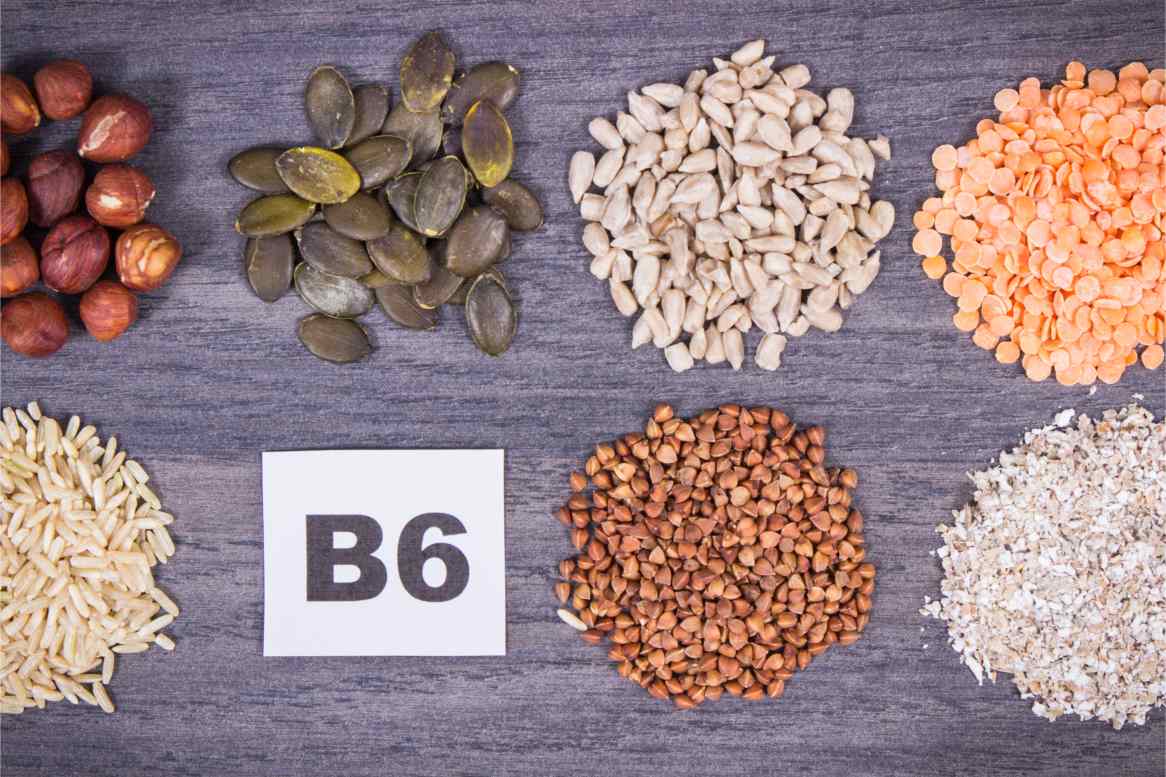
Have these nuts or seeds as a snack or a morning ritual to energise your day. Here are the top nuts and seeds rich in vitamin B6.
Data source: [3]
SNo. |
Seeds and Nuts | Vitamin B6 Content |
| 41 | Pistachio nuts | 1.7 mg 100% DV |
| 42 | Sunflower seeds (dried) | 1.3 mg 79% DV |
| 43 | Safflower seeds | 1.2 mg 69% DV |
| 44 | Pistachio nuts (Roasted dry) | 1.1 mg 66% DV |
| 45 | Sunflower seeds (Roasted dry) | 0.8 mg 47% DV |
| 46 | Sesame seeds (whole dried) | 0.8 mg 47% DV |
| 47 | Breadnut tree seeds (dried) | 0.7 mg 40% DV |
| 48 | Acorns (dried) | 0.7 mg 41% DV |
| 49 | Chestnuts (European, dried and unpeeled) | 0.7 mg 39% DV |
| 50 | Beechnuts (dried) | 0.7 mg 40% DV |
| 51 | Chinese chestnuts (dried) | 0.7 mg 39% DV |
| 52 | Japanese chestnuts (dried) | 0.7 mg 39% DV |
| 53 | Butternuts (dried) | 0.6 mg 33% DV |
| 54 | Hazelnuts | 0.6 mg 33% DV |
| 55 | Hemp seeds | 0.6 mg 35% DV |
| 56 | Lotus seeds (dried) | 0.6 mg 37% DV |
| 57 | Ginkgo nuts (dried) | 0.6 mg 38% DV |
| 58 | Black walnuts (dried) | 0.6 mg 34% DV |
| 59 | Flax seeds | 0.5 mg 28% DV |
SNo. |
Animal and Seafood | Vitamin B6 Content |
| 60 | Skipjack (cooked) | 1 mg 58% DV |
| 61 | Yellowfin tuna (cooked) | 1 mg 61% DV |
| 62 | Skipjack tuna (raw) | 0.9 mg 50% DV |
| 63 | Atlantic cod (dried salted) | 0.9 mg 59% DV |
| 64 | Wild Atlantic salmon (raw) | 0.8 mg 48% DV |
| 65 | Whelk (cooked) | 0.7 mg 38% DV |
| 66 | Ruffed Grouse breast meat, skinless (raw) | 1.3 mg 75% DV |
| 67 | Chicken Broiler or Fryer's breast skinless, boneless meat only cooked grilled | 1.2 mg 68% DV |
| 68 | Fat-free ground turkey | 1.1 mg 64% DV |
| 69 | Canada Goose breast meat skinless (raw) | 1.1 mg 63% DV |
| 70 | Beef variety meats and by-products liver (raw) | 1.1 mg 64% DV |
| 71 | Emu full rump cooked broiled | 1 mg 58% DV |
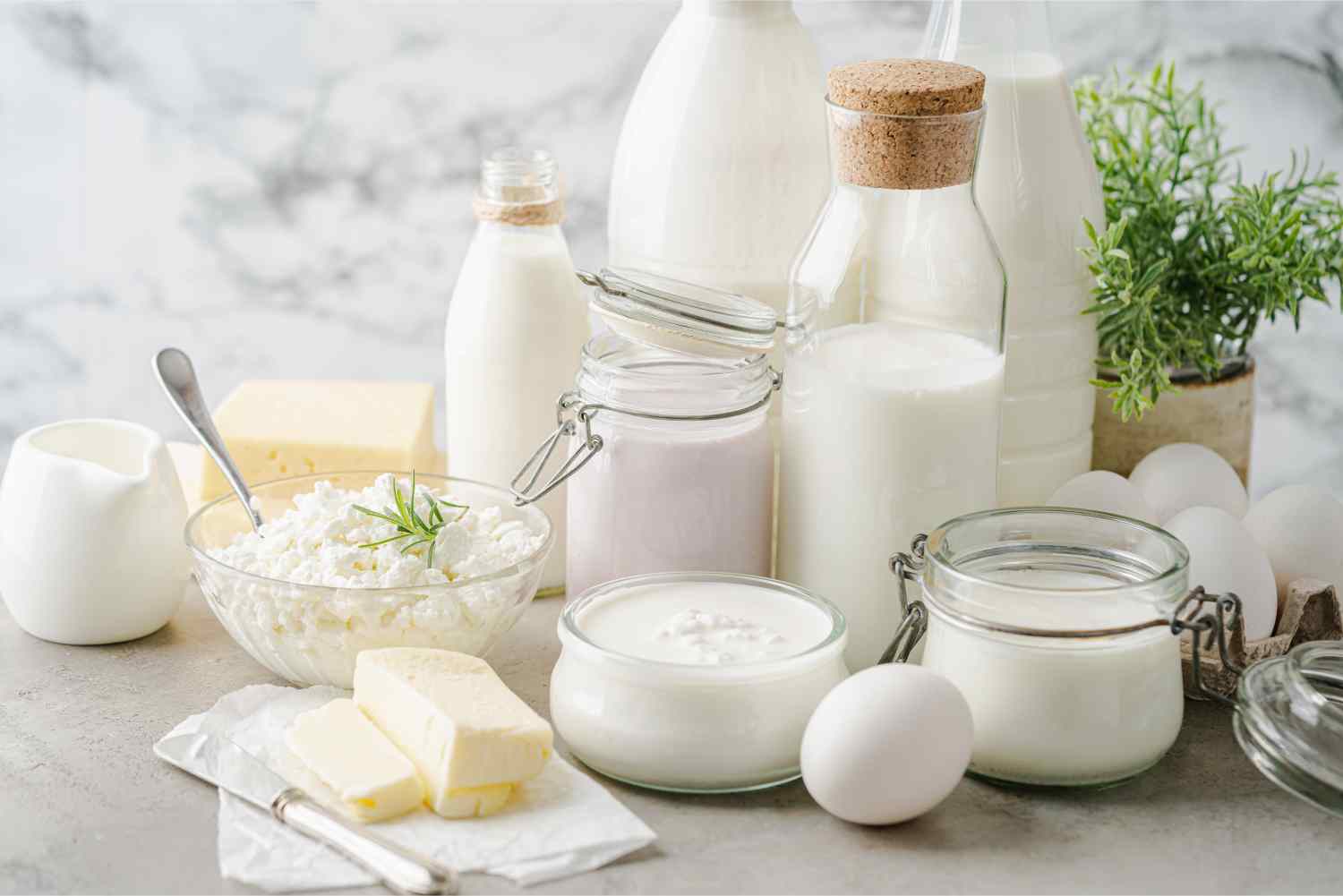
This list of dairy and egg products will give you a clear idea about what you need to buy to add to your daily breakfast regime. Try any of these to get the most vitamin B6 content in your body.
Data source: [7]
SNo. |
Dairy and Egg Products | Vitamin B6 Content |
| 72 | Egg yolk (dried) | 0.4 mg 44% DV |
| 73 | Whey powder (Acid) (dried) | 0.6 mg 36% DV |
| 74 | Sweet whey powder (dried) | 0.6 mg 34% DV |
| 75 | Non-fat American cheese | 0.6 mg 33% DV |
| 76 | Eggs (dried) | 0.5 mg 29% DV |
| 77 | Feta cheese | 0.4 mg 25% DV |
| 78 | Egg yolk (raw) | 0.4 mg 21% DV |
| 79 | Buttermilk (dried) | 0.3 mg 20% DV |
Digging the internet with “which oil contains vitamin B6?”
Then, read the list mentioned below!
Data source: [4]
SNo. |
Fats and Oils | Vitamin B6 Content |
| 80 | Margarine-like vegetable oil spread, 60% fat tub with salt | 3.8 mg, 221% DV |
| 81 | Margarine-like vegetable oil spread, 60% fat tub with salt with added vitamin D | 3.8 mg, 221% DV |
| 82 | Margarine-like spread whipped tub salted | 3.2 mg, 188% DV |
| 83 | Table fat Nfs | 1.5 mg, 88% DV |
| 84 | Oil or table fat Nfs | 0.8 mg, 44% DV |
| 85 | Margarine-like vegetable oil spread unspecified oils approximately 37% fat with salt | 0.4 mg, 23% DV |
| 86 | Salad dressing mayonnaise soybean and safflower oil with salt | 0.6 mg, 34% DV |
| 87 | Salad dressing Italian dressing commercial regular | 0.1 mg, 4% DV |
| 88 | Salad dressing Italian dressing reduced fat without salt | 0.1 mg, 4% DV |
| 89 | Salad dressing bacon and tomato | 0.1 mg, 5% DV |
| 90 | Dressing honey mustard fat-free | 0.1 mg, 3% DV |
| 91 | Korean dressing or marinade | 0.1 mg, 4% DV |
| 92 | Italian salad dressing | 0.1 mg, 3% DV |
| 93 | Fatback (Cooked) | 0.1 mg, 4% DV |
| 94 | Salad dressing peppercorn dressing commercial regular | 0.1 mg, 4% DV |
| 95 | Low-fat French salad dressing | 0.1 mg, 3% DV |
| 96 | Russian Dressing | 0.1 mg, 6% DV |
| 97 | Salad dressing, French dressing, reduced-fat | 0.1 mg, 3% DV |
| 98 | Cream, half-and-half | 0.1 mg, 3% DV |
| 99 | Cream Ns as to light heavy, or half-and-half | 0.1 mg, 3% DV |
If you are thinking about how to increase Vitamin B6, follow the chart mentioned below. It will help you learn about healthy individuals' average daily intake (that is adequate to meet the nutrient demand).
This average daily intake is known as Recommended Dietary Allowance (RDA).
Age |
Daily Intake Level |
| 0-6 months | 0.1 mg for males and females |
| 7-12 months | 0.3 mg for males and females |
| 1-3 years | 0.5 mg for males and females |
| 4-8 years | 0.6 mg for males and females |
| 9-13 years | 1 mg for males and females |
| 14-18 years | 1.2 mg for females and 1.3 mg for males |
| 19-50 years | 1.3 mg for males and females |
| 51+ | 1.5 mg for females and 1.7 mg for males |
With this, our discussion on vitamin B6 foods comes to an end. Read the foods listed above and plan your diet chart accordingly.
Calculate Your Health Metrics Instantly
By incorporating foods rich in vitamin B6 into your diet, you can enjoy these health benefits and support your overall well-being. Including vitamin B6 rich food in your diet is necessary for your well-being. Here are the health benefits of including vitamin B6 rich foods:
Vitamin B6 is essential for synthesising neurotransmitters like serotonin, dopamine, and gamma-aminobutyric acid (GABA), which are crucial in mood regulation and cognitive function.
Vitamin B6 helps maintain brain function, including memory, concentration, and overall cognitive performance, by aiding in the production of neurotransmitters.
Adequate levels of vitamin B6 are associated with improved mood and may help reduce symptoms of depression and anxiety by supporting neurotransmitter balance.
Vitamin B6 helps regulate homocysteine levels in the blood. Elevated homocysteine levels are linked to an increased risk of heart disease, so consuming B6 rich foods may help maintain cardiovascular health.
Vitamin B6 supports the immune system by assisting in the production of antibodies, which help the body fight off infections and diseases.
Vitamin B6 is involved in the metabolism of proteins, carbohydrates, and fats, helping the body convert food into energy and supporting overall metabolic function.
Adequate vitamin B6 intake during pregnancy is important for developing the foetus's brain and nervous system. It also helps alleviate symptoms of nausea and vomiting commonly experienced during pregnancy.
Vitamin B6 contributes to collagen production, a protein essential for maintaining the skin's elasticity and integrity. Thus, it supports overall skin health.
Make delicious dishes using vitamin B6 rich foods. Here are different ways to include vitamin B6 rich foods in your diet, along with a description of each dish:
Grilled chicken breast is a lean source of protein rich in vitamin B6, while quinoa provides complex carbohydrates and additional B6l.
Salmon is a great source of protein and vitamin B6. Avocado adds healthy fats and more B6 to the dish.
Bananas are a natural source of vitamin B6, and peanut butter adds protein and healthy fats to the smoothie, perfect for breakfast or as a post-workout snack.
Chickpeas are high in vitamin B6, and when roasted, they become crunchy and flavorful, making a nutrient-rich salad perfect for lunch or dinner.
Sweet potatoes are packed with vitamin B6 and other nutrients, while lean ground turkey provides protein, making it a comforting option for a cold evening meal.
Recognising the symptoms early and addressing potential deficiencies through dietary changes or supplementation can help prevent further complications and restore optimal health. Here's a detailed explanation of each symptom of vitamin B6 deficiency:
It's important to ensure an adequate intake of vitamin B6 through a balanced diet to mitigate risks. In some cases, supplementation may be necessary. Insufficient intake of vitamin B6 can lead to various health risks and complications, including:
Without enough B6, metabolic processes may be disrupted, leading to imbalances in energy production and nutrient utilisation.
Insufficient B6 levels may increase the risk of congenital disabilities and complications, such as preterm birth or low birth weight.
Deficiency may contribute to symptoms of depression, anxiety, or mood swings.
Insufficient intake may impair concentration, memory, and cognitive function, increasing the risk of cognitive decline and dementia in the long term.
Vitamin B6 deficiency can lead to skin problems such as dermatitis, eczema, or other inflammatory skin conditions due to impaired immune function and skin integrity.
Insufficient B6 intake may weaken immune function, increasing susceptibility to infections and illnesses.
Inadequate intake of vitamin B6 can result in elevated levels of homocysteine, an amino acid linked to an increased risk of cardiovascular disease, including heart attacks and strokes.
Vitamin B6 deficiency can affect nerve function, leading to symptoms like numbness, tingling, or pain in the hands and feet, a condition known as peripheral neuropathy.
Without sufficient B6, the body may not produce enough haemoglobin, leading to anaemia, which is characterised by fatigue, weakness, and pale skin.
Excessive intake of vitamin B6, usually from supplements, can lead to several side effects and potential health risks, including:
Even in high doses, vitamin B6 appears safe when consumed in food. It is also safe as a supplement in recommended dosages when taken as directed by a doctor. Prolonged high-dose consumption may result in nerve damage.
Before beginning any new supplement regimen, you should speak with a healthcare provider to ensure it's safe for your needs. A committed vegetarian may also need to consume meals fortified with vitamin B6 or a vitamin supplement.
Both adults and infants need vitamin B6 to maintain a healthy life. Below is mentioned certain medical conditions that demand regular intake of vitamin B6.
Individuals having a poor renal function
Individuals with alcohol dependence
Patients with an autoimmune disorder
Individuals who are obese, etc.
Most people get the recommended dosage of vitamin B6 by eating a balanced, healthy diet. Severe vitamin B6 deficiency is rare. However, vitamin B6 supplements may be necessary for those who have specific medical disorders, like kidney illness, malabsorption syndrome, and drinking issues. When it is impossible to meet needs for one or more nutrients, fortified foods and dietary supplements can be helpful.
Protect What Matters - Explore Other Insurance Options