General
Life
Accessibility Options


General

General Products
Simple & Transparent! Policies that match all your insurance needs.
 Car Insurance
 Two Wheeler Insurance
 Commercial Vehicle Insurance
 Health Insurance
 Home Insurance
 Travel Insurance
 Business Insurance
Car Insurance
Two Wheeler Insurance
Commercial Vehicle Insurance
Health Insurance
Travel Insurance
Business Insurance
Car Insurance
Two Wheeler Insurance
Commercial Vehicle Insurance
Health Insurance
Travel Insurance



Scan to download

Life

Life Products
Digit Life is here! To help you save & secure your loved ones' future in the most simplified way.
 Term Life
 Savings Plan
 Retirement and Pension Plans
 Group Life Products
 Product Documents
Term Life
Savings Plan
Retirement and Pension Plans
Group Life Products
Product Documents
Term Life
Savings Plan
Retirement and Pension Plans
Group Life Products
Scan to download

Claims

Claims
We'll be there! Whenever and however you'll need us.
 Customer Support
 Motor Claims
Health Claims
Motor Claims
Health Claims
 Marine Insurance
 Grievance Redressal
Customer Support
Motor Claims
Health Claims
Marine Insurance
Grievance Redressal
Grievance Redressal
Customer Support
Motor Claims
Health Claims
Marine Insurance
Grievance Redressal

Scan to download
 General
 Life
General
Life
Life
General
Life
Renewals
Resources

Resources
All the more reasons to feel the Digit simplicity in your life!
Exclusive Features
 Transparency Report
Others
Exclusive Features
Transparency Report
Transparency Report
Others
Exclusive Features
Transparency Report
Scan to download


Our WhatsApp number cannot be used for calls. This is a chat only number.

 Grey Scale
 Readable Text
 Reset
Reset



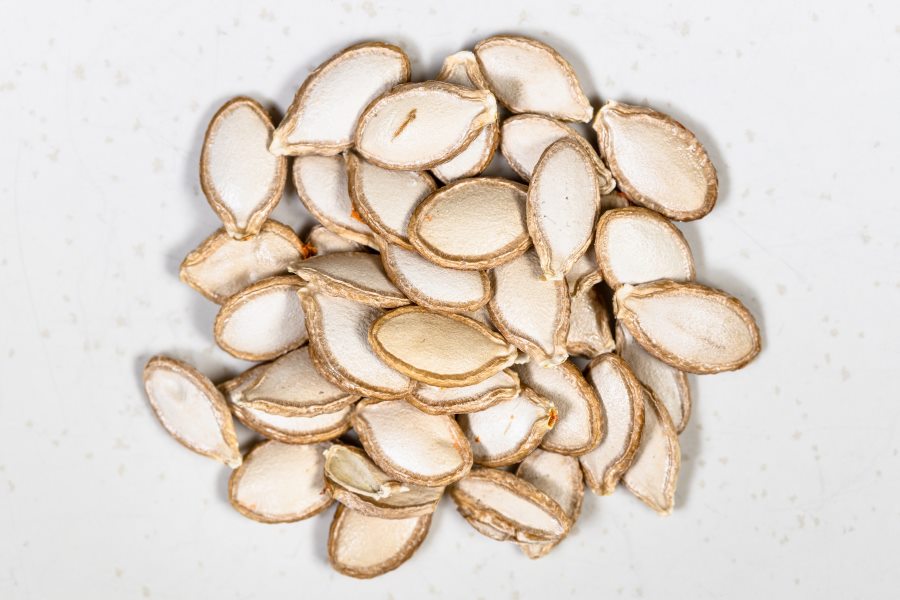
Pumpkin seeds are flat, oval-shaped, edible seeds available in the market in various flavours and packs. While these are highly nutritious for the body, benefiting it by curing various problems, not all seeds are nutritious in nature.
These seeds contain fibre, protein, fats, calories, and important minerals, including magnesium, iron, potassium, manganese, zinc, sodium, etc. People have them daily as these seeds are excellent for heart health, help induce weight loss, and prevent cancer. To learn more about the health benefits of pumpkin seeds, read the full piece!

Table of Contents

There are various variants available in the market in which you can consume pumpkin seeds like coated, flavoured, roasted, battered etc. However, to derive the maximum benefits from these seeds, it is best to have them plain, raw and unsalted. Find the benefits you can enjoy by adding it to your daily diet below:
There are anti-inflammation benefits of eating pumpkin seeds due to the antioxidant properties present in them. It helps reduce inflammation in the body by protecting the skin cells from the damage of free radicals. Moreover, it is also a rich source of Vitamin A and carotenoids, protecting you from numerous diseases.
Consuming pumpkin seeds on a daily basis can also help you prevent your diabetic condition. This problem mainly arises due to increased blood sugar levels and bad cholesterols in the body. However, with the help of hypoglycemic properties, the body is able to manage the sugar level better and relieve the symptoms of diabetes.
One of the biggest advantages of pumpkin seeds is that it reduces the chances of developing breast, gastric, and colorectal cancer. It is possible due to the presence of powerful antioxidants in these nutritious seeds. Apart from this, the presence of carotenoids prevents prostate cancer.
Another benefit of adopting pumpkin seeds in your daily routine is burning fat and gaining muscle. After you consume them, it keeps your stomach full for a long time and provides your body with important minerals like fibres, protein and zinc. Fibres are good for your gut health and prevent the urge to snack the whole day. On the other hand, zinc burns extra fat accumulated in your body and offers various other health benefits.
One of the most significant advantages of eating pumpkin seeds is that it is cardio-protective. This is because they are a primary source of unsaturated fats, including ALA or Alpha-Linolenic Acid. As a result, it helps keep the heart healthy and prevents it from developing cardiovascular diseases.
In fact, some researchers also found that by consuming pumpkin seeds daily, the level of good cholesterol in the body increased, and blood pressure levels came to normal. In addition, the level of magnesium also improved.
If you have a problem sleeping or if your sleep cycle is not correct, you can benefit from eating pumpkin seeds due to the presence of amino acid tryptophan. Apart from this, these seeds also serve as a rich source of magnesium and zinc that creates a healthy sleep pattern that further improves the quality of your sleep. As a result, you feel more energetic to complete your next day's work.
You can even use these seeds to relieve the symptoms of BPH (Benign Prostatic Hyperplasia). In fact, studies have also found that by eating pumpkin seeds daily, you can prevent the occurrence of urinary disorders. However, further details are yet to be confirmed.
High in dietary fibre, pumpkin seeds promote healthy digestion. Fibre helps maintain regular bowel movements and prevent constipation. It also supports gut health by feeding beneficial bacteria.
The nutrients in pumpkin seeds promote healthy hair. These nutrients support hair growth, strength, and shine. They can help reduce hair loss and thinning. Regular consumption contributes to overall hair wellness.
Pumpkin seeds contain antioxidants and healthy fats that support liver function. These nutrients help detoxify the liver and protect it from damage. Regular consumption can promote liver health.
The phytoestrogens in pumpkin seeds help balance hormones, particularly in women. They can alleviate symptoms of menopause and improve menstrual health. This can be beneficial for reproductive health.
The antioxidants and healthy fats in pumpkin seeds support brain health. They improve memory, focus, and overall cognitive function. Regular consumption can enhance cognitive abilities. This can be beneficial for ageing adults.
Pumpkin seeds contain antioxidants and compounds that may reduce cancer risk. These include phytosterols and lignans, which have anti-cancer properties. Including them in your diet can support long-term health.
The following is the nutritional value of pumpkin seeds that you can extract by consuming 15 grams or 1 tablespoon of pumpkin seeds daily:
Calculate Your Health Metrics Instantly
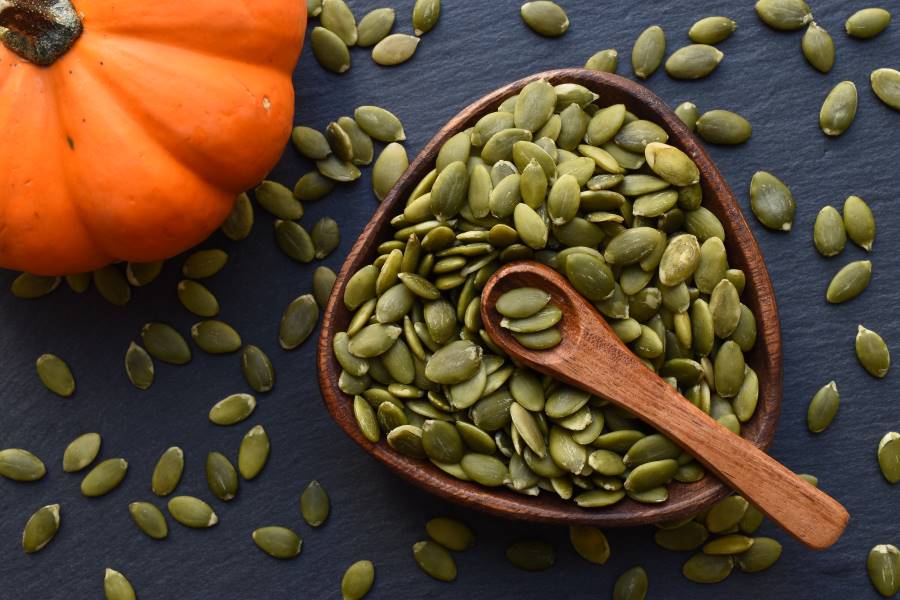
Pumpkin seeds are highly versatile to have. So you can incorporate them into your daily diet easily. However, while some like to have it raw and unsalted, others like to try different recipes. Some of the ideas of how to consume it daily are as follows:
When preparing a fruit salad or veggie salad, mix and pair it with pumpkin seed for added nutritional benefits. Not only this, but it also gives a nutty texture to your salad which many enjoy.
To include some extra elements in your soup, you can add pumpkin seeds. However, if you do not like your soup to be crunchy, you can also grind the seeds into powder and add it. It will not lose its nutrition in both cases.
If you are a big fan of smoothies or shakes, you can also have pumpkin seeds daily by adding them to your drink. It makes your shake much more nutritious and helps you prepare for the full day's work. You just need to add one tablespoon of seed into your smoothie mixture while blending it for this purpose.
You can also adopt pumpkin seeds to your daily routine by baking them with your bread. The only extra step you need to take for this is adding pumpkin seed to your bread's dough. It gives an extra taste and crunch to it.
Blend pumpkin seeds into your smoothies for an extra dose of protein, fibre, and healthy fats. They can be added directly or as homemade pumpkin seed butter. This addition not only boosts the nutritional content but also gives your smoothie a creamy texture.
Incorporate pumpkin seeds into your baking recipes, such as muffins and cookies. They add a crunchy texture and a nutty flavour to your baked goods. You can use them whole or ground, depending on your preference.
Create a homemade trail mix by combining pumpkin seeds with nuts, dried fruits, and dark chocolate. It's a versatile and healthy snack option that you can customize to your liking. Perfect for on-the-go snacking, trail mix with pumpkin seeds provides a balanced mix of nutrients.
You will not face any issues by consuming pumpkin seeds daily as long as it is incorporated into your diet in a safe quantity. However, if you go overboard, it may result in the following health risks:
Individuals falling under the following categories should avoid eating pumpkin seeds -
This is all the information you can find on the health benefits of pumpkin seeds. So, if you find you have a problem relating to blood sugar level and have a chance of developing cancer or bladder problems, then start eating pumpkin seeds daily. Some of the ways you can add them to your diets are shared above. You can even take inspiration from it.
Protect What Matters - Explore Other Insurance Options