General
Life
Accessibility Options


General

General Products
Simple & Transparent! Policies that match all your insurance needs.
 Car Insurance
 Two Wheeler Insurance
 Commercial Vehicle Insurance
 Health Insurance
 Home Insurance
 Travel Insurance
 Business Insurance
Car Insurance
Two Wheeler Insurance
Commercial Vehicle Insurance
Health Insurance
Travel Insurance
Business Insurance
Car Insurance
Two Wheeler Insurance
Commercial Vehicle Insurance
Health Insurance
Travel Insurance



Scan to download

Life

Life Products
Digit Life is here! To help you save & secure your loved ones' future in the most simplified way.
 Term Life
 Savings Plan
 Retirement and Pension Plans
 Group Life Products
 Product Documents
Term Life
Savings Plan
Retirement and Pension Plans
Group Life Products
Product Documents
Term Life
Savings Plan
Retirement and Pension Plans
Group Life Products
Scan to download

Claims

Claims
We'll be there! Whenever and however you'll need us.
 Customer Support
 Motor Claims
Health Claims
Motor Claims
Health Claims
 Marine Insurance
 Grievance Redressal
Customer Support
Motor Claims
Health Claims
Marine Insurance
Grievance Redressal
Grievance Redressal
Customer Support
Motor Claims
Health Claims
Marine Insurance
Grievance Redressal

Scan to download
 General
 Life
General
Life
Life
General
Life
Renewals
Resources

Resources
All the more reasons to feel the Digit simplicity in your life!
Exclusive Features
 Transparency Report
Others
Exclusive Features
Transparency Report
Transparency Report
Others
Exclusive Features
Transparency Report
Scan to download


Our WhatsApp number cannot be used for calls. This is a chat only number.

 Grey Scale
 Readable Text
 Reset
Reset



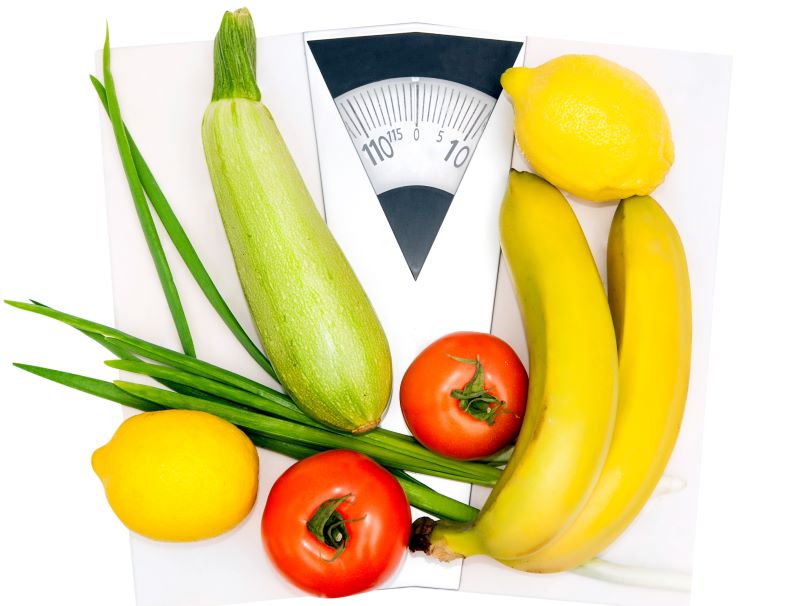
For people intent on gaining weight and faster recovery, it is vital to have a balanced diet that contains nutrient-rich foods. On the contrary, combining proteins, healthy fats, complex carbohydrates, vitamins, and minerals can positively affect muscle growth, energy replenishment, and general health.
In this guide, we'll examine the list of foods for efficient weight gain, all of which have been selected for their nutritional value and their ability to help with faster recovery. These foods will not only serve as great sources of calories but also provide you with the necessary nutrients to build muscle, regain lost weight, and improve your athletic performance.

Table of Contents

Maintaining a healthy weight is important for overall well-being. It reduces the risk of chronic diseases like diabetes, heart disease, and certain cancers. Additionally, it supports better mobility, energy levels, and mental health. A healthy weight also improves quality of life and longevity, allowing individuals to engage fully in daily activities and enjoy higher vitality.
It is very important to keep a balance in body weight; this is a process even for those trying to gain weight. Whether for the medical profession's needs, athletic merchants' or personal goals, constant weight gain is one of the important things.
Being healthy regarding weight gain is possible if your diet is balanced and there are enough plant-based foods. Introducing the appropriate meals can lead to muscle growth and fulfil the purpose of weight gain aspirations.
The food items are calorie bombs which will be provided from the necessary source while, at the same time, will solve your purpose of gaining weight. By gradually increasing their daily intake of foods along with routine exercise and shifting their lifestyle plans, you can produce the desired weight gain healthily and deliciously.
Nevertheless, here are some food suggestions to add to the diet for weight gain and their nutritional values:
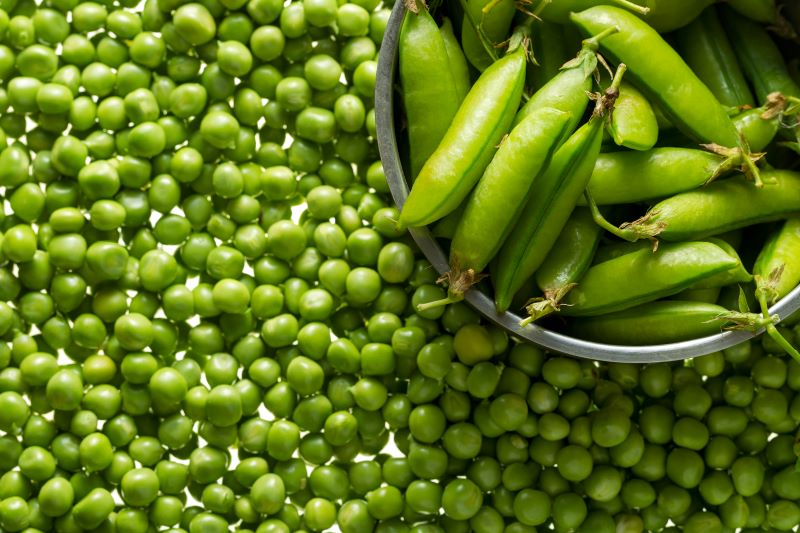
Introducing vegetables rich in protein and healthy fats can be a game-changer for weight gain. These nutrient-packed veggies contribute to your daily protein intake and provide essential fats for overall health and energy.
| SNo. | Vegetables | Description | Fat and Protein Content (per 100 g) |
| 1 | Edamame | Nutty and versatile, packed with plant-based protein and healthy fats. | Protein: 11 g Fat: 0.2 g |
| 2 | Peas | Sweet and versatile, rich in protein and healthy fats, perfect for salads or side dishes. | Protein: 5 g Fat: 5.2 g |
| 3 | Avocado | Creamy and nutritious, abundant in healthy fats and a modest amount of protein. | Protein: 2 g Fat: 15 g |
| 4 | Brussels Sprouts | Crunchy and flavourful, containing both protein and healthy fats for a balanced diet. | Protein: 3.4 g Fat: 0.3 g |
| 5 | Spinach | Nutrient-dense leafy greens with moderate protein and healthy fat content. | Protein: 2.9 g Fat: 0.4 g |
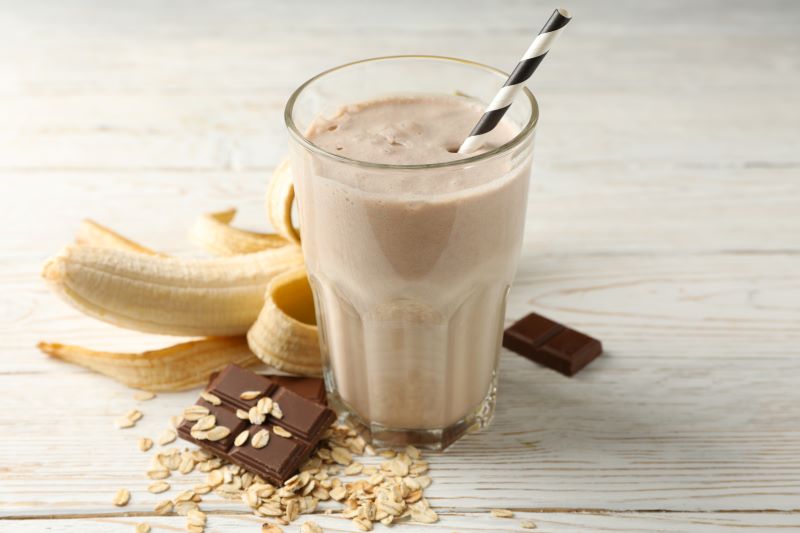
Incorporating fruits and juices rich in both fat and protein into your diet can be an effective way to support healthy weight gain. Here's a selection of nutrient-packed options:
| SNo. | Fruits and Juices | Description | Fat and Protein Content (per 100 g) |
| 6 | Banana Shake | Creamy texture, high in healthy fats. | Protein: 2 g Fat: 0.5 g |
| 7 | Coconut | Rich in healthy fats and fibre. | Protein: 3 g Fat: 33 g |
| 8 | Guava | Sweet tropical fruit, a protein source. | Protein: 2.6 g Fat: 3.9 g |
| 9 | Passionfruit | Tangy and aromatic and rich in protein. | Protein: 2.2 g Fat: 4.8 g |
| 10 | Jackfruit | Sweet and versatile, high in protein. | Protein: 2.5 g Fat: 0.4 g |
| 11 | Mango | Juicy and flavorful, contains protein. | Protein: 0.8 g Fat: 0.5 g |
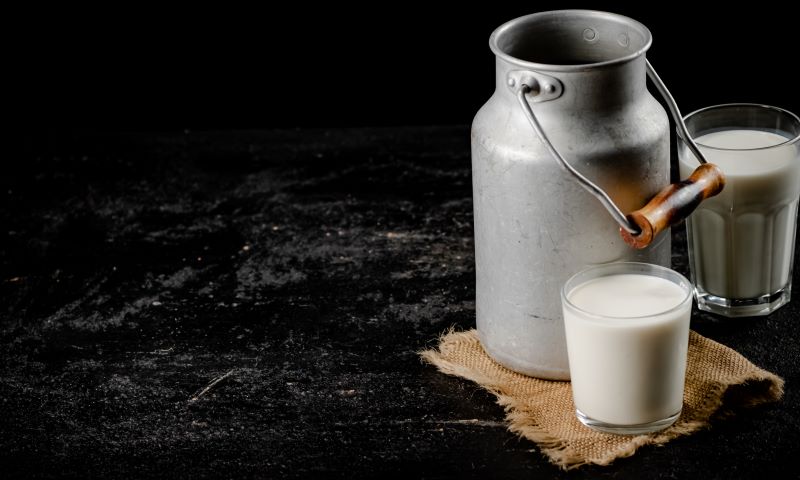
Incorporating fat and protein-rich dairy products and nuts can be beneficial for those looking to gain weight. These nutrient-dense foods provide essential calories and nutrients necessary for healthy weight gain.
| SNo. | Dairy Products and Nuts | Description | Fat and Protein Content (per 100 g) |
| 12 | Whole Milk | Rich in fats and proteins, whole milk is a creamy option to boost calorie intake. | Protein: 3.2 g Fat: 3.25 g |
| 13 | Greek Yoghurt | Thick and creamy, Greek yoghurt offers a protein punch along with healthy fats. | Protein: 10 g Fat: 10 g |
| 14 | Cottage Cheese | Low in fat and high in protein, cottage cheese is a versatile option for muscle growth. | Protein: 11 g Fat: 4 g |
| 15 | Almonds | Almonds are packed with healthy fats and protein, making them a nutritious snack for weight gain. | Protein: 21 g Fat: 49 g |
| 16 | Cashews | Creamy and rich, cashews provide both fats and proteins, ideal for adding to meals or snacking. | Protein: 18 g Fat: 44 g |
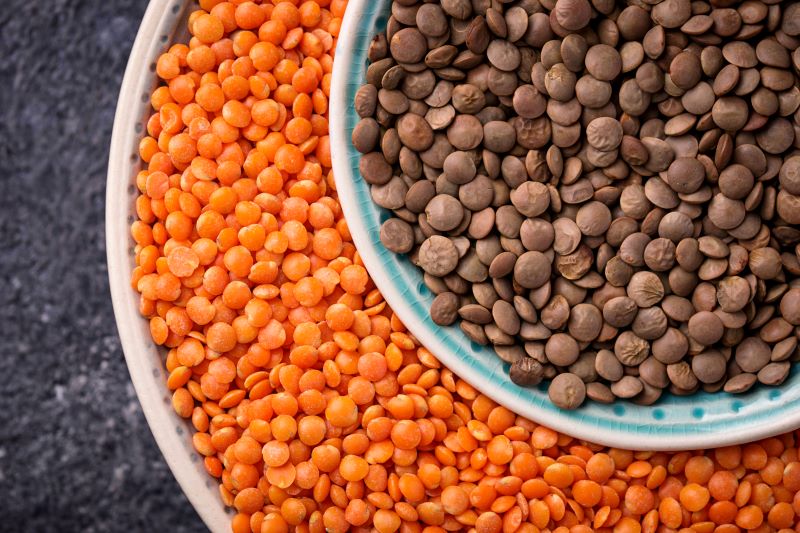
Fat and protein vegetarian foods are essential for increasing our weight. Here are some plant-based sources packed with this vital mineral and many nutrition:
| SNo. | Food | Description | Fat and Protein Content (per 100 g) |
| 17 | Tofu | Versatile soy product, excellent meat alternative. | Protein: 8g Fat: 8-10 g |
| 18 | Tempeh | Fermented soybean cake, dense in protein and flavour. | Protein: 19g Fat: 10-12 g |
| 19 | Lentils | Nutritious legumes packed with protein and fibre. | Protein: 9g Fat: 1-2 g |
| 20 | Quinoa | Complete protein grain, gluten-free and high in nutrients. | Protein: 4g Fat: 4-6 g |
| 21 | Chia Seeds | Tiny powerhouses loaded with protein, fibre, and healthy fats. | Protein: 16g Fat: 30-35 g |
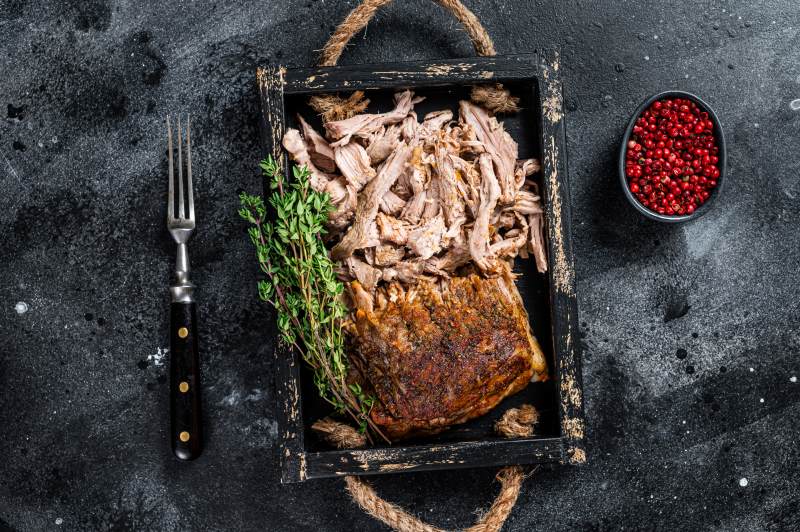
Nonvegetarian foods rich in protein and healthy fats are essential for those seeking to gain weight. Here's a curated list, excluding yoghurt and nuts, to support your weight gain journey:
| SNo. | Food | Description | Fat and Protein Content (per 100 g) |
| 22 | Salmon | Rich in omega-3 fatty acids, supports muscle growth. | Protein: 20 g Fat: 10 g |
| 23 | Chicken Breast | Lean protein source, aids in muscle development. | Protein: 31 g Fat: 13 g |
| 24 | Beef | High in iron and zinc, crucial for muscle repair. | Protein:26 g Fat: 8.9 g |
| 25 | Turkey | The low-fat protein option promotes muscle growth. | Protein: 29 g Fat: 14 g |
| 26 | Pork | Provides essential amino acids for muscle repair. | Protein: 27 g Fat: 16 g |
| 27 | Eggs | Complete protein source, versatile for meals. | Protein: 13 g Fat: 9.2 g |
| 28 | Shrimp | Low in fat, high in protein, and aids in muscle repair. | Protein: 24 g Fat: 25 g |
A healthy weight range is determined by various factors such as age, height, body composition, and overall health status. It generally refers to a weight range associated with optimal health and reduced risk of chronic diseases.
Age |
Weight (Female) | Weight (Male) |
| 18-24 | 47.6-65.8 kg | 56.7-74.8 kg |
| 25-34 | 49-68 kg | 59-78 kg |
| 35-44 | 50.4-70.3 kg | 61.2-80.7 kg |
| 45-54 | 52.2-72.6 kg | 63.5-83 kg |
| 55-64 | 53.5-74.8 kg | 65.3-85.3 kg |
| 65+ | 54.4-77.1 kg | 66.7-87.5 kg |
Stay on Track with These Health Tools
An unhealthy diet can have detrimental effects, especially for those who are underweight. Here's a brief overview of its potential consequences:
An unhealthy diet for underweight individuals can exacerbate existing health concerns. Prioritising nutrient-rich foods and maintaining a balanced diet is essential for promoting overall health and achieving a healthy weight.
Maintaining a proper diet while gaining weight is of great importance for overall health and long-lasting results :
Eating a healthy diet while trying to gain weight involves a balanced and systematic approach. You can effectively support muscle growth and overall weight gain by incorporating nutrient-dense options. Additionally, maintaining a balanced and varied diet and regular exercise will further enhance your progress and promote overall well-being.
Protect What Matters - Explore Other Insurance Options