General
Life
Accessibility Options


General

General Products
Simple & Transparent! Policies that match all your insurance needs.
 Car Insurance
 Two Wheeler Insurance
 Commercial Vehicle Insurance
 Health Insurance
 Home Insurance
 Travel Insurance
 Business Insurance
Car Insurance
Two Wheeler Insurance
Commercial Vehicle Insurance
Health Insurance
Travel Insurance
Business Insurance
Car Insurance
Two Wheeler Insurance
Commercial Vehicle Insurance
Health Insurance
Travel Insurance



Scan to download

Life

Life Products
Digit Life is here! To help you save & secure your loved ones' future in the most simplified way.
 Term Life
 Savings Plan
 Retirement and Pension Plans
 Group Life Products
 Product Documents
Term Life
Savings Plan
Group Life Products
Product Documents
Term Life
Savings Plan
Group Life Products
Scan to download

Claims

Claims
We'll be there! Whenever and however you'll need us.
 Customer Support
 Motor Claims
Health Claims
Motor Claims
Health Claims
 Marine Insurance
 Grievance Redressal
Customer Support
Motor Claims
Health Claims
Marine Insurance
Grievance Redressal
Grievance Redressal
Customer Support
Motor Claims
Health Claims
Marine Insurance
Grievance Redressal
Scan to download
 General
 Life
General
Life
Life
General
Life
Renewals
Resources

Resources
All the more reasons to feel the Digit simplicity in your life!
Exclusive Features
 Transparency Report
Others
Exclusive Features
Transparency Report
Transparency Report
Others
Exclusive Features
Transparency Report
Scan to download


Our WhatsApp number cannot be used for calls. This is a chat only number.

 Grey Scale
 Readable Text
 Reset
Reset




PCOS (Polycystic Ovary Syndrome) is a condition that causes hormonal imbalances in women. It causes the body to release more male hormones, leading to irregular periods and difficulty in conceiving. It can also cause issues like excessive facial and body hair growth. Moreover, it can cause serious health complications such as diabetes and heart disease.
To tackle these issues, a patient can incorporate a PCOS diet plan into her daily routine. Read on to learn more about PCOS and how you can manage it through dietary choices.

Table of Contents

Polycystic ovary syndrome (PCOS) is a common hormonal disorder that affects people with ovarian tissues, usually during their productive age. Menses irregularities, excess androgen activity, and the presence of small ovarian cysts also characterize it. Such disorders may include the growth of hair in inappropriate places, changes in skin such as acne, weight gain, and impairment of fertility.
PCOS has systemic manifestations that also compromise metabolic and reproductive health. Common therapeutic approaches combine efforts targeting symptoms with promoting lifestyle changes, medication, and, occasionally, reproductive assistance.
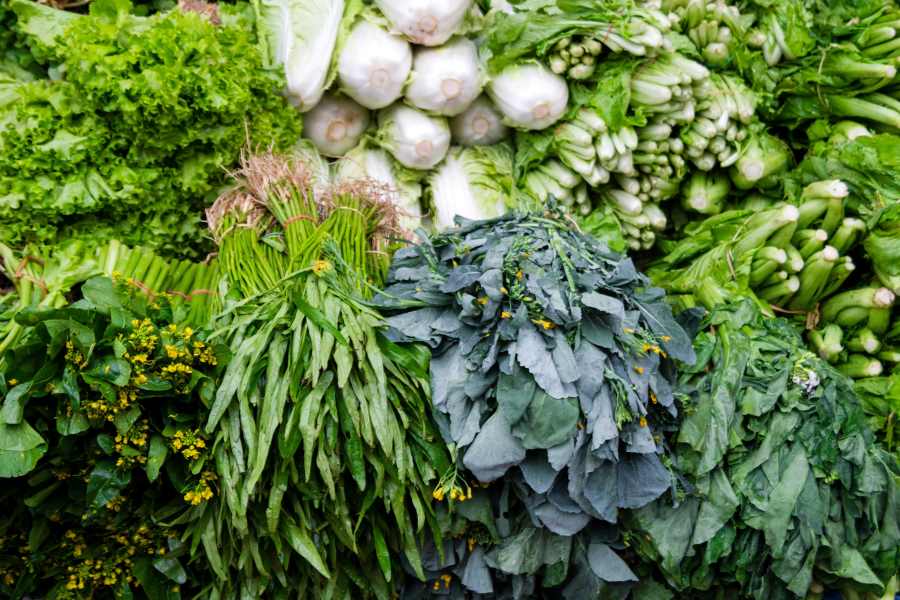
Diets for PCOS patients must be regulated and very specific to one's symptoms. There are certain food items that anyone with PCOS must incorporate into their daily meals.
Below is a list of food items that PCOS patients can consume:
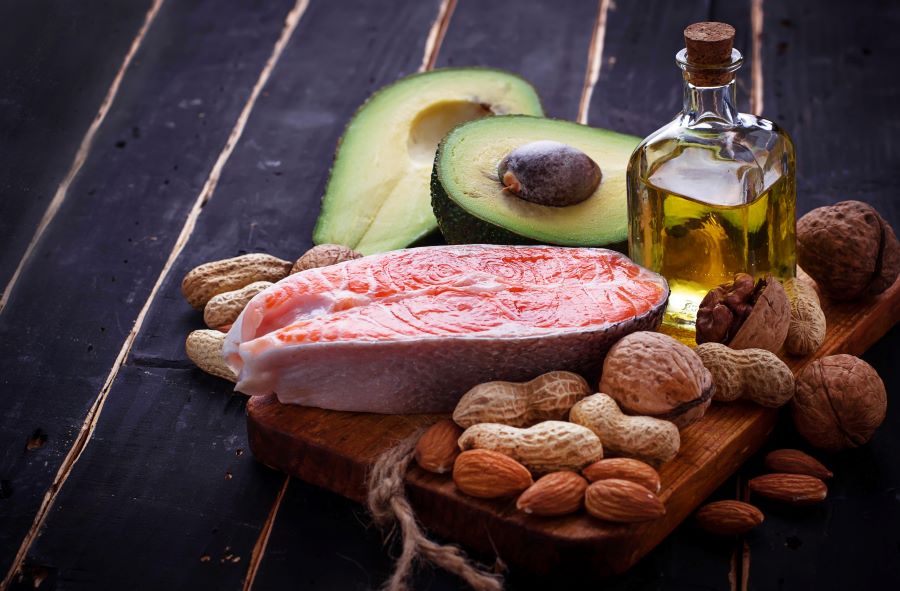
Fat is not inherently harmful to a person who is suffering from PCOS. Food items like avocados, oily fish and flax seeds contain healthy fats that are necessary for PCOS patients to intake. Incorporating healthy fats in a PCOS diet plan help to maintain the cell walls, control your weight and balance your hormones.
One of the main concern that people with PCOS deals with the most is facing fertility issues. Omega 3 is a fatty acid that falls under healthy fats and is beneficial for pregnant women and those trying to have a baby.
Healthy fats help to increase blood flow to the uterus, regulate the menstrual cycle and significantly reduce the body's sensitivity to prolactin.
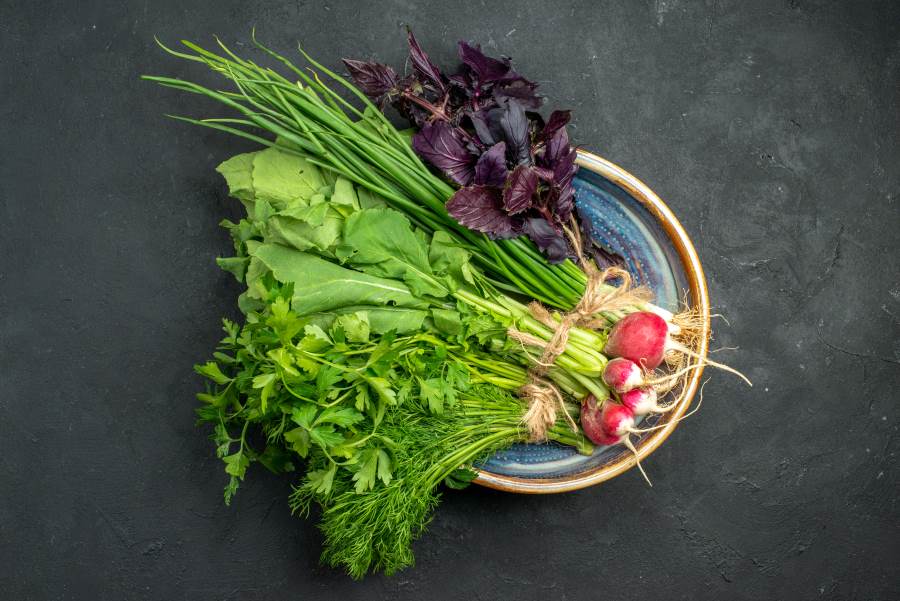
Adding leafy vegetables with a high amount of fibre, like broccoli, carrots, beans, and cauliflower, can enhance your metabolism. These will also help you to maintain blood sugar levels which will result in reversing insulin resistance. In fact, eating leafy green should be a part of any diet plan.
Make sure to add 25 gm of fibre to your daily meals. In addition, incorporate cooked vegetables, unstrained soups and salads to make it a point that you maintain your daily fibre goals.
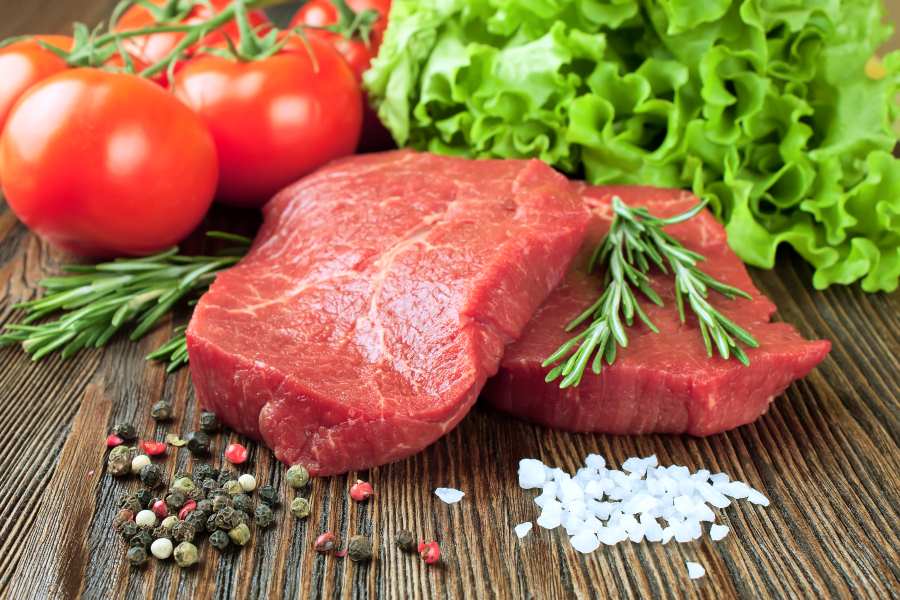
Affording lean meat can be slightly difficult, but its health benefits make it essential for your PCOS diet. In addition, fat content in non-organic or processed meat is higher than what you will receive if you opt for grass-fed lean meat.
Another disadvantage of procuring non-organic meat is that it contains high levels of synthetic hormones, which are injected into the livestock. Such animal hormones can affect the hormone levels of anyone who consumes it.
On the other hand, organic meat contains an average level of animal hormones which is a much safer option to opt for, for any individual suffering from PCOS.
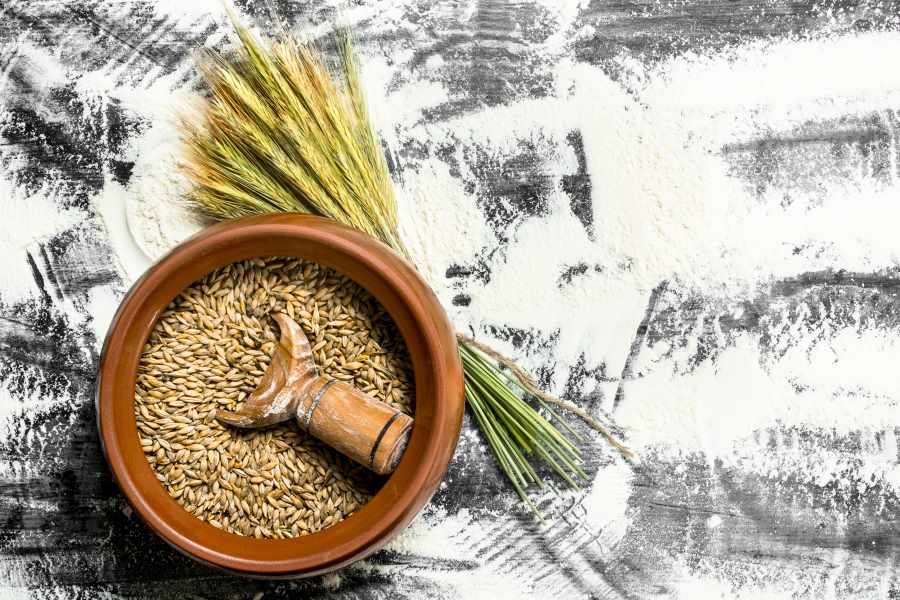
Anyone suffering from PCOS automatically has a high chance of being diagnosed with type 2 diabetes. This is where regularly consuming whole grains food can help you with managing your insulin levels.
Some fibre-rich food items, like beans, dried fruits, oats, wholegrain rice and nuts, slowly release carbohydrates. The pace at which these foods release sugar into the blood is slower than refined grains. Hence, there is a lesser chance of any spike in your blood sugar levels.
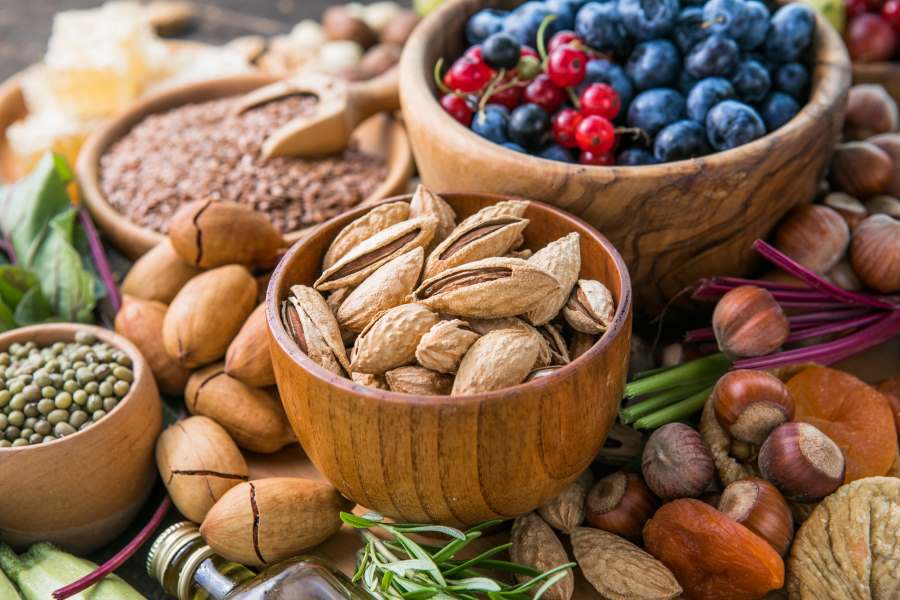
Individuals with PCOS tend to show higher oxidative stress levels. To bring this to a neutral level, one can opt to incorporate foods with high antioxidant content in her PCOS diet. Food items like blueberries, Goji berries and pecans are high in antioxidants.
When you are going grocery shopping, check the GI (glycaemic index) of the foods you buy. This will be a preventive measure that you can practice to reduce the chances of causing a spike in your blood sugar levels.
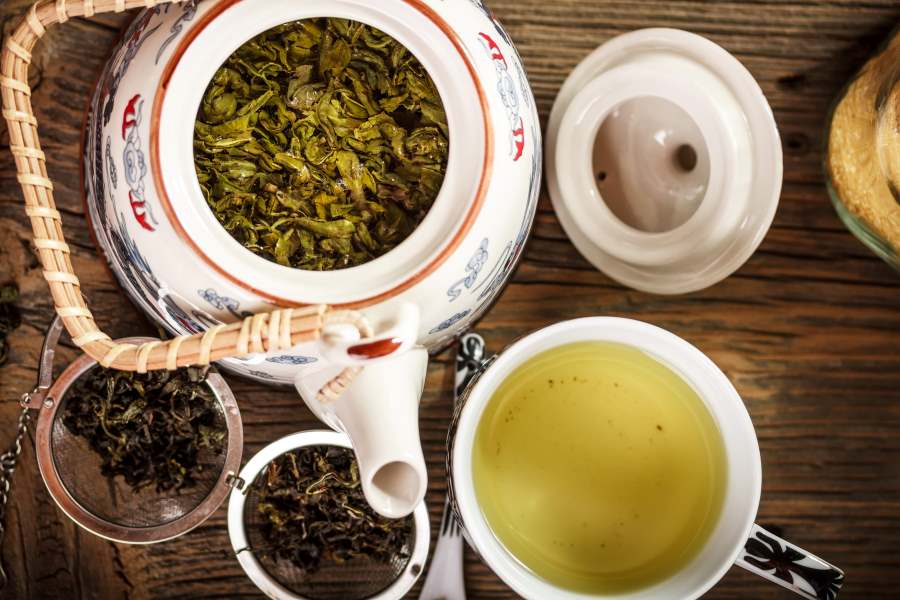
Green tea is packed with several health benefits for people with PCOS. The first and foremost is its high antioxidant content that helps to reduce oxidative stress by neutralising harmful free radicals.
Other significant benefits of green tea include a decrease in insulin levels, weight loss, improvement in gut health, and regulation of cholesterol levels. It also helps to reduce stress, lowers androgens and has also shown signs of decreasing the risk of cancer.
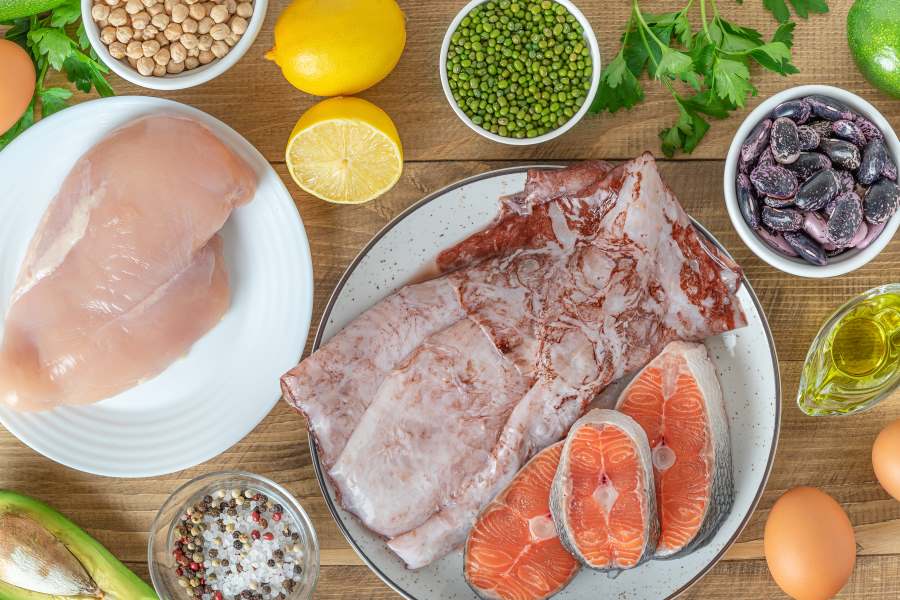
Regular protein intake will help synthesise several hormones like oestrogen, testosterone and insulin. So in your day-to-day meals, add food items like chicken, skimmed milk, fish, egg, curd and tofu.
Unlike meat with high saturated fat content, like cured meats and red meat, food with lean protein is way more helpful. These are a great source of protein that is essential to help you reduce weight while making sure that your hunger stays satiated. That is why many PCOS diet plans include low-carb and high-protein food items.
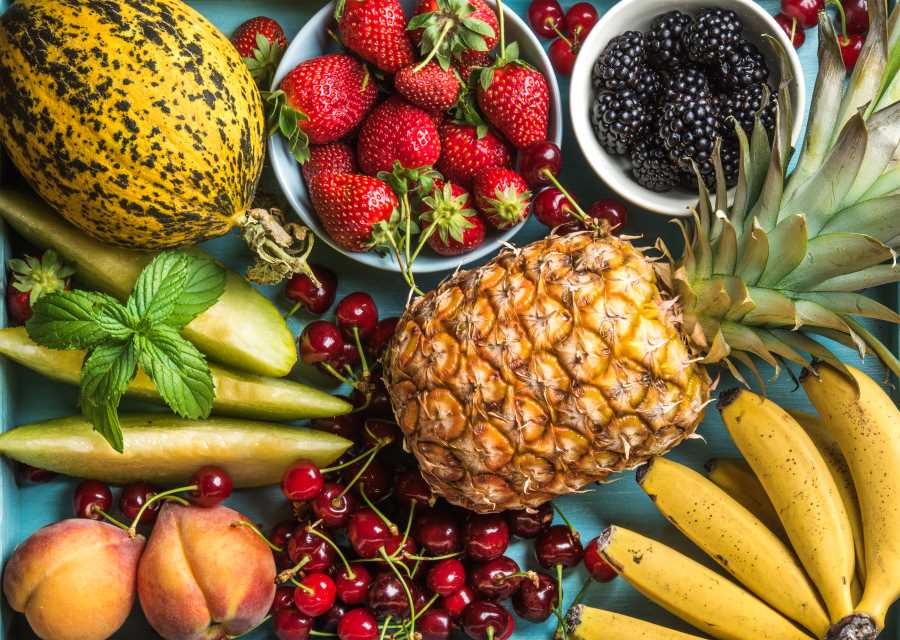
Fruits are generally rich in minerals, vitamins, antioxidants and fibre. All of which are essential nutritional elements that can help to fight the symptoms of PCOS.
Any seasonal fruits like berries, pineapple, guava, pomegranate, banana, apples, citrus fruits and melons are also a few fruits that you can include in your meals. Dark red fruits such as cherries, red grapes and blackberries are also healthy options. However, be mindful of consuming certain fruits, which can cause a spike in blood sugar levels.
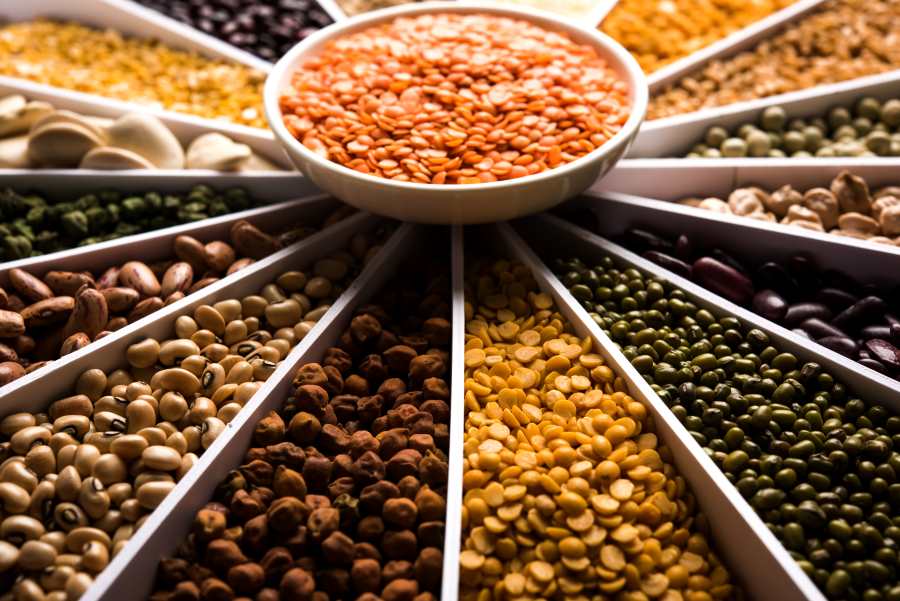
Pulses like split peas, chickpeas, dried beans and lentils are essential for any diet for PCOS patients. It has been proven that consuming pulses reduce fasting insulin, improves the metabolic system, reduces cholesterol levels and lowers the risk of getting affected by heart disease.
Intake of pulses effectively helps one manage the PCOS symptoms like insulin resistance, unnecessary weight gain and irregular periods. In addition, there have been studies that have shown that incorporating pulses effectively improves specific health parameters.
A few additional benefits of incorporating pulses in your diet are improvement of BMI and reduction of body fat.
To help deal with insulin resistance, you need to add food that can aid in stabilizing blood sugar levels to your diet. These are a few that can help improve insulin sensitivity:
Inflammation is a common symptom of PCOS, and it is possible to manage it through diet. Eating food that contains anti-inflammatory properties is possible to alleviate some pain.

There are a few food items that can harm your health if you have PCOS. They can trigger certain symptoms or induce discomfort. Here is the list of harmful foods for PCOS patients:

Any food with high saturated or hydrogenated fats is a no-no for any patient suffering from PCOS. Foods like cheese, red meat, and cream fall under the same category. Try to avoid these at all costs.
Also, processed and fried foods contain a lot of saturated and trans fats that can worsen the symptoms of PCOS. In addition, unhealthy fats tend to increase oestrogen quantity in your body resulting in weight gain.
Instead, opt for healthy fats that are more organic and help with PCOS and its symptoms.
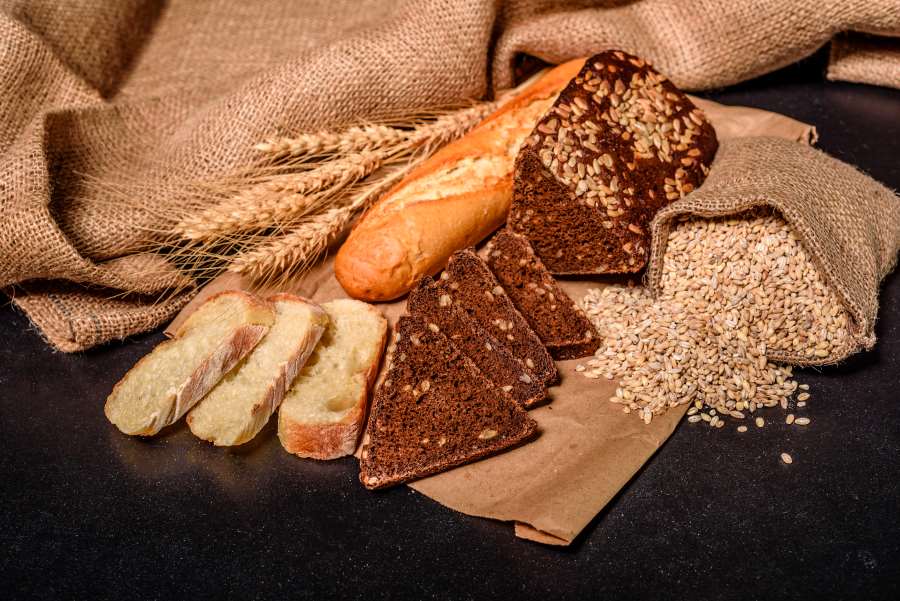
People with PCOS are not always intolerant to gluten, but it is not uncommon for them to demonstrate gluten intolerance. Therefore, PCOS patients are generally advised to avoid gluten or incorporate very few amounts in their daily meals.
The reason behind advising gluten restrictions is primarily because gluten causes inflammation which further results in insulin resistance. This can lead to developing diabetes.
There has been a connection between inflammation and the production of a high amount of androgen in people with PCOS. This leads to the symptoms of irregular menstruation periods and weight gain, which can worsen the health of PCOS patients.
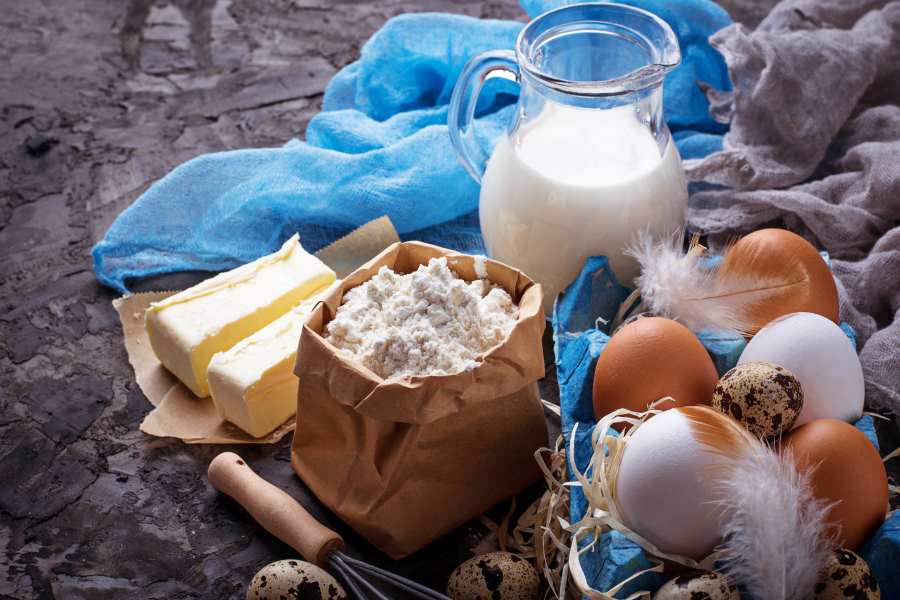
Dairy products are to be avoided in any PCOS diet because the consumption of dairy products can increase androgen production. In addition, dairy products are generally high in sugar content, and consuming dairy products can lead to physical discomfort.
Intake of dairy products can lead to a spike in insulin, which would then drop within a short span of time. This is the reason why any individual with PCOS can experience random highs and lows. This occurs because their body finds it difficult to manage blood sugar levels.

Consuming highly processed food items like cakes, biscuits and any ready-to-eat meals can worsen PCOS symptoms. Also, foods like white bread, white potato and white rice are also a few items that should be consumed less.
People with PCOS have a higher chance of getting diagnosed with diabetes, which can be worsened by processed foods. Every kind of processed food out there has a high Glycaemic Index (GI), and high GI food items cause spikes in blood sugar levels. That is why any processed food is a bane for the health of a person with PCOS.

Individuals with PCOS already have a higher level of cortisol in their system. Consumption of coffee can have a direct impact on cortisol levels. A higher cortisol level can be detrimental for people with PCOS as it worsens insulin resistance and spikes blood sugar levels.
Hence, after consuming coffee, you may feel jittery and anxious. However, the effect can vary from person to person. For example, people with PCOS may also have a high level of DHEAS, which means they are more prone to experience a high amount of anxiety. Consuming coffee can make it extremely worse.
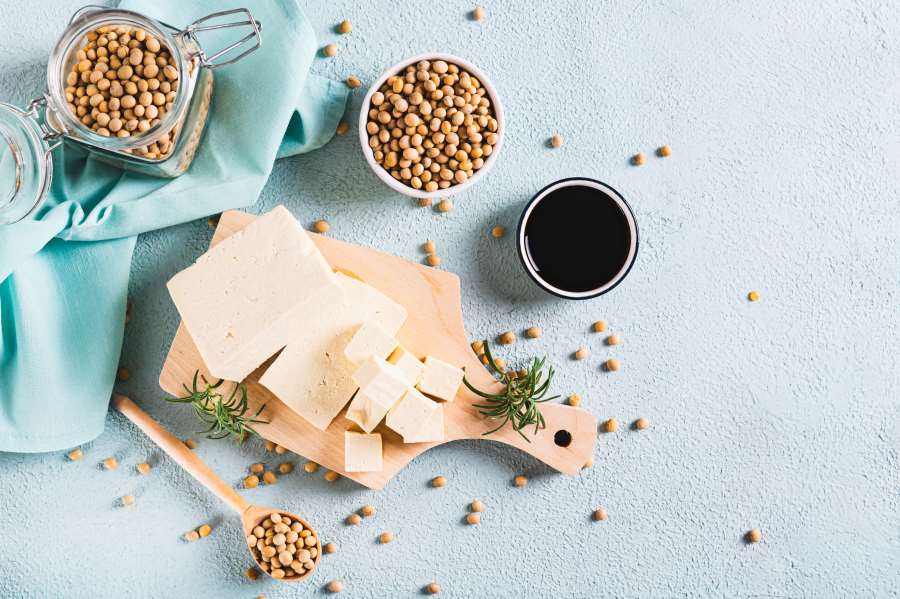
People with PCOS tend to have higher than normal oestrogen levels, and soy products can increase the oestrogen levels. Hence, people with PCOS need to avoid or at least cut down on the regular consumption of soy products.
People with low oestrogen levels might benefit from incorporating soy products in their daily meals. However, if someone already has a high level of oestrogen, they must mindfully restrict their soy consumption. Although the effect of soy on oestrogen is still debatable, limiting soy consumption is necessary for a PCOS diet.
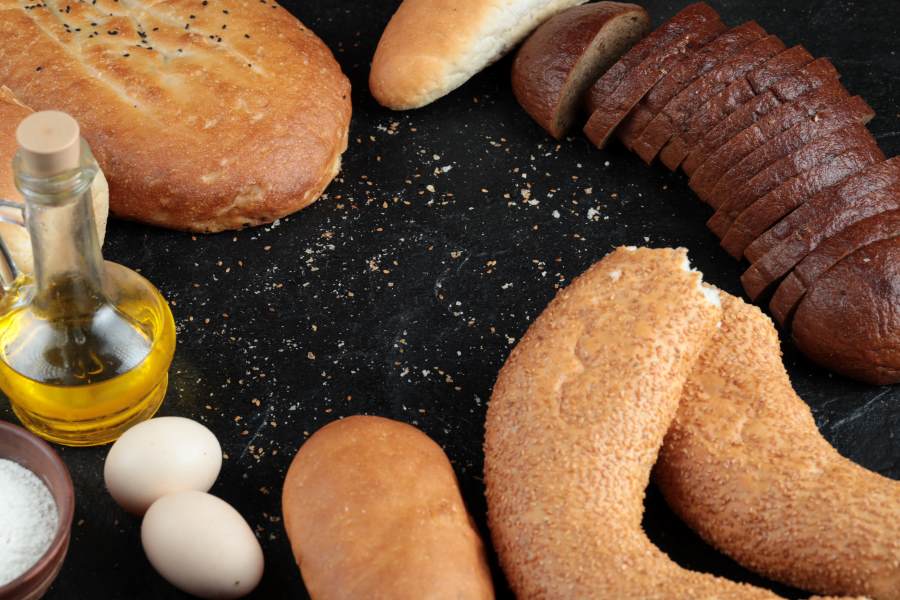
As discussed earlier, people with PCOS generally have a higher chance of developing diabetes. In addition, refined carbohydrates tend to increase insulin production, so it is best for people with PCOS to avoid refined carbohydrates.
Any food item with a significant amount of refined carbohydrates can increase blood sugar levels. So, people with PCOS must strictly avoid or limit consumption of food items like white potatoes, pastries, white rice and bread.

Fried food items generally contain high levels of saturated fats and trans fats. Such ‘bad fats’ are unhealthy and harmful to everyone as they have the ability to increase the risks of inflammation and weight gain.
The effects of consuming fried food are similar to consuming foods that are high in sugar. They will instantly give you a boost of energy; the next thing you know, you will experience a dip in blood sugar levels.
These foods can also have a high salt content which leads to bloating, gastric diseases and unnecessary weight gain in people suffering from PCOS.
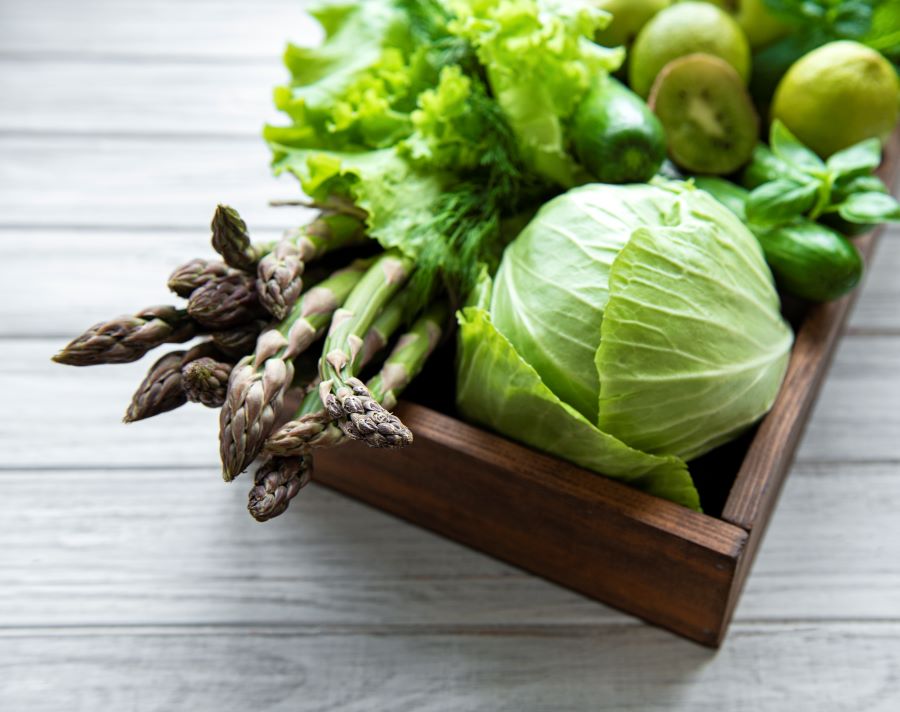
People who are diagnosed with PCOS need to consume starchy vegetables in moderation. Foods like yam, sweet potato, corn and potato might induce discomfort in people who experience GI issues.
Certain vegetables like cabbages, asparagus and onions are rich in fermentable fibres. Therefore, these vegetables can cause bloating in certain individuals who are sensitive to these specific food items.
There are a few green vegetables like spinach and broccoli, which also are relatively high in starch content. These, too, need to be restricted in a PCOS diet, especially for patients with severe symptoms.
Check Other Important Health Metrics Now
Over time, multiple studies have confirmed the relationship between PCOS and an individual’s diet. This gives you a chance to control this disease by limiting and avoiding harmful food items.
The primary way your dietary intake can affect PCOS is insulin production. Insulin is a type of hormone secreted by the pancreas, which helps to metabolize sugar. People who are obese have difficulties regulating insulin production or have insulin resistance. When the body fails to produce the needed amount of insulin, it increases sugar levels.
Another reason for insulin resistance can be the result of a higher body mass index. If you have high insulin resistance, it might be difficult for you to lose weight. So, to manage this issue, you can visit a dietician for expert advice regarding the diet plan for PCOS. Controlling and restricting certain dietary elements can help you deal with PCOS.
There are a few factors that individuals should take into consideration before they choose a diet for PCOS, and they are:
The first thing you need to do is to get a full body checkup before you start any diet. This is because a lot of the time, losing weight is very difficult. Also, it would help if you consult your doctor regarding which food items you can consume with the prescribed medicines.
Before you start dieting, you may want to set your goals. These goals can range from losing healthy body weight to just keeping your health stats in control.
A lot of the time, certain foods are good at controlling PCOS though they are a bit expensive for some people. Therefore, it will be wise to create a budget for yourself and then choose the food items you want to incorporate into your meals.
Celebrity diets often are inaccurate and expensive. Moreover, what works with their bodies and lifestyles may not be suitable for others.
If you are trying to combat PCOS by maintaining a healthy diet, then it would be wise to consult a certified dietician rather than following what you read on the internet or what your acquaintances have suggested.

Polycystic Ovary Syndrome (PCOS) is a hormonal disorder that generally affects women of reproductive age and includes anovulation and polycystic ovaries. Still, we do not yet know the exact reasons for its onset. Yet, there are a few common factors, such as:
Reproductive-age women may suffer from almost every woman of childbearing age regardless of culture, economic status or ethnicity. However, problems of this nature can be treated and managed to alleviate symptoms and enhance one's health.
Other than following a proper PCOS diet plan suggested by a dietician, you should also keep certain things in mind like:
PCOS is a condition that affects many women around the world. Unfortunately, there is no permanent cure for this condition. However, certain preventive measures can be taken to regulate the hormonal imbalance, especially through dietary and lifestyle changes. Along with prescribed medication, people can follow a PCOS diet plan to keep their health condition in control.
Protect What Matters - Explore Other Insurance Options