General
Life
Accessibility Options


General

General Products
Simple & Transparent! Policies that match all your insurance needs.
 Car Insurance
 Two Wheeler Insurance
 Commercial Vehicle Insurance
 Health Insurance
 Home Insurance
 Travel Insurance
 Business Insurance
Car Insurance
Two Wheeler Insurance
Commercial Vehicle Insurance
Health Insurance
Travel Insurance
Business Insurance
Car Insurance
Two Wheeler Insurance
Commercial Vehicle Insurance
Health Insurance
Travel Insurance



Scan to download

Life

Life Products
Digit Life is here! To help you save & secure your loved ones' future in the most simplified way.
 Term Life
 Savings Plan
 Retirement and Pension Plans
 Group Life Products
 Product Documents
Term Life
Savings Plan
Retirement and Pension Plans
Group Life Products
Product Documents
Term Life
Savings Plan
Retirement and Pension Plans
Group Life Products

Scan to download

Claims

Claims
We'll be there! Whenever and however you'll need us.
 Customer Support
 Motor Claims
Health Claims
Motor Claims
Health Claims
 Marine Insurance
 Grievance Redressal
Customer Support
Motor Claims
Health Claims
Marine Insurance
Grievance Redressal
Grievance Redressal
Customer Support
Motor Claims
Health Claims
Marine Insurance
Grievance Redressal

Scan to download
 General
 Life
General
Life
Life
General
Life
Renewals
Resources

Resources
All the more reasons to feel the Digit simplicity in your life!
Exclusive Features
 Transparency Report
Others
Exclusive Features
Transparency Report
Transparency Report
Others
Exclusive Features
Transparency Report

Scan to download


Our WhatsApp number cannot be used for calls. This is a chat only number.

 Grey Scale
 Readable Text
 Reset
Reset



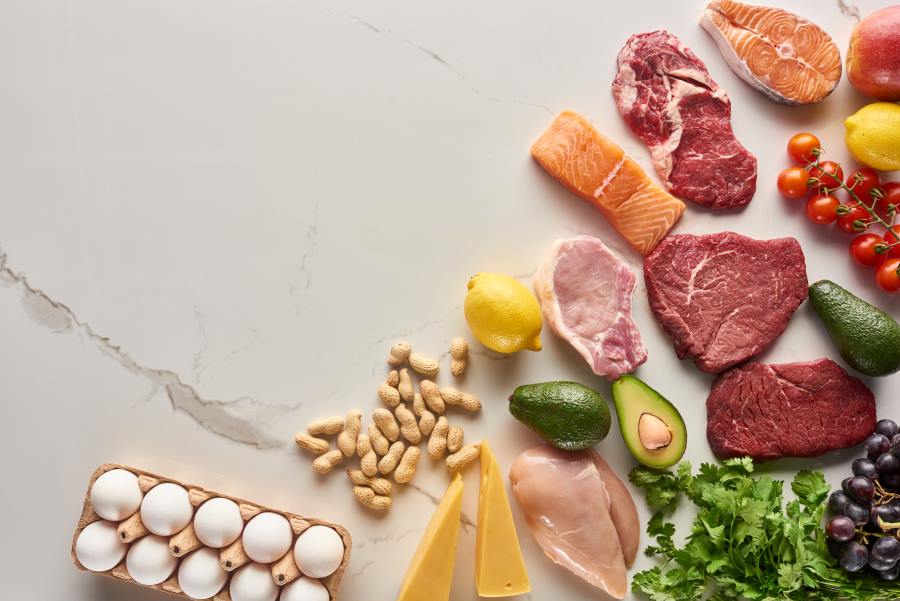
Foods contain nutrients like proteins, vitamins, carbohydrates, minerals, and water. If the body lacks any of these nutrients, the functionality of the body parts is affected, leading to various health conditions.
Either deficiency can disrupt the body's processes, leading to different health issues. Together, they form the foundation for a balanced and nourishing diet essential for vibrant health and vitality.
In this article, we will primarily talk about the difference between vitamins and proteins.

Table of Contents

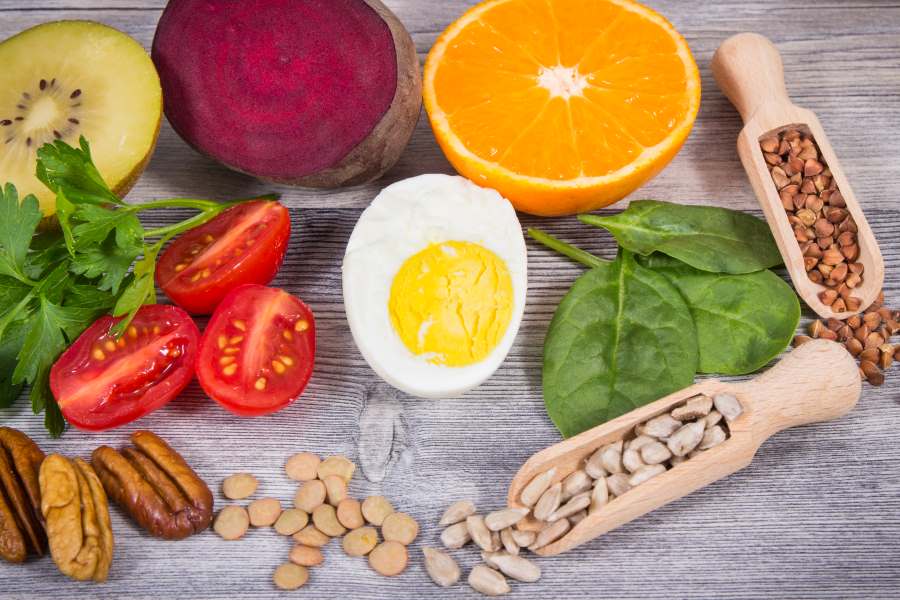
Vitamins are organic substances that humans require for normal cellular function, development and growth. There are 13 important vitamins that the human body needs. These vitamins are C, D, A, E, K, B2, B1, B12, B3, B6, B5, B7 and B9. Vitamins are divided into two main categories: fat-soluble and water-soluble. The deficiency of vitamins can lead to several health problems, such as heart disease, cancer and osteoporosis.
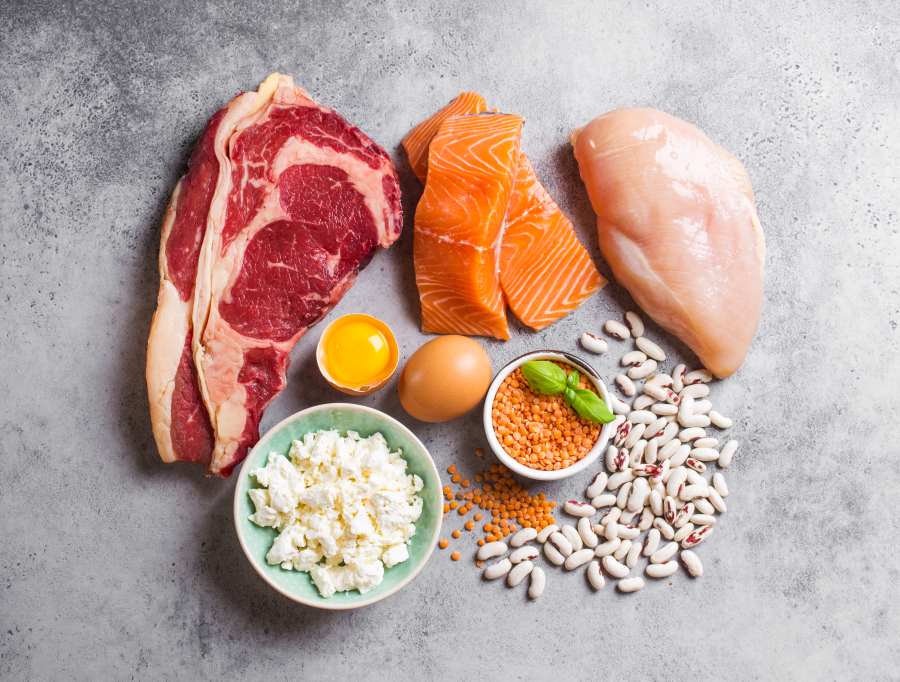
Proteins are complex and large molecules that play several critical roles in the human body. They do most of the work in cells and are essential for the organs and tissues' structure, regulation, and functioning. Thousands of small units known as amino acids attach in long chains to form proteins.
Vitamins are organic compounds essential for various metabolic processes; proteins are the building blocks of tissues and catalysts for numerous bodily functions. Understanding their differences is key to crafting nutritious diets that support overall well-being.
The table below shows the difference between vitamin and protein:
|
Category |
Vitamin |
Protein |
|
Functions |
Regulates the metabolic functions in the human body |
Growth, structure, development and functioning of the cells, antibodies, tissues, nucleic acids and enzymes |
|
Types |
Water-soluble vitamins (Vitamin B1, B2, B3, B6, B12, C) and Fat-soluble vitamins (Vitamin A, D, E, K) |
Structural, enzymes, receptors, collagen, keratin |
|
Source |
Vitamins are derived from various foods, including fruits, vegetables, whole grains, and dairy. They are not a direct energy source but are crucial for energy metabolism and other physiological processes. |
Proteins, obtained primarily from foods like meat, fish, beans, and nuts, are a major energy source, providing four calories per gram during metabolism. |
|
Energy |
Do not directly provide energy but play essential roles as cofactors or coenzymes in enzymatic reactions involved in energy production and metabolism. |
Act as a direct energy source through their breakdown into amino acids, which can be converted into fuel for cellular processes. |
|
Structure |
Vitamins are organic compounds with diverse chemical structures. Each plays a specific role in maintaining health and preventing deficiencies or diseases. |
Composed of amino acids linked together in chains, proteins exhibit diverse structures, enabling them to perform various biological functions. |
Proteins offer a myriad of benefits crucial for overall health and well-being. From promoting satiety and aiding in weight management to supporting muscle growth and enhancing metabolism, their diverse functions contribute significantly to maintaining optimal physical fitness and vitality.
Here’s a detailed explanation of all the benefits that you can get by including protein in your diet:
Vitamins offer a multitude of benefits vital for overall health and well-being. From supporting immune function and cardiovascular health to enhancing eyesight and promoting strong bones, these essential nutrients play integral roles in maintaining optimal bodily functions and vitality.
Here’s a detailed explanation of all the benefits that you can get by including vitamins in your diet:
Check Other Important Health Metrics Now
Overconsuming protein can adversely affect health, underscoring the significance of moderation and balanced dietary habits to maintain optimal well-being.
Overconsuming vitamins can lead to various health issues, emphasising the importance of moderation and informed dietary choices to support overall health and wellness.
Vitamins act as crucial micronutrients, supporting various physiological functions, while proteins are the building blocks for tissues, enzymes, and hormones. A balanced diet that includes a variety of vitamin-rich foods and protein sources is key to optimal health and vitality.
These are all the information related to the difference between vitamins and proteins and their benefits. Both of these nutrients are essential for the overall functioning of the body. Hence, there should not be any comparison between proteins and vitamins. The absence or deficiency of any one of these two nutrients can lead to serious health conditions.
Protect What Matters - Explore Other Insurance Options