General
Life
Accessibility Options


General

General Products
Simple & Transparent! Policies that match all your insurance needs.
 Car Insurance
 Two Wheeler Insurance
 Commercial Vehicle Insurance
 Health Insurance
 Home Insurance
 Travel Insurance
 Business Insurance
Car Insurance
Two Wheeler Insurance
Commercial Vehicle Insurance
Health Insurance
Travel Insurance
Business Insurance
Car Insurance
Two Wheeler Insurance
Commercial Vehicle Insurance
Health Insurance
Travel Insurance



Scan to download

Life

Life Products
Digit Life is here! To help you save & secure your loved ones' future in the most simplified way.
 Term Life
 Savings Plan
 Retirement and Pension Plans
 Group Life Products
 Product Documents
Term Life
Savings Plan
Retirement and Pension Plans
Group Life Products
Product Documents
Term Life
Savings Plan
Retirement and Pension Plans
Group Life Products

Scan to download

Claims

Claims
We'll be there! Whenever and however you'll need us.
 Customer Support
 Motor Claims
Health Claims
Motor Claims
Health Claims
 Marine Insurance
 Grievance Redressal
Customer Support
Motor Claims
Health Claims
Marine Insurance
Grievance Redressal
Grievance Redressal
Customer Support
Motor Claims
Health Claims
Marine Insurance
Grievance Redressal

Scan to download
 General
 Life
General
Life
Life
General
Life
Renewals
Resources

Resources
All the more reasons to feel the Digit simplicity in your life!
Exclusive Features
 Transparency Report
Others
Exclusive Features
Transparency Report
Transparency Report
Others
Exclusive Features
Transparency Report
Scan to download


Our WhatsApp number cannot be used for calls. This is a chat only number.

 Grey Scale
 Readable Text
 Reset
Reset



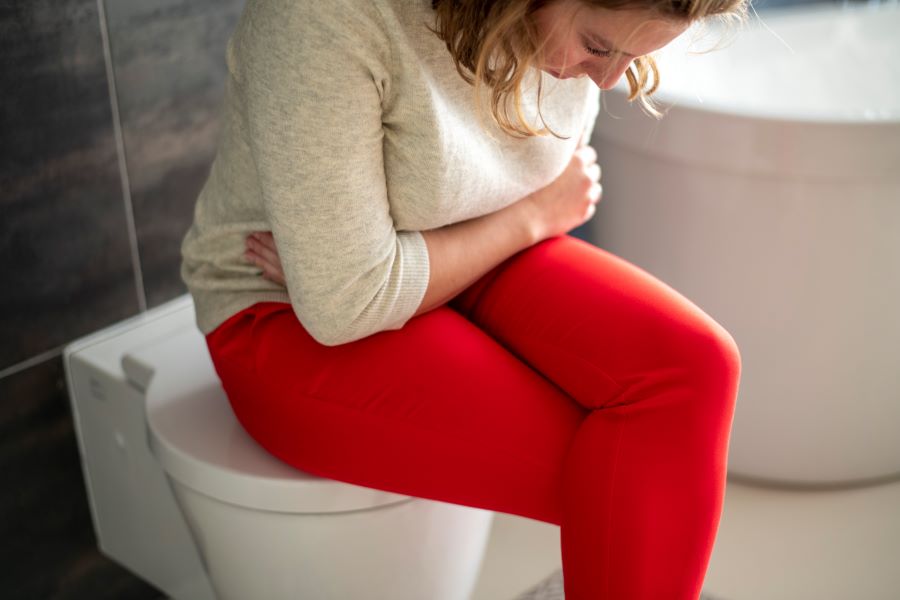
In technical terms, constipation occurs if someone does not empty his/her bowels at least thrice a week. The nature or texture of a person’s stool can also define constipation. It is very often seen that constipated patients complain of bloated feelings and a constant urge to look.
However, even after several "visits", they don't have a clear bowel. To ensure proper bowel movement, one can introduce changes in his/her diet. This blog notes down a list of the best and the worst foods for constipation.

Table of Contents

Constipation is a known derangement of the digestive system, such as failing to have bowel movements frequently or experiencing physical difficulties or discomfort. It occurs due to a lot of water absorbed via the colon from the wastes, making the feces hard and difficult to pass.
Causes of constipation can range from an inadequate amount of fiber in one's diet, dehydration, lack of physical exercises, worries, and some medications. However, at times, the problem is secondary to other medical conditions, such as IBS or hormonal imbalance in women.
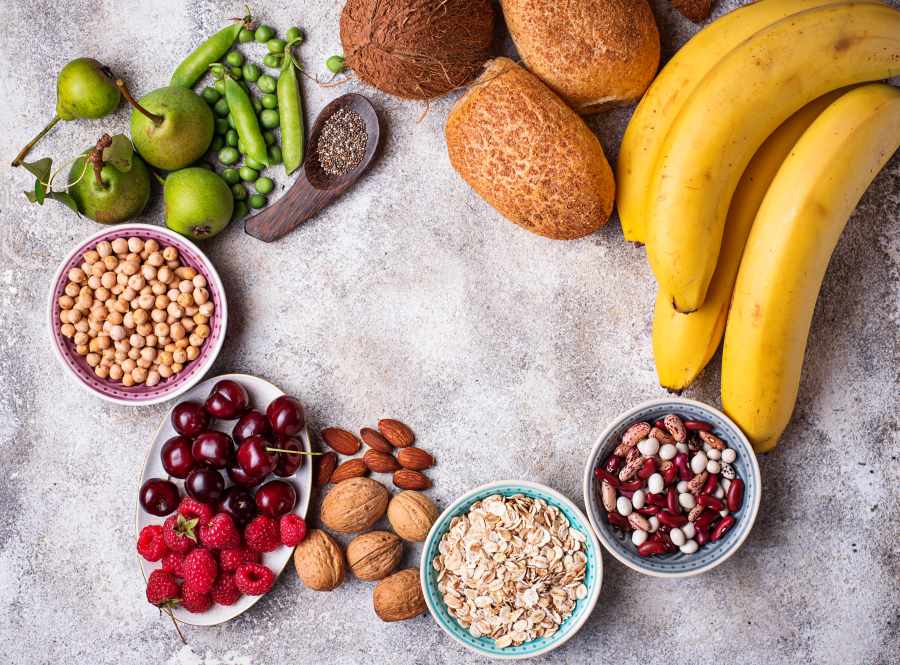
Foods rich in fibres are called roughages. These fibrous foods or roughages ensure smooth bowel movement. Fibre helps maintain the consistency of your stool and avoid loss of total moisture. Thus, letting your stool pass out smoothly from the rectum prevents constipation.
Therefore, it is necessary to consume fiber-rich foods to relieve constipation. Here is a list of foods you should include in your diet if you suffer from this condition:
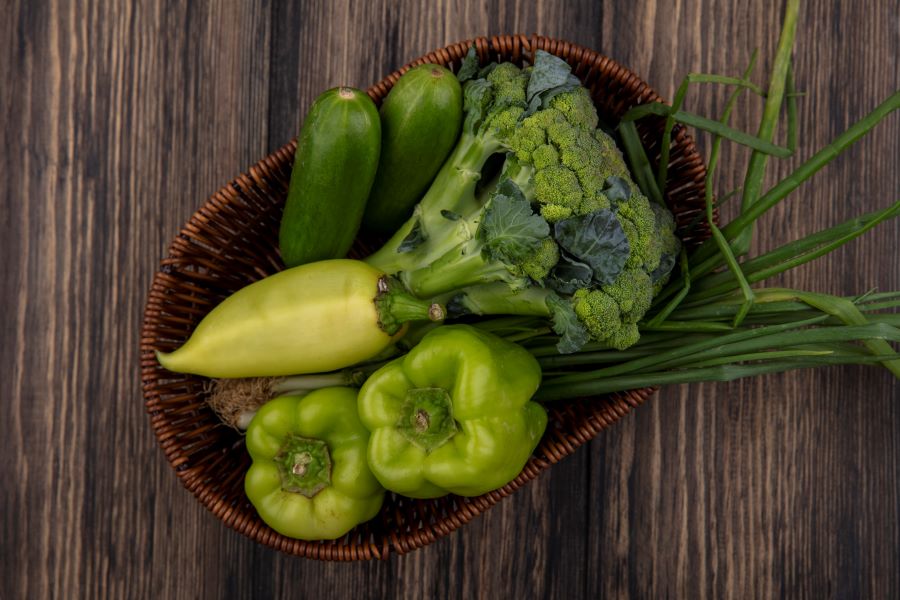
Green veggies like spinach, cabbage, and Brussel sprout are rich in fibre, vitamin C and folate. As a result, they ease up the digesting process by adding bulk to your stool. Fibre is roughage that enhances your body's excretory system allowing smooth passage of your stool.
You can add green vegetables to your diet as per your taste preference. You may also cook, boil or steam them with other foods for your lunch or dinner. For example, tender spinaches go well with vegetable soup or in salads.
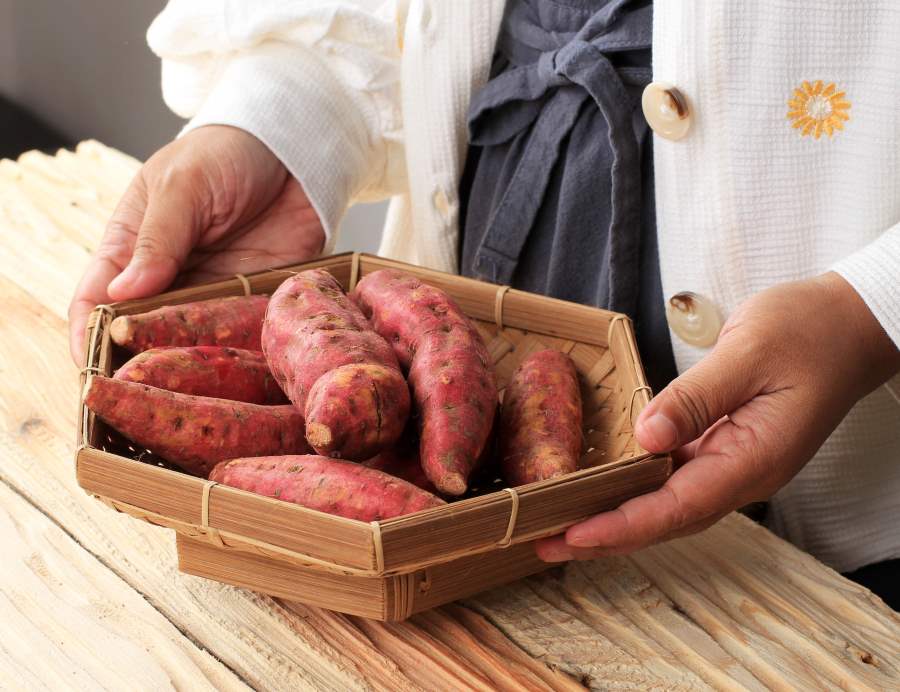
Another best food for constipation relief is a sweet potato. It is rich in fibre and vitamins and enhances bowel movements down the colon.
Sweet potatoes contain insoluble fibres, namely lignin and cellulose. It also contains pectin, which is a soluble fibre. These three forms of fibres ensure the smooth passage of stool while adding weight to them.
You can substitute regular potatoes for sweet potatoes in any recipe and add them to your diet regime.
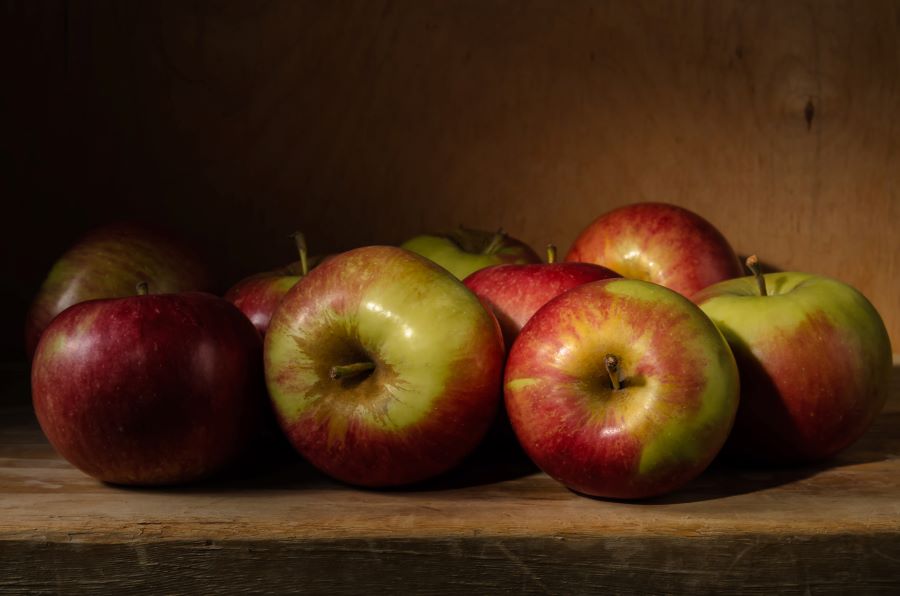
Richly loaded with multiple vitamins, apples are a great food for relieving constipation. In addition, apples contain fibres, fructose and sorbitol that help to ease digestion. Apples also have a high water content that prevents constipation by not letting stool go dry inside your colon.
To gain more effective results, consume apples every day with their skin intact.
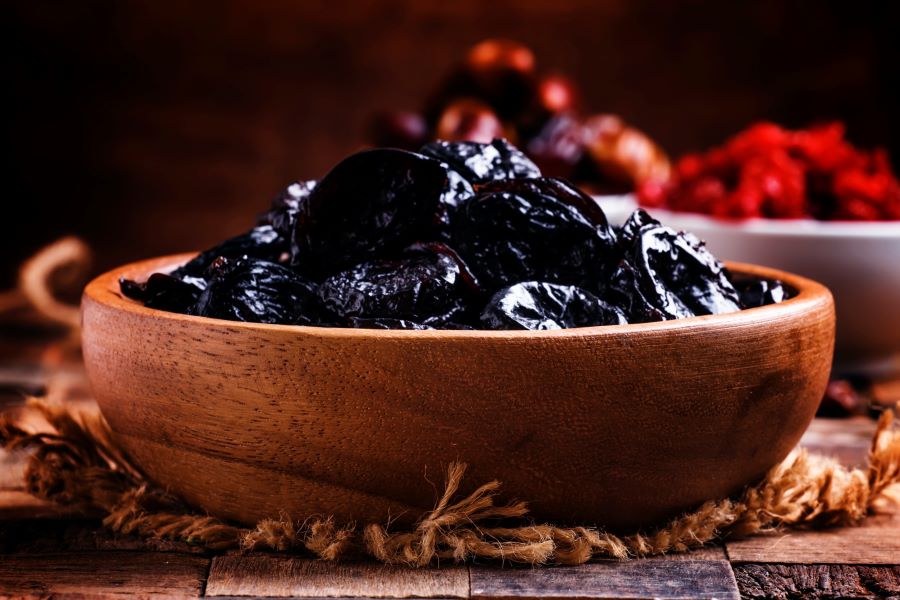
Prunes or dried plums are rich in fibre, phenolic and sorbitol compounds that benefit your digestive system in many ways. It also contains cellulose that does not let your stool lose its moisture while passing. In addition, soluble fibres in prunes increase your stool's mass.
You can add prunes to your meal with salads and oatmeal. Prunes also go well with soups, smoothies or cakes.
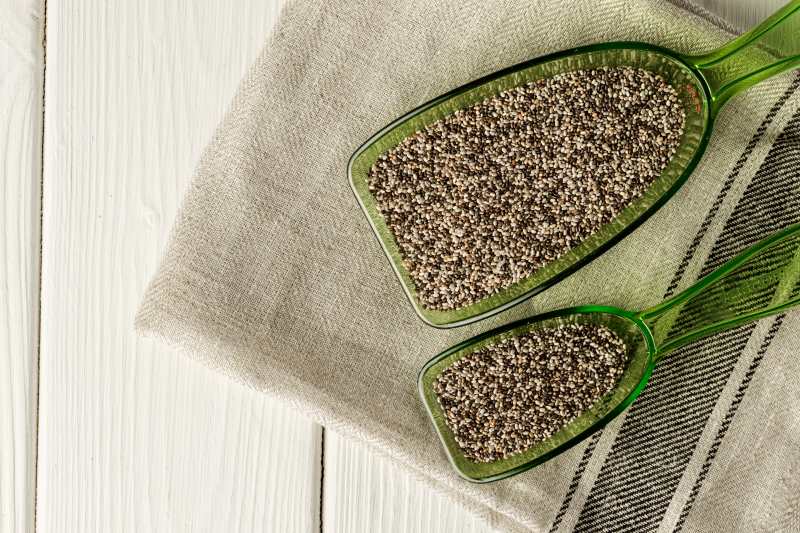
Having a high fibre content, chia seeds are among the best foods for constipation. As chia seeds come in contact with water, it turns to gel. Inside your intestines, these seeds in gel-like form help push the stool down your gut.
You can add chia seeds to any food like oats, yoghurt or cereals. 1 ounce of these seeds holds 9.8 g of fibre, enough to meet your daily needs.
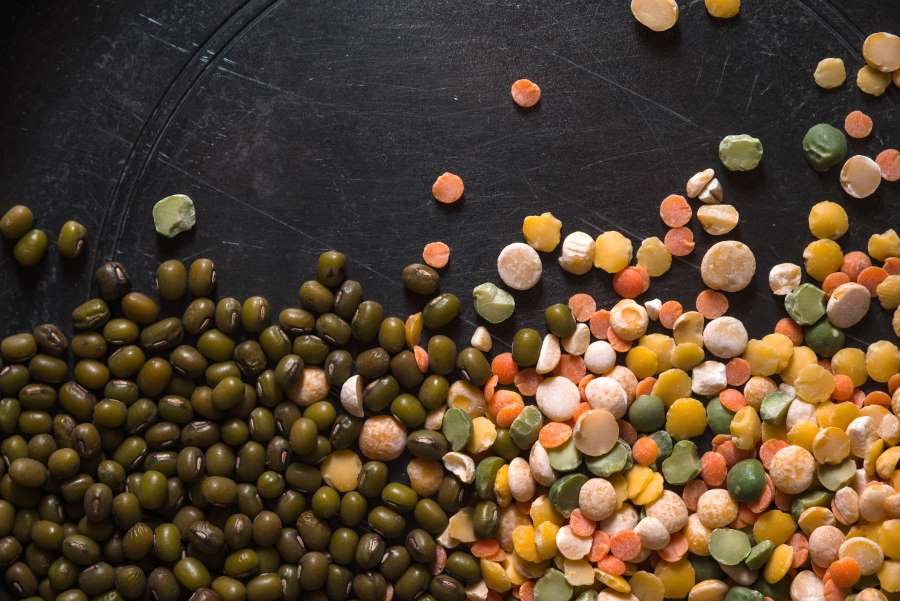
Lentils, peas and pulses too are rich in fibres. They are readily available in the market and are one of the most common foods in Indian households.
Soluble and insoluble fibre content adds weight to your stool, facilitating easy passage. Pulses, peas and lentils are also rich in zinc, potassium, vitamin and fibre. You can cook them in any way, so make sure to add pulses, peas and lentils to your daily diet.
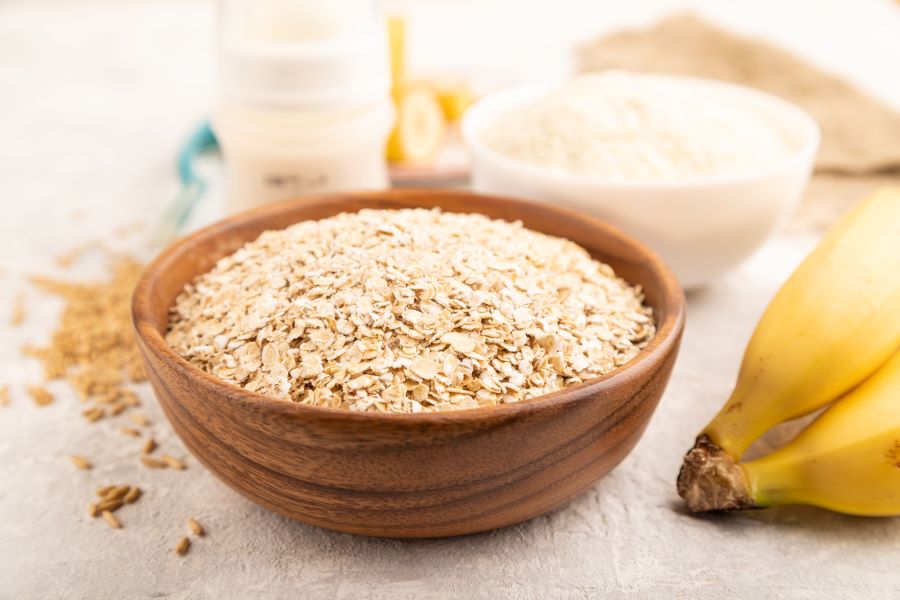
These are the outer layer of oats we usually find in markers. They have a coarse texture and have more nutrient value than our regular oats.
Oat bran is fully loaded with fibre that can act as roughage to soften your bowel and ease its passage. To ensure smoother bowel movement, you can add oat bran meals to your diet for constipation relief.
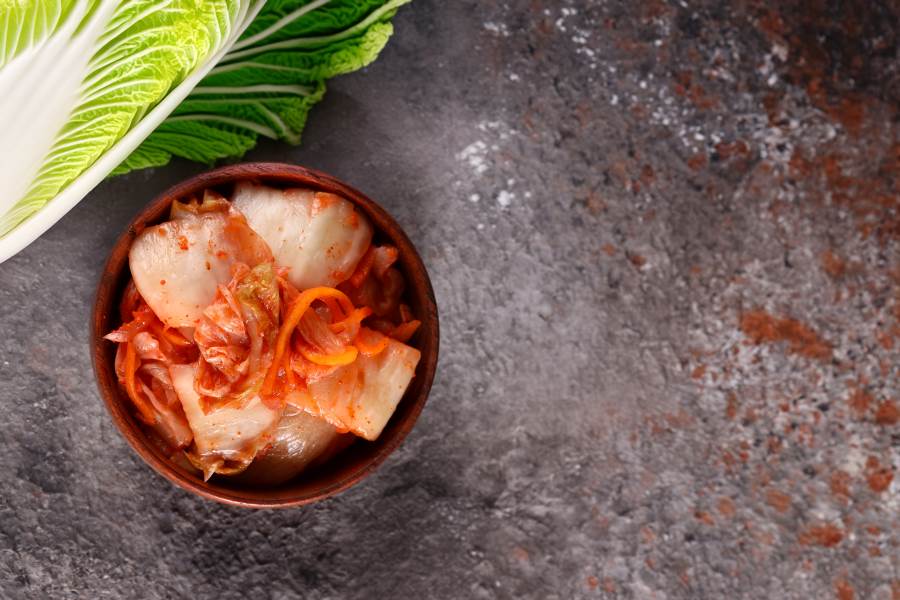
Foods like kefir, kimchi, and yoghurt are rich in probiotics which help cure constipation. Probiotic foods are recommended for elderly people and individuals with certain neurological disorders as they are more prone to constipation. Probiotics ensure smooth bowel movement for people prone to constipation since childhood.
Probiotic foods contain healthy bacteria and yeast, which are essential for your gastrointestinal tract to process food.
Out of all probiotic foods, researchers say that daily consumption of kefir can bring down your chances of constipation significantly.

Besides the foods to relieve constipation, drinking water and other fluids is the easiest way to tackle the disorder.
Water helps lubricate the entire digestive tract, which facilitates easy passage of food from the mouth to other organs. Similarly, adequate water ensures that the stool does not lose any moisture while in your colon and quickly passes out of your body.
Drinking less water dries up your digestive tract and hardens your stool. Therefore, you should drink 3-4 litres of water daily to allow proper metabolism in your body.
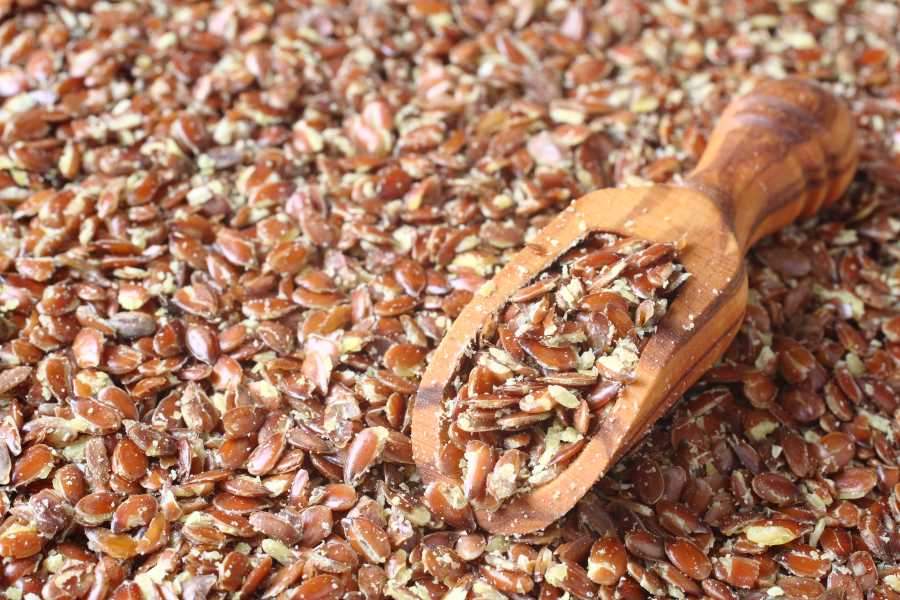
Flaxseeds are filled with soluble and insoluble fibre, which softens stool and increases bowel movement frequency. The soluble fibre forms a gel-like structure in the gut and helps with the easy elimination of waste. Flaxseeds are also rich in omega-3 fatty acids, which have anti-inflammatory effects that protect the gastrointestinal system.
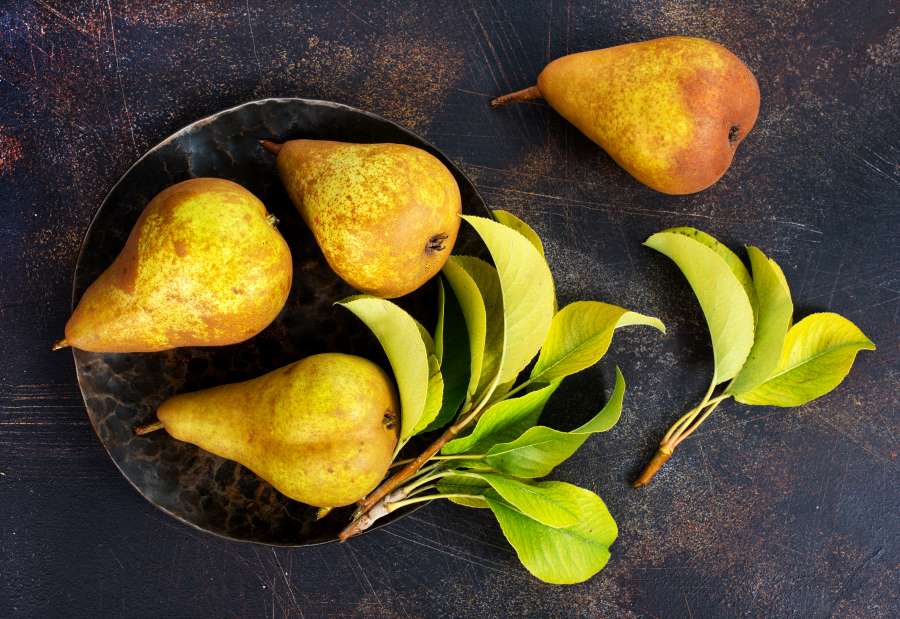
Due to their high content of fibre-rich pears, they are very effective in preventing or relieving constipation. High amounts of soluble fibre, known as pectin in pears, help induce bowel movement by softening the stool. They also have sorbitol, a sugar alcohol that acts as a natural laxative, which helps pull water into the intestines and makes it easier to pass stool.
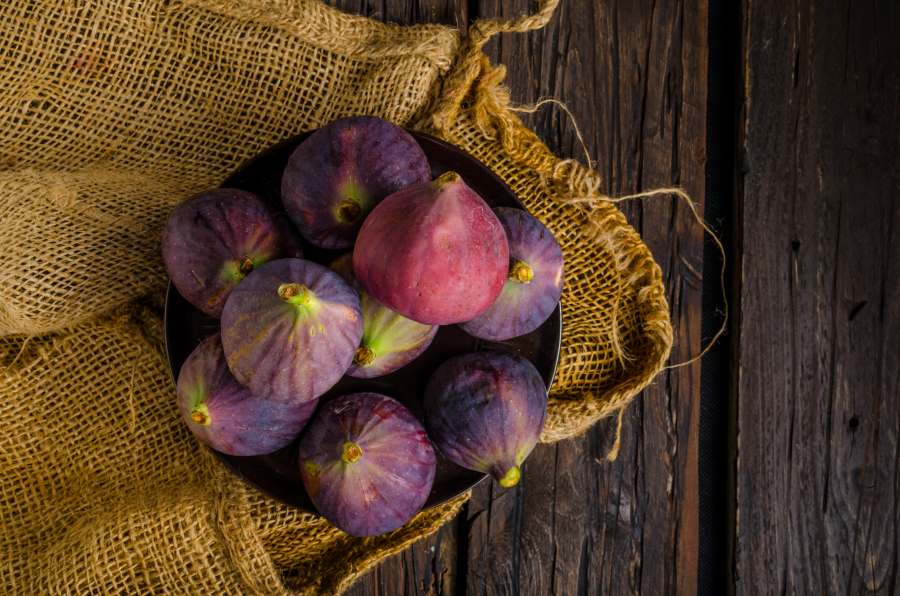
Figs are also a good source of dietary fibers that add bulk to feces, making stool easier to pass. The dominant feature of fibrous constituents, particularly the non-soluble ones, is the ability to induce peristalsis in the intestines, leading to regular bowel movement. Fresh figs have sugar compounds such as sorbitol that help soften stool.
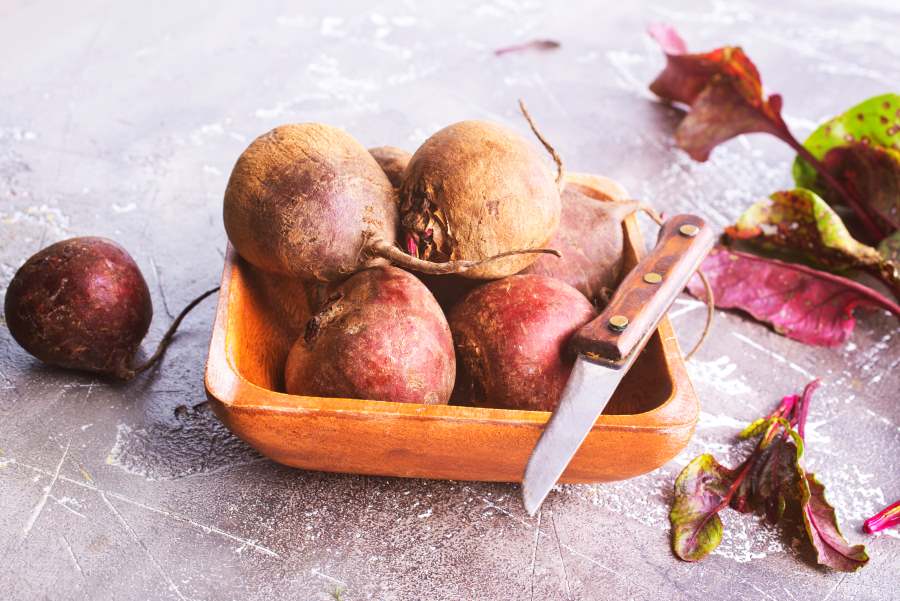
A regular diet, including beets, provides sufficient dietary soluble and insoluble fibres, which move food quickly through the intestines, avoiding constipation. Beets also help the digestive system function, as they generate bile and bile salts, thus ensuring that food is broken down and nutrients are absorbed efficiently.
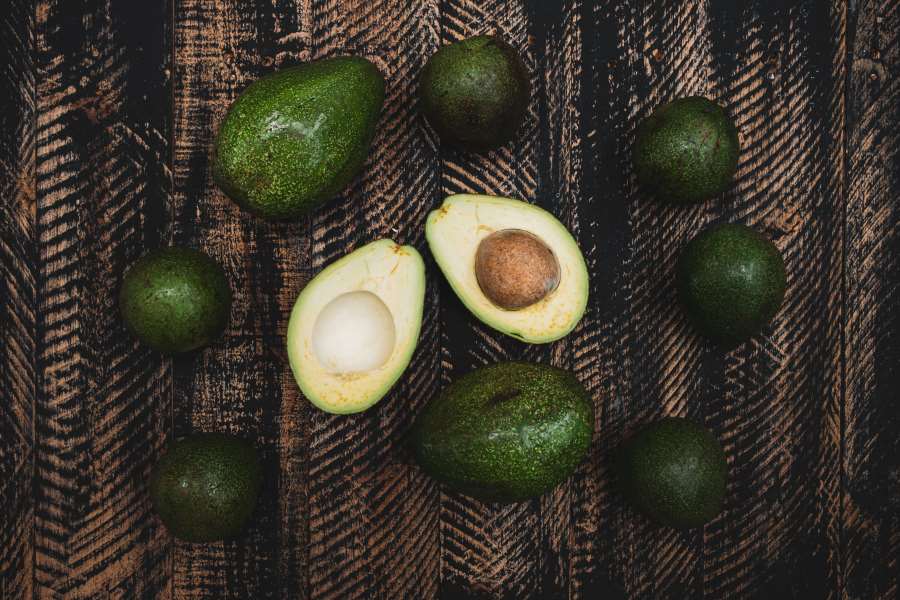
Avocados are rich in soluble and insoluble fibre, providing a quick remedy for constipation. The soluble fibre in avocados consists of a water-absorbent gel that allows for the safe expulsion of stools, while the insoluble fibre adds weight and ensures tasks related to defecation are carried through.
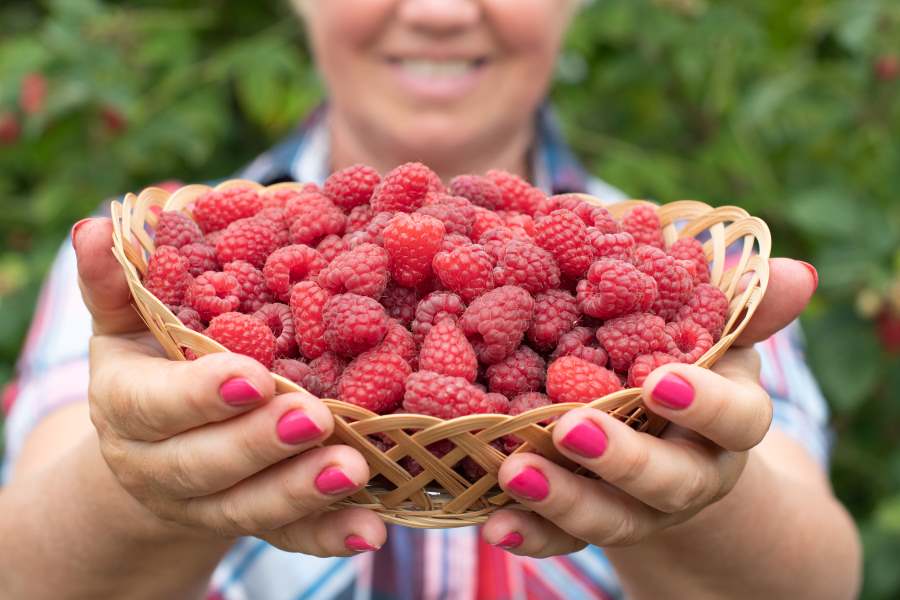
The raspberry fruit contains a considerable amount of dietary fiber, particularly the insoluble type of fiber, which is necessary to maintain bowel regularity by increasing the bulk of the stool and assisting in its movement within the intestines. A cup of raspberries contains about 8 grams of fiber, an adequate amount of fruit a person should ingest.
Constipation can lead to bloating or the feeling of bloating. Below is a table that shows food that can reduce or avoid this:
Constipation can make the stools hard, which leads to difficulty in bowel movement. Below is a list of foods to reduce or avoid this symptom:
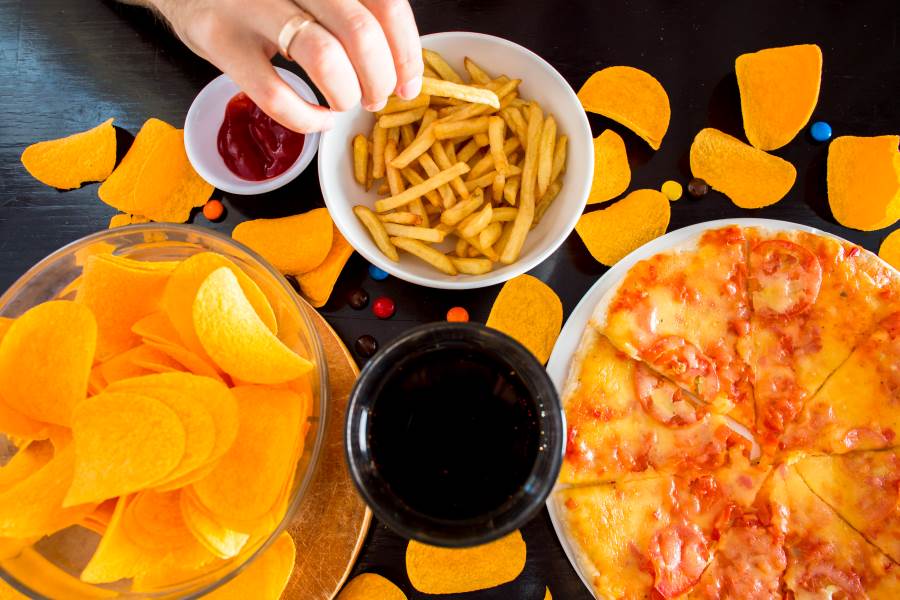
While fibre-rich foods are good for constipation, low-fibre foods can disturb your bowel movements.
Here is a list of foods to avoid if you are suffering from constipation or are prone to this disorder.
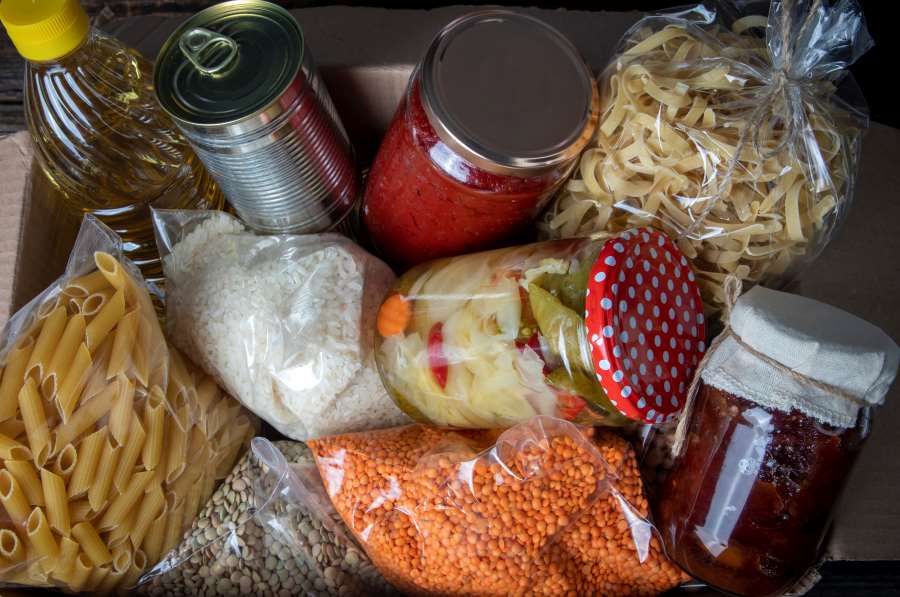
In today's lifestyle, where we hardly have time to cook, frozen foods, takeaways, and packed foods seem like our saviours. However, these foods are usually prepared with harmful oils. Thus has low nutritional value and high-fat content.
As these are low in fibre, excessive consumption of these packaged foods can make you prone to constipation. These foods are also rich in sodium and dissolve in water, preventing water from pushing the stool out of your body.
The high sodium and oil content in frozen and packaged foods can also make you prone to obesity and heart issues.
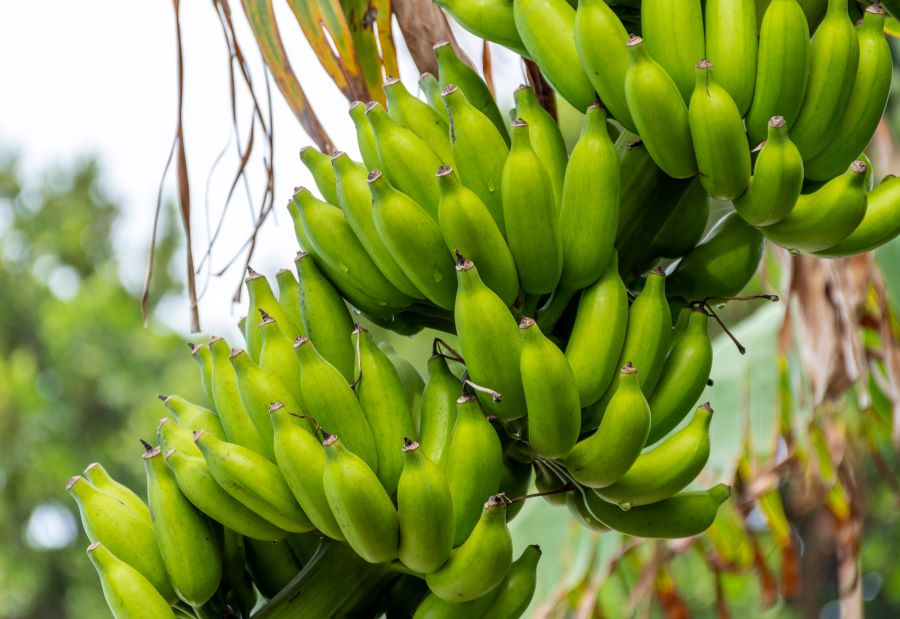
Avoid eating unripe green bananas if you are prone to constipation or suffer from one. Instead, you can opt for ripe yellow bananas, which have high fibre content and help excrete stool from your body.
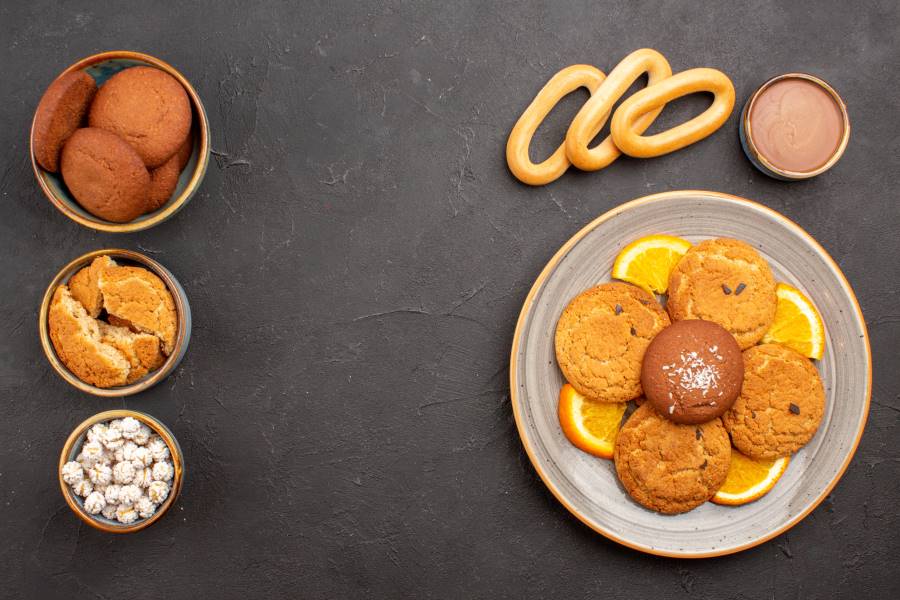
Excessive consumption of bakery items made with refined sugar and plant increase the chances of constipation. As foods like cookies, muffins, and cakes are dry and do not contain fibres, they disrupt bowel movement in your body.
Therefore, to achieve a healthy bowel movement, reduce consumption of bakery foods to a minimum.
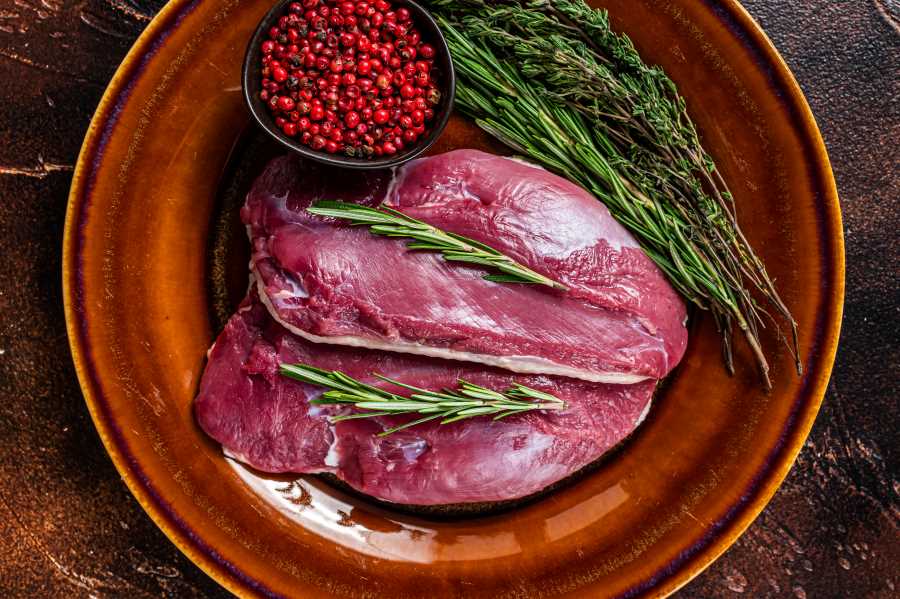
Besides the fact that red meat contains low fibre, it also takes up the place of fibre-rich foods.
A large portion of your red meat diet can reduce your consumption of many small amounts of fibrous food in the same sitting. However, as fibre intake falls, the stool hardens and cannot pass smoothly, making red meats among the worst foods for constipation relief.
Red meat is also rich in fat; hence, it takes longer to digest. As a result, you may feel bloated or constipated sometimes.

Drinking alcohol in large amounts can make you lose body fluid as urine, and can cause constipation. Alcohol makes it hard for your body to retain water, which is linked to risks of constipation.
Alcoholic beverages can dehydrate the body, making the intestines dry leading to harder and drier stools. Alcohol is necessary to flush out the bowels and promote regular stool formation.
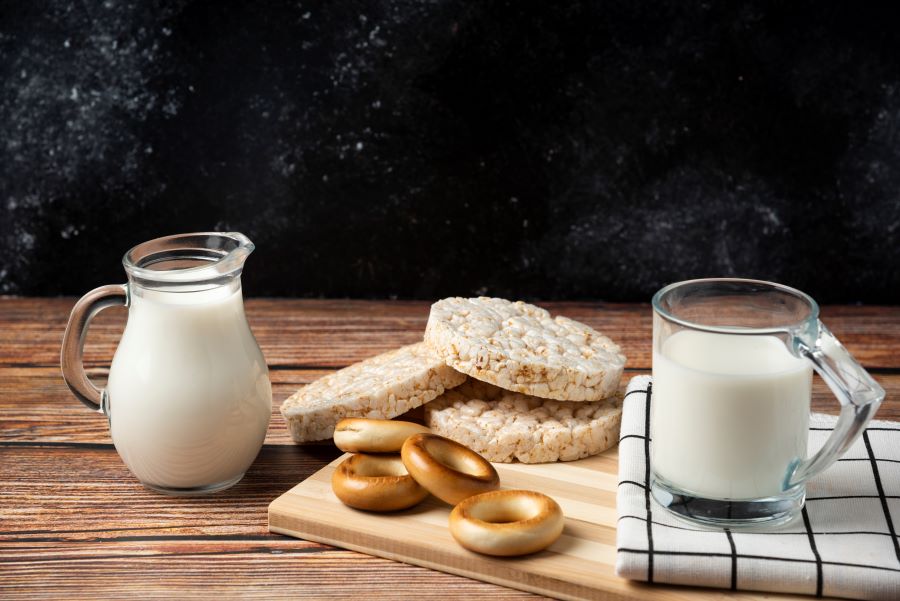
Dairy products such as milk, cheese, and ice cream can delay digestion in affected individuals, particularly those intolerant to lactose. As a result, bloating with dry stools can worsen constipation, especially in cases of lactose intolerance. Reducing or avoiding dairy products can significantly alleviate symptoms for those with lactose sensitivity.
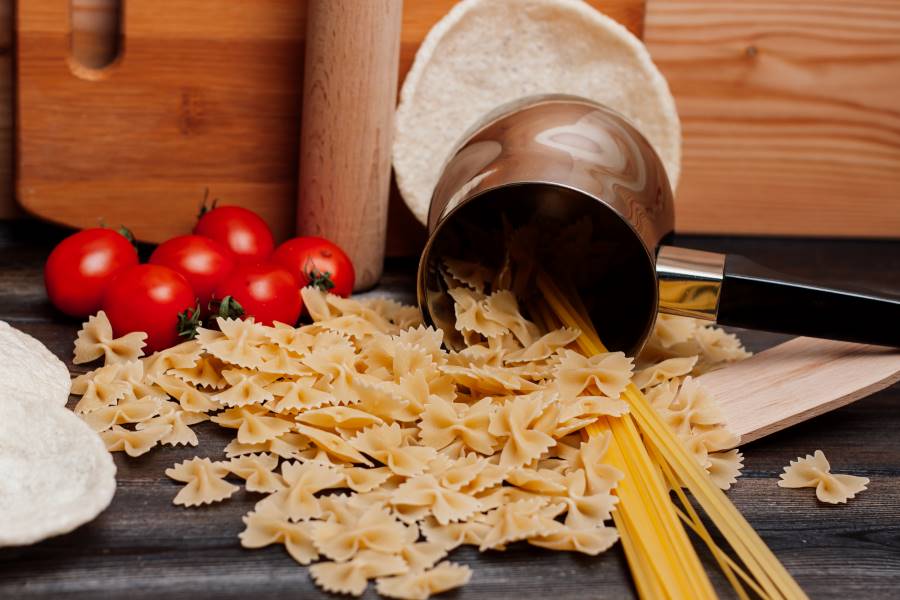
White bread, briefs, pasta, and sugar pastries have fibre removed during production. Fibre is, therefore, very important for bowel functioning; its deficiency causes stagnation and difficult defecation, leading to build-up of the stools. Opting for whole grains can improve digestion and reduce constipation.
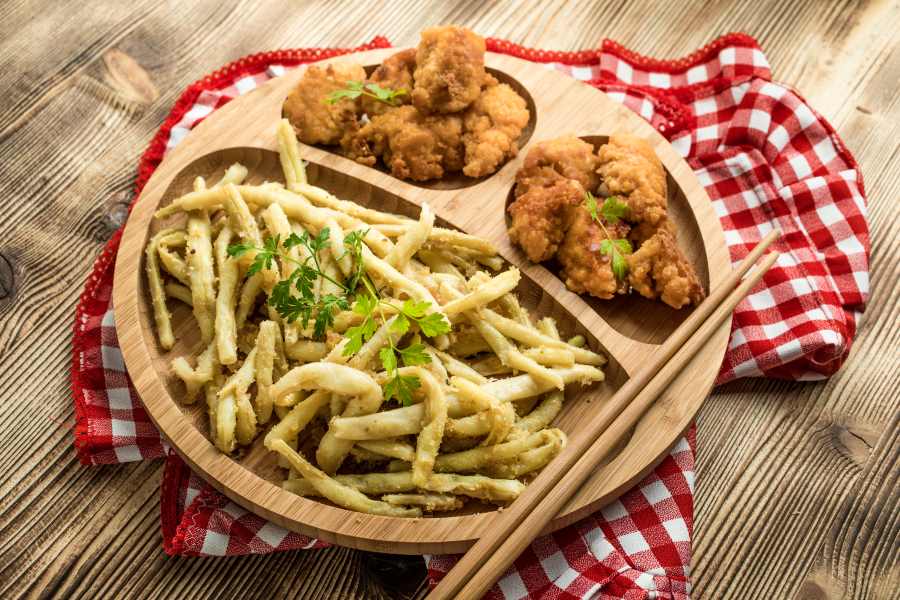
Foods such as fried chips are very rich in unhealthy fats and lack fibre, which are satiety indicators and digestive aids; such foods portend constipation. Their oily character can also be attributed to delayed bowel release. One should limit fried foods as they can promote unhealthier bowel movements.

Chocolate, especially those rich in sugar and fat, also helps with constipation since it slows down the digestion process. However, it may also lead to water deficiency, which hardens stool, making it difficult to take a dump. Balancing chocolate intake can help reduce digestive issues.
However, the effects of alcohol on bowel movements can vary from person to person. Therefore, people should always drink water to hydrate themselves and avoid the chances of constipation later.
You can plan your diet with the above foods for constipation relief. However, it is essential to remember the following points while planning your diet regime.
You do not always need to take medications for constipation as it can be easily cured by following a fibrous diet regime. In addition, however, you can opt for mild medicinal assistance. These laxative treatments catalyse the stool softening process and ensure smooth bowel movement.
Try consuming whole-grain wheat food items to keep constipation at arm's length. You can eat them raw or lightly cook them according to your taste preference.
Maintain a diary to note down which foods lead to constipation. This will help make planning your regular diet easy as you know which food to avoid for constipation.
Exercise and intense activities ensure healthy bowel movements. Therefore, try exercising for at least 20 minutes daily to prevent constipation. As expectant mothers are most prone to constipation, they should consider exercising three times a week to keep away bowel issues.
Stay on Track with These Health Tools
Several factors can cause constipation. Below is a list of possible factors leading to constipation:
A diet lacking fibre and high in processed foods will slow down bowel movements. It increases the size of stool and encourages its movement along the gut. Lack of drinking fluids can also increase the chances of constipation.
It's no secret that regular physical activity aids in proper metabolic processes along with bowels. No movements or situations for a long period can lead to inert processes and movement of the bowels.
Some drugs, including iron supplements, opioids, ethanol, and some antacids, are known to affect bowel movements as a side effect. This changes the normal movement of the digestion and causes constipation.
Some diseases can impact bowel patterns. People with brain-related diseases of paralysis and scarring of the brain tissue are also prone to sundry nerves that stomach muscles use to move materials during bowel operations.
Ignoring the urge to defecate on a regular period invites constipation. If this is done repeatedly over time, the body may adapt and no longer feel the need to go, which causes the stool to accumulate inside the colon.
Pregnancy or menopause creates hormonal changes that can impact bowel habits. For instance, the high levels of progesterone in a pregnant woman can decrease the activity of the intestines, thus causing constipation.
Constipation is treatable by adjusting your lifestyle and following a certain diet. The table below shows different ways to treat constipation:
Here are some key points to keep in mind for a healthy bowel movement:
Bowel movements have an essential role to play in causing constipation. However, it is wrong to consider it as the only reason. Short-term constipation does not stay for long. However, for long-term constipation, you could consult a doctor for its cause.
Also, make sure to check out the above healthy foods for constipation and indulge in physical exercises for smooth bowel movements.
Protect What Matters - Explore Other Insurance Options