General
Life
Accessibility Options


General

General Products
Simple & Transparent! Policies that match all your insurance needs.
 Car Insurance
 Two Wheeler Insurance
 Commercial Vehicle Insurance
 Health Insurance
 Home Insurance
 Travel Insurance
 Business Insurance
Car Insurance
Two Wheeler Insurance
Commercial Vehicle Insurance
Health Insurance
Travel Insurance
Business Insurance
Car Insurance
Two Wheeler Insurance
Commercial Vehicle Insurance
Health Insurance
Travel Insurance



Scan to download

Life

Life Products
Digit Life is here! To help you save & secure your loved ones' future in the most simplified way.
 Term Life
 Savings Plan
 Retirement and Pension Plans
 Group Life Products
 Product Documents
Term Life
Savings Plan
Retirement and Pension Plans
Group Life Products
Product Documents
Term Life
Savings Plan
Retirement and Pension Plans
Group Life Products

Scan to download

Claims

Claims
We'll be there! Whenever and however you'll need us.
 Customer Support
 Motor Claims
Health Claims
Motor Claims
Health Claims
 Marine Insurance
 Grievance Redressal
Customer Support
Motor Claims
Health Claims
Marine Insurance
Grievance Redressal
Grievance Redressal
Customer Support
Motor Claims
Health Claims
Marine Insurance
Grievance Redressal

Scan to download
 General
 Life
General
Life
Life
General
Life
Renewals
Resources

Resources
All the more reasons to feel the Digit simplicity in your life!
Exclusive Features
 Transparency Report
Others
Exclusive Features
Transparency Report
Transparency Report
Others
Exclusive Features
Transparency Report

Scan to download


Our WhatsApp number cannot be used for calls. This is a chat only number.

 Grey Scale
 Readable Text
 Reset
Reset



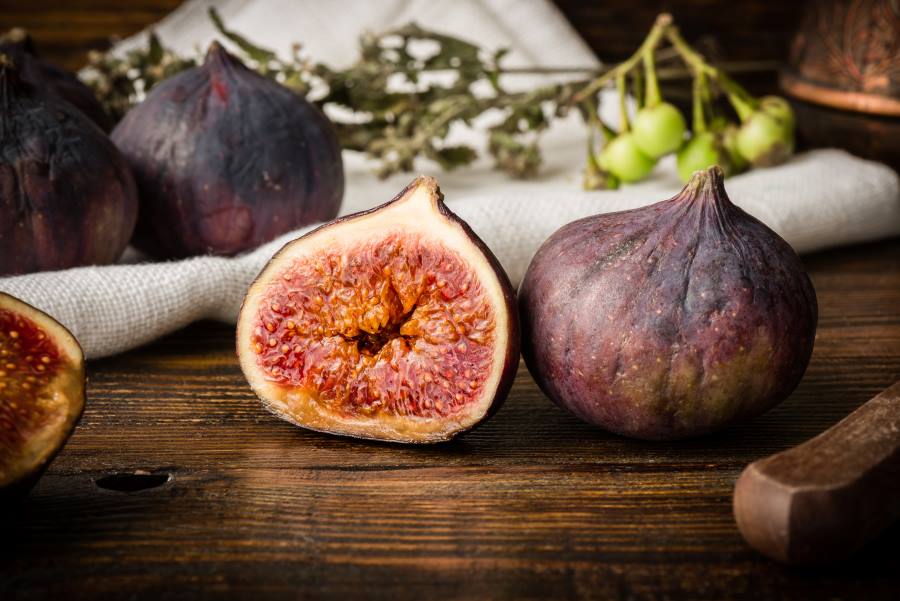
Figs, shaped like a teardrop, are a unique fruit having a soft, chewy taste, filled with numerous tiny seeds, having a pinkish flesh. They come with an edible peel, which might be green or purple in colour. Besides, fig leaves are nutritious and packed with health benefits. They may improve one's digestion, help manage blood sugar levels and lower the risk of heart disease.
If you wish to know more about the nutritional value and health benefits of figs, read along!

Table of Contents


Here are the health benefits of figs that one can derive by consuming adequate portions of the same.
Figs contain fibre that aids in improving healthy digestion by softening the stool and adding bulk to it to significantly decrease constipation and other stomach issues. It also serves as a prebiotic, providing a food source for healthy gut bacteria. Figs are actively used for the treatment of constipation. According to a few studies, fig fruit paste speeds up the movement of food through the intestines, thereby reducing constipation. Studies conducted on people suffering from Irritable Bowel Syndrome revealed that consuming 4 dried figs twice daily has significantly reduced symptoms of bloating, constipation, and pain.
Studies on people having type 1 diabetes revealed that consuming fig leaf tea along with their breakfast might decrease their insulin needs. From the month they started consuming fig leaf tea, they experienced a 12% decrease in their insulin doses. Moreover, recent studies have shown that beverages with high doses of fig extract have a Lower Glycaemic Index than beverages that don't have it. Therefore, these drinks would have better effects on blood sugar levels. However, individuals must remember that dried fig fruits can increase sugar levels in the blood since they are high in sugar. Thus, before consuming dried figs, individuals having a problem managing their blood sugar levels should consult a doctor.
Figs might even help improve one's blood fat and blood pressure levels, which in turn, helps lower risks of heart diseases. For example, a study on rats with normal and elevated blood pressure has revealed that fig extracts have decreased their blood pressure. Some studies on animals have also shown improvements in good cholesterol, triglyceride levels and total cholesterol when they were given fig leaf extracts.
Figs are filled with minerals such as magnesium, calcium and phosphorus, which promote bone health. They are especially rich in calcium, and some studies suggest that they contain 3.2 times more calcium than any other fruit. Besides, figs can help to counteract the urinary excretion of calcium, as it is a good source of potassium. This helps in reducing the chances of developing osteoporosis.
Thanks to their polyphenol content, figs are proven to have more antioxidants than green tea and wine. Polyphenols are filled with antioxidant properties which prevent oxygen from reacting with other chemicals. These antioxidants are the key to managing oxidation and help protect cells from any damage caused due to reaction with oxygen.
Figs might also be beneficial to individuals with allergies and have dry, itchy skin and allergic dermatitis. For example, another study has shown that children with dermatitis respond better to a cream made from fig fruit extracts than the standard treatment of hydrocortisone cream. Additionally, a study has shown that a mixture of fruit extracts, one including fig extracts, can decrease collagen breakdown, have antioxidant effects on the skin cells and diminish wrinkles. However, more research is being conducted to determine the exact connection between fig extracts and skin improvement.
Many studies have been conducted on what effects fig leaves have on cancer cells so far. Fig leaves and their natural latex have the potential to exhibit antitumor activity against breast cancer, liver cancer cells, and human colon cancer. However, drinking fig leaf tea or eating figs will not prevent cancer. Before reaching any conclusion, more human studies need to be conducted to understand how ingesting figs affects the growth of cancer.
Figs are rich in various nutrients like vitamins A, B, and C, which can boost the immune system. The antioxidants present in figs help fight free radicals, reducing oxidative stress and strengthening the body’s defence mechanisms. Eating figs regularly can contribute to improved immune function.
Figs are a good source of dietary fibre and essential nutrients while being relatively low in calories. The fibre content promotes satiety, helping control appetite and reduce overeating. Incorporating figs into your diet can aid in maintaining a healthy weight by providing essential nutrients without excessive calories.
Figs are packed with vitamins and minerals that are beneficial for hair health. The high content of vitamins B and E, and minerals like iron and zinc, helps nourish the hair, promote growth, and prevent hair loss. Figs also contain antioxidants that protect the hair follicles from oxidative damage, ensuring healthier and shinier hair.
Figs contain various nutrients that support mental health, including magnesium, potassium, and B vitamins. Magnesium helps regulate mood and manage stress, while potassium assists in maintaining proper nerve function. B vitamins play a role in cognitive functions.
Figs are known for their natural detoxifying properties due to their high fibre and antioxidant content. The fibre aids in flushing out toxins from the digestive system by promoting regular bowel movements. Additionally, the antioxidants help combat free radicals and reduce oxidative stress.
Figs have diuretic properties that can help maintain kidney health by promoting the excretion of waste and excess fluids. The potassium content in figs aids in balancing sodium levels in the body, which supports kidney function and prevents fluid retention.
Figs are rich in essential vitamins and minerals that can help regulate menstrual cycles. The high levels of iron and calcium in figs contribute to overall reproductive health and can alleviate symptoms of menstruation, such as cramps and mood swings.
Individuals can derive the following nutritional value from consuming one small fig, which serves approximately 40g of the fruit.
Individuals must remember that fresh figs are highly nutritious and provide a variety of minerals and vitamins. Having said that, dried figs are rich in calories as there is a high concentration of sugar in them.

Now that you already know the health benefits of eating figs, you should try to incorporate it into your daily diet. Here’s a breakdown of the different ways to include figs in your daily diet:
One can have figs as whole fruit, and he/she does not even need to remove the seeds if they are in the middle. The seeds are edible and add fibre, making them a convenient choice. Simply wash and eat for a quick boost of natural energy and health benefits.
One can also add figs to milkshakes or juices and have it. To make the juices more nourishing and delicious, one can add nuts as toppings. Blend figs into milkshakes or juices for added sweetness and nutrition. Combine with milk and yoghurt for a creamy shake.
Individuals can also add combinations of other fruits and make a fruit bowl or fruit salad. Mix chopped figs with other fresh fruits like berries and citrus for a vibrant, nutrient-rich combination. For added variety and crunch, top with nuts, a sprinkle of seeds, or a drizzle of honey.
Individuals who like to start their day on a healthy note by eating a bowl full of cereals can add figs as a topping and make it more nutritious. They enhance the flavour and nutritional value of your breakfast. Figs can be paired with granola or yoghurt for a complete meal.
Add chopped figs to muffin batter for a naturally sweet and chewy texture. They can replace some of the sugar in the recipe, providing added fibre and nutrients. Figs complement spices like cinnamon and nutmeg well.
Incorporate chopped figs into bread recipes for a delicious and moist loaf. They add natural sweetness and texture, enhancing both flavour and nutritional value. Figs work well in whole grain or white bread recipes.
Mix chopped figs into cookie dough for a unique, chewy bite with natural sweetness and a rich, fruity flavour. Their chewy texture complements other ingredients, such as nuts, oats, or chocolate chips, creating a delightful contrast in each bite.
One can add figs to their daily diet in the form of fig leaf tea as well. To make fig leaf tea, one can crush the fig leaves or buy the same from the market and boil it in the water to make tea. This is the easiest way to include figs in your diet.
Calculate Your Health Metrics Instantly
The following risks are associated with consuming too many figs:
Overeating figs can lead to discomfort and may affect blood sugar levels. Moderation is key to enjoying their benefits while avoiding potential side effects.
Although individuals get a number of health benefits from eating figs, it should be avoided by people with certain medical conditions, including:
Remember to enjoy figs in moderation and consult with your doctors if you have any health concerns. Enjoy the benefits of figs while being mindful of potential risks.
This is all for the nutritional value and health benefits of figs. If consumed adequately, fig leaves, fig, and fig tea are beneficial for health. However, if any complications arise, one should stop consuming it at the earliest. If you are consuming figs for the first time, start having them in low proportions, as high amounts might have a laxative effect.
Protect What Matters - Explore Other Insurance Options