General
Life
Accessibility Options


General

General Products
Simple & Transparent! Policies that match all your insurance needs.
 Car Insurance
 Two Wheeler Insurance
 Commercial Vehicle Insurance
 Health Insurance
 Home Insurance
 Travel Insurance
 Business Insurance
Car Insurance
Two Wheeler Insurance
Commercial Vehicle Insurance
Health Insurance
Travel Insurance
Business Insurance
Car Insurance
Two Wheeler Insurance
Commercial Vehicle Insurance
Health Insurance
Travel Insurance



Scan to download

Life

Life Products
Digit Life is here! To help you save & secure your loved ones' future in the most simplified way.
 Term Life
 Savings Plan
 Retirement and Pension Plans
 Group Life Products
 Product Documents
Term Life
Savings Plan
Retirement and Pension Plans
Group Life Products
Product Documents
Term Life
Savings Plan
Retirement and Pension Plans
Group Life Products

Scan to download

Claims

Claims
We'll be there! Whenever and however you'll need us.
 Customer Support
 Motor Claims
Health Claims
Motor Claims
Health Claims
 Marine Insurance
 Grievance Redressal
Customer Support
Motor Claims
Health Claims
Marine Insurance
Grievance Redressal
Grievance Redressal
Customer Support
Motor Claims
Health Claims
Marine Insurance
Grievance Redressal

Scan to download
 General
 Life
General
Life
Life
General
Life
Renewals
Resources

Resources
All the more reasons to feel the Digit simplicity in your life!
Exclusive Features
 Transparency Report
Others
Exclusive Features
Transparency Report
Transparency Report
Others
Exclusive Features
Transparency Report

Scan to download


Our WhatsApp number cannot be used for calls. This is a chat only number.

 Grey Scale
 Readable Text
 Reset
Reset



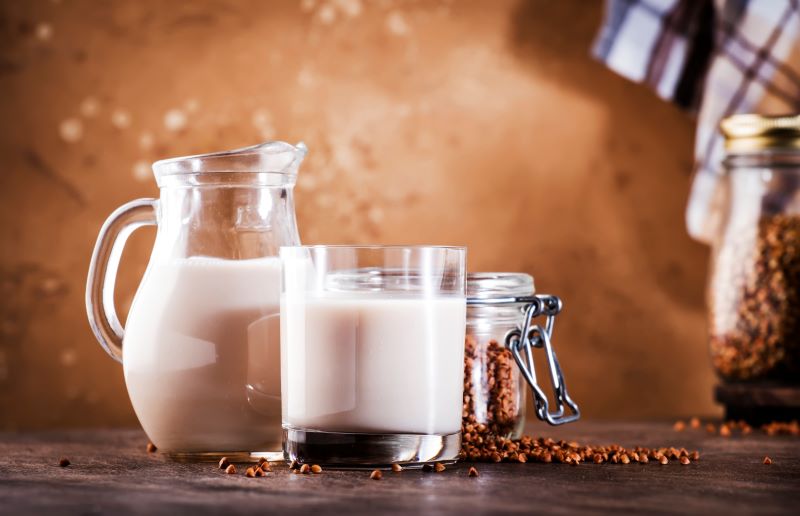
Milk is a nourishing drink full of nutrients that can substitute any meal. This is likely the most popular drink all over the world. In recent years, we have seen a rise in traditional cow milk intake, and plant-based milk intake has also increased.
All physicians agree that milk must be drunk daily to maximise its benefits. Yet, some people cannot always do so. Therefore, drinking some milk or a milk-based product daily is prudent.

Table of Contents

In mammals, including humans, mammary glands produce milk, a milky liquid through which their offspring can be nourished. It becomes their first food before they can start eating solid foods.
The drink is rich in calcium, vitamin D, protein, B12, A, riboflavin, potassium, and phosphorus, making it a highly nutritious diet. It also contains saturated fats and lactose.
Milk contains calcium, one of the abundant vitamins and minerals that may prevent osteoporosis and support bone health. It also contains protein and vitamin D, which help improve moods and keep the brain healthy.
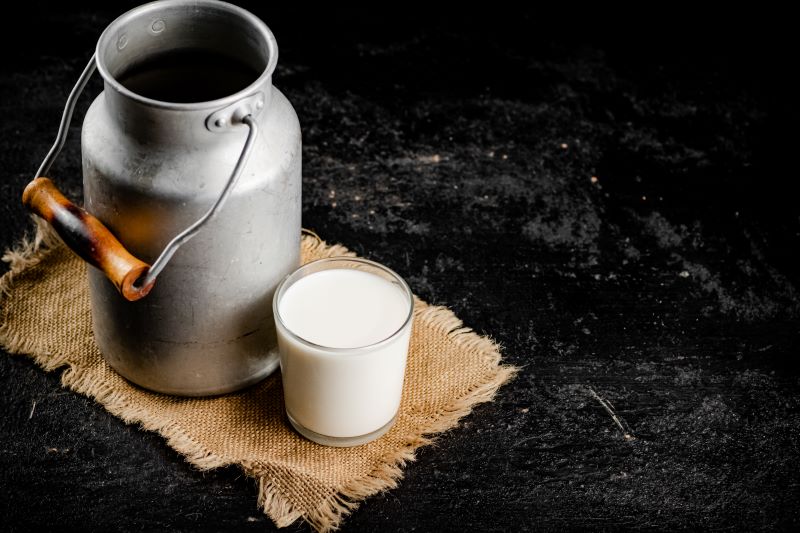
Milk contains life-sustaining ingredients such as vitamins, minerals, and proteins, which are important for various body processes. The following are some of the health benefits associated with taking milk regularly:
To avoid problems like migraines, osteoporosis or PMS, it is good to drink milk frequently because when taken this way, the body can avoid getting sick again. Also, milk is rich in calcium, which helps in making strong bones.
Daily milk intake is highly associated with a reduced risk of fractures and osteoporosis. It also helps to promote bone mass development in the early stages of life. So, it is beneficial to start milk intake early to avoid fragile bones.
The presence of calcium in milk helps promote good cardiac health and, at the same time, boosts proper bone development. This lowers the danger of developing high blood pressure, heart-related diseases and the chances of stroke.
People can control weight by milking and consuming milk while resisting random food desires. When taken each day, milk can assist in weight management and preventing obesity as it is low in calories.
The inadequacy of vitamin D is also one cause of severe depression. Milk contains high amounts of vitamins, aiding in a faster recovery from depression as well as other neurological disorders.
Milk is good for the mind because it has a lot of nutrients like calcium, vitamin D and proteins, which are important for making neurotransmitters and thinking. It can stabilise moods and make people emotionally stronger if they drink it regularly as part of their diet that’s balanced.
The greater part of what we consume is made up of foods that are either highly nutritious or acidic, contributing to the prevalence of heartburn. Still, when it comes to cooling properties, milk’s ability to settle acid reflux in the stomach lining and oesophagus is unique.
Milk has been used as a cleaning and moisturising agent from time immemorial. Even today, milk components are part of many organic skin care products. Skin lightening and purification are among its qualities.
Calcium is the only element that truly keeps our teeth safe. Therefore, ensuring its internal health is equally crucial to cleaning them regularly. To achieve it, the easiest thing would be to take extra glasses of milk daily.
Milk is filled with tryptophan, an amino acid responsible for sleep initiation. Humans must consume it daily because our bodies cannot produce it naturally. Therefore, individuals experiencing sleeplessness should take some milk before going to bed.
Milk is a powerful friend that helps you strengthen your immunity because it contains many healthy substances. With vitamins A & D plus necessary zinc and selenium, milk is a cornerstone of our protection against infections and diseases.
There are various enzymes in milk. These enzymes are lactase, lipase and protease, which are responsible for the digestion of fats, carbohydrates and proteins in milk. Those who are not capable of consuming dairy products may benefit from these.
Milk's nutritional content is essential for understanding its significance as a source of essential nutrients. Fermented dairy is a source of many vital nutrients required for health sustenance.
As per the Research, below is the nutritional composition of 100 grams of Milk:
Nutrients |
Values |
| Proteins | 3.37 Kcal |
| Calories | 42 g |
| Calcium | 125 mg |
| Vitamin B12 | 0.47 ug |
| Vitamin D | 1 IU |
| Potassium | 150 mg |
| Riboflavin | 0.185 mg |
| Phosphorous | 95 mg |
| Niacin | 0.093 mg |
| Selenium | 3.3 ug |
Calculate Your Health Metrics Instantly

Incorporating milk into a diet that excludes dairy products for picky eaters might be challenging. But if you want to increase your daily consumption, try these approaches.
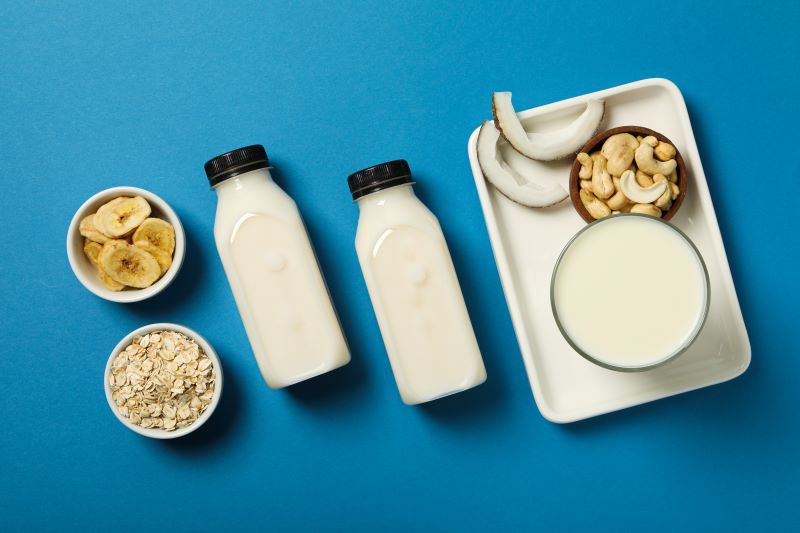
Incorporating milk into your diet can be both delicious and nutritious. Here are various ways you can enjoy milk:
It is important to select the milk type that best fits your nutritional requirements and preferences, be it soy, almond, cow's milk, or any other available alternative.
Many people consume milk without experiencing any adverse effects. However, others may have an adverse reaction.
Although milk is a necessary part of a balanced diet, it must be consumed in moderation, and each individual's dietary requirements and tolerances must be considered. The right amount of milk for best health can be determined by speaking with a trained dietitian or healthcare provider.
Although milk offers many health benefits, it's important not to over-consume it. Here are a few circumstances when milk should be consumed less than the recommended daily intake.
Symptoms of lactose intolerance are as follows:
Many non-dairy solutions have emerged recently for people unable to ingest conventional milk. Among them are:
There are still some widespread misconceptions about milk's advantages for internal health. For example, milk can produce mucous or create kidney stones. Disregard these misconceptions and concentrate on the true advantages instead.
The benefits of milk in your diet are numerous and significant. From providing essential nutrients like calcium, protein, and vitamins to promoting strong bones and teeth, milk plays a crucial role in maintaining overall health. Additionally, its ability to aid in muscle growth and repair, support hydration, and contribute to a balanced diet makes it a valuable addition to any meal plan.
Protect What Matters - Explore Other Insurance Options