General
Life
Accessibility Options


General

General Products
Simple & Transparent! Policies that match all your insurance needs.
 Car Insurance
 Two Wheeler Insurance
 Commercial Vehicle Insurance
 Health Insurance
 Home Insurance
 Travel Insurance
 Business Insurance
Car Insurance
Two Wheeler Insurance
Commercial Vehicle Insurance
Health Insurance
Travel Insurance
Business Insurance
Car Insurance
Two Wheeler Insurance
Commercial Vehicle Insurance
Health Insurance
Travel Insurance



Scan to download

Life

Life Products
Digit Life is here! To help you save & secure your loved ones' future in the most simplified way.
 Term Life
 Savings Plan
 Retirement and Pension Plans
 Group Life Products
 Product Documents
Term Life
Savings Plan
Retirement and Pension Plans
Group Life Products
Product Documents
Term Life
Savings Plan
Retirement and Pension Plans
Group Life Products

Scan to download

Claims

Claims
We'll be there! Whenever and however you'll need us.
 Customer Support
 Motor Claims
Health Claims
Motor Claims
Health Claims
 Marine Insurance
 Grievance Redressal
Customer Support
Motor Claims
Health Claims
Marine Insurance
Grievance Redressal
Grievance Redressal
Customer Support
Motor Claims
Health Claims
Marine Insurance
Grievance Redressal

Scan to download
 General
 Life
General
Life
Life
General
Life
Renewals
Resources

Resources
All the more reasons to feel the Digit simplicity in your life!
Exclusive Features
 Transparency Report
Others
Exclusive Features
Transparency Report
Transparency Report
Others
Exclusive Features
Transparency Report
Scan to download


Our WhatsApp number cannot be used for calls. This is a chat only number.

 Grey Scale
 Readable Text
 Reset
Reset



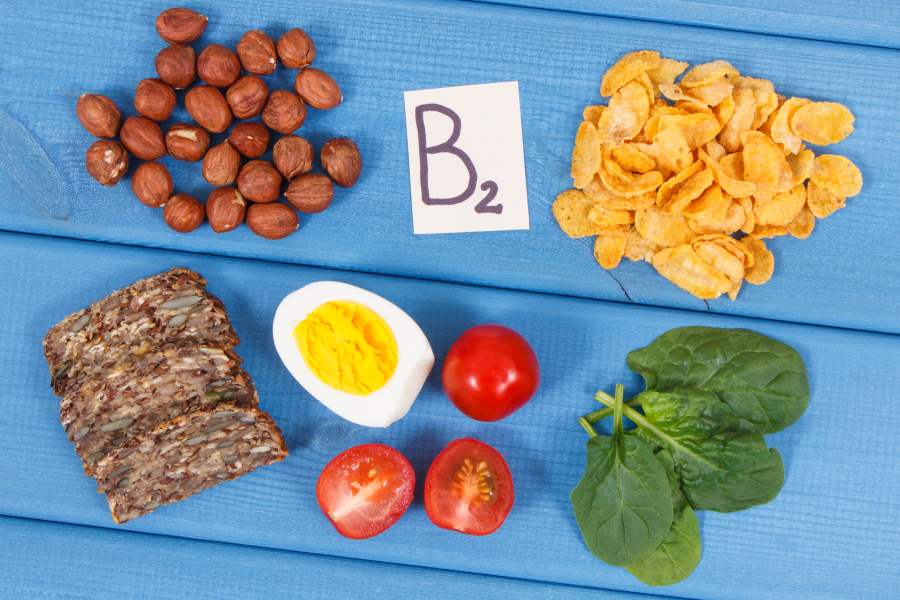
Vitamin B complex is a group of 8 vitamins that performs several functions in the human body. The deficiency of any one of these vitamins causes life-threatening diseases.
Therefore, it is crucial to include this vitamin in your diet to combat deficiency diseases. For your convenience, we have collected information from several sources and put together this piece on vitamin B2 deficiency diseases, their symptoms and causes.
Without further ado, let’s delve deeper!

Table of Contents

If you do not include vitamin B2 rich foods in your diet, there is a fat chance of you contracting a deficiency disease. Anyone who has a poor diet is at significant risk of vitamin B2 deficiency. More often than not, a person with B2 deficiency may also lack other vitamins in his body.
Generally speaking, there are two types of B2 deficiency:
Therefore, it is vital to include foods that contain vitamin B2 in your diet on a daily basis to avoid riboflavin deficiency or ariboflavinosis.
However, if you are unsure of your daily intake of B2 rich foods, you might develop some vitamin B2 deficiency symptoms.
While riboflavin deficiency is relatively rare in the developed world, up to 50% of people in developing nations may suffer from a moderate deficit. Thyroid issues may raise the chance of a deficit. A riboflavin deficit often coexists with other nutritional deficiencies, such as malnutrition.
Most cases of riboflavin insufficiency occur in underdeveloped nations in Asia and Africa. Since the body cannot absorb much riboflavin when taking birth control pills, older persons, alcoholics, and women are more prone to suffer from riboflavin shortage.
There are several symptoms of vitamin B2 deficiency in adults as well as children. Some of them are as follows:
| Sr.No | Symptoms | Description |
| 1 | Visible cracks at the corners of the mouth, also known as angular cheilitis. | Angular cheilitis occurs due to inflammation and cracking of the corners of the mouth. Riboflavin deficiency can lead to changes in the mucous membranes and skin, causing them to become dry, cracked, and vulnerable to infections like angular cheilitis. |
| 2 | Cracked lips, dry lips and other skin deformities. | A deficiency can result in dry, cracked lips and skin deformities due to impaired collagen production and overall skin integrity. |
| 3 | Inflammation of tongue and lining of the mouth. | Riboflavin deficiency can cause mucous membranes, including those in the mouth and tongue, to become inflamed and sore. This condition is known as stomatitis and can lead to discomfort and difficulty in eating and swallowing. |
| 4 | Mouth ulcers | Ulcers in the mouth can develop due to riboflavin deficiency, as the vitamin is involved in maintaining the health of the oral mucosa. Inadequate levels of riboflavin may weaken the mucosal lining, making it more susceptible to ulcer formation. |
| 5 | Red lips | Vitamin B2 deficiency can cause changes in the appearance of the lips, making them redder than usual. This symptom often accompanies other signs of riboflavin deficiency, such as dryness and cracking. |
| 6 | Sore throat | Inflammation and irritation of the throat can result from riboflavin deficiency, contributing to a sore throat. The vitamin's role in maintaining mucosal integrity affects the health of the throat lining. |
| 7 | Scrotal dermatitis | Scrotal dermatitis refers to inflammation and irritation of the skin on the scrotum. Riboflavin deficiency can lead to skin conditions like dermatitis due to its role in maintaining skin health and integrity |
| 8 | Anaemic conditions | Riboflavin deficiency can indirectly contribute to anaemia by impairing iron metabolism. Iron deficiency anaemia may occur when riboflavin is insufficient, as riboflavin is involved in the body's activation and utilization of iron. |
| 9 | Fluid accumulation in mucous membranes. | Riboflavin deficiency can disrupt normal fluid balance in mucous membranes, leading to oedema or swelling due to impaired cellular function and integrity of the mucosal tissues. |
| 10 | Itchy, watery and bloodshot eyes. | The eyes can be affected by riboflavin deficiency, causing symptoms like itching, watering, and redness due to impaired maintenance of the corneal and conjunctival tissues. |
| 11 | Depression | While the exact mechanism is not fully understood, riboflavin deficiency has been associated with mood disturbances and symptoms of depression, possibly due to its role in neurotransmitter synthesis and cellular energy production. |
| 12 | Reproductive issues | Inadequate riboflavin levels may impact reproductive health, potentially contributing to fertility issues in both men and women. The exact mechanisms involve riboflavin's role in cellular metabolism and hormone production. |
| 13 | Fatigue | Riboflavin deficiency can lead to overall fatigue and weakness due to its essential role in energy metabolism. Without sufficient riboflavin, cells cannot efficiently produce energy from nutrients, leading to fatigue. |
| 14 | Blurred vision | Vision disturbances, including blurred vision, can occur with riboflavin deficiency due to its involvement in maintaining eye health and visual function. Insufficient riboflavin levels may affect the health of the cornea and other eye structures. |
Other severe symptoms like degeneration of the liver and nervous system and improper metabolism of other B vitamins indicate vitamin B2 deficiency diseases.
In addition to inadequate intake, vitamin B2 deficiency causes include abnormalities concerning endocrine like hyposecretion of thyroid hormone and some other diseases.
Here is a list of factors that contribute to B2 deficiency:
Diagnosing vitamin B2 (riboflavin) deficiency involves clinical assessment, dietary history, and laboratory testing. Here are the methods used for diagnosis:
The initial step involves evaluating symptoms that could indicate riboflavin deficiency. Common symptoms include cracks or sores at the corners of the mouth (cheilosis), inflammation and redness of the lining of the mouth (stomatitis), a swollen, red tongue (magenta tongue), and dermatitis. Eye symptoms such as sensitivity to light (photophobia) and itching, burning, or watering of the eyes may also be present.
A detailed history of the patient's diet is important because riboflavin deficiency is often linked to inadequate dietary intake. Questions about the consumption of dairy products, meat, fish, green vegetables, and fortified cereals can provide clues about riboflavin intake.
Measurement of riboflavin levels in the blood can help diagnose deficiency. However, direct measurement of riboflavin itself is not commonly done due to technical challenges. Instead, indirect markers such as erythrocyte glutathione reductase activity coefficient (EGRAC) are used. EGRAC increases in the presence of riboflavin deficiency.
Urinary excretion of riboflavin and its metabolites can be measured. Low urinary excretion indicates riboflavin deficiency, as the body conserves riboflavin when intake is insufficient.
In some cases, genetic testing may be used to identify specific genetic disorders that affect riboflavin metabolism, leading to deficiency.
One of the confirmatory tests for riboflavin deficiency is observing clinical improvement in symptoms after starting riboflavin supplementation. Improvement in symptoms such as cheilosis, stomatitis, or skin lesions supports the diagnosis.
In severe cases where other methods are inconclusive, a biopsy of the tongue or other affected tissues may reveal characteristic changes associated with riboflavin deficiency.
Include adequate vitamin B2 rich foods in your diet to prevent deficiency. Below are the top foods rich in vitamin B2 to include in your diet:
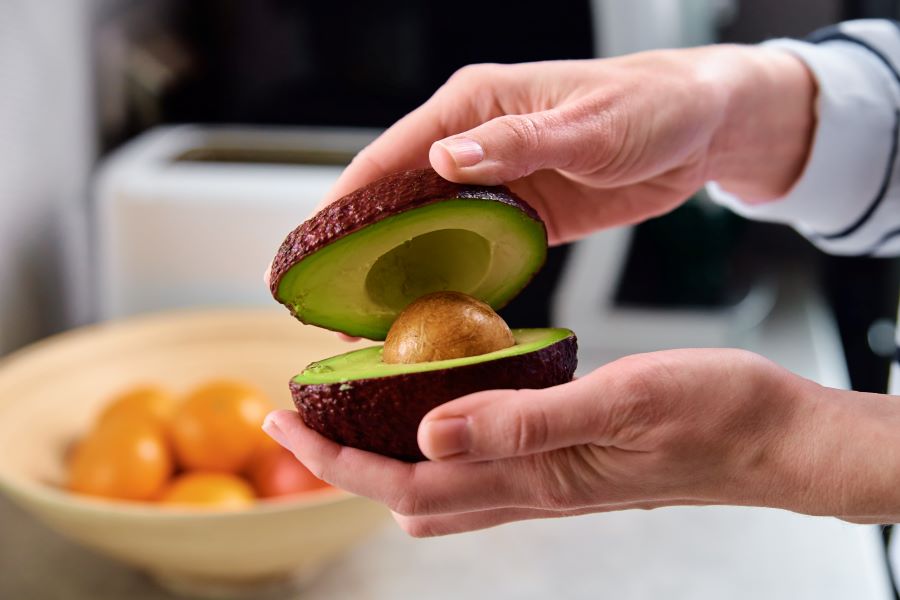
The following table shows a list of fruits which are best for vitamin B2 increase:
| Sr.No | Fruits | Nutritional Value (Vitamin B2 per 100g) |
| 1 | Avocado | 0.1 mg |
| 2 | Dried apple | 0.2 mg |
| 3 | Banana | 0.1 mg |
| 4 | Dates | 0.1 mg |
| 5 | Passion fruit | 0.1 mg |
| 6 | Muscadine grapes | 1.5 mg |
| 7 | Durian | 0.2 mg |
| 8 | Tamarind | 0.2 mg |
| 9 | Mamey sapote | 0.1 mg |
| 10 | Dried longans | 0.5 mg |
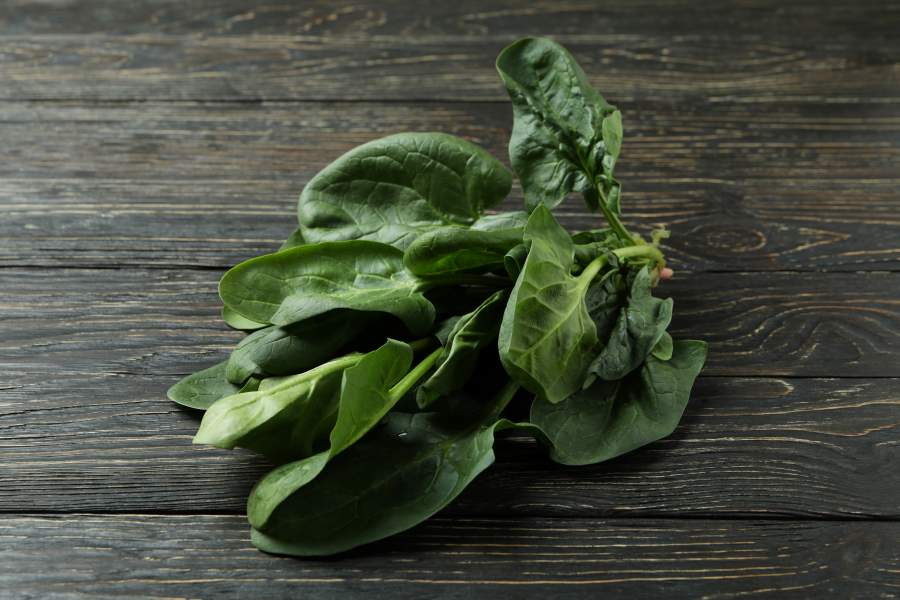
These vegetables will help you overcome vitamin B2 deficiency. Include them in your diet to have adequate intake.
| Sr.No | Vegetables | Nutritional Value (Vitamin B2 per 100g) |
| 1 | Spinach | 0.2 mg |
| 2 | Kidney beans | 0.3 mg |
| 3 | Tomato | O.5 mg |
| 4 | Asparagus | 0.1 mg |
| 5 | Dried spirulina seaweed | 3.7 mg |
| 6 | Artichoke | 0.1 mg |
| 7 | Sweet potatoes | 0.1 mg |
| 8 | Kelp | 0.2 mg |
| 9 | Chinese broccoli | 0.2 mg |
| 10 | Peas | 0.1 mg |
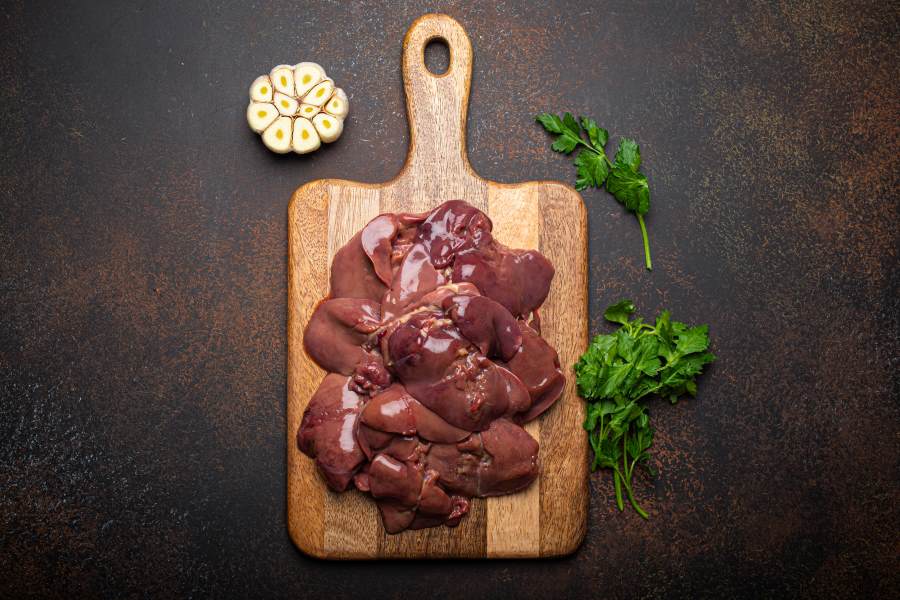
Here are other options besides fruits or vegetables to include in your diet. Increase your vitamin B2 intake through these:
| Sr. No | Food Items | Nutritional Value (Vitamin B2 per 100g) |
| 1 | Liver | 3.63 mg |
| 2 | Egg | 0.5 mg |
| 3 | Salmon | 0.5 mg |
| 4 | Squid | 0.412 mg |
| 5 | Button mushroom | 0.5 mg |
Useful Tools to Track Your Health
The Recommended Dietary Allowance (RDA) for both men and women over the age of 19 is 1.1 mg and 1.3 mg daily, respectively. The dosage rises to 1.4 mg and 1.6 mg per day during pregnancy and lactation, respectively.
Estimated average daily intake level that satisfies 50% of healthy individuals' needs; typically used to evaluate nutrient intakes of groups and develop diets that are appropriate for them, but it can also be used to evaluate nutrient intakes of individuals.
Studies show that long-term deficiency of vitamin B2 can lead to heart and brain disorders and even some cancers. Therefore, if you are wondering about which diseases are caused by deficiency of vitamin B2, you must know that patients have chances of developing migraines and cardiovascular diseases in the long run.
However, overconsumption of riboflavin beyond recommended intakes can result in toxicity. This happens because the gastrointestinal tract can absorb the nutrient up to a specific limit. Therefore, it is necessary to consume vitamin B2 foods or supplements as per the recommended dietary allowance.
Riboflavin deficiency symptoms include swollen throat, blurred vision, and fatigue. It can harm the skin around the mouth, leading to dermatitis, inflammation, and fissures. In addition to problems with reproduction, there may be oedema and hyperemia around the throat, liver damage, and hair loss.
Skin disorders, hyperemia (excess blood), oedema of the mouth and throat, angular stomatitis (lesions at the corners of the mouth), cheilosis (swelled, cracked lips), hair loss, reproductive problems, and sore throats are all symptoms of riboflavin deficiency, also known as ariboflavinosis.
Treatment for vitamin B2 (riboflavin) deficiency typically involves supplementation and dietary changes. Here are the key approaches:
| Treatment Method | Description |
| Oral Supplementation | Riboflavin supplements are commonly used to treat deficiencies. These are available over-the-counter in various strengths. The typical dose for adults is 5-30 mg daily, although higher doses may be recommended in severe cases. |
| Dietary Changes | Increase riboflavin-rich foods such as dairy products (milk, cheese, yoghurt), lean meats (especially liver and kidney), eggs, green leafy vegetables, and fortified cereals. |
| Monitoring and Follow-Up | Regularly monitor symptoms and follow up with healthcare providers to assess response to treatment and adjust as necessary. |
| Lifestyle Changes | Reduce alcohol consumption, as excessive alcohol intake can impair riboflavin absorption and increase its excretion. |
The ideal way to prevent diseases that occur due to deficiency of vitamin B2 is to increase the intake of vitamin B2 rich foods. Patients must consider taking riboflavin supplements or daily multivitamins in more serious cases like malabsorption, haemodialysis, etc.
To combat vitamin B2 deficiency diseases, doctors or physicians prescribe oral intake of riboflavin along with other water-soluble vitamins. The RDA for human beings of age 19-50 years is 1.3 mg(for males) and 1.1 mg(for females). In the event of deficiency, higher intake of riboflavin is unlikely to be harmful as the excess amount is flushed through the urinary system.
After diagnosing B2 deficiency by therapeutic trials and laboratory testing, doctors prescribe a treatment protocol for patients, including oral tablets and riboflavin injections. However, the recovery time depends on the severity of your condition.
In simpler cases, a proper diet rich in vitamin B2 can compensate for the loss of riboflavin in your body. However, there might be some serious effects on the nervous system and other anatomical changes in some cases. In that case, such conditions may take a longer time to rectify.
Regardless, knowing about the severity of vitamin B2 deficiency diseases along with their causes and symptoms will help you take preventive measures starting now.
Given below are some groups of people at the risk of contracting vitamin B2 deficiency diseases:
Athletes undergo rigorous exercises that produce stress in the metabolic pathways and result in using up riboflavin. Therefore, they need additional riboflavin in their bodies to avoid deficiency diseases. However, vegetarians exclude consuming meat products rich in vitamin B2, increasing the potential risk of deficiency.
Lactating mothers or pregnant women who rarely consume meat are at a higher risk of riboflavin deficiency. This, in fact, leads to birth defects in infants as the mother’s deficiency has adverse effects on their babies.
Meat and dairy products contain a substantial amount of riboflavin. Therefore, vegans who avoid intake of these vitamin B2 rich food items are prone to B2 deficiency. Furthermore, individuals belonging to developing countries lacking proper access to meat and milk are also at a greater risk.
This rare neurological disorder can occur anytime between infancy and young adulthood. It results in loss of hearing, respiratory difficulties and other symptoms. As this disease results from genetic mutations that encode riboflavin transporters, patients are unable to absorb and transport riboflavin resulting in a deficiency.
All these individuals must follow a proper diet and increase consumption of vitamin B2 to maintain a healthy body. However, serious symptoms are difficult to reverse and lead to long-term effects.
Protect What Matters - Explore Other Insurance Options