General
Life
Accessibility Options


General

General Products
Simple & Transparent! Policies that match all your insurance needs.
 Car Insurance
 Two Wheeler Insurance
 Commercial Vehicle Insurance
 Health Insurance
 Home Insurance
 Travel Insurance
 Business Insurance
Car Insurance
Two Wheeler Insurance
Commercial Vehicle Insurance
Health Insurance
Travel Insurance
Business Insurance
Car Insurance
Two Wheeler Insurance
Commercial Vehicle Insurance
Health Insurance
Travel Insurance



Scan to download

Life

Life Products
Digit Life is here! To help you save & secure your loved ones' future in the most simplified way.
 Term Life
 Savings Plan
 Retirement and Pension Plans
 Group Life Products
 Product Documents
Term Life
Savings Plan
Retirement and Pension Plans
Group Life Products
Product Documents
Term Life
Savings Plan
Retirement and Pension Plans
Group Life Products

Scan to download

Claims

Claims
We'll be there! Whenever and however you'll need us.
 Customer Support
 Motor Claims
Health Claims
Motor Claims
Health Claims
 Marine Insurance
 Grievance Redressal
Customer Support
Motor Claims
Health Claims
Marine Insurance
Grievance Redressal
Grievance Redressal
Customer Support
Motor Claims
Health Claims
Marine Insurance
Grievance Redressal

Scan to download
 General
 Life
General
Life
Life
General
Life
Renewals
Resources

Resources
All the more reasons to feel the Digit simplicity in your life!
Exclusive Features
 Transparency Report
Others
Exclusive Features
Transparency Report
Transparency Report
Others
Exclusive Features
Transparency Report

Scan to download


Our WhatsApp number cannot be used for calls. This is a chat only number.

 Grey Scale
 Readable Text
 Reset
Reset



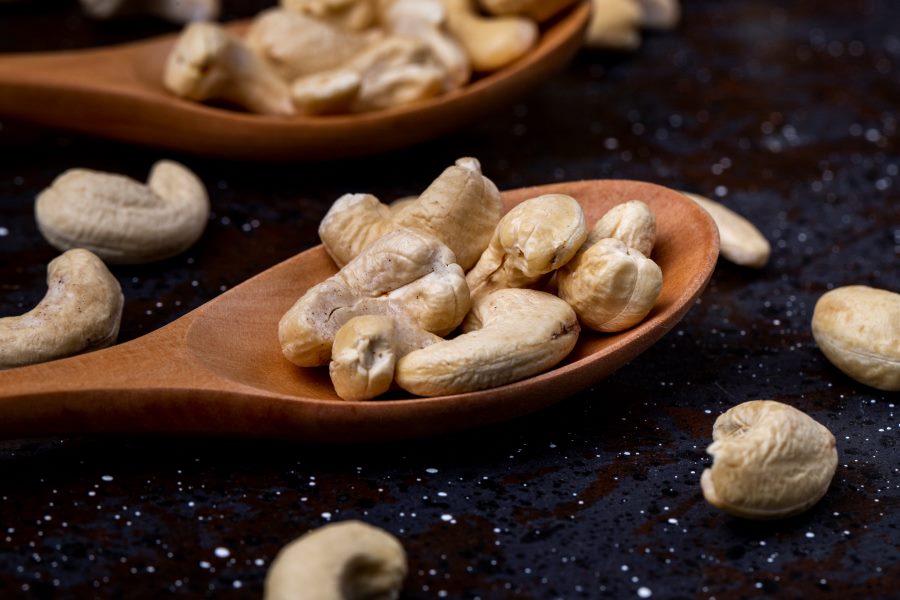
When it comes to nuts, cashews are probably the most popular. They serve multiple purposes: people can enjoy them as snacks, toppings, sauce, or butter. While they are mostly popular for their taste, these kidney-shaped seeds come with multiple health benefits, which can be beneficial for consumers.
Are you addicted to these nuts? Then, keep reading this article to find out the benefits of eating cashews.

Table of Contents

In many parts of the world, people prefer eating raw cashews. However, one should know that raw cashews can often be toxic. It is therefore advisable to consume roasted cashews. If you wish to utilise the health benefits of cashews, roast the seeds before eating them. Some of the benefits are as follows.
Diets rich in nuts, such as cashews, improve heart health and reduce cardiovascular disease risks. These are rich in potassium, fatty acids and antioxidants, which can be beneficial for strengthening your heart. The stronger your heart is, the lower the chances of facing cardiovascular diseases.
Furthermore, cashews contain phenolic compounds, phytosterols, and oleic acid. These are good for heart health and strengthen the blood vessels. Apart from that, this nut can also improve good cholesterol (HDL) and eliminate bad cholesterol (LDL). In addition, its anti-inflammatory properties can reduce the possibilities of internal inflammation of your heart, thereby reducing the chances of a heart attack.
Cashews can lower blood pressure while managing total and LDL cholesterol levels. This is because these nuts contain unsaturated fats and minerals such as potassium, magnesium and L-arginine. These can help dilate your blood vessels. As a result, your blood pressure can be under control.
However, a recent study confirms that consuming cashew nuts can effectively reduce blood pressure and triglyceride levels, but its effects on total, LDL, or HDL cholesterol levels are unclear.
One of the most important benefits of eating cashew nuts is its ability to help people suffering from type-2 diabetes. These seeds are considered good sources of fibre, which can effectively manage and control blood sugar levels. This way, cashews protect you from the negative impacts of type-2 diabetes.
A study revealed that people who have type-2 diabetes could get 10% of their calorie Daily Value (DV), which helps them reduce their overall insulin level. It has low levels of net carb content. You can easily substitute food items with high crab levels and control your diabetic conditions.
Cashew nuts are also known for strengthening the immunity of individuals. These contain multiple nutrients, including vitamins and zinc. These are immune-boosting compounds contributing to basic cell processes. Intaking zinc regularly can strengthen your immunity and protect your system from getting infected easily.
Apart from that, this nut is also rich in copper. This mineral is essential for the human body. It boosts immunity and contributes to energy production and healthy brain development. Therefore, consuming cashews can contribute to strong immunity.
The risk of fragile bones has become a common health concern which comes with old age. Cashews are often considered a great source for strengthening bones and reducing the chances of bone-related diseases and injuries. This is because they are packed with copper and calcium. These minerals offer strength to the bones and protect them longer. Copper is also responsible for synthesising the collagens, thereby keeping your bones flexible and less prone to breakage.
Copper deficiency is often considered a major reason for osteoporosis. As cashews are rich in copper, their consumption can save you from such bone-related conditions. Moreover, cashews contain magnesium and manganese. These nutrients can contribute to strengthening the bone health of individuals.
The weight control factor is significant among other benefits of eating cashews daily. Its high calorie, protein, and fibre content make it capable of controlling body weight. Consuming cashews can keep you full for longer, controlling your cravings for heavy food items. Naturally, you can control and avoid gaining weight in the process.
The omega 3 fatty acids in cashews help them increase metabolism and avoid putting on weight. Even though these are high in calories, such nuts can hardly contribute to increasing your weight. However, you must keep your calorie consumption capacity in mind while including cashews in your diet.
Consuming a cashew rich diet cashews can be useful. These nuts can help produce hair pigment-melanin in the body, enhancing the hair colour and quality. In addition, doctors often suggest using cashew oil on the scalp for hair growth and health.
The copper content in cashew nuts contributes to the production of hair pigment and skin called melanin. Moreover, these nuts contain linoleic and oleic acids, which can provide a silky smooth texture to your hair. The fatty acids in cashews can maintain your hair health longer.
If you are concerned about the health of your eyes, consuming cashews can be essential. These are rich in antioxidants like zeaxanthin and lutein. These can protect your eyes from the UV rays. Furthermore, they form antioxidant pigments in the eyes, protecting them from damaging lights. They also contribute to reducing the growing risks of cataracts and age-related macular degeneration (AMD).
The zeaxanthin content in the cashews can contribute to the protection of the eyes from the growing pollution in the urban world. This pigment is absorbed in the retina and thereby forms a protective layer preventing the entrance of UV rays.
Consuming cashews daily can contribute to improving your skin conditions largely. Cashew oil is known for doing wonders to your skin. It is rich in valuable nutrients like zinc, selenium, magnesium, iron and phosphorous. Moreover, the high presence of phytochemicals, proteins and antioxidants are also seen in this oil. Therefore, it contributes to improving your skin conditions.
Cashews are rich in selenium, which can again contribute to skin health and prevent skin cancer. In addition, copper presence in cashews increases the production of elastin and collagen. Collagen can contribute to increasing the elasticity of your skin.
Magnesium in cashews plays a vital role in maintaining a healthy nervous system. It helps regulate neurotransmitter activity and supports muscle relaxation, reducing the risk of nerve-related conditions.
The magnesium and tryptophan in cashews are beneficial for mental health. Magnesium helps alleviate stress and anxiety, while tryptophan is a precursor to serotonin, a neurotransmitter that regulates mood.
Cashews contain antioxidants and nutrients that have anti-inflammatory effects. Regular consumption can help reduce inflammation, which is linked to various chronic diseases.
There are multiple nutritional values of cashews. This is because these nuts come packed with various nutrients which can improve your overall health conditions. For example, the following nutrients are observed in about an ounce of unroasted and unsalted cashew nuts.
Thus, as you can see, the nutritional value of cashew nuts is impressive. They are not only tasty but can do immense good to keep you healthy for a long time. The unsaturated fat contents can help reduce the chances of premature death from heart diseases.
Even though these keep you full of fat and calorie contents, there is hardly any chance of weight gain. They are low in sugar, and the protein content is almost as much as in cooked meat. In addition, the mineral contents help in increasing energy production and brain development.
Stay on Track with These Health Tools
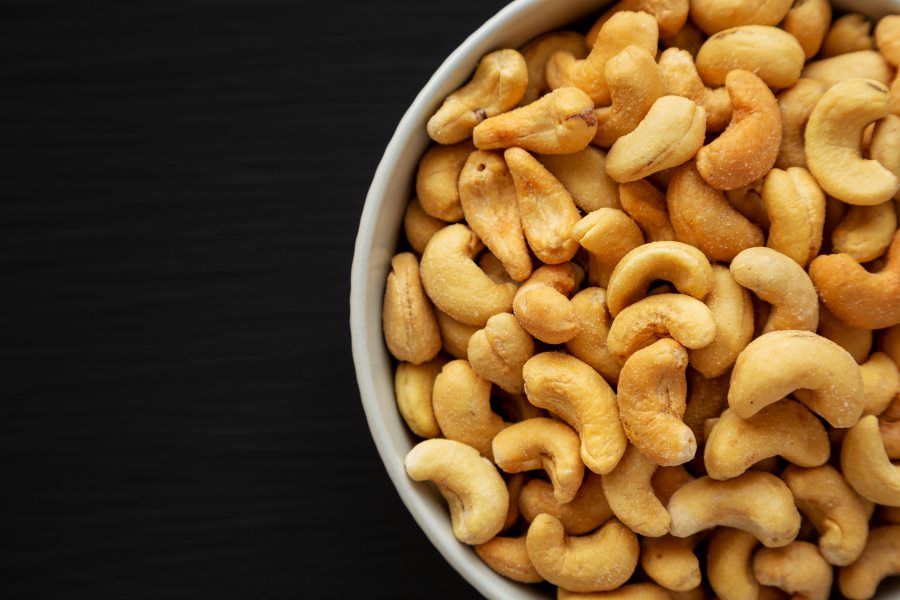
Now that you are aware of the advantages of cashew nuts, you must be curious to know the best ways of incorporating this nut into your daily diet. One of the best parts of this nut is its ability to be incorporated into a diet easily. It is advisable to store these in a cool, dark and dry place to avoid causing any harm to their nutritional value. You can follow any recipes below to incorporate cashew nuts into your diet.
While there are multiple advantages of cashew nuts, one should consider some of their downsides in this regard, such as:
As discussed already, there are not many risks associated with cashew consumption. However, there a few category of people who should avoid eating it, including:
Thus, as you can see, there are multiple benefits of eating cashews. These nuts are packed with rich proteins and nutrients. They are tasty and can also improve your health by incorporating nutritional value. However, you should consult the doctor if you suffer from conditions of digestion, constipation or the extra fat generation before integrating cashews into your diet.
Protect What Matters - Explore Other Insurance Options
Eating cashews daily can provide essential nutrients and promote heart health, but excessive intake may lead to weight gain due to their calorie density.
Cashews are rich in vitamins E, K, and B-complex, which support immune function, blood clotting, and overall energy metabolism.
Disadvantages include high-calorie content, potential allergic reactions, and high sodium levels in salted varieties, which can impact blood pressure and weight.
A typical serving size is about 1 ounce (28 grams), roughly 18-20 cashews, providing balanced nutrients without excess calories.
Yes, cashews can be eaten at night. They are a good source of magnesium, which can help relax muscles and promote better sleep.
Individuals with nut allergies should avoid cashews, which can cause severe allergic reactions, including anaphylaxis.
Cashews are good for the skin due to their high content of antioxidants, vitamins, and healthy fats, which can support a healthy complexion.
Cashews support hair health with their rich supply of essential nutrients like zinc, iron, and proteins, promoting solid and shiny hair.
Yes, cashews contain antioxidants like zinc and vitamin E, which support eye health and may help prevent age-related macular degeneration.