General
Life
Accessibility Options


General

General Products
Simple & Transparent! Policies that match all your insurance needs.
 Car Insurance
 Two Wheeler Insurance
 Commercial Vehicle Insurance
 Health Insurance
 Home Insurance
 Travel Insurance
 Business Insurance
Car Insurance
Two Wheeler Insurance
Commercial Vehicle Insurance
Health Insurance
Travel Insurance
Business Insurance
Car Insurance
Two Wheeler Insurance
Commercial Vehicle Insurance
Health Insurance
Travel Insurance



Scan to download

Life

Life Products
Digit Life is here! To help you save & secure your loved ones' future in the most simplified way.
 Term Life
 Savings Plan
 Retirement and Pension Plans
 Group Life Products
 Product Documents
Term Life
Savings Plan
Retirement and Pension Plans
Group Life Products
Product Documents
Term Life
Savings Plan
Retirement and Pension Plans
Group Life Products
Scan to download

Claims

Claims
We'll be there! Whenever and however you'll need us.
 Customer Support
 Motor Claims
Health Claims
Motor Claims
Health Claims
 Marine Insurance
 Grievance Redressal
Customer Support
Motor Claims
Health Claims
Marine Insurance
Grievance Redressal
Grievance Redressal
Customer Support
Motor Claims
Health Claims
Marine Insurance
Grievance Redressal

Scan to download
 General
 Life
General
Life
Life
General
Life
Renewals
Resources

Resources
All the more reasons to feel the Digit simplicity in your life!
Exclusive Features
 Transparency Report
Others
Exclusive Features
Transparency Report
Transparency Report
Others
Exclusive Features
Transparency Report
Scan to download


Our WhatsApp number cannot be used for calls. This is a chat only number.

 Grey Scale
 Readable Text
 Reset
Reset



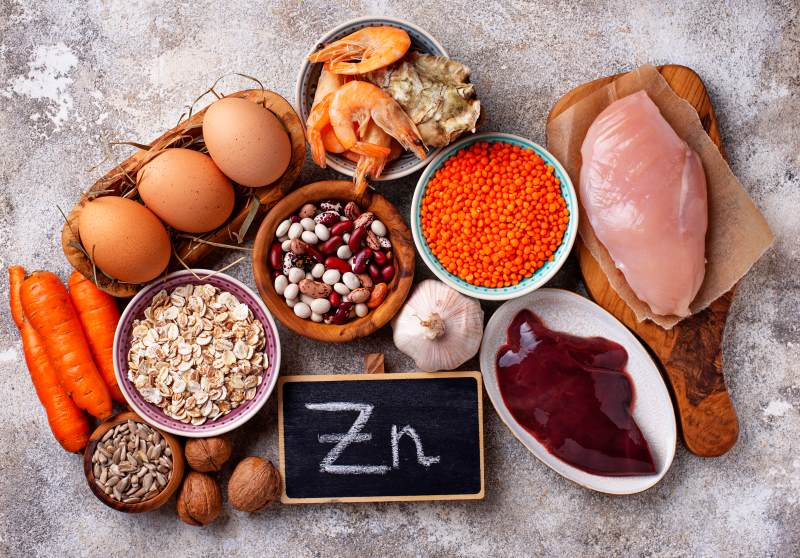
Zinc is an essential mineral that forms more than 300 enzymes in the human body. These enzymes are responsible for significant activities, including wound healing, building proteins and DNA, immune system function, growth in children, and fertility in adults.
Beyond its foundational role in wound healing and protein synthesis, zinc is a silent hero in immune defence, aiding the body in combating infections and diseases. However, a deficiency in zinc can lead to a cascade of adverse effects.
Dive into our guide to zinc-rich foods and discover how these nutrient-packed treasures can supercharge your well-being.

Table of Contents

Zinc is a vital mineral that plays a wide set of critical roles in the human body. It is involved in various physiological processes, including immune function, wound healing, protein synthesis, DNA synthesis, and cell division. This mineral is particularly crucial for maintaining a healthy immune system.
Regarding dietary sources, zinc can be found in animal and plant-based foods. However, plant-based zinc sources' bioavailability may be lower than animal products due to factors like phytates, which can inhibit zinc absorption.
Zinc, a vital mineral, is sourced from various natural reservoirs, primarily through mining zinc ores. These ores undergo extraction processes to obtain pure zinc or its compounds, which are further refined to remove impurities. In dietary terms, zinc supplements often originate from these refined forms, while certain foods naturally contain zinc.
Animal products like poultry and seafood, particularly oysters and crab, are rich sources of zinc. Dairy products and plant-based options like nuts, seeds, and whole grains also provide significant amounts of this essential mineral. Incorporating diverse foods into your diet ensures adequate zinc intake for overall well-being, making them indispensable components of a balanced nutritional regimen.
They say, "Prevention is better than cure!” Having sufficient zinc in the body from the beginning is better than spending on treatment for its deficiency. For this, one needs to include zinc-rich foods in a daily diet.
This helps improve one's immune system and heal wounds faster. You can have a glance at the list of food items containing zinc and incorporate these into your diet.
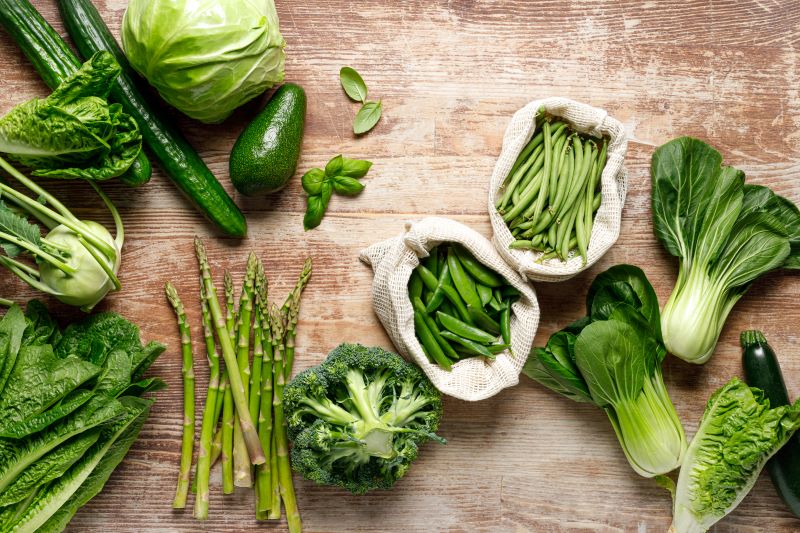
Vegetables are usually essential food items for daily consumption. Moreover, some of these are high in zinc. Thus, the following list will be helpful if you are looking for a diet that includes zinc-rich foods for vegetarians.
| SNo. | Vegetable | Description |
| 1 | Shiitake Mushrooms | These mushrooms are common zinc-rich vegetables. About 100 grams provides approximately 1.3mg of zinc, which is about 12% of its Daily Value (DV). |
| 2 | Green Peas | Green peas contain about 1.2mg of zinc per 100 grams. |
| 3 | Spinach | Cooked spinach is a vital food containing zinc. A cup of cooked spinach provides about 12% DV (1.4mg) of zinc. |
| 4 | Lima Beans | A cup of cooked beans provides 1.3mg of zinc, while 100 grams contain 0.8mg. |
| 5 | Lentil Sprouts | Lentil sprouts contain 1.5mg of zinc per 100 grams. |
| 6 | Asparagus | Asparagus contains 5.5mg of zinc per 200 calories, making it one of the best foods high in zinc. |
| 7 | Beet Greens | Every cup of cooked beet greens contains about 0.7mg of zinc. |
| 8 | Broccoli | Broccoli is a popular zinc-rich vegetable. Every 200 calories provides 2.6mg of zinc, which is 23% of the DV. |
| 9 | Okra | Approximately 0.4mg of zinc is found in every 100 grams of okra, providing 4% of the DV. |
| 10 | Sweet Corn | Sweet corn is high in zinc, with about 1.1mg per 200 calories. |
| 11 | Garlic | One clove of garlic contains 0.1mg of zinc. |
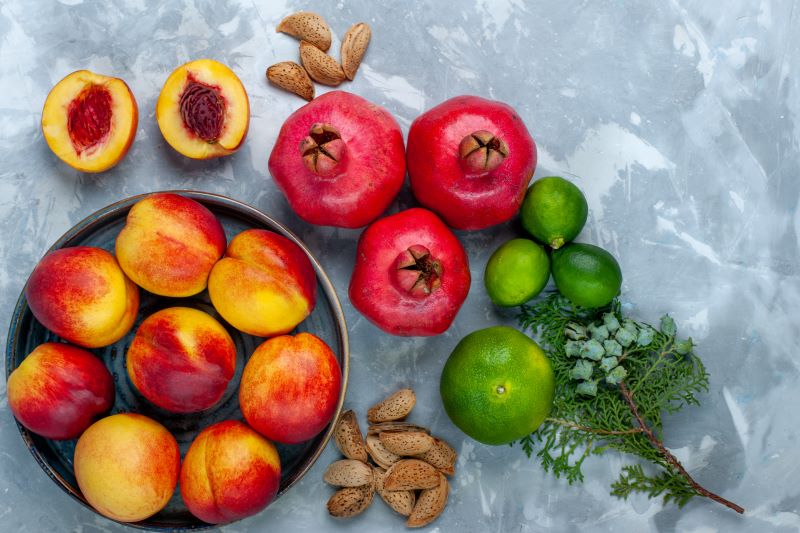
As zinc is an essential nutrient, incorporating fruits that contain it. It can be a safer choice for most people. The following list discusses fruits rich in zinc in detail.
| SNo. | Fruit | Description |
| 12 | Avocadoes | Avocados are essential fruits with approximately 0.6mg of zinc per 100 grams. |
| 13 | Blackberries | Every 200 calories of blackberries contains 2.5mg of zinc, providing 22% of the Daily Value (DV). |
| 14 | Pomegranate | Pomegranate is a vital fruit containing zinc, with 0.4mg per 100 grams. |
| 15 | Raspberries | About 0.4mg of zinc is present in 100 grams of raspberries. |
| 16 | Guavas | Guavas, commonly known in India, provide about 0.2mg of zinc per 100 grams, contributing 2% of the DV. |
| 17 | Cantaloupe | Every 200 calories of cantaloupe fruit consists of 1.1 mg of zinc. |
| 18 | Apricots | Apricots are fruits containing zinc, with approximately 0.3mg per cup. |
| 19 | Peaches | Peaches contain about 0.2mg of zinc per 100 grams. |
| 20 | Kiwifruit | Every 200 calories of kiwifruit contains 0.5mg of zinc, providing 4% of the DV. |
| 21 | Blueberries | About 100 grams of blueberries provide 0.2mg of zinc. |
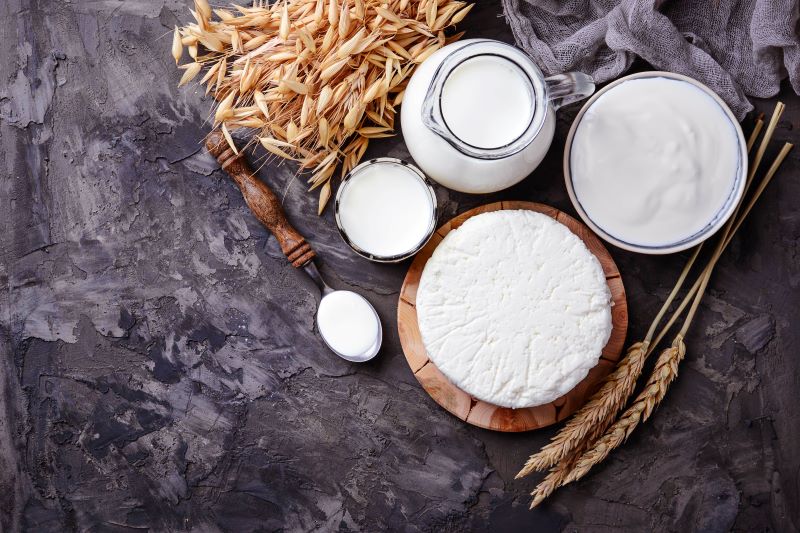
Certain food items, such as breakfast cereals and other dairy products, are suitable for both vegetarians and non-vegetarians. Therefore, you can consider these items while customising your diet with zinc-rich foods.
| SNo. | Food | Description |
| 22 | Milk | Non-fat or low-fat milk usually contains 1.1mg of zinc. |
| 23 | Yoghurt | About a cup of nonfat yoghurt contains 2.38mg of zinc. |
| 24 | Oatmeal | Oatmeal is an essential breakfast item containing 1 mg of zinc per 100 grams. |
| 25 | Corn flakes | About a cup of this breakfast cereal contains 2.8mg of zinc. However, the exact amount may vary depending on the brand you purchase. |
| 26 | Almond milk | Almond milk is a popular choice among health-conscious individuals. It contains approximately 1.05-1.1mg of zinc per cup. |
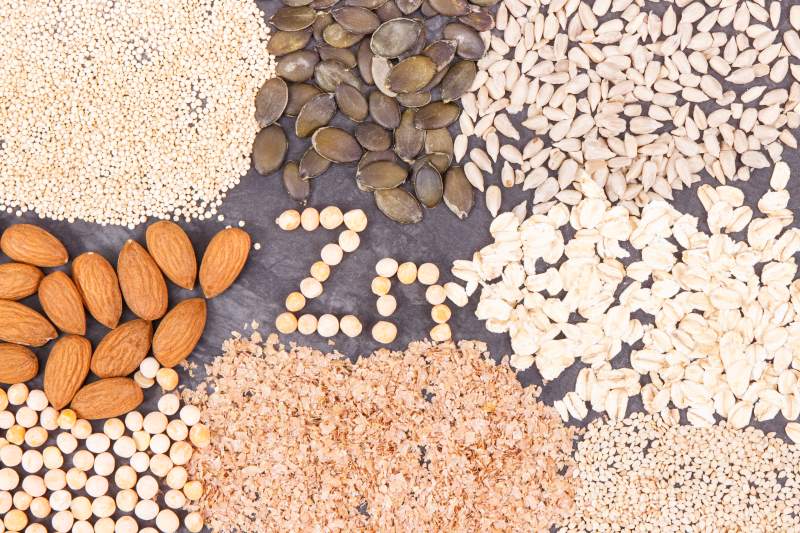
Nuts and seeds are excellent sources of zinc, an essential mineral for various bodily functions. Below is a list of seeds and nuts that are particularly high in zinc content, making them valuable additions to a balanced diet.
| SNo. | Seed/Nut | Description |
| 27 | Pumpkin Seeds | Pumpkin seeds are excellent sources of zinc, with approximately 10.3mg per 100 grams. |
| 28 | Hemp Seeds | Hemp seeds are rich in zinc, with approximately 9.9mg per 100 grams. |
| 29 | Flaxseeds | Flaxseeds are a good source of zinc, containing about 4 mg per 100 grams. |
| 30 | Chia Seeds | Chia seeds contain moderate amounts of zinc, providing approximately 4.58mg per 100 grams. |
| 31 | Sunflower Seeds | Sunflower seeds are high in zinc, with about 5.1mg per 100 grams. |
| 32 | Almonds | Almonds are essential nuts containing zinc, with approximately 3.5mg per 100 grams. |
| 33 | Cashews | Cashews are rich in zinc, providing about 6 mg per 100 grams. |
| 34 | Pine Nuts | Pine nuts contain moderate amounts of zinc, with approximately 6 mg per 100 grams. |
| 35 | Pecans | Pecans contain moderate amounts of zinc, with about 4.53mg per 100 grams. |
| 36 | Brazil Nuts | Brazil nuts are rich in zinc, containing approximately 4.06mg per 100 grams. |
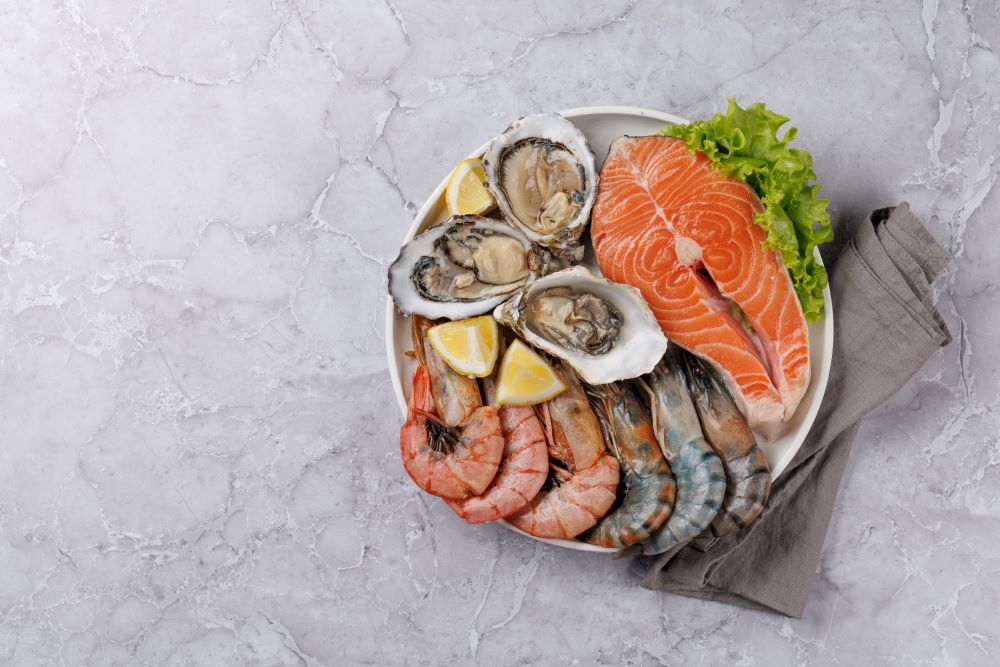
When it comes to a non-vegetarian diet, the options are always higher. Such people must consider the following types of zinc-rich foods and include them in their daily diets.
| SNo. | Food | Description |
| 37 | Beef | Beef is a powerful non-vegetarian food rich in zinc, providing 11 mg per 100 grams, which is 99% of the Daily Value (DV). |
| 38 | Chicken | A roasted chicken leg with thighs contains about 5 mg of zinc, providing 49% of the DV. |
| 39 | Red Meat | A 100g of red meat contains 4.8mg of zinc, 44% of the Daily Value (DV). |
| 40 | Eggs | A large egg consists of 0.6mg of zinc. |
| 41 | Oysters | Oysters, a popular seafood, are rich in zinc, with about 61 mg per 100 grams. |
| 42 | Crabs | Crabs are considered good sources of zinc, offering 6.5mg every 3 ounces of cooked crabs. |
| 43 | Lobster | Lobster is another crucial zinc-rich food, with 4.7mg found in a small lobster (boiled or steamed). |
According to the National Institutes of Health, determining the appropriate daily intake of zinc is essential for maintaining optimal health. The recommended amount varies depending on factors such as age, sex, and life stage.
The table given below outlines the recommended daily intake of zinc for different demographics:
| Age Group | Recommended Zinc Intake (milligrams per day) |
| Infants 0-6 months | 2.0 mg |
| Infants 7-12 months | 3.0 mg |
| Children 1-3 years | 3.0 mg |
| Children 4-8 years | 5.0 mg |
| Children 9-13 years | 8.0 mg |
| Male Teens 14-18 years | 11.0 mg |
| Female Teens 14-18 years | 9.0 mg |
| Male Adults 19+ years | 11.0 mg |
| Female Adults 19+ years | 8.0 mg |
| Pregnant Teens | 12.0 mg |
| Pregnant Adults | 11.0 mg |
| Lactating Teens | 13.0 mg |
| Lactating Adults | 12.0 mg |
Useful Tools to Track Your Health
According to the National Institute of Health and other institutes, incorporating zinc-rich foods into your diet offers numerous health benefits, as zinc plays a crucial role in various bodily functions.
From supporting immune function to aiding in wound healing, zinc is essential for overall well-being. Below are some of the key health benefits of including zinc-rich foods in your diet:
Boosts Immune System: Zinc supports immune function by helping produce and activate immune cells, enhancing the body's ability to defend against infections and illnesses. Adequate zinc intake may reduce the risk of respiratory infections.
Promotes Wound Healing: Zinc accelerates wound healing by stimulating cell growth, collagen synthesis, and tissue repair, facilitating the recovery process for cuts, burns, and injuries. It also helps reduce inflammation and prevents infection.
Supports Growth and Development: Adequate zinc intake is vital for growth, development, and maturation, especially during childhood and adolescence. Zinc is involved in DNA synthesis, cell division, and protein synthesis.
Helps in Maintaining Skin Health: Zinc contributes to healthy skin by regulating sebum production, reducing inflammation, and promoting collagen formation. This helps prevent acne, eczema, and other skin-related conditions and maintain good skin.
Aids in Digestion: Zinc plays a crucial role in digestion by supporting the production of digestive enzymes, enhancing nutrient absorption in the intestines, and promoting gut health, which aids in digestion and prevents digestive issues.
Regulates Hormone Production: Zinc is involved in hormone synthesis and regulation, influencing the production of insulin, testosterone, and thyroid hormones, which are essential for metabolism, growth, and overall hormonal balance.
Helps to Improve Cognitive Function: Zinc supports and improves cognitive function by regulating neurotransmitter activity, enhancing synaptic plasticity, and promoting neurogenesis. These actions improve memory, learning, focus, and mood stability.
Supports Vision Health: Zinc is crucial for vision health as it contributes to the metabolism of vitamin A, a key nutrient for maintaining eye health and visual acuity and preventing age-related vision problems such as macular degeneration.
May Reduce the Risk of Chronic Diseases: Adequate zinc intake helps to reduce the risk of certain chronic diseases by exerting antioxidant and immune-modulating effects, which protect against oxidative stress, inflammation, and cellular damage.
Aids in Enhanced Taste and Smell: Zinc is essential for proper taste and smell perception. It plays a role in the function of taste buds and olfactory receptors, enhancing the sensitivity and discrimination of flavours and aromas of food.
Including a variety of zinc-rich foods in your diet can help ensure you reap these health benefits and maintain optimal well-being.
Ensuring an adequate intake of zinc-rich foods is essential for maintaining overall health and well-being. Here are some research-backed tips to help you incorporate more zinc into your diet:
Prioritise Zinc-Rich Foods: Make a conscious effort to include foods that are naturally high in zinc in your meals. These include animal products such as beef, pork, lamb, poultry, seafood (especially oysters, crab, and lobster), and dairy products like milk, yoghurt, and cheese.
Include Plant-Based Sources: If you follow a vegetarian or vegan diet, incorporate plant-based sources of zinc into your meals. Legumes like lentils, chickpeas, and beans are excellent options, along with nuts and seeds such as pumpkin seeds, cashews, almonds, and sunflower seeds.
Opt for Fortified Foods: Choose fortified foods enriched with zinc, such as breakfast cereals, bread, and snack bars. These can be convenient options to help boost your zinc intake, especially if you have specific dietary preferences or restrictions.
Plan Balanced Meals: Planning balanced meals involves incorporating a variety of zinc-rich foods from different food groups to ensure optimal nutrition. By diversifying your food choices, you can increase your intake of zinc and obtain a wide range of essential nutrients crucial for overall health.
Snack Wisely: Snacking wisely involves integrating zinc-rich options into your daily eating habits to enhance your overall nutrient intake. By incorporating snacks like yoghurt paired with nuts or seeds, trail mix, or whole-grain crackers with cheese, you can add valuable zinc to your diet between meals.
Zinc deficiency can lead to certain health issues, as this essential mineral is involved in numerous bodily functions. Recognising the symptoms of zinc deficiency is crucial for addressing the problem and ensuring optimal health. Below are some common signs and symptoms of zinc deficiency to check out for:
Zinc deficiency can cause certain health issues and negatively impact overall well-being. Here are some risks and side effects associated with not getting enough zinc:
Weakened immune system, causing higher susceptibility to infections.
Skin problems such as acne, eczema, and slow wound healing.
Hair loss or thinning due to inadequate zinc levels.
Digestive issues like diarrhoea, constipation, and poor nutrient absorption.
Impaired growth and development, especially in children.
Hormonal imbalances, affecting reproductive health and menstrual cycles.
Vision problems, such as night blindness and poor eye health.
Higher risk of chronic diseases like heart disease and diabetes.
Reduced taste and smell perception, affecting food enjoyment and appetite.
While zinc is essential for health, consuming too much can have adverse effects on your health. Here are some health risks and side effects associated with excessive zinc intake:
Digestive upset, including nausea, vomiting, diarrhoea, and abdominal pain.
Suppressed immune function that leads to the risk of infections.
Copper deficiency due to interference with copper absorption and metabolism.
Metallic taste or smell in the mouth affects appetite and food enjoyment.
Neurological symptoms like nerve damage, numbness, tingling, and difficulty walking.
Kidney damage or impairment from excessive zinc intake.
Reduced levels of good cholesterol, potentially increase the risk of heart disease.
Interference with the absorption of other essential minerals leads to nutrient imbalances.
Deciding whether to take a zinc supplement hinges on several factors. While zinc is vital for various bodily functions, it's typically obtained through a well-balanced diet rich in zinc-containing foods.
However, certain individuals, such as vegetarians, vegans, or those with gastrointestinal issues that affect nutrient absorption, may benefit from supplementation to ensure adequate zinc intake.
Before taking any zinc supplement, you must consult a healthcare expert to determine whether it's necessary for your needs. A healthcare provider can assess your dietary habits, medical history, and potential symptoms of zinc deficiency to provide personalised recommendations.
In conclusion, incorporating zinc-rich foods into your diet is essential to maintain overall health and well-being. From succulent seafood like oysters to nutritious legumes and crunchy nuts, there are plenty of delicious options to choose from.
Ensuring an adequate zinc intake can support essential bodily functions such as immune response, wound healing, and DNA synthesis. So, whether you're a seafood enthusiast or prefer plant-based options, make sure to include a variety of zinc-rich foods in your meals.
Protect What Matters - Explore Other Insurance Options