General
Life
Accessibility Options


General

General Products
Simple & Transparent! Policies that match all your insurance needs.
 Car Insurance
 Two Wheeler Insurance
 Commercial Vehicle Insurance
 Health Insurance
 Home Insurance
 Travel Insurance
 Business Insurance
Car Insurance
Two Wheeler Insurance
Commercial Vehicle Insurance
Health Insurance
Travel Insurance
Business Insurance
Car Insurance
Two Wheeler Insurance
Commercial Vehicle Insurance
Health Insurance
Travel Insurance


Scan to download

Life

Life Products
Digit Life is here! To help you save & secure your loved ones' future in the most simplified way.
 Term Life
 Savings Plan
 Retirement and Pension Plans
 Group Life Products
 Product Documents
Term Life
Savings Plan
Group Life Products
Product Documents
Term Life
Savings Plan
Group Life Products
Scan to download

Claims

Claims
We'll be there! Whenever and however you'll need us.
 Customer Support
 Motor Claims
Health Claims
Motor Claims
Health Claims
 Marine Insurance
 Grievance Redressal
Customer Support
Motor Claims
Health Claims
Marine Insurance
Grievance Redressal
Grievance Redressal
Customer Support
Motor Claims
Health Claims
Marine Insurance
Grievance Redressal

Scan to download
 General
 Life
General
Life
Life
General
Life
Renewals
Resources
Resources
All the more reasons to feel the Digit simplicity in your life!
Exclusive Features
 Transparency Report
Others
Exclusive Features
Transparency Report
Transparency Report
Others
Exclusive Features
Transparency Report
Scan to download


Our WhatsApp number cannot be used for calls. This is a chat only number.

 Grey Scale
 Readable Text
 Reset
Reset



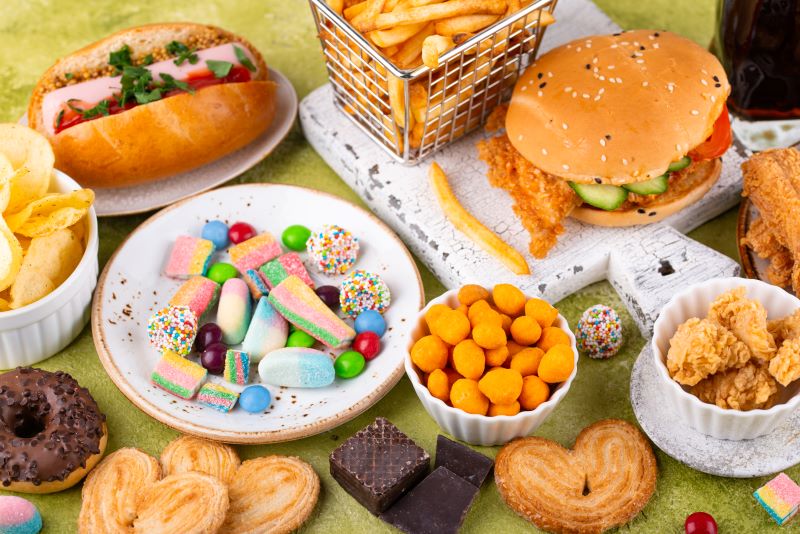
Fat is found in food in various ways, including trans fat. However, this is the worst kind of fat and should be avoided at all costs by anyone trying to lose weight or become healthy since it is the unhealthiest type there is.
People tend not to remember not eating them because they are found in most liked dishes, so no matter what, you must remember not to consume trans-saturated fatty acids.

Table of Content

Partially hydrogenated oils, also known as PHOs, play a critical part in the trans fat diet. Manufacturers achieve this product by adding hydrogen mechanically to liquid vegetable oils, making them thicker to last longer before use.
Food producers use PHOs because they are cheap, making their goods more affordable. Nevertheless, PHOs are not good for our health. Consuming a diet high in trans fat increases the risk of having heart problems because you will have low levels of HDL cholesterol and high levels of LDL cholesterol.
Food manufacturers typically use a chemical process, but the latter should worry us the most about trans fats since they occur naturally in very small amounts in some animal products and are frequently used to improve the flavours of some edibles and harden some fats at room temperature.
Trans Fats, also known as trans fatty acids, are a type of unsaturated oil. These can be found in nature or synthesised by humans. Here are two types of trans fat:
These occur naturally in small amounts in animal products, such as meat and dairy, and are generally considered less harmful than industrial trans fats. Natural trans fats are formed in the digestive systems of ruminant animals like cows and sheep and are present in their milk and meat.
As a result of their low cost, long shelf life, and improved flavour and texture, they provide foods with hydrogenated vegetable oils called trans fat. Fried and baked goods are considered dangerous when tainted with ghee, which is cheap when it contains the harmful type of these anti-nutrients.
To prevent falling prey to the hidden trans fat, stay on the lookout for and try to limit the following foods:
Many fast-food restaurants use trans fat, which gives the fries on their menus a texture that you can't seem to replicate at home. This is why the fries are so crispy at their restaurants while yours is still mushy after frying; it is all because of the trans fats in their oils. This is advantageous because trans fats help save costs by keeping oil usable for longer periods.
One of the most popular food categories for bakery goods is those that contain trans fats. Cookies are included in this list, among others. Because margarine and vegetable shortening use PHOs (the primary source of trans fat), they are cheaper to produce and last longer on the shelf. The crumbly texture that comes from having solid fats makes them seem flaky.
There is microwave popcorn we love snacking on; it is also the main culprit for this kind of PHO. This comes in handy to producers because of its high melting point. The consequence is that it stays solid until someone puts the popcorn bag in a microwave.
A surprising fact about coffee creamer is that it doesn't only contain milk and sugar when you drink it. PHOs on the ingredients list boost the coffee’s texture and creamy nature, lengthening a product's life. However, the PHO content in a non-dairy coffee creamer is quite high. Oil is used instead of milk for consistency; hence, manufacturers use oil.
Pizza, frozen pies, breaded fish, fries, and waffles are the frozen foods from which trans fat foods are made. For all you know, they have many PHOs regardless of their assertion that they are low-fat products, as some of the ingredients may include partially hydrogenated oil.
Trans fats are a major public health concern since many food products still include them, even though their negative effects are becoming more widely recognised. Therefore, it is crucial to understand the factors that influence the production and distribution of trans fats in food.
Useful Tools to Track Your Health
To check if food items have trans fat, one needs to be able to read nutritional values on packages and ingredient lists in foods one will consume. This is how you can what to look for in foods when it comes to trans fats:
Methods |
Description |
| Read the Nutrition Label | The amount of trans fat may not be stated except when it is less than 0.5 grams, yet the product might have some traces of trans fats. Thus, in different states, labelling of trans fats contained in foods is allowed. |
| Check the Ingredient List | Even if a food item states that it has zero grams of trans fats, you still need to carefully read the ingredients list and look for hydrogenated or partially hydrogenated oils, as they are sources of trans fats. You should be aware that an item that contains partially hydrogenated oils most likely contains trans fat, even if it claims otherwise. |
| Look for Trans Fat-Free Claims | Some food items are advertised as being "trans fat-free" or containing zero trans fats. This could give a clue, but it is still necessary to confirm by looking at the ingredient list if it has any partially hydrogenated oils. |
| Choose Whole Foods | Fruits, vegetables, lean meats, and whole grains are examples of whole, unprocessed foods that contain low quantities of trans fats. If these foods become the most important on your menu, then you can only use them to lower your total intake of trans fats. |
| Avoid Processed and Fried Foods | Processed foods such as cookies, crackers, cakes, pastries, and fried foods are more likely to contain trans fats. Limiting your consumption of these items can help reduce your trans fat intake. |
| Be Cautious with Restaurant Foods | Restaurant foods, especially fried and baked items, may contain trans fats due to partially hydrogenated oils. When dining out, inquire about the cooking oils used and choose healthier options whenever possible. |
Trans fat is the worst fat and should be avoided at all costs. It decreases good cholesterol as well as raises bad cholesterol. As a result, it generally deteriorates heart health. Furthermore, it has a detrimental effect on customers' minds.
Trans fats were originally widely used in processed foods because they could stabilise and improve texture. However, eating them can have a number of negative health impacts.
Diseases |
Description |
| Type 2 Diabetes | Consumption of trans fats has been linked to an increased risk of developing type 2 diabetes by impairing insulin sensitivity and promoting insulin resistance. |
| Cancer | Some studies have suggested a possible link between trans fat consumption and an increased risk of certain cancers, such as breast and colon cancer. |
| Alzheimer's Disease | A diet high in trans fats may increase the risk of developing Alzheimer's disease and other forms of dementia. |
| Increased Risk of Heart Disease | Trans fats raise levels of "bad" LDL cholesterol and lower levels of "good" HDL cholesterol, which can increase the risk of heart disease, heart attacks, and stroke. |
The widespread use of trans fats in processed foods has been linked to serious health problems. Many countries have taken steps to limit or eliminate trans fats from the food supply. However, individual awareness and choices remain crucial in promoting better health outcomes. By opting for healthier fats and minimising consumption of processed foods, individuals can reduce their exposure to trans fats and contribute to a healthier future for themselves.
Protect What Matters - Explore Other Insurance Options