General
Life
Accessibility Options


General

General Products
Simple & Transparent! Policies that match all your insurance needs.
 Car Insurance
 Two Wheeler Insurance
 Commercial Vehicle Insurance
 Health Insurance
 Home Insurance
 Travel Insurance
 Business Insurance
Car Insurance
Two Wheeler Insurance
Commercial Vehicle Insurance
Health Insurance
Travel Insurance
Business Insurance
Car Insurance
Two Wheeler Insurance
Commercial Vehicle Insurance
Health Insurance
Travel Insurance



Scan to download

Life

Life Products
Digit Life is here! To help you save & secure your loved ones' future in the most simplified way.
 Term Life
 Savings Plan
 Retirement and Pension Plans
 Group Life Products
 Product Documents
Term Life
Savings Plan
Retirement and Pension Plans
Group Life Products
Product Documents
Term Life
Savings Plan
Retirement and Pension Plans
Group Life Products

Scan to download

Claims

Claims
We'll be there! Whenever and however you'll need us.
 Customer Support
 Motor Claims
Health Claims
Motor Claims
Health Claims
 Marine Insurance
 Grievance Redressal
Customer Support
Motor Claims
Health Claims
Marine Insurance
Grievance Redressal
Grievance Redressal
Customer Support
Motor Claims
Health Claims
Marine Insurance
Grievance Redressal

Scan to download
 General
 Life
General
Life
Life
General
Life
Renewals
Resources

Resources
All the more reasons to feel the Digit simplicity in your life!
Exclusive Features
 Transparency Report
Others
Exclusive Features
Transparency Report
Transparency Report
Others
Exclusive Features
Transparency Report

Scan to download


Our WhatsApp number cannot be used for calls. This is a chat only number.

 Grey Scale
 Readable Text
 Reset
Reset



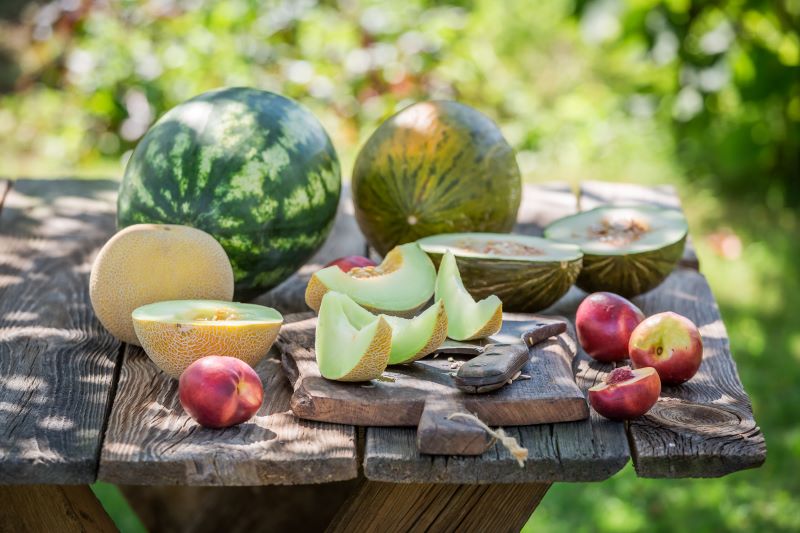
Among individuals who care for their health, natural probiotic-rich foods are gaining popularity as they are believed to help maximise well-being. These types of food contain friendly bacteria essential for balancing healthy gut microbiota, improving digestion, and strengthening the immune system.
From fermented milk products like yoghurt or kefir to non-dairy varieties such as miso soup or kimchi – there is a wide range of probiotic foods suitable for every dietary requirement. When included in one’s daily diet, these items enable people to use all the advantages of probiotics.

Table of Contents

Natural probiotics are living microorganisms that offer health benefits when consumed adequately. Unlike synthetic supplements, natural probiotics are found in certain foods that undergo fermentation, allowing beneficial bacteria to thrive. Natural probiotics work by colonising the gut and promoting a healthy balance of bacteria.
The fermentation process in natural probiotic foods breaks down sugars and starches, leading to lactic acid formation and enhanced flavour. This process boosts the food's probiotic content, which includes various strains beneficial for gut health.
Natural probiotics can be sourced from various fermented foods that undergo a microbial transformation process. These include traditional dairy products like yoghurt and kefir, which are rich in probiotic bacteria such as lactobacillus and bifidobacterium.
Additionally, fermented vegetables like sauerkraut and kimchi offer a plant-based source of probiotics, containing strains like lactobacillus plantarum and lactobacillus kimchi. Other probiotic-rich options include fermented soy products like tempeh and miso, beverages like kombucha, and traditional fermented teas.
Natural probiotics are abundant in various foods, offering a range of options to support gut health and overall well-being. Incorporating these foods into your diet can provide diverse beneficial bacteria to promote a healthy gut microbiome.
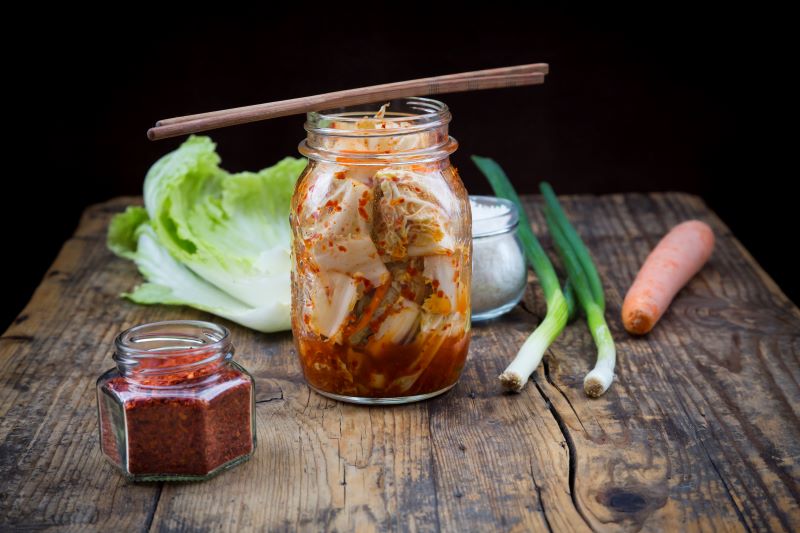
Fermented vegetables are excellent sources of natural probiotics, offering a wealth of beneficial bacteria to support gut health. In the table below, you'll find a variety of probiotic-rich vegetables along with their probiotic content per serving:
SNo. |
Vegetable | Description |
| 1 | Sauerkraut | Fermented cabbage packed with probiotics. A cup of sauerkraut contains about three billion CFUs. |
| 2 | Kimchi | Spicy fermented cabbage, carrots, and radishes provide 10 billion CFU of probiotics per 100 g. |
| 3 | Pickled Cucumber | Cucumbers fermented in brine, offering probiotics along with a crunchy texture. |
| 4 | Miso | Fermented soybean paste, commonly used in soups and sauces, is rich in probiotics and savoury flavour. |
| 5 | Tempeh | Fermented soybean cake, dense in protein and probiotics, with a nutty flavour and firm texture. |
| 6 | Natto | Fermented soybeans with a sticky texture, packed with probiotics and distinctive umami flavour. |
| 7 | Pickled Beets | Beets pickled in vinegar or brine, providing probiotics and a slightly sweet, earthy taste. |
| 8 | Pickled Radish | Radishes fermented in brine or vinegar offer probiotics and a tangy, crunchy bite. |
| 9 | Pickled Carrots | Carrots pickled in brine or vinegar, rich in probiotics and featuring a sweet and tangy flavour. |
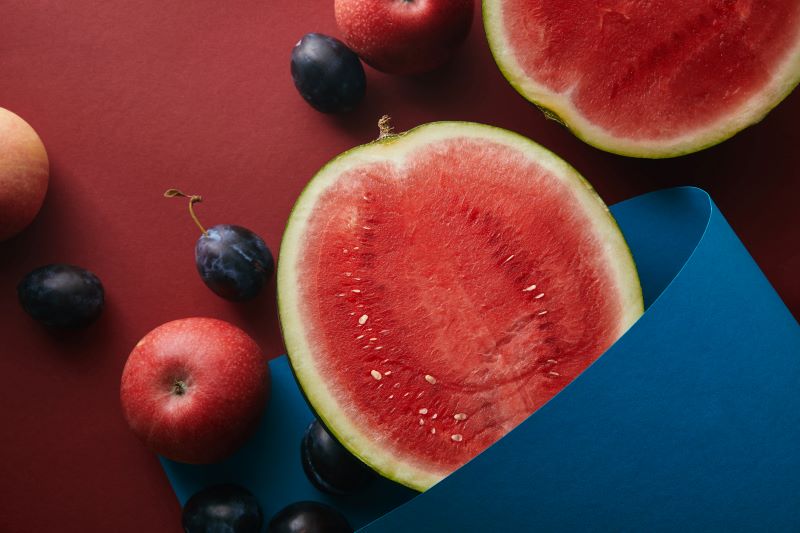
While fruits may not be as commonly associated with probiotics as vegetables, certain fruits undergo fermentation and contain beneficial bacteria. Here are some fruits high in natural probiotics:
SNo. |
Fruit | Description |
| 10 | Apple | Apples contain 100 million bacteria per 240 g, promoting gut health. |
| 11 | Watermelon | Watermelon juice contains 108 to 109 CFU per ml. |
| 12 | Custard Apple | Custard apples are a good source of fibre and antioxidants, supporting digestive health. |
| 13 | Grapefruit | Grapefruit is high in vitamin C and fibre, promoting gut health and supporting digestion. |
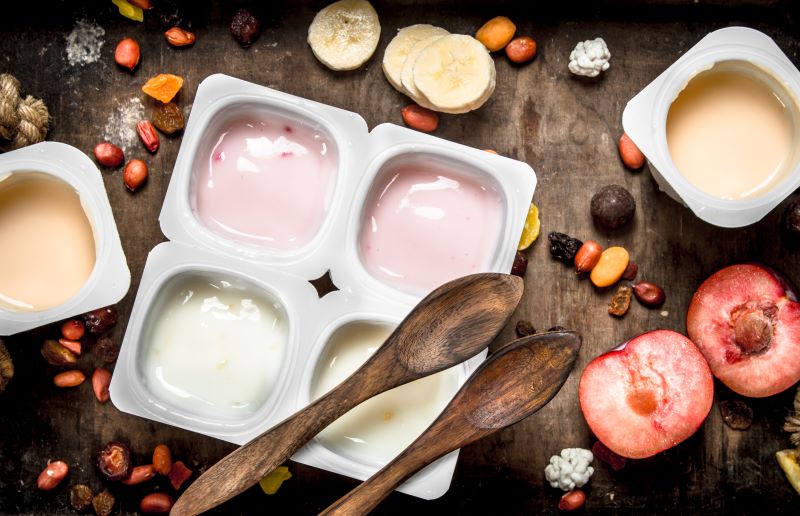
Dairy products are staple sources of probiotics, offering convenient options to incorporate into daily meals. Here are some examples of probiotic-rich cereals and dairy products:
SNo. |
Item | Description |
| 14 | Yoghurt | Yoghurt contains 90 billion to 500 billion CFU of probiotics per serving, aiding digestion. |
| 15 | Kefir | Kefir is a fermented dairy drink that contains 500 billion CFU of probiotics per cup, supporting gut health and digestion. |
| 16 | Buttermilk | Buttermilk contains probiotic bacteria that can help maintain a healthy gut flora balance. |
| 17 | Sour Cream | Sour cream contains probiotic bacteria that promote gut health and may improve digestion. |
| 18 | Cottage Cheese | Cottage cheese is a good source of probiotics, which can help maintain a healthy balance of gut bacteria. |
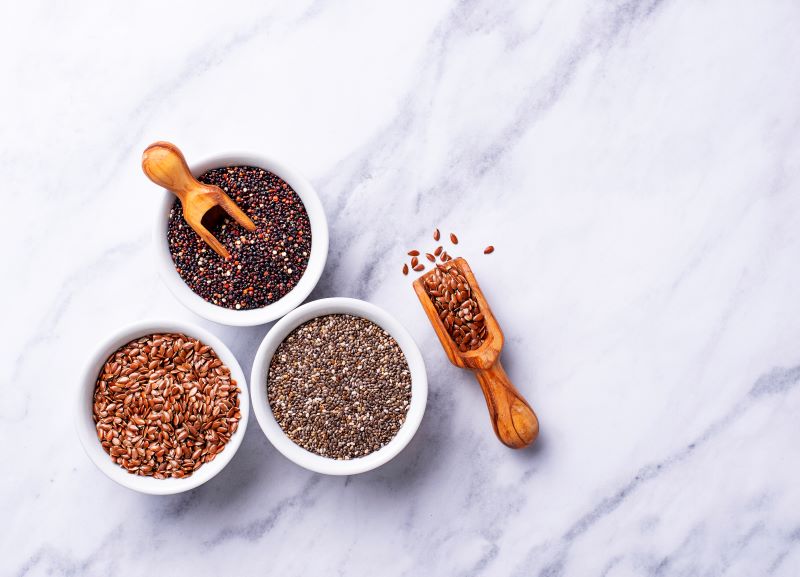
Seeds and nuts may not naturally contain probiotics, but certain varieties have probiotic content, such as:
SNo. |
Item | Description |
| 19 | Chia Seeds | Chia seeds contain probiotics that support digestive health and contribute to a healthy gut microbiome. |
| 20 | Pistachios | Pistachios are rich in probiotics, aiding digestion and overall gut health. |
| 21 | Flaxseeds | Flaxseeds are rich in probiotics, containing 3.3 billion CFU of probiotics per 100 g. |

Certain items are prepared using probiotic-rich ingredients or undergo fermentation, resulting in a high probiotic content. Here are some examples of items that are naturally high in probiotics:
SNo. |
Item | Description |
| 22 | Kvass | Kvass is a traditional Slavic fermented beverage made from rye bread, rich in probiotics and antioxidants. |
| 23 | Soy Sauce | Soy sauce is a fermented condiment made from soybeans, wheat, and salt, containing beneficial probiotics. |
| 24 | Kombucha | Kombucha is a fermented tea beverage rich in probiotics, promoting gut health and offering various health benefits. |
| 25 | Turshi | Turshi is a Middle Eastern fermented vegetable dish that provides probiotics and a unique tangy flavour. |
For individuals in good health, incorporating 1–2 servings of probiotic-rich foods into their daily diet is typically recommended. As advised by Iwi Life, certain medical experts suggest that adults consume 10–20 billion CFUs (colony-forming units) of probiotics daily, while children may require 5–10 billion.
Nevertheless, individual probiotic needs can vary based on the specific reasons for their use. Those who have undergone significant changes to their gut microbiome may benefit from higher doses.
Stay on Track with These Health Tools
Integrating natural, probiotic-rich foods into your daily meals can yield many health advantages, fostering gut wellness and overall vitality. These foods are abundant in beneficial bacteria that can positively impact various facets of health.
According to the Cleveland Clinic and other renowned institutes, here are some compelling benefits that natural probiotic-rich foods offer:
There are numerous delicious and convenient ways to incorporate natural probiotic-rich foods into your daily meals. Here are some simple yet effective strategies to ensure you're getting an ample supply of probiotics:
Natural probiotic deficiency disrupts the gut microbiome balance, causing various health issues, such as:
Insufficient intake of natural probiotics can pose several health risks. Here are some potential health risks associated with not getting enough natural probiotics:
Weakened immune system and increased susceptibility to infections.
An imbalance in gut bacteria leads to inflammation and chronic diseases.
Increased risk of skin problems like acne and eczema.
Higher likelihood of mood disorders such as anxiety and depression.
Impaired nutrient absorption and deficiencies.
Elevated risk of antibiotic-associated diarrhoea.
While natural probiotics offer numerous health benefits, consuming them excessively can lead to certain side effects, such as:
Digestive issues such as abdominal discomfort, bloating, and diarrhoea.
An imbalance in gut bacteria leads to dysbiosis and gastrointestinal disturbances.
Exacerbation of existing digestive conditions like irritable bowel syndrome (IBS) or inflammatory bowel disease (IBD).
Potential allergic reactions or sensitivities to certain probiotic strains.
Increased risk of infection in individuals with compromised immune systems.
Whether to take a probiotic supplement depends on individual health needs, dietary habits, and medical history. While natural probiotic-rich foods offer a source of beneficial bacteria, supplements can provide concentrated doses of specific strains. Probiotic supplements may sometimes be recommended to address specific health concerns.
However, consulting with a healthcare professional before starting any supplement regimen is crucial to ensure it aligns with your health goals and doesn't interfere with existing conditions or medications.
Incorporating natural probiotic-rich foods into your diet can improve overall gut health and well-being. These foods offer diverse beneficial bacteria that support digestion, immune function, and more.
From fermented vegetables to dairy products and beyond, plenty of delicious options exist. By making mindful choices and including various probiotic-rich foods in your meals, you can cultivate a healthy gut microbiome and promote better health for years to come.
Protect What Matters - Explore Other Insurance Options