General
Life
Accessibility Options


General

General Products
Simple & Transparent! Policies that match all your insurance needs.
 Car Insurance
 Two Wheeler Insurance
 Commercial Vehicle Insurance
 Health Insurance
 Home Insurance
 Travel Insurance
 Business Insurance
Car Insurance
Two Wheeler Insurance
Commercial Vehicle Insurance
Health Insurance
Travel Insurance
Business Insurance
Car Insurance
Two Wheeler Insurance
Commercial Vehicle Insurance
Health Insurance
Travel Insurance



Scan to download

Life

Life Products
Digit Life is here! To help you save & secure your loved ones' future in the most simplified way.
 Term Life
 Savings Plan
 Retirement and Pension Plans
 Group Life Products
 Product Documents
Term Life
Savings Plan
Retirement and Pension Plans
Group Life Products
Product Documents
Term Life
Savings Plan
Retirement and Pension Plans
Group Life Products

Scan to download

Claims

Claims
We'll be there! Whenever and however you'll need us.
 Customer Support
 Motor Claims
Health Claims
Motor Claims
Health Claims
 Marine Insurance
 Grievance Redressal
Customer Support
Motor Claims
Health Claims
Marine Insurance
Grievance Redressal
Grievance Redressal
Customer Support
Motor Claims
Health Claims
Marine Insurance
Grievance Redressal

Scan to download
 General
 Life
General
Life
Life
General
Life
Renewals
Resources

Resources
All the more reasons to feel the Digit simplicity in your life!
Exclusive Features
 Transparency Report
Others
Exclusive Features
Transparency Report
Transparency Report
Others
Exclusive Features
Transparency Report

Scan to download


Our WhatsApp number cannot be used for calls. This is a chat only number.

 Grey Scale
 Readable Text
 Reset
Reset




The human body cannot synthesise vitamin B12 on its own. Hence, it is essential to know all about the vitamin B12 foods to ensure that one consumes them, thereby preventing a deficiency and related health issues.
If you landed on this page searching for vitamin B12 rich foods, make sure you stick through to the end and plan your diet accordingly.

Table of Contents

Before diving into vitamin B12 foods, knowing a bit about the vitamin itself is essential.
Cobalamin, or vitamin B12, is one of the eight B vitamins and a vital nutrient that is water-soluble. It is the most complicated and largest vitamin in terms of structure. Vitamin B12 is a cofactor in the synthesis of DNA and the metabolism of amino acids and fatty acids.
In addition, this vitamin is important for the normal functioning of the nervous system through its role in maturing RBCs in the bone marrow and myelin synthesis. It is also responsible for preventing megaloblastic anaemia.
Understand the diverse sources that provide essential vitamin B12, crucial for maintaining healthy nerve function and red blood cell production. From animal products like meat, fish, and dairy to fortified foods such as breakfast cereals and plant-based milk alternatives, numerous options cater to various dietary preferences.
Additionally, certain nutritional supplements offer an accessible means to meet B12 requirements, particularly for individuals following vegetarian or vegan diets. Understanding these sources empowers individuals to make informed choices for optimal health and well-being.
These nutrient-rich options provide an array of culinary possibilities, offering diverse flavors and textures to suit various dietary preferences. Incorporating these vitamin-packed foods into your meals can contribute to a balanced diet and support vital bodily functions.
Explore this comprehensive list to identify convenient sources of vitamin B12 and enhance your nutritional intake effortlessly.
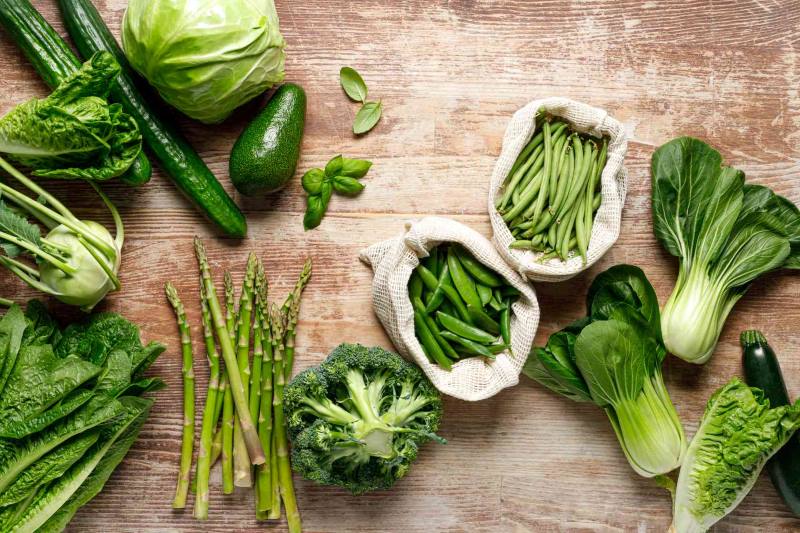
However, some plant-based sources and fortified foods can help meet the dietary needs of those following a vegetarian or vegan diet. Here are some vegetables:
SNo. |
Vegetable | Description |
| 1 | Spinach | Spinach is rich in vitamin B12, approximately 0.4 micrograms per 100 grams, making it a valuable addition to vegetarian diets. |
| 2 | Mushrooms | With around 0.4 micrograms of vitamin B12 per 100 grams, Mushroom greens provide a nutritious option for those seeking plant-based sources. |
| 3 | Beetroot | Beetroot sprouts provide around 0.3 micrograms of vitamin B12 per 100 grams, offering a tasty and nutritious addition to meals. |
| 4 | Broccoli | Broccoli contains about 0.5 micrograms of vitamin B12 per 100 grams, offering a nutritious cruciferous vegetable option for health-conscious individuals. |
| 5 | Asparagus | Asparagus contains approximately 0.2 micrograms of vitamin B12 per 100 grams, adding a flavourful and nutrient-rich component to meals. |
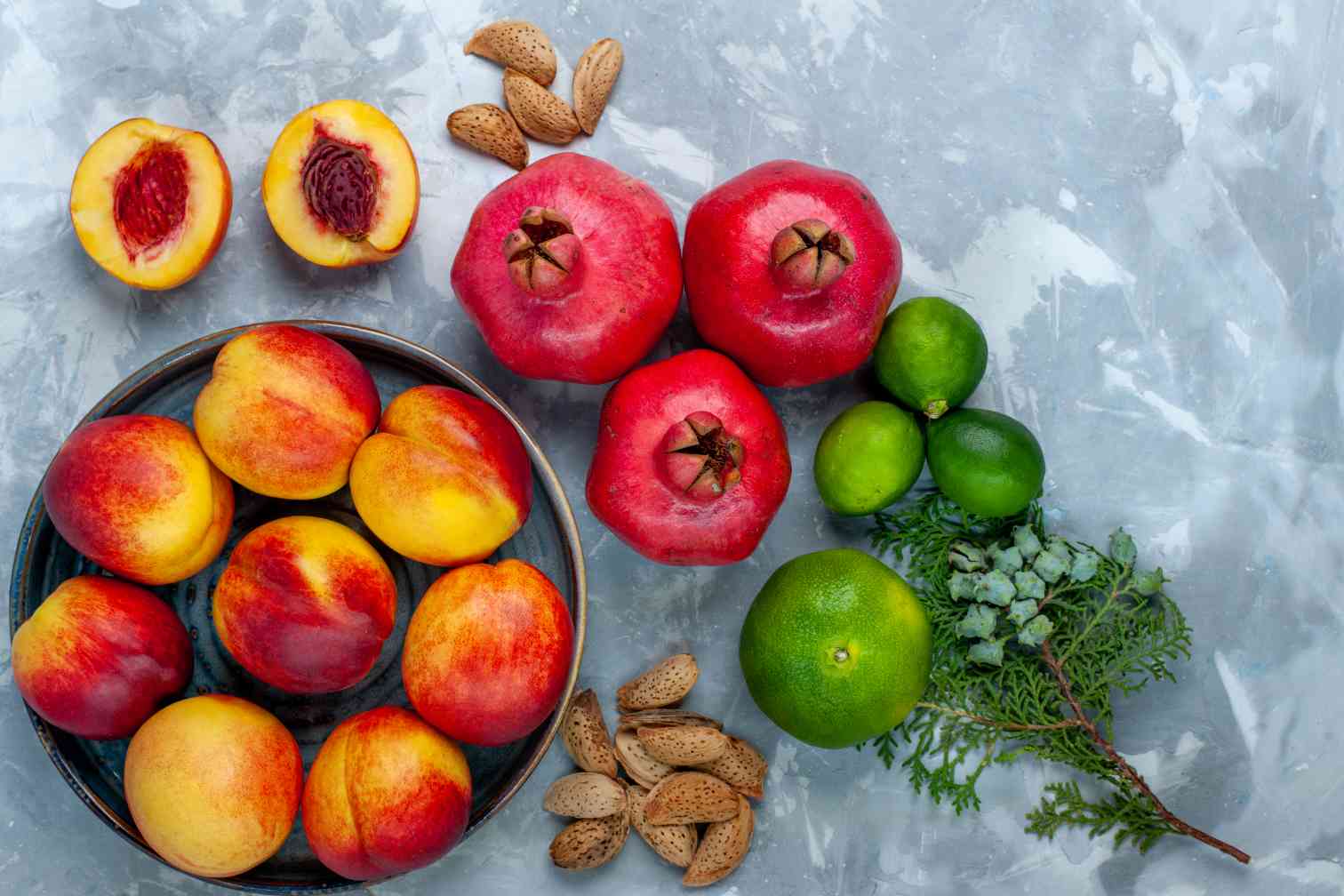
Vitamin B12 is an essential nutrient, and it is incorporated into the fruits that contain it. It can be a safer choice for most people. The following list discusses fruits rich in vitamin B12 in detail:
SNo. |
Fruit | Description |
| 6 | Banana | A versatile fruit, bananas offer a convenient source of vitamin B12, with approximately 0.1 micrograms per 100 grams, making them an easy addition to your diet. |
| 7 | Apple | They contain around 0.1 micrograms of vitamin B12 per 100 grams, providing a delicious way to boost your B12 intake. |
| 8 | Blackberries | These antioxidant-rich berries provide about 0.02 micrograms of vitamin B12 per 100 grams, adding color and nutrients to your breakfast or dessert. |
| 9 | Mango | Sweet and succulent, mangoes contain about 0.01 micrograms of vitamin B12 per 100 grams, offering a delicious way to enjoy this essential nutrient. |
| 10 | Orange | With approximately 0.01 micrograms of vitamin B12 per 100 grams, Orange provides a tropical twist to your diet while contributing to your B12 intake. |

Certain food items, such as breakfast cereals and other dairy products, are suitable for vegetarians and non-vegetarians. Therefore, you can consider these items while customising your diet with vitamin B12 rich foods.
SNo. |
Food | Description |
| 11 | Milk | A staple dairy product is rich in vitamin B12, with approximately 6.5 micrograms per 100 grams. |
| 12 | Yoghurt | This creamy delight boosts vitamin B12, offering around 2.5 micrograms per 100 grams. |
| 13 | Cheese | Enjoy cheese's tangy goodness while benefiting from its vitamin B12 content, which averages 5.6 micrograms per 100 grams. |
| 14 | Fortified Cereals | Start your day with fortified cereals, packing 10 micrograms of vitamin B12 per 100 grams to support your nutritional needs. |
| 15 | Fortified Soy Milk | Indulge in fortified soy milk, which offers a plant-based source of vitamin B12, approximately 13.3 micrograms per 100 grams. |
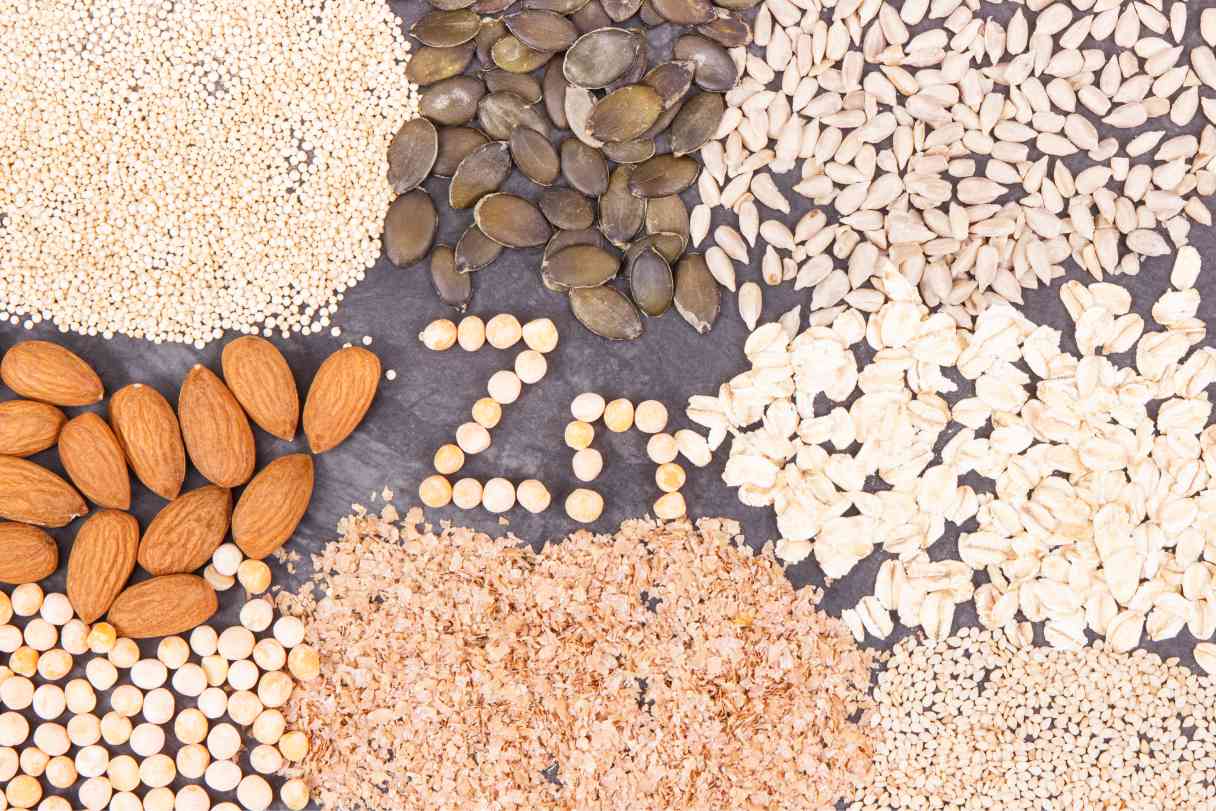
Vitamin B12, an essential nutrient, plays a crucial role in nerve function and the production of DNA and red blood cells. Certain seeds and nuts can contribute to a B12 rich diet.
SNo. |
Seed/Nut | Description |
| 16 | Sunflower Seeds | With approximately 6.0 micrograms per 100 grams, sunflower seeds are a potent source of vitamin B12. |
| 17 | Sesame Seeds | Sesame seeds offer around 4.5 micrograms of vitamin B12 per 100 grams, making them a nutritious addition to meals. |
| 18 | Flaxseeds | Rich in Omega-3 fatty acids, flaxseeds provide about 2.5 micrograms of vitamin B12 per 100 grams. |
| 19 | Chia Seeds | Chia seeds, known for their fibre content, contain approximately 2.0 micrograms of vitamin B12 per 100 grams. |
| 20 | Pumpkin Seeds | With about 1.5 micrograms of vitamin B12 per 100 grams, pumpkin seeds offer a delicious and nutritious snack. |
| 21 | Almonds | Almonds, packed with protein and healthy fats, contain around 1.0 micrograms of vitamin B12 per 100 grams. |
| 22 | Sunflower Seeds | With approximately 6.0 micrograms per 100 grams, sunflower seeds are a potent source of vitamin B12. |
| 23 | Sesame Seeds | Sesame seeds offer around 4.5 micrograms of vitamin B12 per 100 grams, making them a nutritious addition to meals. |
| 24 | Flaxseeds | Rich in Omega-3 fatty acids, flaxseeds provide about 2.5 micrograms of vitamin B12 per 100 grams. |
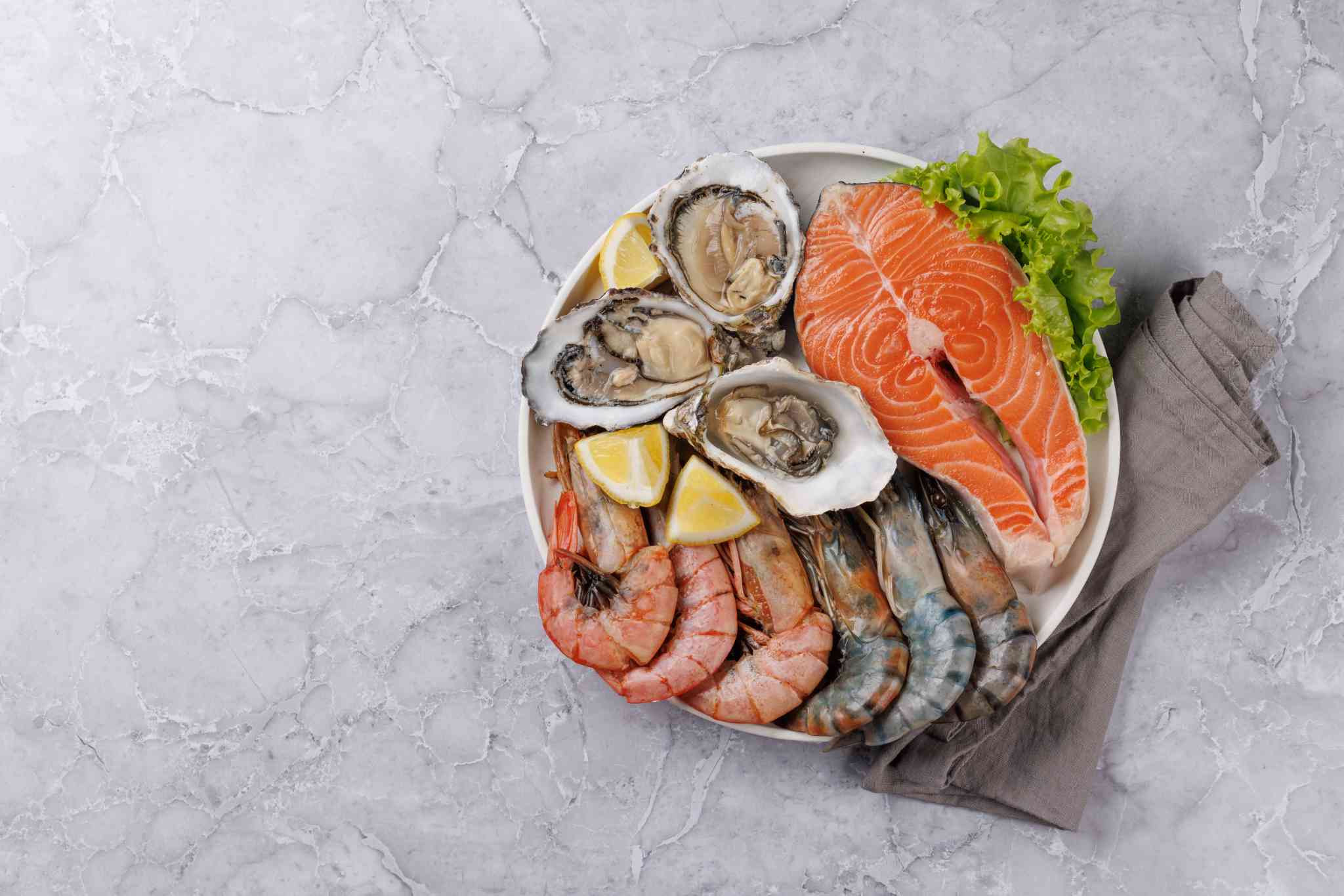
When it comes to a non-vegetarian diet, the options are always higher. Such people must consider the following types of vitamin B12 rich foods and include them in their daily diets.
SNo. |
Food | Description |
| 25 | Crabs | 85 grams of crab consists of around 9.8 micrograms of vitamin B12. Crabs are rich in vitamin B12, approximately 98.9 micrograms per 100 grams, and offer a delicious and nutritious boost. |
| 26 | Beef | Beef is a rich source of vitamins B12, B2, B3, and B6.Beef liver provides a significant source of vitamin B12, around 83.1 micrograms per 100-gram serving. |
| 27 | Oysters | Besides being a source of vitamin B12, oysters also act as a rich source of iron. With about 21.8 micrograms of vitamin B12 per 100g, oysters are a flavourful and nutrient-dense seafood choice. |
| 28 | Mussels | Along with vitamin B12, mussels are filled with vitamin C, iron, and lean protein. Mussels boast a high vitamin B12 content, offering approximately 24.0 micrograms per 100-gram serving. |
| 29 | Turkey | Heritage turkeys are loaded with vitamin B12. Turkey is a rich source of vitamin B12, providing around 36.0 micrograms per 100-gram serving, enhancing your diet. |
| 30 | Sardines | These small, soft-boned saltwater fish have high nutritional value. In addition to their high vitamin B12 levels, they are rich in omega-3 fatty acids. These small fish are packed with vitamin B12, offering about 8.9 micrograms per 100 grams, perfect for a nutritious meal. |
| 31 | Clams | Clams are shellfish that are small-sized and chewy in nature. These are packed with nutrients. Along with having significantly high levels of vitamin B12, clams are a great source of antioxidants and iron.Clams are rich in vitamin B12, approximately 98.9 micrograms per 100 grams, and offer a delicious and nutritious boost. |
| 32 | Chicken | Chicken is also an ideal source of protein and vitamin B12. It contains approximately 90 micrograms per 100 grams and provides a tasty and nutritious energy boost. |
| 33 | Fortified Nutritional Yeast | Nutritional yeast does not naturally contain vitamin B12, but the fortified form of it is a rich source of this vitamin. It contains approximately 60 micrograms of vitamin B12 per 100 grams. |
| 34 | Tuna | This fish contains high levels of vitamin B12, mainly in the dark muscles, which refer to the muscles present right underneath the skin.It contains various B vitamins, including B12, with approximately 3.5 micrograms per 100 grams. |
| 35 | Fortified Cereal | Food fortification refers to the procedure of adding nutrients that are not present originally in the food. Since they are not derived from any animal source and are made synthetically, fortified cereals might work well as vitamin B12 food for vegetarians. They typically contain around 6 micrograms of vitamin B12 per 100 grams. |
| 36 | Animal Kidneys and Liver | Organ meats contain high levels of nutrients. The kidneys and livers of lamb and beef are especially loaded with vitamin B12.They provide approximately 60-100 micrograms of vitamin B12 per 100 grams. |
| 37 | Eggs | In addition to being a good source for providing complete protein, eggs also prove to be a great source of B vitamins like vitamin B12 and vitamin B2, including vitamin B12, which is around 1.1 micrograms per 100 grams. |
| 38 | Fortified Non-dairy Milk | Like other fortified food sources, the vitamin B12 present is made synthetically in non-dairy milk, which is vegan-friendly. It typically contains around 0.5-1 microgram of vitamin B12 per 100 grams. |
| 39 | Trout | Apart from being a rich source of vitamin B12, trouts are loaded with healthy fats, protein, phosphorous, selenium, and manganese, including vitamin B12, which is approximately 2.5 micrograms per 100 grams. |
| 40 | Shrimp | Shrimps are a rich source of vitamin B12, providing around 80% of the daily value. They contain various B vitamins, including vitamin B12, with approximately 1.5 micrograms per 100 grams. |
| 41 | Pork | Pork tenderloin is a source of vitamin B12 and lean protein. Pork is a versatile meat rich in protein and various vitamins and minerals, including vitamin B12, with around 0.75 micrograms per 100 grams. |
| 42 | Herring | Herrings are small fish, and 3 ounces of them provide 3.6 micrograms of vitamin B12. The fish also includes vitamin B12, with approximately 18 micrograms per 100 grams. |
The recommended intake of vitamin B12 for an individual daily varies based on age.
Given below is the age-wise average daily recommended amount in micrograms that must be consumed:
Life Stage |
Average Daily Recommended Intake (in mcg) |
| Birth to 6 months | 0.4 |
| Infants: 7 to 12 months | 0.5 |
| Children: 1 to 3 years | 0.9 |
| Children: 4 to 8 years | 1.2 |
| Children: 9 to 13 years | 1.8 |
| Teens: 14 to 18 years | 2.4 |
| Adults | 2.4 |
| Pregnant women and teens | 2.6 |
| Breastfeeding women and teens | 2.8 |
Useful Tools to Track Your Health
Integrating vitamin B12 rich foods into your diet can foster numerous health benefits, supporting vital bodily functions and overall well-being. These foods offer essential nutrients for energy production, neurological health, and red blood cell formation.
Explore the remarkable advantages of incorporating vitamin B12 sources into your meals:
Vitamin B12 is crucial in producing red blood cells, preventing anaemia, and ensuring optimal oxygen transport throughout the body. It is essential for individuals following vegetarian or vegan diets.
Adequate vitamin B12 intake helps convert food into energy, promoting improved metabolism and combating fatigue and weakness. It is especially beneficial for maintaining energy levels in older adults.
Vitamin B12 is essential for maintaining a healthy nervous system, supporting nerve function, and reducing the risk of neurological disorders. It is crucial for individuals with conditions affecting nerve health, such as multiple sclerosis.
Vitamin B12 contributes to cognitive function and mental clarity, vital to memory retention, concentration, and overall brain health. Older adults need to maintain cognitive function and prevent age-related cognitive decline.
Vitamin B12 contributes to cognitive function and mental clarity, vital to memory retention, concentration, and overall brain health. Older adults need to maintain cognitive function and prevent age-related cognitive decline.
Vitamin B12 is involved in DNA synthesis and cell division, crucial for maintaining healthy cell growth and repair processes throughout the body. It is essential during rapid growth and development, such as pregnancy and infancy.
Adequate vitamin B12 intake is linked to improved mood and overall well-being, as it supports the production of neurotransmitters like serotonin and dopamine, which regulate mood.
Incorporating vitamin B12 rich foods into your diet can contribute to overall health and vitality, ensure proper functioning of various bodily systems, and promote a balanced lifestyle.
Boost your daily intake of vitamin B12 with these simple yet effective dietary strategies. Incorporate diverse sources of this essential nutrient into your meals to promote overall health and well-being.
Here are some tips to help you incorporate more vitamin B12 into your diet:
Introduce clams, oysters, and mussels into your meals for a flavorful boost of vitamin B12. These shellfish are rich in vitamin B12 and provide essential minerals like iron and zinc, promoting overall health.
Experiment with beef liver recipes to reap the benefits of this potent source of vitamin B12. Liver dishes offer a concentrated dose of vitamin B12 and other nutrients like vitamin A and folate, supporting various bodily functions.
Add octopus and shrimp to your diet for diverse, vitamin B12 rich options. Shellfish are delicious and provide high-quality protein and omega-3 fatty acids, which benefit heart health.
Include sardines, salmon, and trout in your menu for a tasty dose of vitamin B12. These fatty fish varieties are excellent sources of vitamin B12 and provide omega-3 fatty acids, essential for brain health and reducing inflammation.
For added convenience, opt for cereals, plant-based milk, and nutritional yeast fortified with vitamin B12. Fortified foods benefit individuals following vegetarian or vegan diets, ensuring they meet their vitamin B12 requirements.
Consider vitamin B12 supplements to ensure adequate intake, especially for individuals with dietary restrictions. Supplements can effectively bridge dietary gaps and prevent vitamin B12 deficiency-related health issues.
Vitamin B12 deficiency can manifest through various symptoms, indicating potential health concerns that require attention. Recognising these signs is crucial for timely intervention and treatment.
Insufficient intake of vitamin B12 can lead to various health risks due to its vital role in numerous bodily functions. Here are some risks and side effects associated with not getting enough vitamin B12:
Low red blood cell production causes fatigue, weakness, and pale skin.
Depression, irritability, and mood swings due to neurotransmitter imbalances.
Persistent tiredness and lack of energy affect daily activities.
Diarrhea, constipation, or loss of appetite and weight.
Elevated levels of homocysteine can damage arteries.
Difficulty concentrating, memory problems, and brain fog.
Reduced muscle strength and coordination.
Developmental delays in infants and children that are impairments in growth and cognition.
Excessive intake of vitamin B12 can lead to adverse effects. While it's essential for numerous bodily functions, moderation is key. Here are the potential side effects:
Excessive vitamin B12 can cause allergic reactions like rashes.
Overconsumption may lead to stomach discomfort and nausea.
Excessive vitamin B12 levels might trigger frequent headaches.
Some individuals may experience dizziness due to vitamin B12 overload.
High doses can exacerbate symptoms of anxiety in some.
Excess vitamin B12 may disrupt sleep patterns and cause insomnia.
High levels may affect heart rhythm irregularities.
Excessive vitamin B12 intake can cause digestive disturbances.
Some individuals may develop acne with excessive vitamin B12 consumption.
High vitamin B12 levels may contribute to elevated blood pressure.
Vitamin B12 supplements may be necessary for individuals at risk of deficiency, such as vegetarians, vegans, older adults, and those with certain medical conditions affecting absorption. Deficiency symptoms include fatigue, weakness, and neurological issues, highlighting the importance of meeting daily requirements.
Supplements offer a convenient way to ensure adequate intake, especially for those with limited dietary sources. However, consulting with a healthcare professional before starting any supplement regimen is essential.
While supplements can be beneficial, it's also important to focus on consuming vitamin B12 rich foods as part of a balanced diet to promote overall health and well-being. Ultimately, the decision to take a vitamin B12 supplement should be based on individual dietary habits, health status, and guidance from a qualified healthcare provider.
With this article coming to an end, you are now aware of the various vitamin B12 foods. So, now go ahead and prepare a well-balanced diet consisting of these sources to avoid becoming deficient in this all-important nutrient.
Protect What Matters - Explore Other Insurance Options