General
Life
Accessibility Options


General

General Products
Simple & Transparent! Policies that match all your insurance needs.
 Car Insurance
 Two Wheeler Insurance
 Commercial Vehicle Insurance
 Health Insurance
 Home Insurance
 Travel Insurance
 Business Insurance
Car Insurance
Two Wheeler Insurance
Commercial Vehicle Insurance
Health Insurance
Travel Insurance
Business Insurance
Car Insurance
Two Wheeler Insurance
Commercial Vehicle Insurance
Health Insurance
Travel Insurance



Scan to download

Life

Life Products
Digit Life is here! To help you save & secure your loved ones' future in the most simplified way.
 Term Life
 Savings Plan
 Retirement and Pension Plans
 Group Life Products
 Product Documents
Term Life
Savings Plan
Retirement and Pension Plans
Group Life Products
Product Documents
Term Life
Savings Plan
Retirement and Pension Plans
Group Life Products

Scan to download

Claims

Claims
We'll be there! Whenever and however you'll need us.
 Customer Support
 Motor Claims
Health Claims
Motor Claims
Health Claims
 Marine Insurance
 Grievance Redressal
Customer Support
Motor Claims
Health Claims
Marine Insurance
Grievance Redressal
Grievance Redressal
Customer Support
Motor Claims
Health Claims
Marine Insurance
Grievance Redressal

Scan to download
 General
 Life
General
Life
Life
General
Life
Renewals
Resources

Resources
All the more reasons to feel the Digit simplicity in your life!
Exclusive Features
 Transparency Report
Others
Exclusive Features
Transparency Report
Transparency Report
Others
Exclusive Features
Transparency Report

Scan to download


Our WhatsApp number cannot be used for calls. This is a chat only number.

 Grey Scale
 Readable Text
 Reset
Reset




Sinuses are the spaces located within the bones between the eyes. Generally, sinuses are filled with air, which is a sign of good health. However, sometimes, they can become blocked with fluid. Such a situation can lead to the growth of germs, which in turn causes infection. This causes the tissue lining the sinuses to swell up, which is a condition called sinus infection or sinusitis.
Our diet plays an essential role in maintaining our physical well-being. Certain food items provide some relief to people suffering from sinusitis. The following are some of the best foods for sinus infections.

Table of Contents

Sinusitis is an inflammation of the tissues in your sinuses, the air-filled regions in your forehead, cheeks, and nose. It produces a runny or stuffy nose, face pain, and occasionally a fever, among other symptoms. The common cold typically brings on Sinusitis, but other viruses, bacteria, fungi, and allergies can also cause it.
Four paired cavities in your skull are called sinuses. Sleek corridors link them together. The mucus from your sinuses escapes via the openings in your nose. This discharge aids in maintaining the cleanliness and absence of bacteria, allergies, and other pathogens from your nose.

Here is the list of the food items that should form a part of the diet for sinusitis:

Medical practitioners recommend drinking plenty of water. This is because dehydration makes the mucus thicker. As a result, it leads to a clogged sinus, a perfect environment for bacteria to multiply. Dehydration also hampers essential functions of the body.
So, keep yourself hydrated with plenty of fluids when you have a sinus infection. A glass of warm water with a pinch of black pepper and turmeric can also be beneficial for sinuses. Black pepper can effectively reduce inflammation, while turmeric removes bacteria. Warm water also acts as an immediate relief to sinus-related problems.
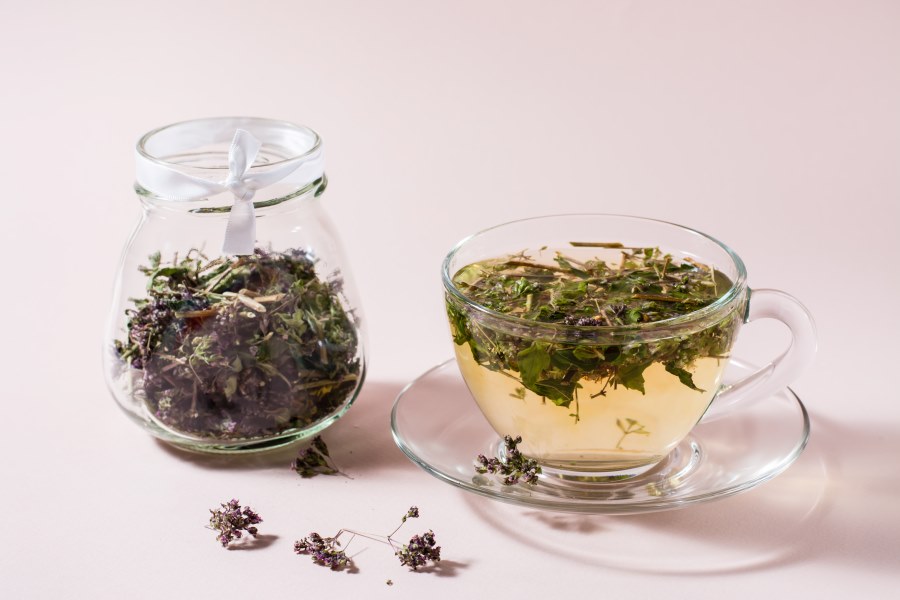
You can try this herbal tea to cure your sinus problems. All you need to do is boil some water and add cloves, black pepper, ginger, basil leaves and tea powder to it. Let it boil. Pour it into a cup. Drink it after adding a dash of honey.
This is one of the best foods for sinus complications and can help you cure your sinusitis. This is because honey, clove, ginger and black pepper have anti-inflammatory and anti-bacterial properties, while basil leaves are known to reduce mucus secretion.
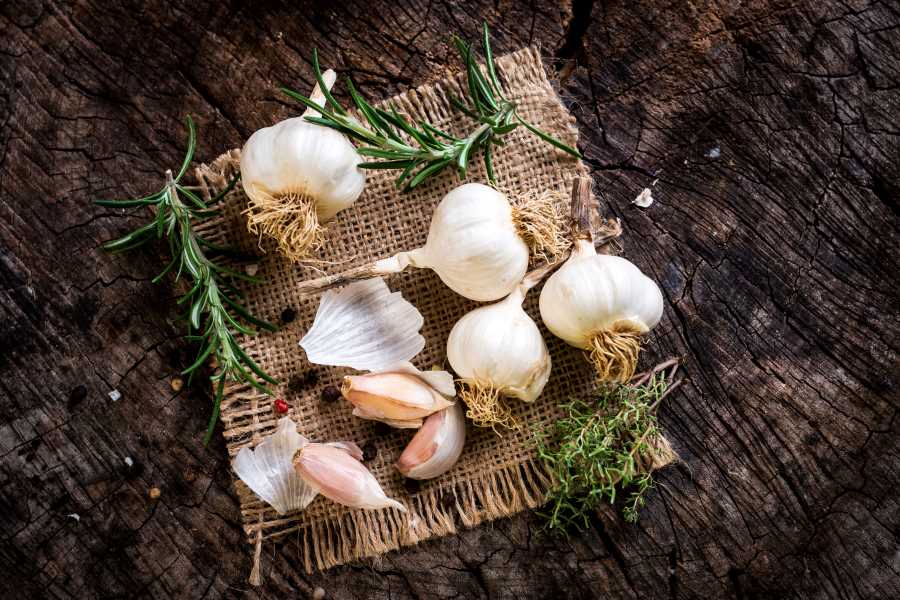
This is another effective ingredient for treating your sinus problem. It contains anti-bacterial properties. When you crush garlic, it releases allicin, a curative component. It is exceptionally effective in thinning the mucus that blocks the nasal passages. Additionally, it reduces the inflammation that causes clogged airways.
You can use garlic in various ways to get relief from a sinus infection. Try garlic steam to get some relief. You can also try some garlic and tomato juice or turmeric and garlic juice as well.
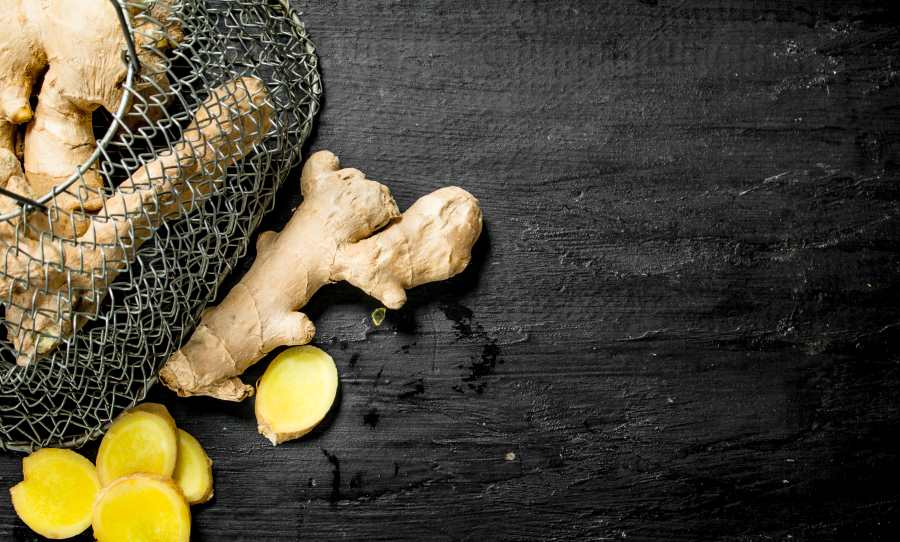
Ginger is yet another ingredient with anti-inflammatory properties. Additionally, it has antihistamines and various other compounds that control nausea and allergic reactions. Ginger also eases the swelling that one experiences throughout the body.
You can prepare and drink ginger tea to get some relief from sinusitis. A combination of turmeric and ginger brewed together in a cup of tea contributes to alleviating the symptoms of sinusitis. You can also take ginger extract every day to relieve congestion and runny nose.
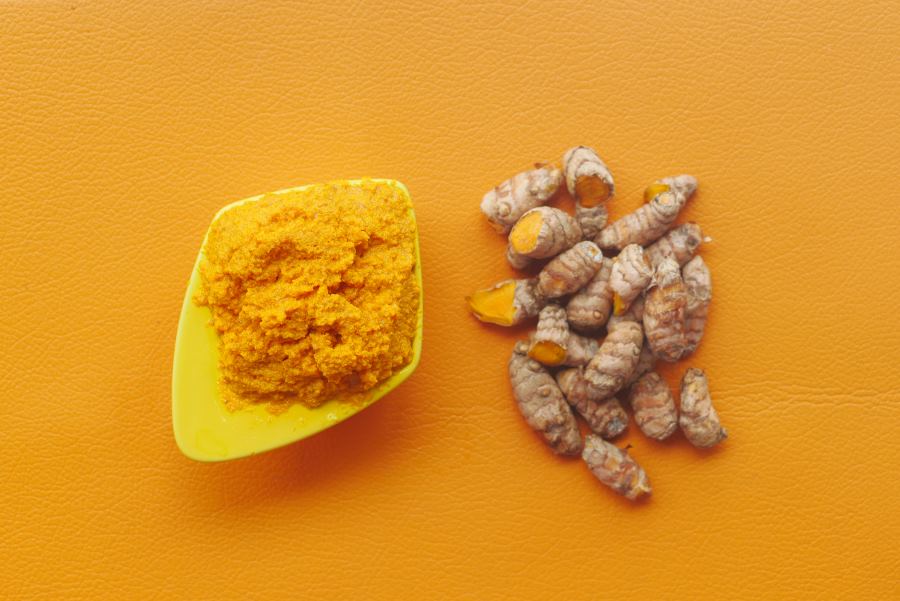
This is another vital ingredient in the list of foods for sinus relief. One can go on and on about the medicinal properties of this ingredient. Turmeric has anti-inflammatory properties. It is also rich in antioxidants. Its principal ingredient is curcumin, which can potentially benefit people suffering from sinusitis.
You can add turmeric to hot water and use the mixture to gargle. It will help clear the nasal airways and relieve sinus infection. Warm milk with turmeric is a common effective remedy for inflammation and flu.
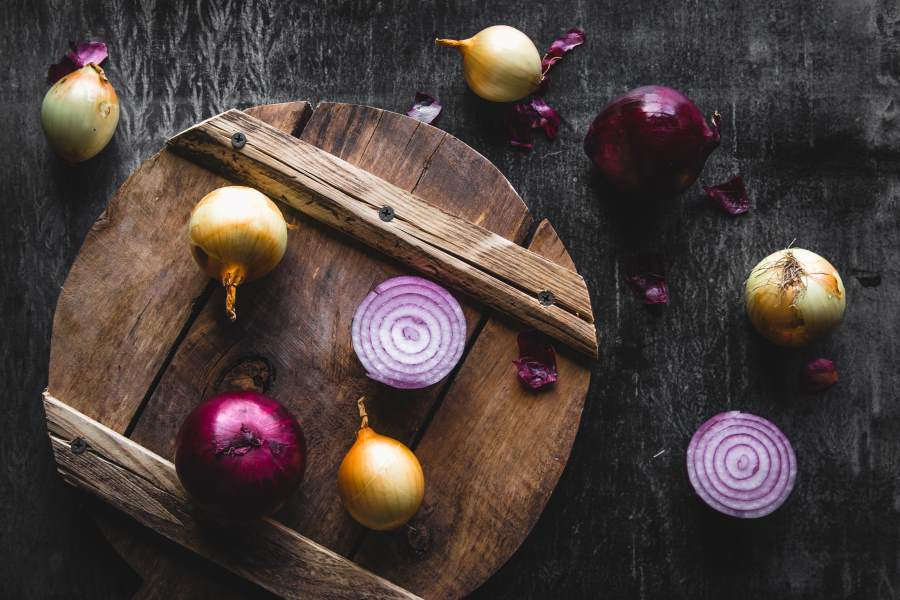
Onions are well-known for being an anti-inflammatory food item. It has large amounts of sulphur which helps in clearing nasal congestion. Inhaling onion steam may provide some relief if you are suffering from a sinus infection.
However, if you inhale the fumes of raw onion, you can experience irritation in your eyes. Instead, what you can do is chop the onions into small pieces. Next, add it to water and boil it for a few minutes. Then, add it into a bowl and inhale the onion steam.
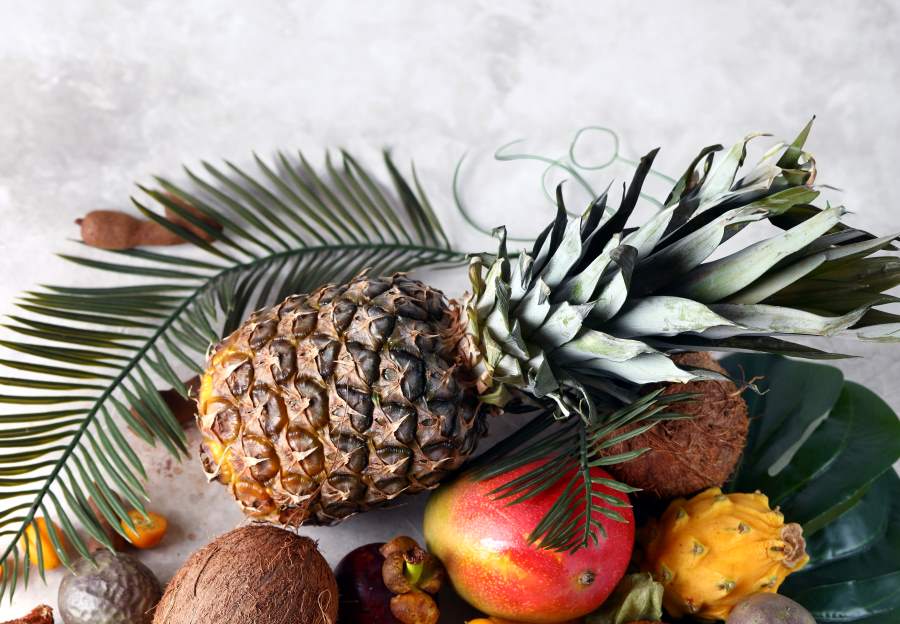
Consuming fresh pineapples can be helpful if you want relief from sinusitis. This fruit contains bromelain, a compound which is an effective medicinal ingredient for sinus infection. It breaks up excess mucus and reduces mucus production caused by allergies.
You can eat the fruit in whatever way you prefer. For example, have the fruit by itself, or make a pineapple salad. Grilled pineapple rings are a delicious side dish. Having fresh pineapple juice will also provide you some relief.
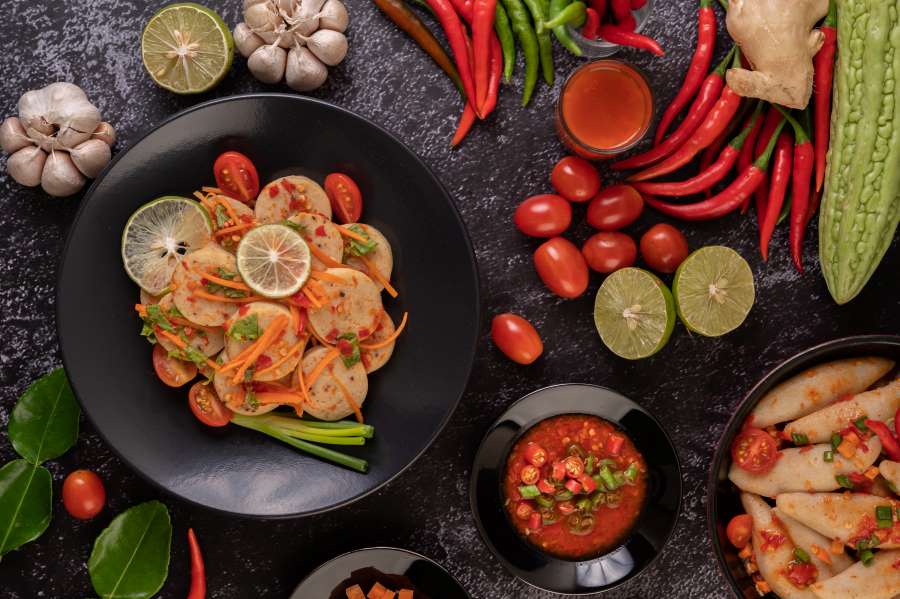
Spicy foods are those with chilli peppers. It contains capsaicin, an active and pungent compound. Capsaicin helps in thinning out and stimulating the mucus. This results in better drainage and air circulation of the nose. Capsaicin is primarily found in bell peppers, cayenne peppers and chilli peppers.
Though it is true that spicy foods or food items containing capsaicin are helpful in treating sinuses, medical practitioners advise people to consume them in small or moderate proportions.
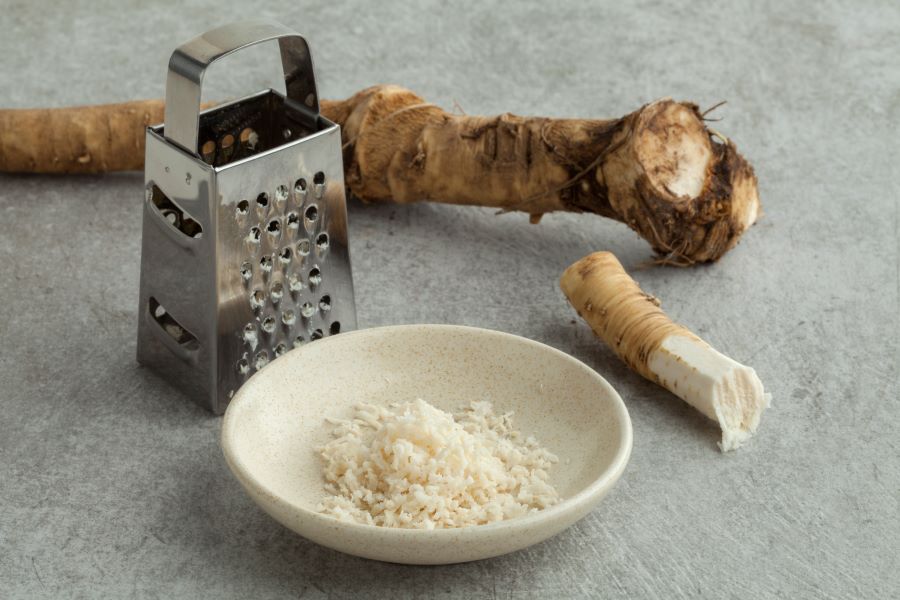
Horseradish contains high levels of sulphur. It helps in reducing the build-up of mucus. Horseradish also helps in removing mucus from the upper respiratory passages. Furthermore, it helps in improving air circulation.
You can try keeping freshly grated horseradish in your mouth till the flavour fades away. A pinch of it would also work, but you will need a stronger version. Chew it well and after the flavour dissipates, swallow it.
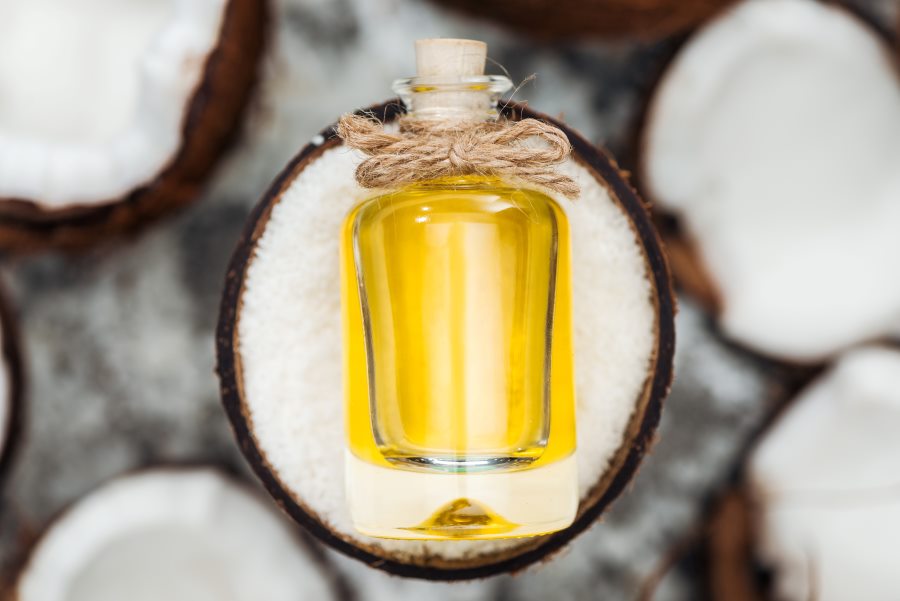
Coconut oil contains many anti-bacterial and antiviral properties. In many ways, it is one of the best foods for sinus infections. Consuming coconut oil will eliminate underlying causes of sinus infection. Moreover, it will not even harm the natural balance in the body.
There are multiple ways to consume coconut oil. However, the most common way to consume it for treating sinus infection is by adding a tablespoon of it to tea or coffee. Mix it well before drinking.
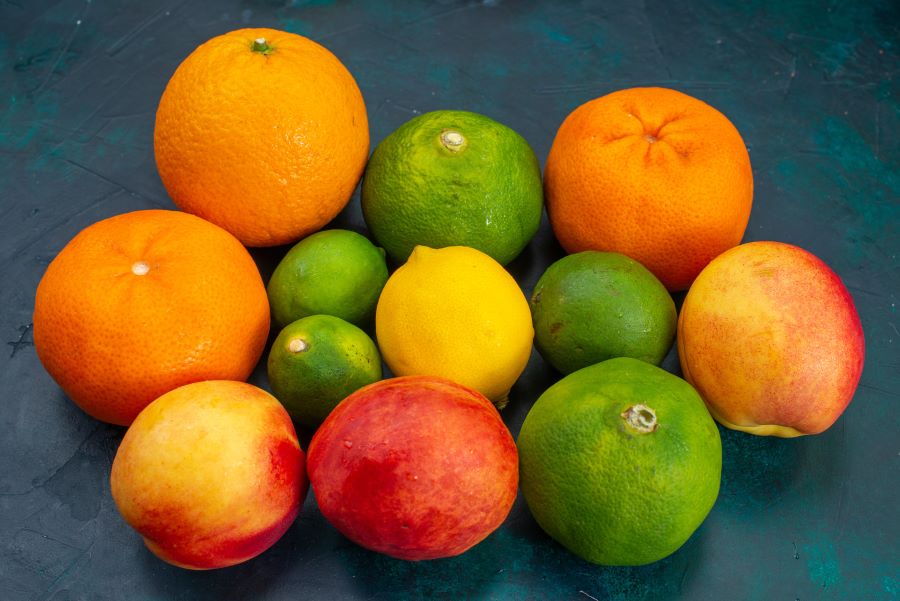
Citrus fruits, such as oranges, grapefruits, and lemons are rich in vitamin C, which supports the immune system. This key ingredient boosts the immune system and possibly fights off infections that could flare up sinusitis.
Moreover, citrus fruits tend to have a high water content, which helps with hydration, thins mucus, and relieves sinuses. Include at least one citrus food daily in your routine.
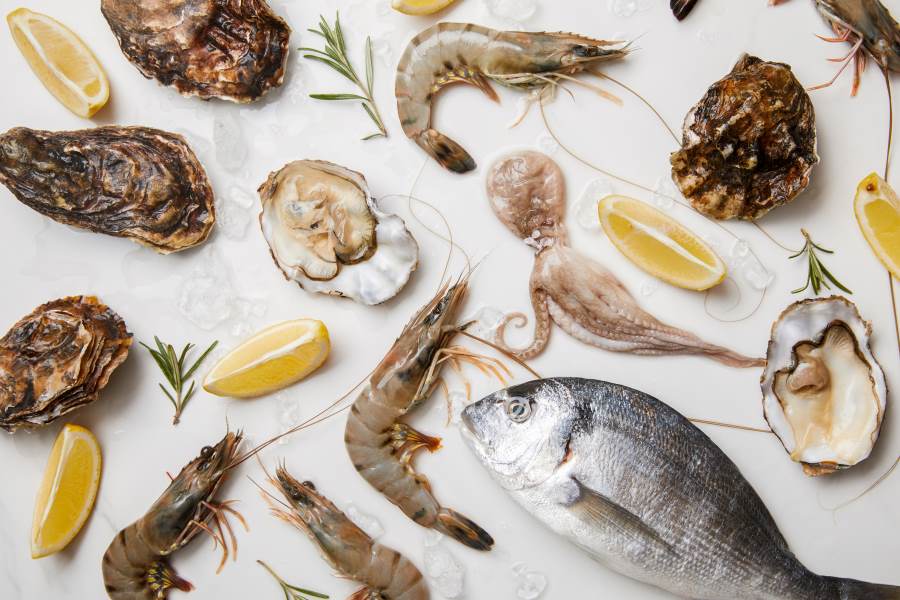
It contains omega-3 fatty acids and zinc. Seafood is a good source, and fish like salmon, mackerel, and sardines are rich in omega-3 fatty acids and zinc. These anti-inflammatory properties may help reduce inflammation and congestion in the sinuses.
Zinc helps to keep the immune system healthy and may thus protect against developing sinus infections. Seafood can be included in diets for healthy sinuses and immunity. Do not include seafood if you're allergic.
Certain foods can help alleviate headaches by addressing underlying triggers and promoting overall well-being. Below is the list of foods that would help in reducing the sinus infection symptoms:
To help manage and reduce mucus production, incorporating certain foods into your diet can be beneficial:
When managing a fever, choosing the right foods can play a crucial role in supporting recovery and maintaining comfort:

Now, it is time for us to take a look at the foods to avoid for a sinus infection patient:

Many researchers have stated that excess consumption of sugar products may be the reason behind sinus problems. Sugar leads to the growth of fungal yeast. It leads to the development of inflammation in the sinuses.
So,one should avoid items with high sugar content to avoid sinusitis. Reducing or stopping sugar intake is an effective way to fight a sinus infection. It is a good idea to stop consuming candy, soda and baked goods rich in sugar for a healthy life.
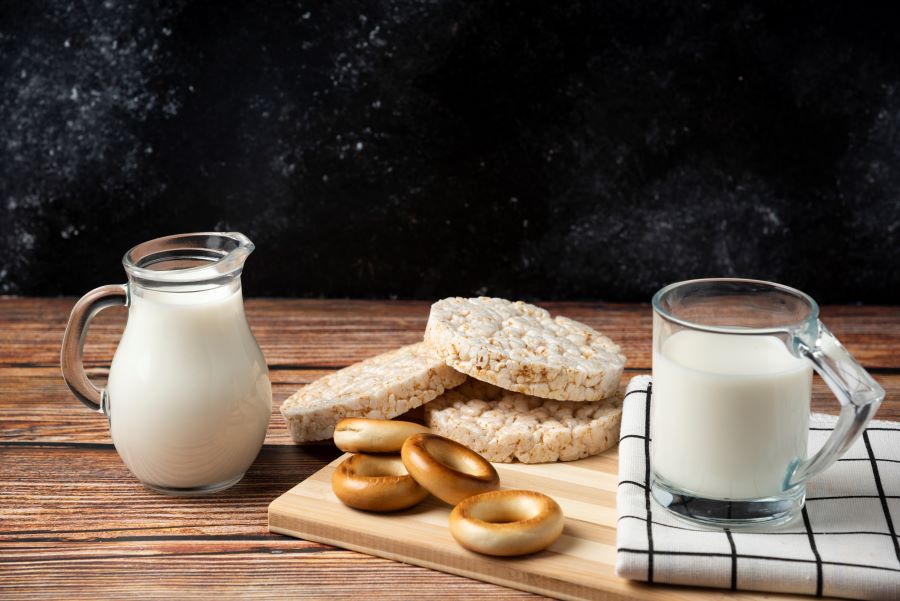
There is no conclusive evidence to suggest a link between dairy and sinus infection, but many experts think that dairy causes excess mucus and sinus congestion. However, milk is not a significant cause of sinusitis because there is no component in milk that makes it especially mucus-forming. If you think consuming milk or other dairy products may be the reason behind your sinus infection, you need to consult a doctor.
Avoid consuming yoghurt as it increases the production of phlegm. This causes more congestion.
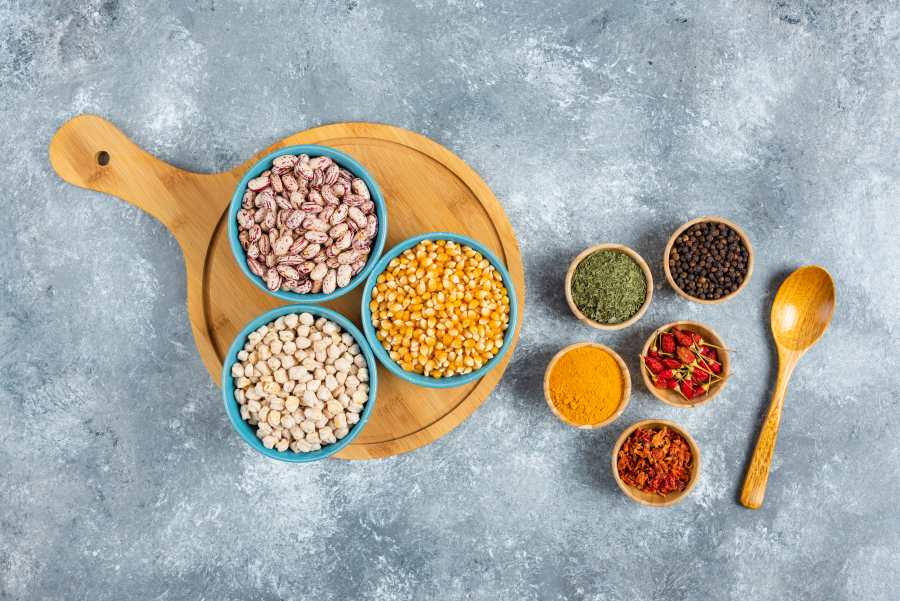
While salicylates are usually beneficial components, some people might be sensitive to them. People who are hypersensitive to salicylates should avoid eating certain legumes, grains, vegetables, fruits, herbs and spices. If they do consume such food items, they may experience difficulty in breathing, nasal congestion, sneezing and a runny nose.

When healthy people eat foods with histamine, their bodies absorb the component. But, histamine intolerant people may find it difficult to break it down. This will lead to a histamine build-up in their bodies. This can lead to various problems related to sinusitis like nasal congestion, troubled breathing, sneezing and runny nose.
Food items that are high in histamine include processed meats (salami, ham and sausages), dried fruits (apricots, raisins), fermented beverages (alcohol, kombucha), fermented foods (yoghurt, vinegar, kimchi, sauerkraut), preserved fish and aged cheese.

Chocolate can trigger sinus problems. Chocolate contains substances that may cause sinus problems in susceptible individuals. For example, caffeine and sugar may inflame the body or increase mucus production, thereby increasing sinus distress.
If you find that chocolate exacerbates your sinus issues, consider reducing its consumption and exploring alternatives to help manage your symptoms more effectively.

Junk food can irritate sinus problems. Pizza, burgers, and chips are often labeled junk foods, containing plenty of unhealthy fats, sugars, and preservatives. All these can cause inflammation and may increase sinus problems by increasing mucus production and encouraging general inflammation.
A balanced diet with fresh, whole foods will help maintain sinusitis and support overall health by reducing inflammation and supporting immune function.

These increase sinus trouble. Fried foods contain many harmful fats and can cause inflammation in the body. Such food can trigger sinusitis symptoms by inviting mucus production, thereby irritating the mucous membrane of the sinuses.
Instead, try baked or steamed food to reduce sinus trouble. Baking or steaming helps minimize inflammation and provides a healthier alternative that supports overall sinus health.

Fatty meats can exacerbate sinus problems. Bacon, sausages, and fatty cuts of beef are all high in saturated fats. These, in turn, can promote inflammation in the body, exacerbating sinusitis and making congestion much more uncomfortable.
Lean meats and plant-based proteins are better options when considering sinusitis. In addition to their anti-inflammatory benefits, these foods can help support overall immune function, potentially reducing the frequency and severity of sinus issues.
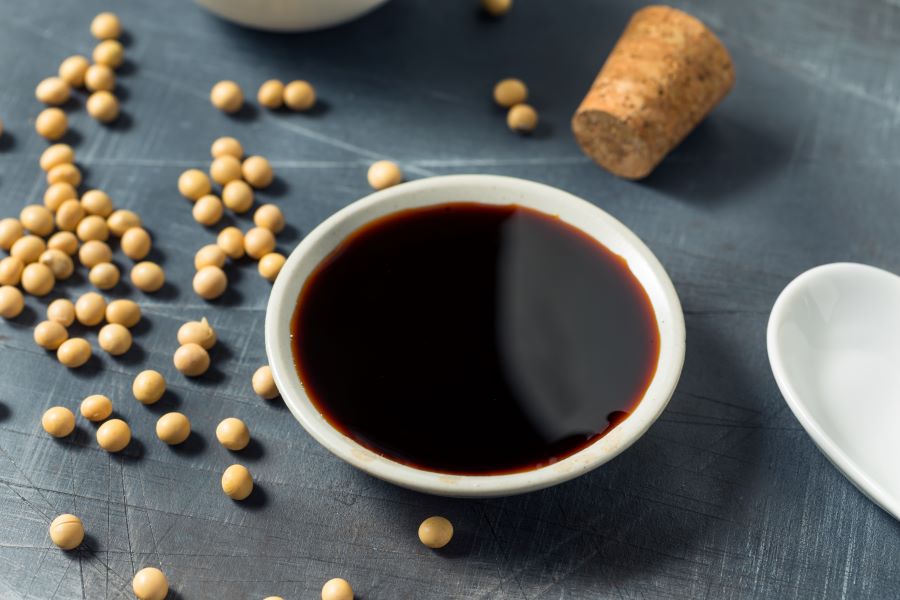
MSG (Monosodium Glutamate) is an excitotoxin flavor enhancer that can cause chronic inflammation and worsening sinusitis. MSG can be found in soy sauce, fast foods, soups, salad dressings, and deli meats. Monosodium glutamate, or MSG, is a flavour enhancer commonly used in soy sauce, fast foods, prepared soups, salad dressings, and deli meats. It may trigger chronic inflammation and exacerbate sinusitis symptoms in certain individuals. Cutting down on foods containing MSG should reduce sinus discomfort and improve health in general.
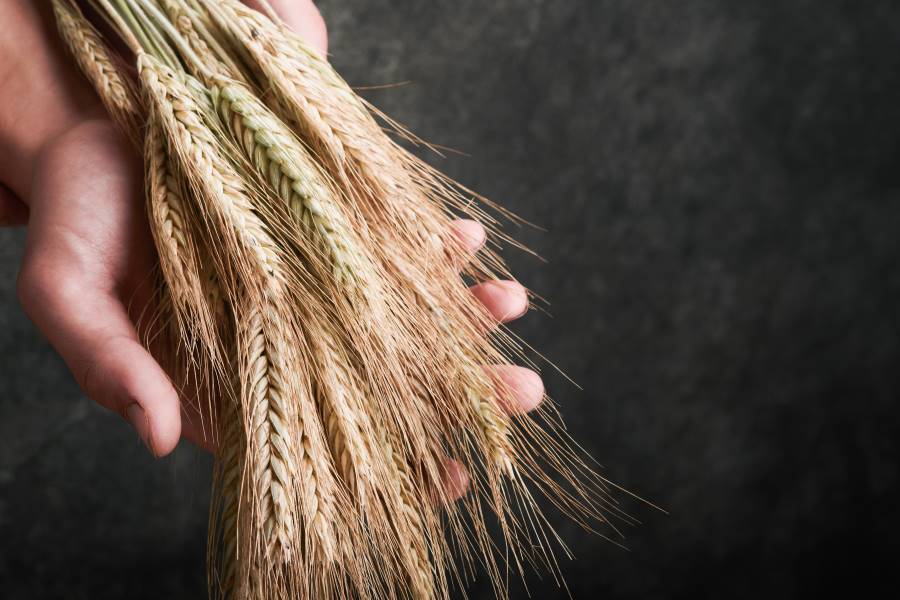
Glutenous foods include those that can trigger sinus issues. Gluten is a protein found in wheat, barley, and rye, and when consumed by persons with sensitive stomachs, it can only heighten inflammation and sinus issues.
Most definitely, gluten-containing foods are going to raise the level of discomfort within the sinus passages in people who are gluten-sensitive or are suffering from celiac disease. Its gluten-free alternative will be effective in the management and easing of sinus symptoms.
Stay on Track with These Health Tools
You might have been wondering what exactly causes a sinus infection. So, now, we will be taking a look at its causes:
If you are suffering from a sinus infection, you can incorporate the above-mentioned food items that will help you in decreasing its effects. However, if you are choosing a diet plan to help you reduce your sinus infection, then consider the following things:
Apart from eating healthy, you should keep the following things in mind if you are suffering from a sinus infection:
Combined with dietary components, these would enable you to handle sinus infections and maintain comfort in general.
We must understand the critical role that our dietary choices have in our physical well-being. Unfortunately, sinus problems have become quite common in today's world. If you are suffering from it, remember that consuming certain food items can relieve your symptoms greatly. This blog has provided details of foods for sinus infections. To make your diet more effective in combating health hazards, consult a doctor.
Protect What Matters - Explore Other Insurance Options